Landmark: King Sobhuza II Memorial Park
City: Lobamba
Country: Eswatini
Continent: Africa
King Sobhuza II Memorial Park, Lobamba, Eswatini, Africa
The King Sobhuza II Memorial Park is a formal national commemorative site and museum complex located in the royal capital of Lobamba, Eswatini. Established to honor the country’s longest-reigning monarch, the park functions as a sacred civic venue for state ceremonies and historical preservation.
Visual Characteristics
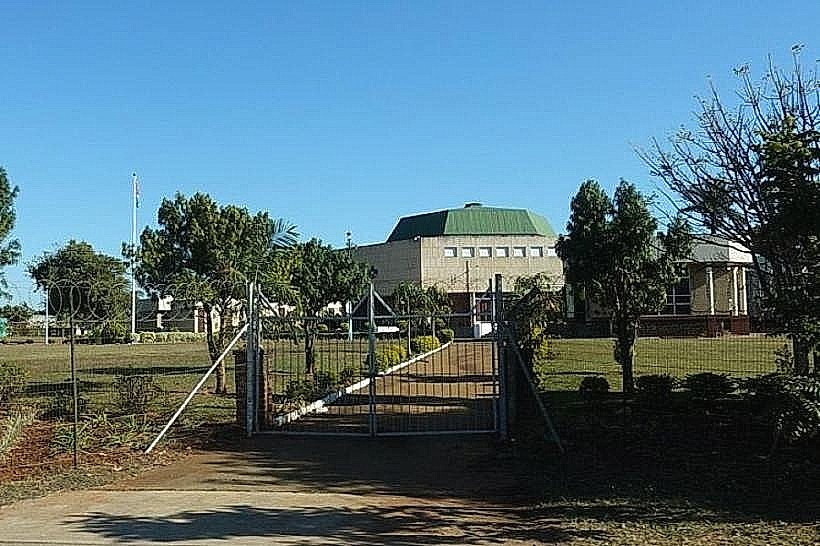
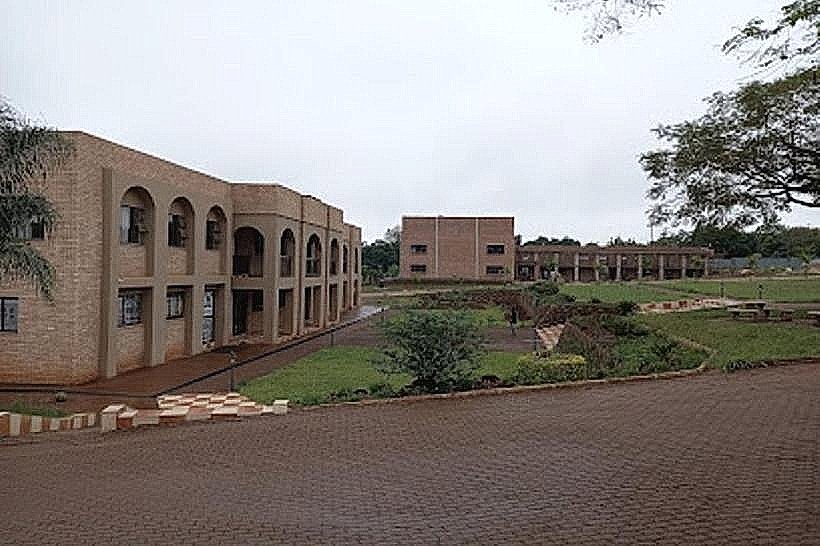
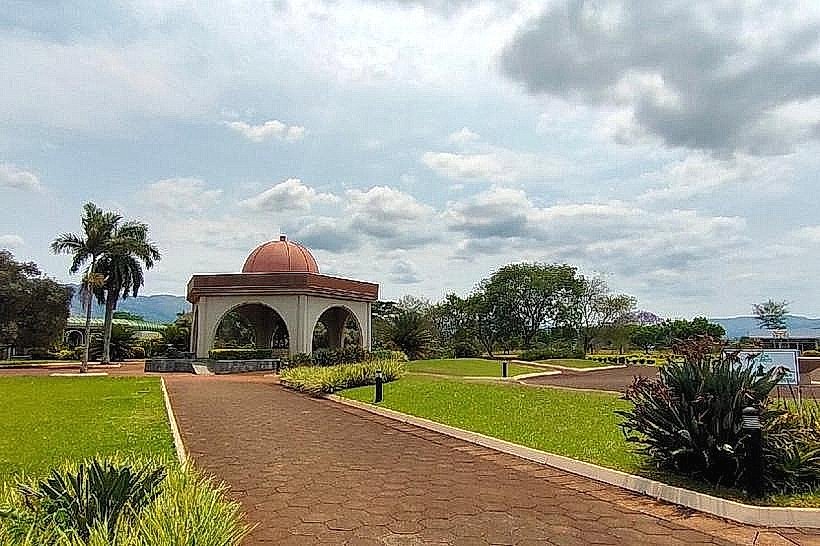
The park features a highly structured, symmetrical layout centered around a large bronze statue of King Sobhuza II, sheltered by an open-walled cream-colored concrete pavilion topped with a hexagonal tiled roof. The grounds are defined by extensive concrete-paved walkways, low brick retaining walls, and formal lawns bordered by manicured hedges and rows of mature indigenous trees. A prominent feature is the memorial mausoleum, constructed from local granite and white stone panels, guarded by three ornamental brass lions and a permanent flame installation set within an asphalt-surfaced ceremonial square.
Location & Access Logistics
The landmark is situated directly off the paved MR103 road in central Lobamba, roughly 18 kilometers south of Mbabane and 23 kilometers west of Manzini. Access is direct via the Ezulwini Valley transport corridor; vehicles turn from the MR3 highway onto the MR103, leading straight to the main gates. Public transport is frequent, with local minibuses (kombis) traversing the Mbabane-Manzini route dropping passengers immediately outside the park entrance. A secure, asphalt-paved parking lot capable of accommodating tour buses and private cars is located directly inside the perimeter walls.
Historical & Ecological Origin
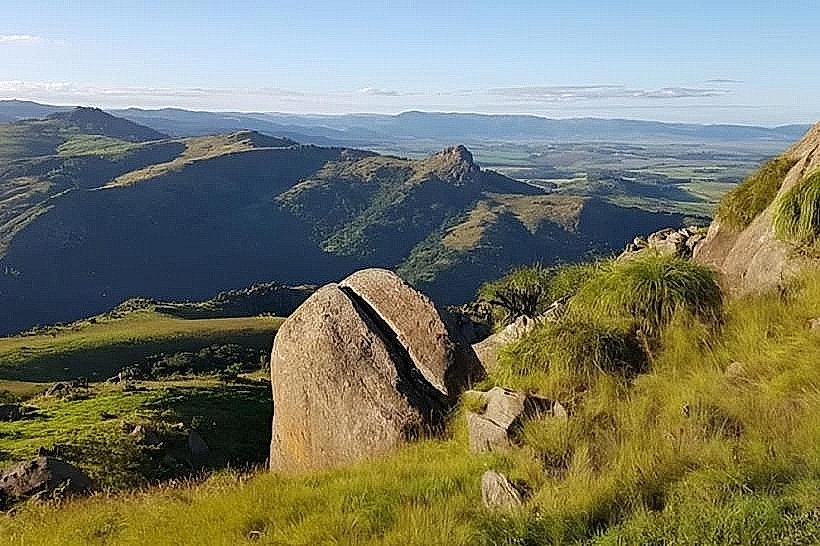
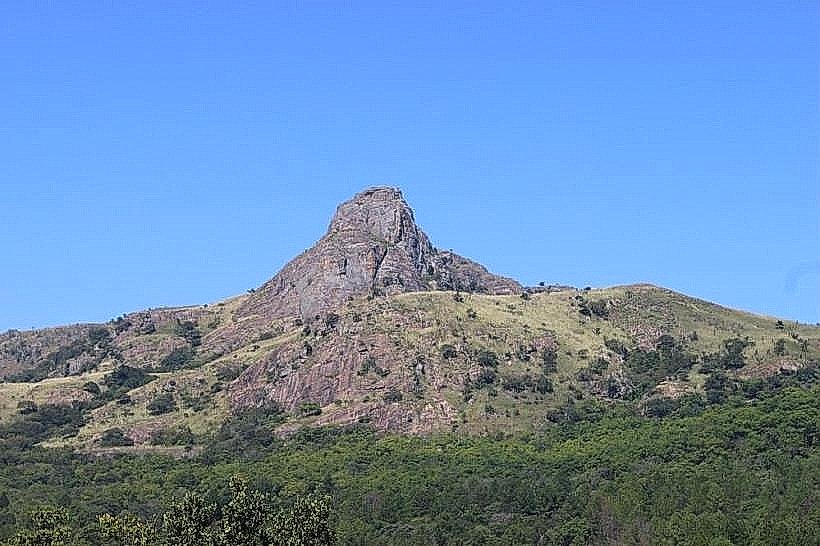
The memorial park was officially inaugurated in the late 20th century to preserve the legacy of King Sobhuza II, who led Eswatini to independence from British protection in 1968 and governed until 1982. The site marks the exact geographic location where his body lay in state during the national funeral ceremonies. Geologically, the park rests on the alluvial plains of the Ezulwini Valley, surrounded by the granite hillsides of the Highveld edge, with the landscape deliberately planted with endemic flora to reflect the traditional botanical heritage of the region.
Key Highlights & Activities
The primary activity is a guided historical tour through the on-site museum, which exhibits a comprehensive collection of photographs, state gifts, and vintage royal vehicles used by the monarch. Visitors can view the external architecture of the sacred mausoleum, though the interior remains strictly closed to the general public. Pedestrian exploration extends along the formal paths to examine the symbolic structural installations, including the torch of independence and the commemorative sculptures tracking the kingdom's political history.
Infrastructure & Amenities
The facility is highly developed, featuring modern public restrooms, brick-paved walkways designed for accessibility, and shaded outdoor seating areas beneath pavilions and mature trees. High-speed cellular network coverage (4G/5G) is completely stable across the entire park due to its central location within the institutional zone of Lobamba. Financial transactions for entry tickets are supported by a dedicated cash office equipped with card payment terminals, while snacks and refreshments can be purchased at a small curation kiosk near the reception.
Best Time to Visit
The park is accessible year-round, operating daily from 08:00 to 16:00, with mid-morning between 09:00 and 11:00 providing the most comfortable temperature for open-air walking. The dry winter months from May to August are optimal, offering clear blue skies and minimal humidity. Photography of the central monument and the mausoleum facade is best executed in the early morning or late afternoon when light conditions minimize the harsh shadows cast by the high pavilion roofs.
Facts & Legends
A verified historical detail of the site is that the vintage cars displayed inside the glass-walled royal garage are maintained in working mechanical order, including the custom-built models used for state processions during the independence era. Local protocol dictates that all visitors must maintain a quiet demeanor while approaching the mausoleum area, as the space is legally designated as a shrine under national heritage laws, carrying the same traditional reverence as the royal burial caves.
Nearby Landmarks
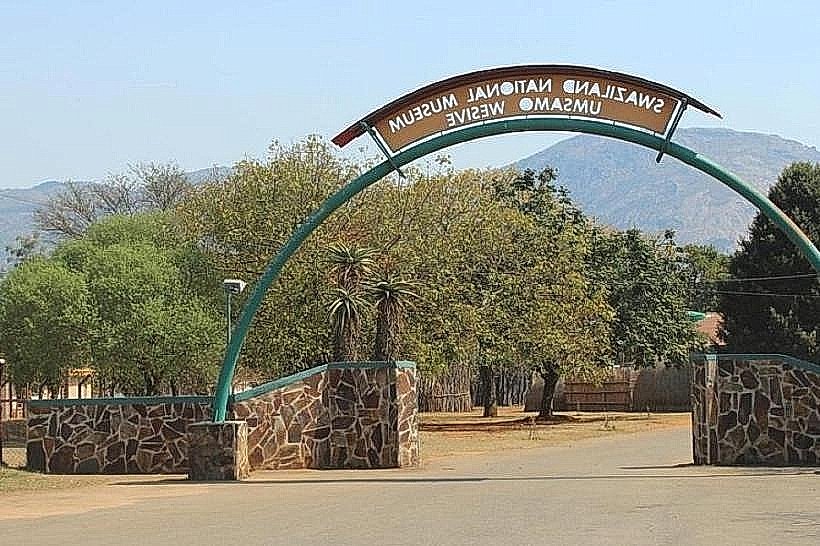
Eswatini National Museum - 0.1km East
Parliament Building - 0.4km North
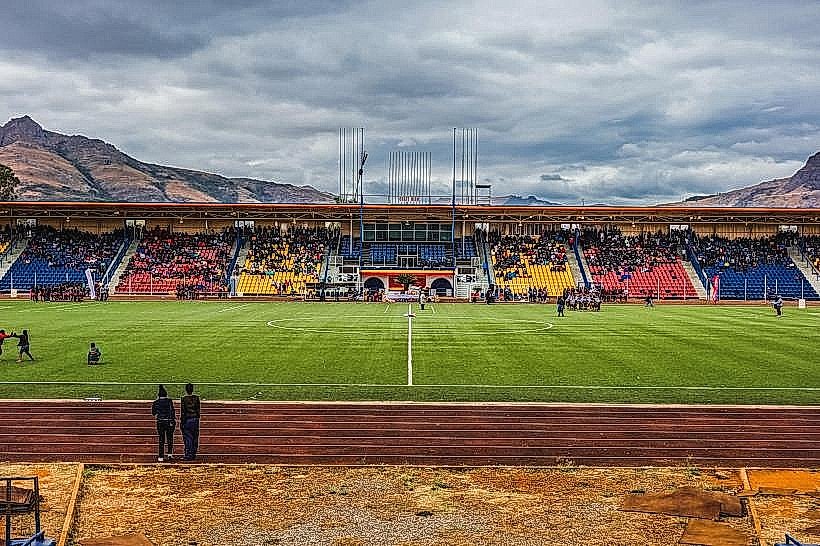
Somhlolo National Stadium - 1.2km East
Ludzidzini Royal Residence - 1.4km West-Northwest
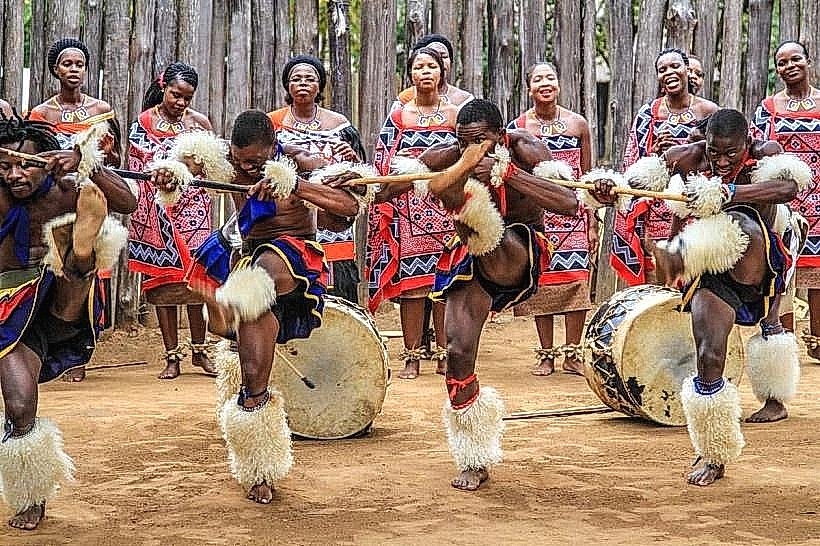
Mantenga Cultural Village - 4.5km Northwest