Landmark: Ludzidzini Royal Village
City: Lobamba
Country: Eswatini
Continent: Africa
Ludzidzini Royal Village, Lobamba, Eswatini, Africa
Ludzidzini Royal Village is the official royal capital and administrative heart of Eswatini, located in the Ezulwini Valley within the royal district of Lobamba. The expansive traditional settlement serves as the official residence of the Queen Mother (Indlovukazi) and acts as the primary venue for the nation's major sacred and annual cultural ceremonies.
Visual Characteristics
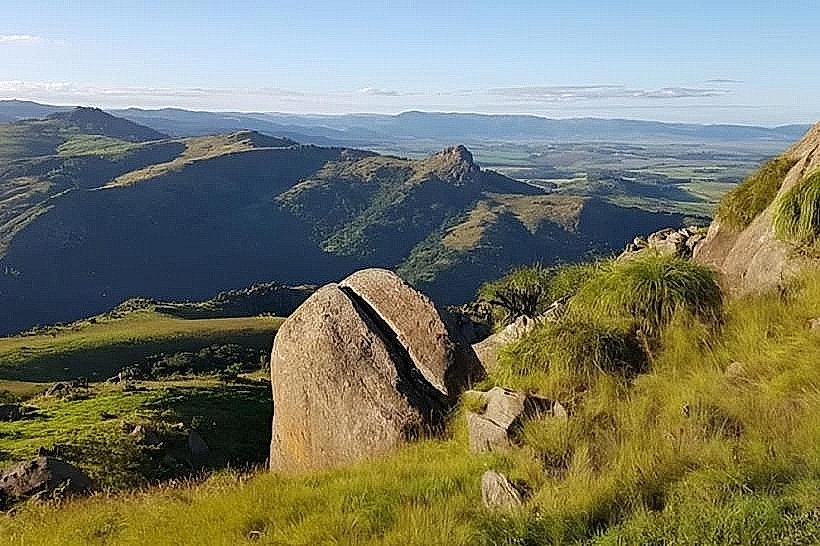
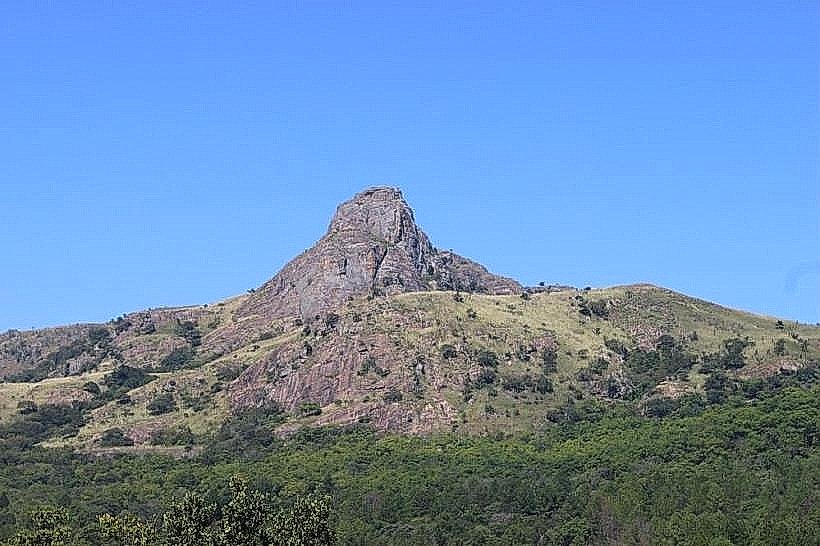
The settlement features a vast, concentric layout dominated by the large, circular Eludzidzini cattle byre (sibaya), which is enclosed by a massive perimeter wall constructed from tightly packed vertical wooden logs and branches. Surrounding the central arena are hundreds of traditional Swazi beehive huts (gindlu), meticulously engineered from woven saplings, structural mountain grasses, and leather thongs. The paths connecting the quarters consist of packed earth and gravel, with the entire traditional complex contrasted against a background of modern brick security outbuildings and the distant granite peaks of the Mdzimba Range.
Location & Access Logistics
The royal village is situated just off the paved MR103 road in Lobamba, approximately 19 kilometers south of the capital city of Mbabane and 24 kilometers west of Manzini. Access for authorized visitors is via the MR3 dual-carriageway, exiting into the Lobamba royal zone. Public transit via local minibuses (kombis) traversing the Mbabane-Manzini route passes continuously along the main road, dropping passengers within a 10-minute walk of the main outer gates. General public parking is restricted to unpaved gravel clearings located outside the primary security perimeter checkpoints.
Historical & Ecological Origin
Established during the 20th century under King Sobhuza II, Ludzidzini was constructed to serve as the traditional capital, succeeding older royal villages in line with Swazi customary governance systems. The site was engineered to anchor the spiritual and cultural identity of the nation, providing a permanent venue for the annual Incwala (first-fruits ceremony) and Umhlanga (Reed Dance). Geologically, the complex rests on flat alluvial terraces within the fertile Ezulwini Valley, situated near river systems that supply the natural timber, reeds, and highveld grasses required to continuously repair the traditional structures.
Key Highlights & Activities
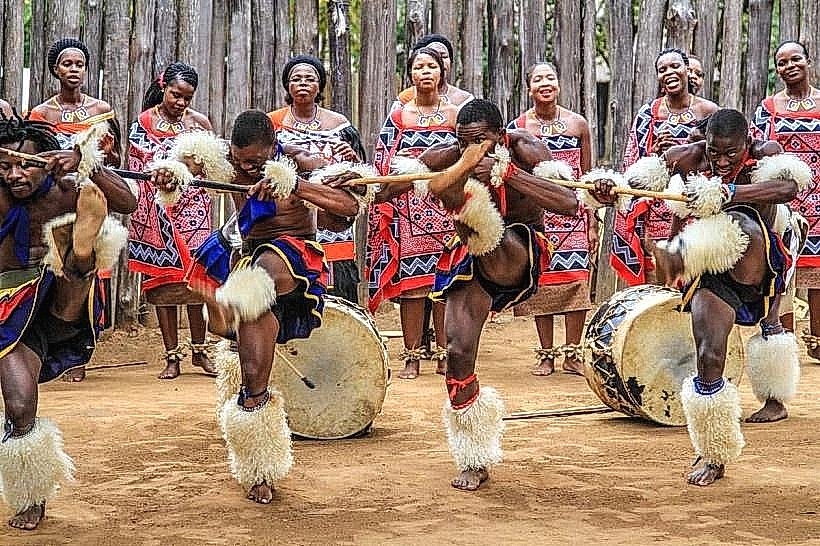
The primary activities are deeply tied to the national ceremonial calendar, during which thousands of participants gather inside the central cattle byre for traditional dancing, chanting, and royal addresses. Outside of major public festivals, access to the interior residential quarters is strictly restricted to state officials and royal family members, requiring high-level traditional clearance. Permitted educational visits are focused on the outer assembly areas, where observers can examine the structural methods used in traditional Swazi engineering and view the exterior of the royal enclosures.
Infrastructure & Amenities
The infrastructure within the royal village is a hybrid of traditional materials and necessary modern state utilities, featuring secure electrical networks, municipal treated water connections, and modern sanitation blocks for large gatherings. High-speed cellular network coverage (4G/5G) is entirely stable across the entire perimeter due to its status as a critical national security zone. There are no commercial vendors, retail shops, or food outlets inside the village gates; all commercial dining and retail services are situated 2 kilometers away at regional shopping developments.
Best Time to Visit
The exterior aspects of the village can be viewed year-round, but the most culturally significant times to visit are during the late summer wet season (August to September for the Reed Dance, and December to January for the Incwala ceremony) when the public areas open for national festivals. The dry winter months from May to August offer the most comfortable weather for perimeter exploration. Photography is highly restricted and subject to strict security protocols; when permitted, the early morning hours between 07:30 and 09:30 offer optimal lighting across the traditional thatched structures.
Facts & Legends
Strict cultural protocols govern the landmark, including bans on wearing specific items of clothing like hats or shoes within designated sacred zones of the cattle byre, reflecting traditional laws that treat the space as a living temple. National lore dictates that the village is spiritually protected by the spirits of past Swati monarchs, and the exact timing of the sacred Incwala ceremony held within the village walls is calculated annually by traditional astronomers based on the precise alignment of the moon and stars over the Mdzimba mountains.
Nearby Landmarks
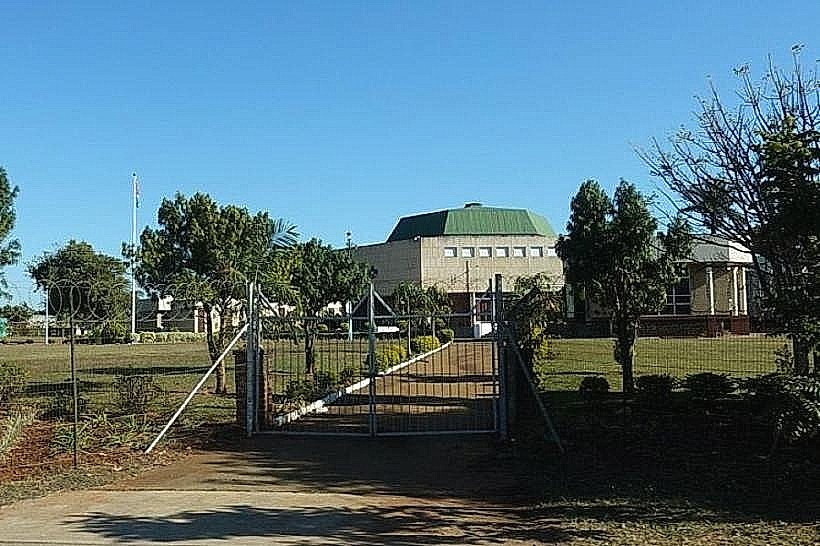
Parliament Building - 1.2km East
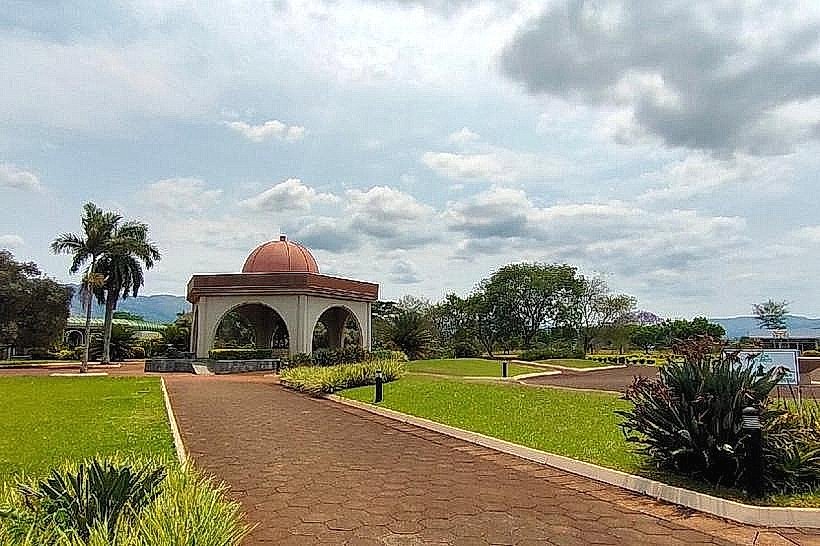
King Sobhuza II Memorial Park - 1.4km East-Southeast
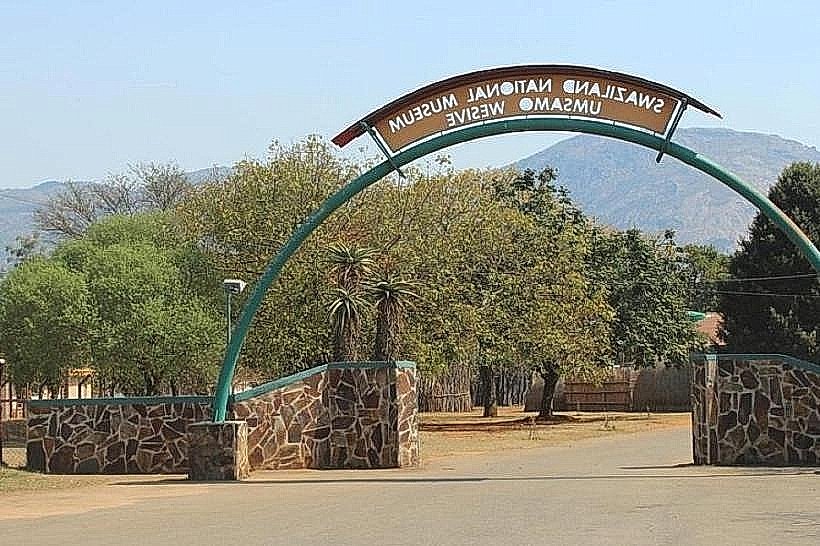
Eswatini National Museum - 1.5km East-Southeast
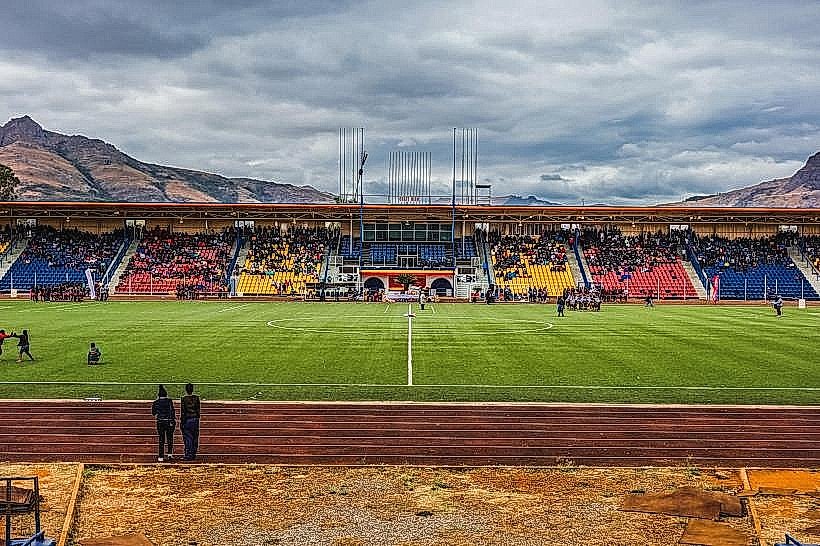
Somhlolo National Stadium - 2.5km East
Mantenga Cultural Village - 3.8km Northwest