Landmark: National Museum of Eswatini
City: Lobamba
Country: Eswatini
Continent: Africa
National Museum of Eswatini, Lobamba, Eswatini, Africa
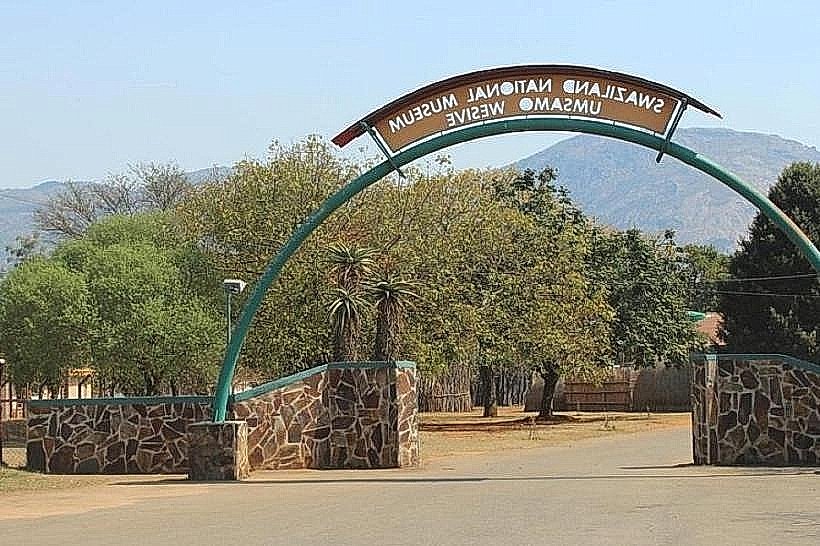
The National Museum of Eswatini is a centralized cultural preservation facility and research institution located in the royal capital of Lobamba, Eswatini. Established in 1972, the complex serves as the primary national repository for the kingdom’s archaeological discoveries, ethnographic artifacts, and natural history specimens.
Visual Characteristics
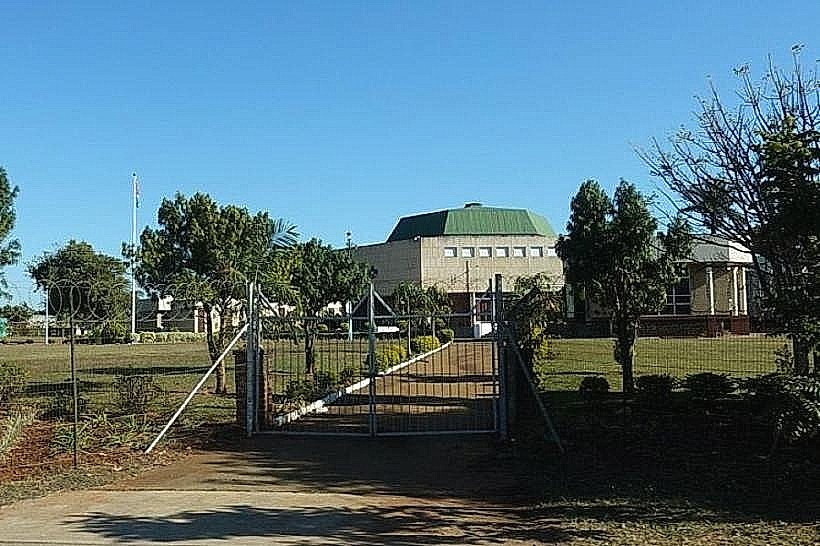
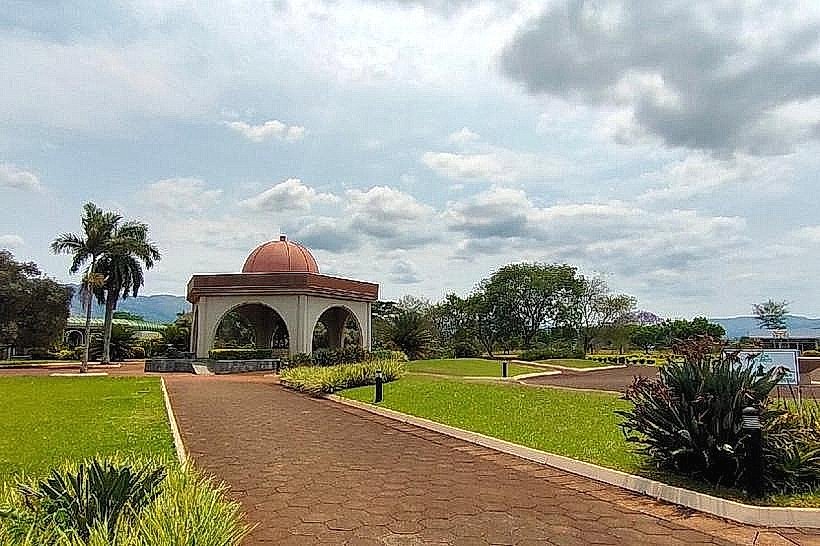
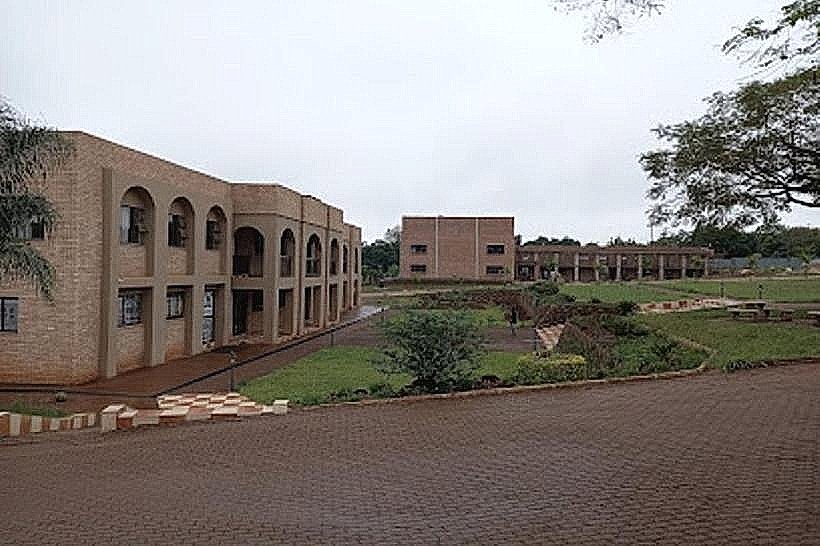
The landmark consists of a single-story functional masonry and concrete complex characterized by long veranda corridors and white-plastered exterior walls under low-slung corrugated iron roof lines. The interior layout features multi-room exhibition halls with polished concrete floors, custom glass display cabinetry, and track lighting panels. The museum grounds include an integrated open-air traditional homestead reconstruction made of timber and thatch, surrounded by gravel paths and bordered by secure perimeter walls.
Location & Access Logistics
The site is positioned directly off the paved MR103 road in central Lobamba, approximately 18 kilometers south of Mbabane and 23 kilometers west of Manzini. Access is direct via the dual-carriageway MR3 highway by exiting onto the MR103 corridor into the institutional zone. Public transport is frequent, with local minibuses (kombis) on the Mbabane-Manzini route dropping passengers within 100 meters of the main entrance gate. A secure, paved asphalt parking lot is available immediately outside the reception building to accommodate private vehicles and tour buses.
Historical & Ecological Origin
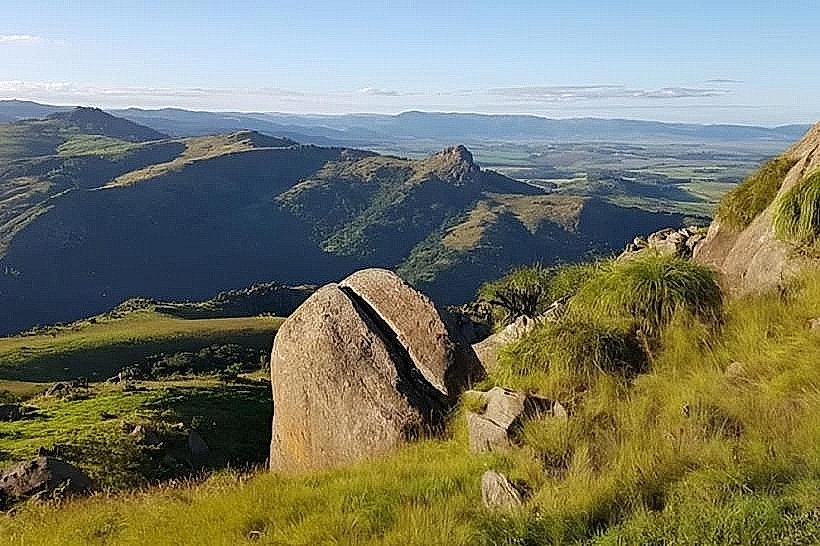
The museum was founded in 1972 by the Eswatini National Trust Commission to prevent the loss of cultural heritage artifacts and to document national history following independence from British protection in 1968. The facility was later expanded to include specialized natural history and contemporary art wings. Geologically, the site occupies a flat alluvial terrace within the Ezulwini Valley floor. The museum’s natural history displays document the complex regional ecology, which ranges from ancient Archean rock systems to diverse Highveld and Lowveld biological zones.
Key Highlights & Activities
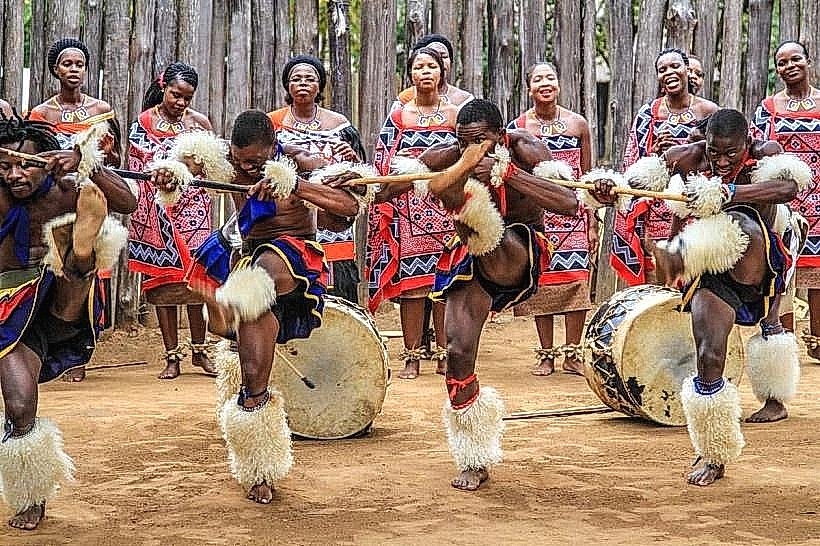
The primary activity is exploring the curated permanent exhibitions, which include Stone Age tools excavated from the Ngwenya Mine, traditional ceremonial attire, and historical photographs detailing the royal lineage. Visitors can enter the outdoor ethnographic display to observe the architectural design of a traditional beehive hut complex. The natural history wing features taxidermy displays of regional fauna and a specialized exhibit on native biodiversity, while the adjoining art gallery hosts temporary showcases of contemporary southern African fine art.
Infrastructure & Amenities
The facility features developed institutional infrastructure, including centralized modern restrooms, indoor electrical lighting setups, and wheelchair-accessible entrance ramps. High-speed cellular network coverage (4G/5G) is completely stable across the indoor galleries and the outdoor traditional village sector due to the site's central location. Entry admissions are processed at a dedicated front desk, and a small museum gift shop sells local historical literature and cultural reproductions, though comprehensive dining services must be accessed at commercial centers nearby.
Best Time to Visit
The museum is open daily from 08:00 to 16:00, with weekday mornings between 09:00 and 12:00 offering the quietest environment for studying the exhibits, free from large weekend tour groups. The dry winter months from May to August are optimal for exploring the outdoor traditional homestead without the interference of high heat or rainfall. Interior photography of the exhibits is restricted, but outdoor architectural and landscape photography is most effective during mid-morning when natural light illuminates the verandas without creating deep shadow lines.
Facts & Legends
The museum houses a critically rare collection of intact 19th-century traditional Swazi royal regalia, which is kept under specialized climate-controlled conditions to prevent the deterioration of organic feathers and hide materials. Local educational guides note that the traditional village reconstruction was built using exact historical engineering measurements, requiring regional master builders to bind the structural saplings using nothing but handmade grass rope, completely excluding modern metal nails or brackets.
Nearby Landmarks
King Sobhuza II Memorial Park - 0.1km West
Parliament Building - 0.5km North
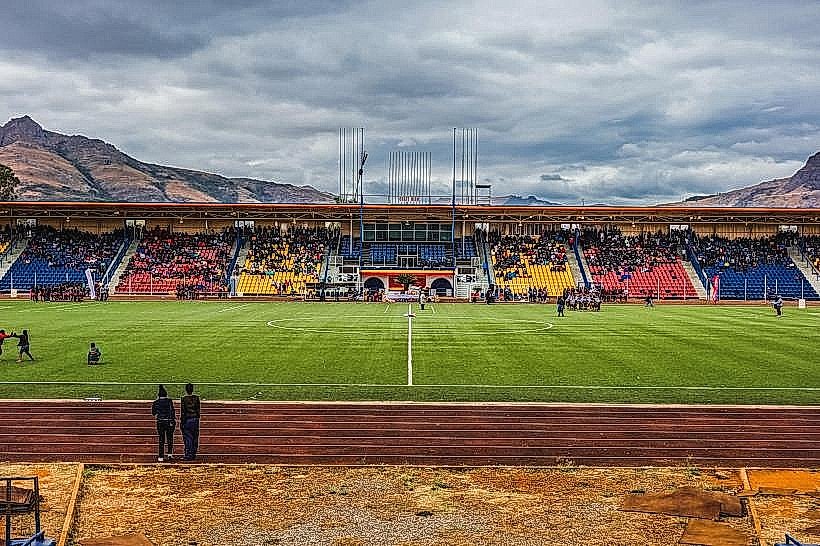
Somhlolo National Stadium - 1.1km East
Ludzidzini Royal Residence - 1.5km West-Northwest
Mantenga Cultural Village - 4.6km Northwest