Landmark: Royal Kraal
City: Lobamba
Country: Eswatini
Continent: Africa
Royal Kraal, Lobamba, Eswatini, Africa
The Royal Kraal, located within the Ludzidzini Royal Village complex in the royal capital of Lobamba, represents the supreme traditional, political, and spiritual sanctuary of Eswatini. The massive circular enclosure serves as the national cattle byre (sibaya), functioning as the physical open-air parliament for traditional governance, state proclamations, and sacred ancestral rituals.
Visual Characteristics
The landmark is a vast, circular open-air arena enclosed by a massive, dense perimeter wall constructed entirely from thousands of interlocking vertical hardwood logs, thick tree branches, and thorn brush. The interior floor consists of packed, unpaved earth that shifts from dry clay to mud depending on seasonal precipitation. The structure lacks any modern architectural roofing or internal columns, presenting a completely open sky profile punctuated by heavy timber heavy-gate entry points that control access into the sacred interior.
Location & Access Logistics
The site is situated within the secure inner core of the Ludzidzini Royal Village, located directly off the paved MR103 road in Lobamba, approximately 19 kilometers south of Mbabane. Access from the capital is achieved via the paved MR3 dual-carriageway, exiting onto the MR103 corridor. Public transport is frequent, with local minibuses (kombis) on the Mbabane-Manzini route dropping passengers within a 10-minute walk of the primary outer village gates. Vehicular parking is strictly limited to unpaved gravel clearings outside the main royal military checkpoints.
Historical & Ecological Origin
The kraal was established in the mid-to-late 20th century under King Sobhuza II as the focal structural node of the new royal capital at Ludzidzini, succeeding older historical kraals in accordance with Swazi dynastic traditions. It was engineered specifically to host the nation's spiritual interactions with ancestral deities during the annual first-fruits and harvest ceremonies. Geologically, it sits on flat alluvial plains within the Ezulwini Valley floor, with its massive wooden walls utilizing thousands of sustainably harvested indigenous hardwood pillars sourced from regional thickets.
Key Highlights & Activities
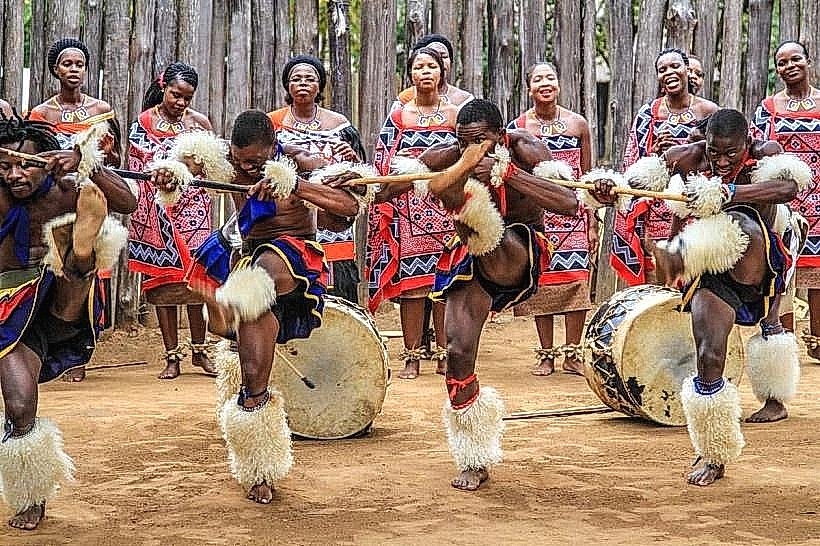
The primary activities are highly restricted national state ceremonies, including the culmination of the Incwala (kingship renewal ritual) and the traditional addresses delivered directly by the King to the nation. During major cultural events, thousands of traditional regiment members gather inside the walls to execute rhythmic chanting and complex group choreography. General tourist activities inside the enclosure are non-existent; entry is strictly prohibited outside of open public ceremonies and requires specific high-level traditional invitation and adherence to custom.
Infrastructure & Amenities
The interior of the kraal contains zero modern infrastructure, utilities, or permanent fixtures; there are no public restrooms, electrical lights, built seating, or water taps inside the wooden walls. High-speed cellular network coverage (4G/5G) is operational across the area due to its location within a high-security state zone, though device usage is strictly banned inside the arena. Paved municipal infrastructure, modern sanitation blocks, and treated water stations are positioned exclusively outside the traditional village perimeter walls.
Best Time to Visit
The kraal can only be entered by the public during major ceremonial windows, primarily during the climax of the Incwala ceremony in late December or early January, and during specific national assemblies called by the monarch. The dry winter months from May to August allow for exterior viewing of the massive log walls from the outer public paths. Photography of the kraal is subject to strict, absolute military prohibitions, and when high-level clearance is granted during festivals, the early morning hours provide the only clear lighting before interior dust clouds rise.
Facts & Legends
Strict customary laws govern the kraal, including an absolute ban on footwear, hats, and modern recording equipment within the enclosure during sacred rites, as the space is considered a living temple where the King integrates with the nation's spiritual foundations. Local tradition holds that the massive wooden walls possess protective properties, and oral histories record that the specific layout of the timber gates was engineered to confuse opposing tribal forces while allowing traditional regiments to exit rapidly during historical conflicts.
Nearby Landmarks
Ludzidzini Royal Residence - 0.2km West
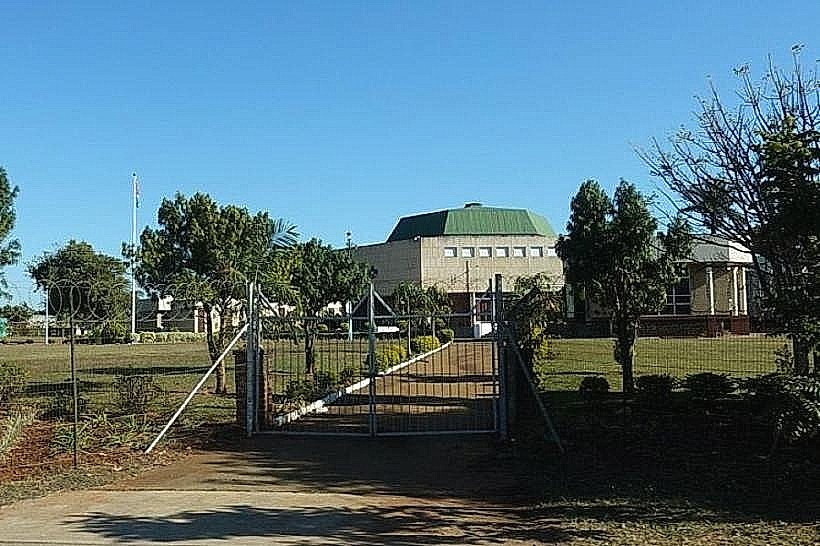
Parliament Building - 1.2km East
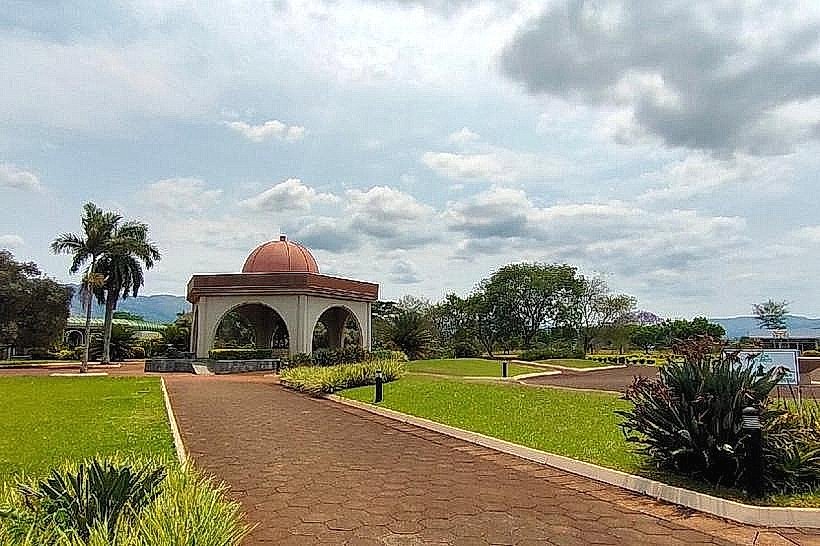
King Sobhuza II Memorial Park - 1.4km East-Southeast
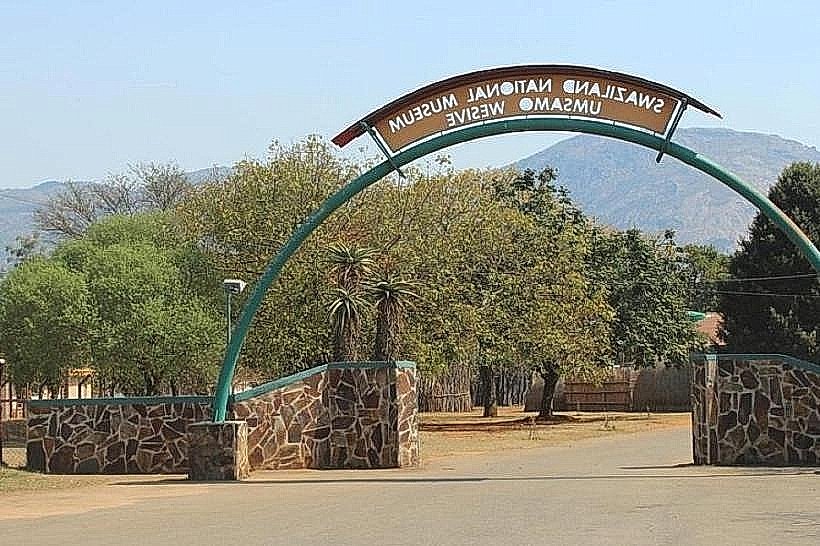
Eswatini National Museum - 1.5km East-Southeast
Somhlolo National Stadium - 2.5km East