Landmark: Mantenga Nature Reserve
City: Lobamba
Country: Eswatini
Continent: Africa
Mantenga Nature Reserve, Lobamba, Eswatini, Africa
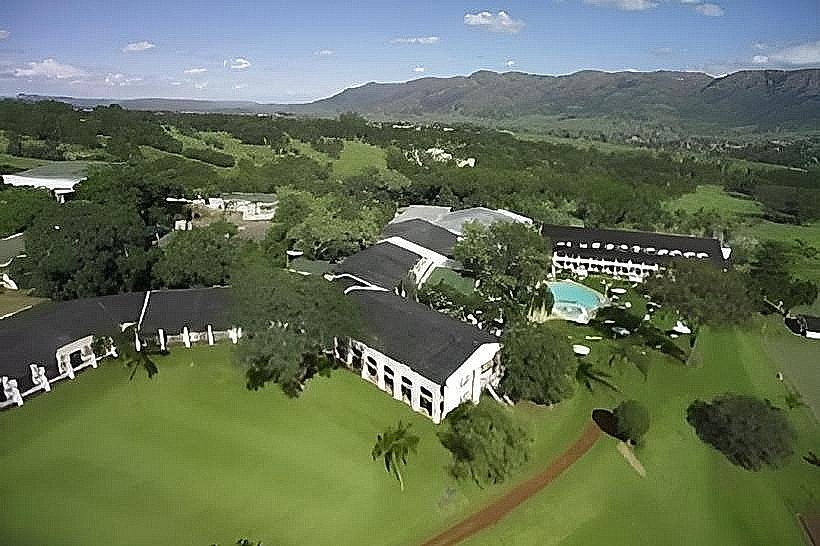
Mantenga Nature Reserve is a protected wilderness area and cultural sanctuary situated in the scenic Ezulwini Valley of northwestern Eswatini. Encompassing 725 hectares of rugged montane terrain, the reserve protects critical midveld habitats, a dramatic river gorge, and the country’s most visited cultural heritage site.
Visual Characteristics
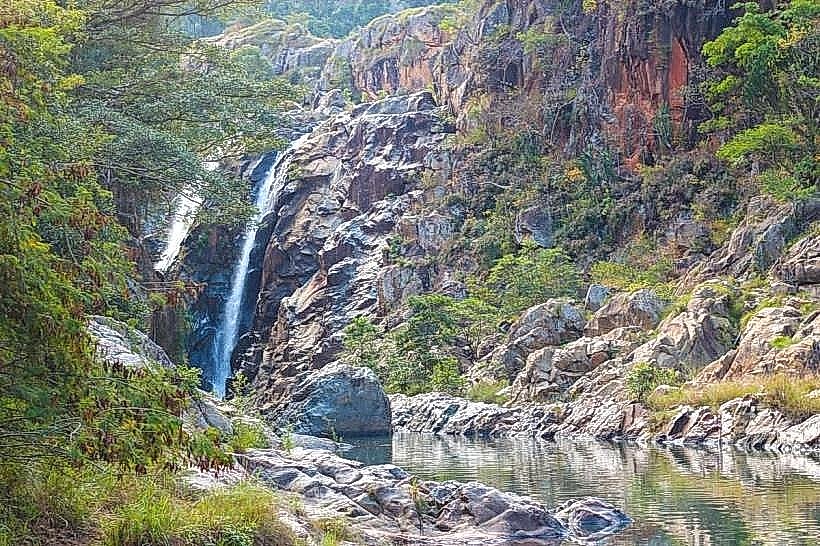
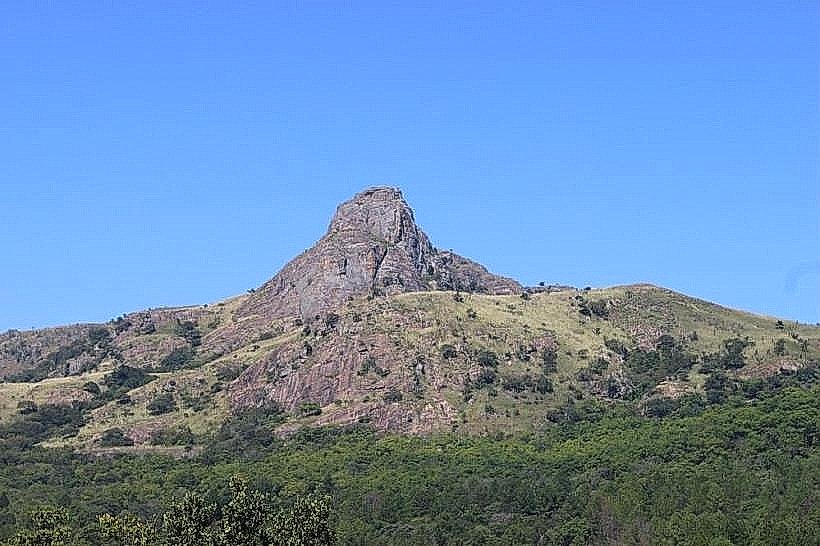
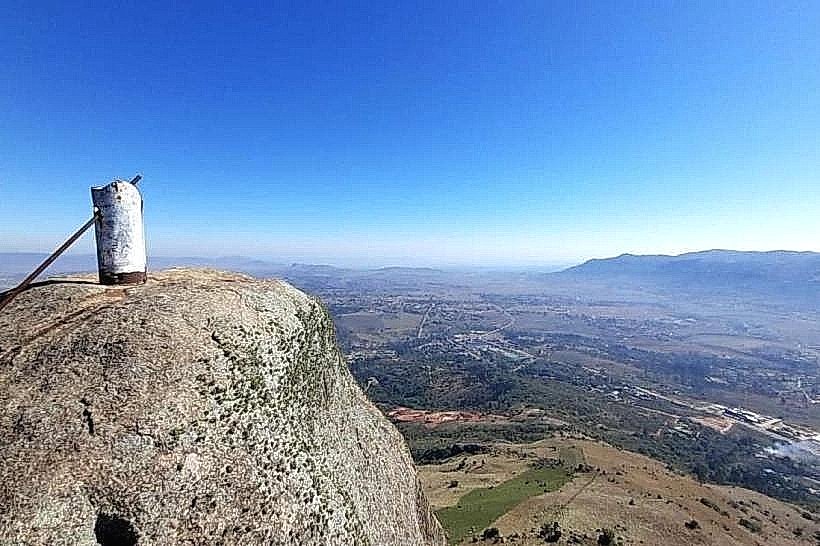
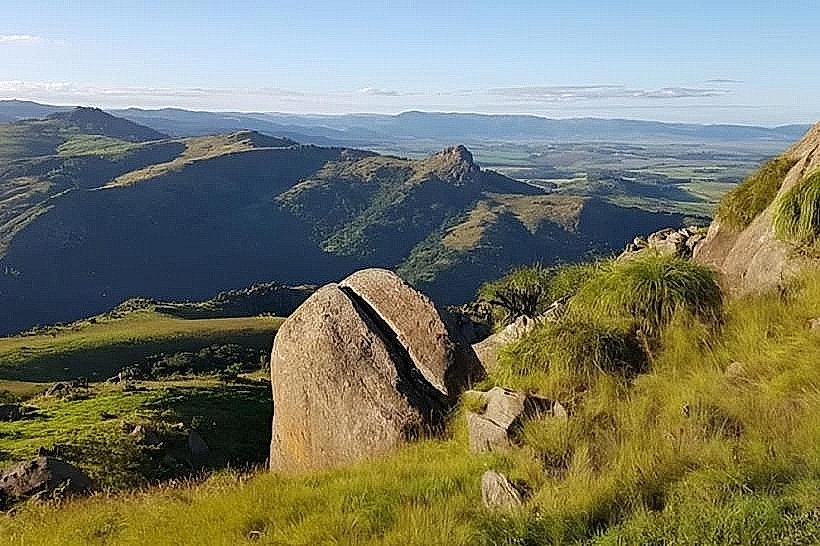
The topography is defined by sharp elevation changes, transitioning from flat valley floors to sheer quartzite cliffs and granite outcrops. The landscape is heavily cloaked in dense, lush riverine forests, mountain bushveld, and patches of high-altitude grassland. The perennial Lusushwana River cuts directly through the reserve, fracturing the rocky terrain before plunging over a massive granite ledge to form the wide, multi-tiered Mantenga Falls.
Location & Access Logistics
The reserve is located approximately 15 kilometers south of Mbabane and 5 kilometers west of the main Ezulwini tourism strip. Access is achieved by turning west off the paved MR103 road onto Mantenga Drive, which transitions into a well-maintained gravel road leading directly to the entry gate. Public transport via local minibuses (kombis) drops passengers along the MR103 junction, leaving a 2-kilometer walk to the reception office. A secure gravel parking lot accommodating private vehicles and commercial tour buses is situated at the main entrance and adjacent cultural center.
Historical & Ecological Origin
Proclaimed a protected area in 1994, the reserve is managed by the Eswatini National Trust Commission to preserve both the localized ecosystem and Swazi cultural traditions. The underlying geology features ancient Archean granite formations that have been deeply incised by the Lusushwana River over millions of years. Ecologically, it serves as a crucial midveld biodiversity hotspot, providing a protected refuge for diverse mammalian species such as vervet monkeys, baboons, rock hyraxes, and various antelope, alongside a rich community of endemic raptors and forest birds.
Key Highlights & Activities
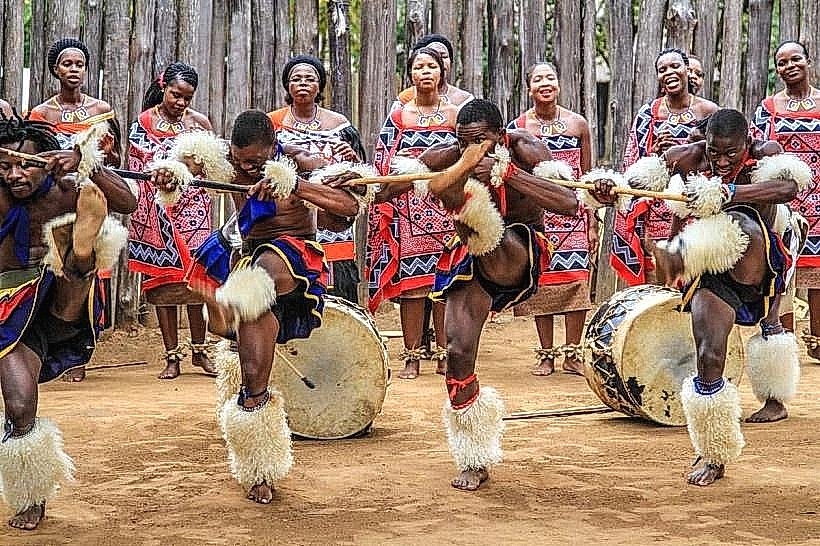
The reserve offers a diverse range of activities, centered around exploring the reconstructed 1850s Swazi Cultural Village where daily traditional dancing and singing performances occur at 11:15 and 15:15. Hiking is popular along a network of well-marked footpaths that lead to the Mantenga Falls viewing decks and wind through the riverine forest. Self-guided mountain biking is permitted on the main vehicular tracks, while birdwatching for rare species like the southern bald ibis and the elusive African finfoot is highly productive along the river banks.
Infrastructure & Amenities
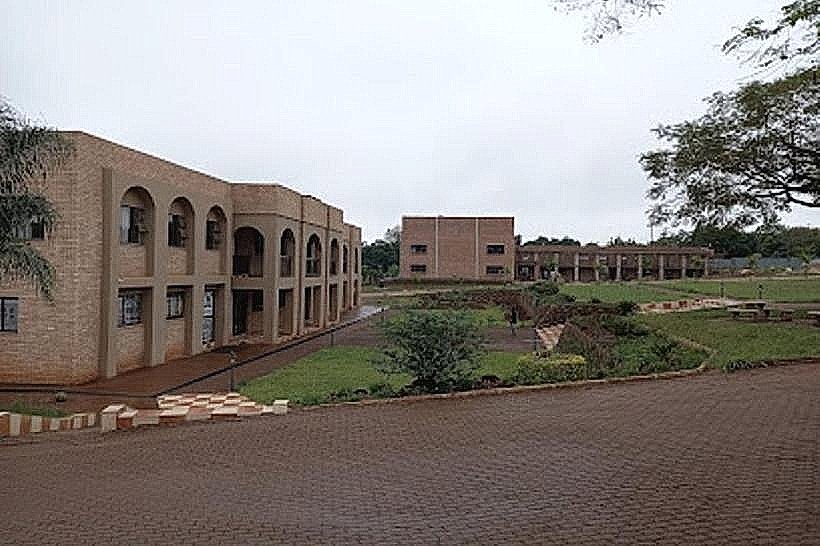
The entry zone is highly developed, featuring a centralized reception building, an interpretation center, clean public restrooms, and a shaded outdoor craft market. A casual restaurant with an open terrace operates near the cultural village, serving light meals and beverages. High-speed cellular network coverage (4G/5G) is stable across the lower valley and main tourist hubs, though signals weaken significantly inside the deeper forested gorges.
Best Time to Visit
The optimal period for wildlife viewing and hiking is during the dry winter season from May to August, when ambient temperatures are mild and the risk of rain is minimal. The early morning hours between 08:00 and 10:00 offer the best natural lighting for photography of the falls and forest trails before midday glare sets in. The summer wet season from November to March causes Mantenga Falls to swell to maximum volume, but visitors must plan around high humidity and regular afternoon electrical storms.
Facts & Legends
The cultural village within the reserve is a living museum composed of exactly 50 traditional beehive huts built entirely from indigenous materials like grass, reeds, and timber poles without a single modern nail. Local folklore surrounding Mantenga Falls warns that the deep pool at the base was historically treated with immense spiritual reverence, as the churning waters were believed to be guarded by powerful river spirits that demanded absolute respect from anyone approaching the banks.
Nearby Landmarks
Mantenga Cultural Village - 0.1km West
Mantenga Lifestyle & Craft Centre - 1.4km East
The Gables Shopping Centre - 2.8km East-Southeast
Ludzidzini Royal Residence - 3.8km Southeast
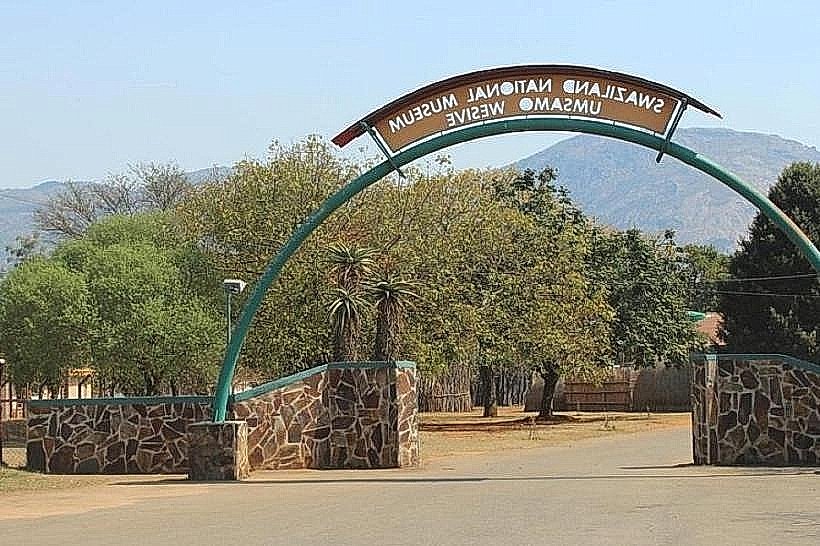
Eswatini National Museum - 4.6km Southeast