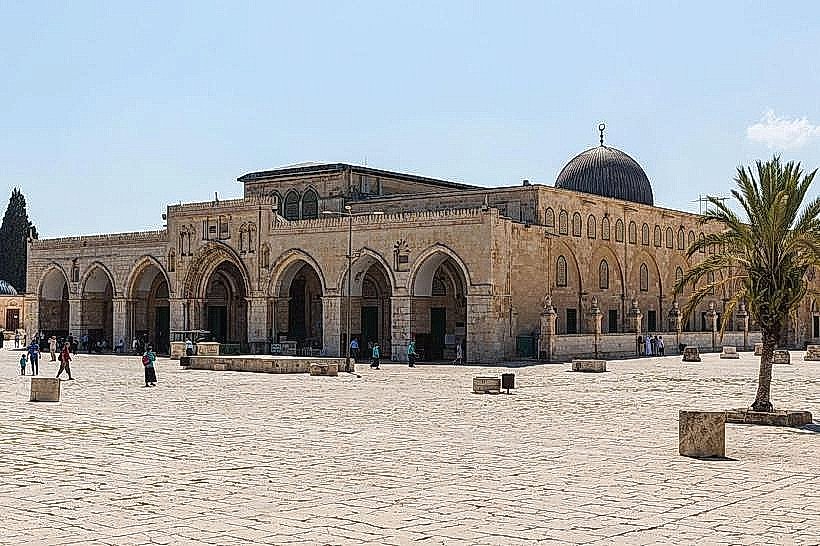
Landmark: Al-Aqsa Mosque
City: Jerusalem
Country: Israel
Continent: Asia
Al-Aqsa Mosque, Jerusalem, Israel, Asia
The Al-Aqsa Mosque is an Islamic religious complex located on the southern edge of the Temple Mount in the Old City of Jerusalem. It serves as a central congregational mosque and is recognized as the third holiest site in Islam.
Visual Characteristics
The building is a rectangular basilica-style structure featuring a silver-lead plated dome and a front facade with seven arched bays. It is constructed from local limestone and marble, with an interior characterized by 121 stained-glass windows and 45 columns made of white marble and stone. The interior walls are decorated with mosaics and inscriptions from the Quran, while the floor is covered with red prayer carpets.
Location & Access Logistics
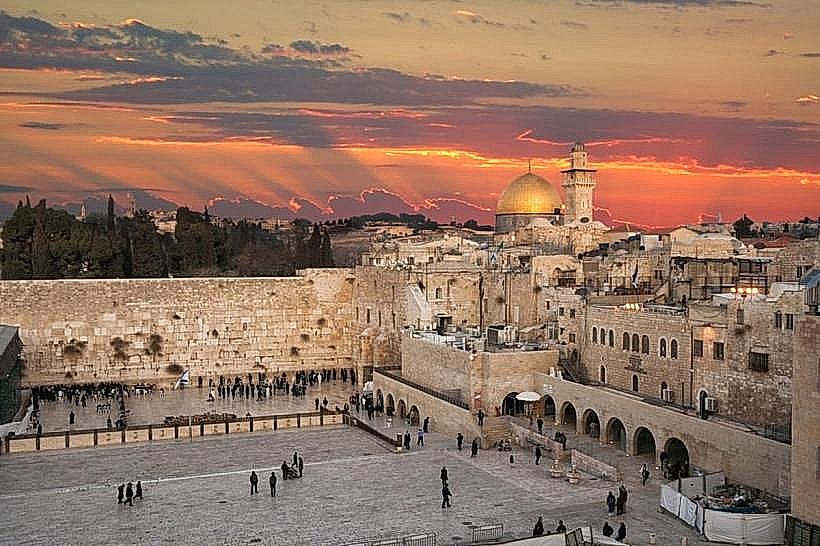
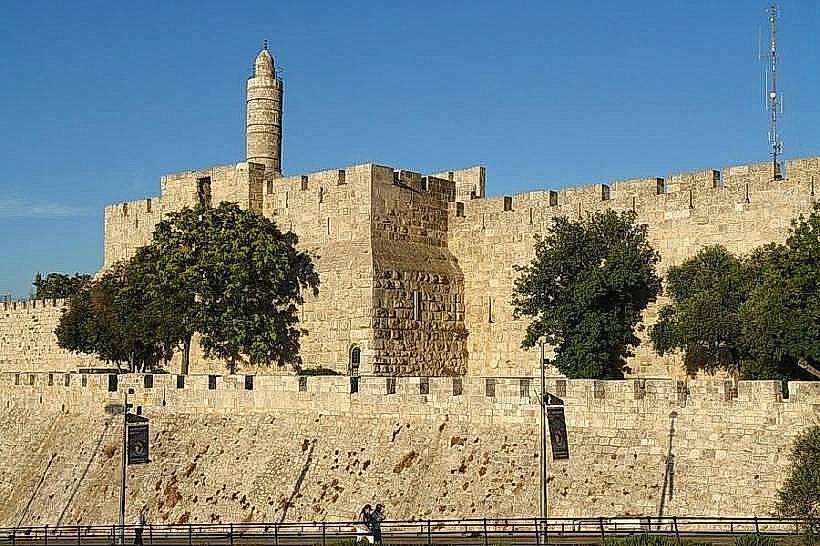
The mosque is situated at the southern end of the Temple Mount plateau. Non-Muslim access is strictly controlled and permitted only through the Moroccan Gate via a wooden ramp starting at the Western Wall Plaza. Access for Muslims is available through various gates, including the Chain Gate and the Cotton Merchants' Gate. The site is a 10-minute walk from the Jaffa Gate or Damascus Gate. No private vehicles are allowed inside the Old City walls.
Historical & Ecological Origin
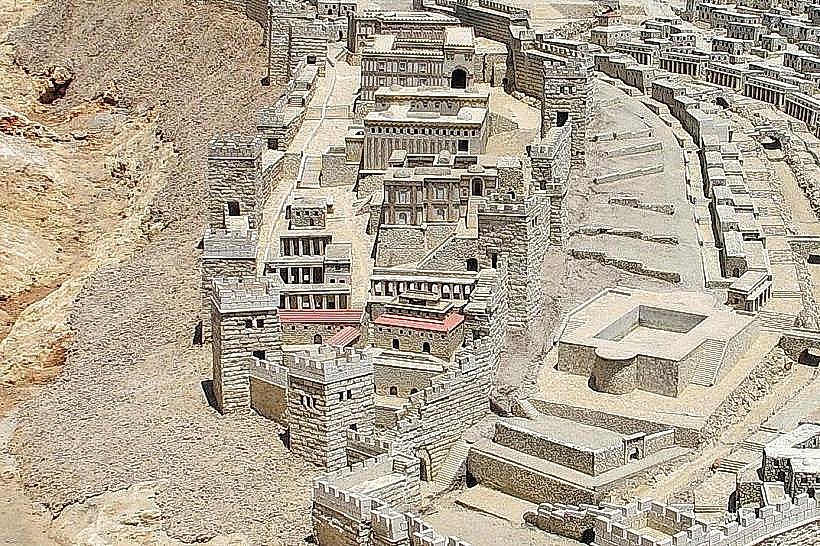
The original structure was a small prayer house established by Caliph Umar, but the monumental mosque was completed by the Umayyad Caliph Al-Walid I in 705 AD. It has undergone multiple reconstructions due to earthquakes, with significant rebuilding occurring under the Fatimid Caliph Ali az-Zahir in 1035 AD. The site sits on a massive artificial platform constructed during the Herodian period over the natural limestone of Mount Moriah.
Key Highlights & Activities
Congregational prayers are held five times daily, with the largest gatherings occurring during Friday noon prayers. Visitors to the compound can view the Al-Kas fountain used for ritual washing and the outdoor stone pulpits. The southern wall of the mosque forms part of the exterior fortification of the Old City. Entry to the interior of the mosque is currently reserved for Muslims only.
Infrastructure & Amenities
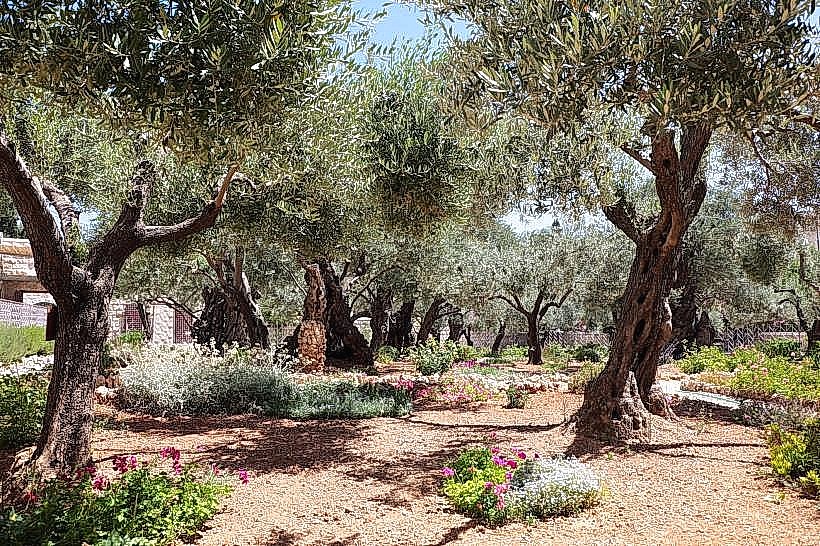
Public restrooms and wudu (ablution) stations are located on the western side of the courtyard. The vast stone plaza has limited cover, but mature cypress and olive trees provide shade in specific sectors. Cell phone signal is generally 4G/5G across the open areas. There are no commercial stalls or food vendors on the platform; visitors must exit the compound to the nearby souks for provisions.
Best Time to Visit
For non-Muslims, visiting hours are typically Sunday through Thursday, 7:30 AM to 11:00 AM and 1:30 PM to 2:30 PM, though these change seasonally and during religious holidays. Early morning provides the clearest light for viewing the silver dome against the city skyline. The site is closed to visitors during the month of Ramadan and on Islamic holidays.
Facts & Legends
During the Crusader occupation of Jerusalem in the 12th century, the mosque was used as a royal palace and known as the "Palace of Solomon." It later became the headquarters for the Knights Templar, who believed the mosque was built on the remains of Solomon’s Temple, leading to the order’s name.
Nearby Landmarks
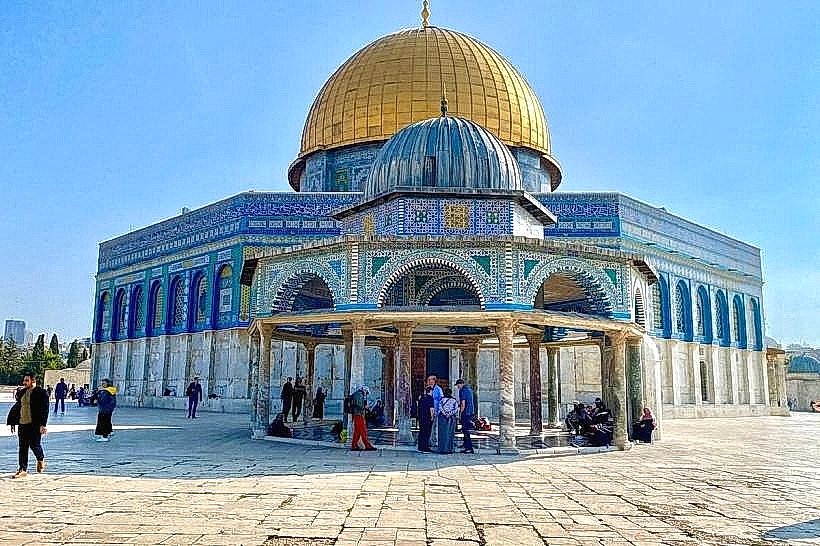
Dome of the Rock – 0.2km North
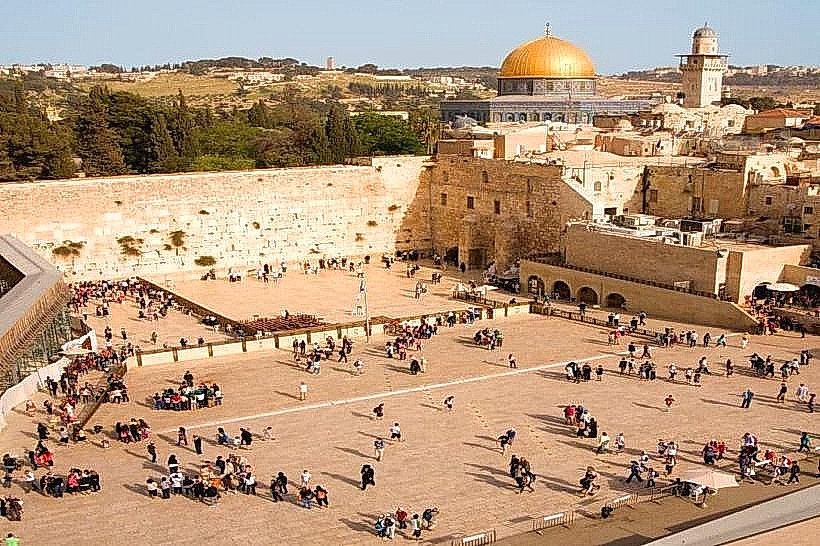
Western Wall – 0.1km West
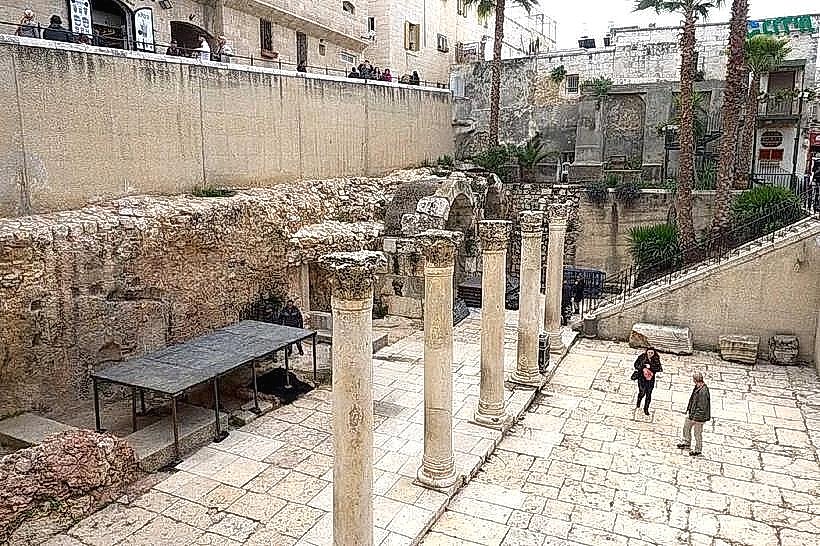
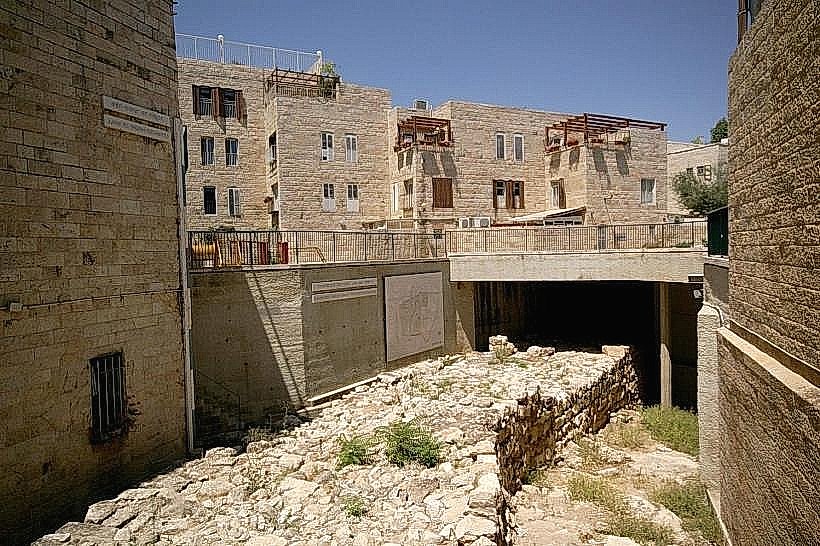
Southern Wall Excavations – 0.1km South
Dung Gate – 0.2km Southwest
Islamic Museum – 0.1km West