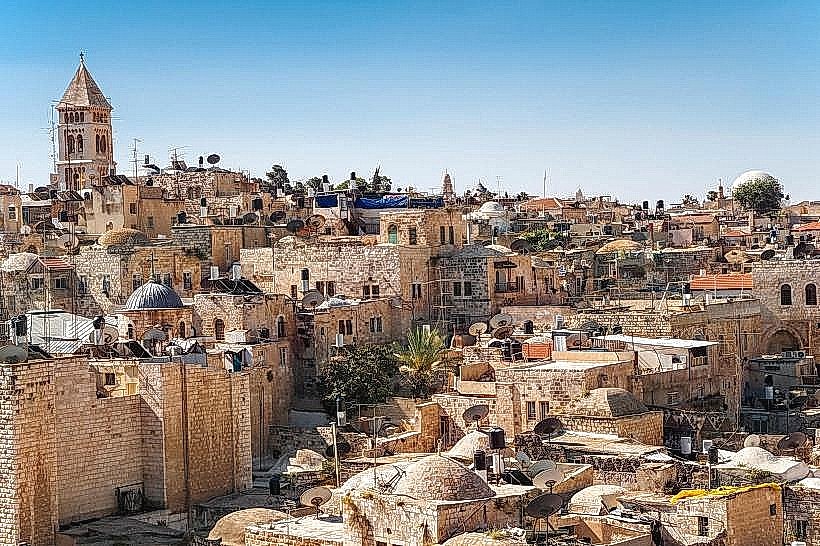
Landmark: Old City of Jerusalem
City: Jerusalem
Country: Israel
Continent: Asia
Old City of Jerusalem, Jerusalem, Israel, Asia
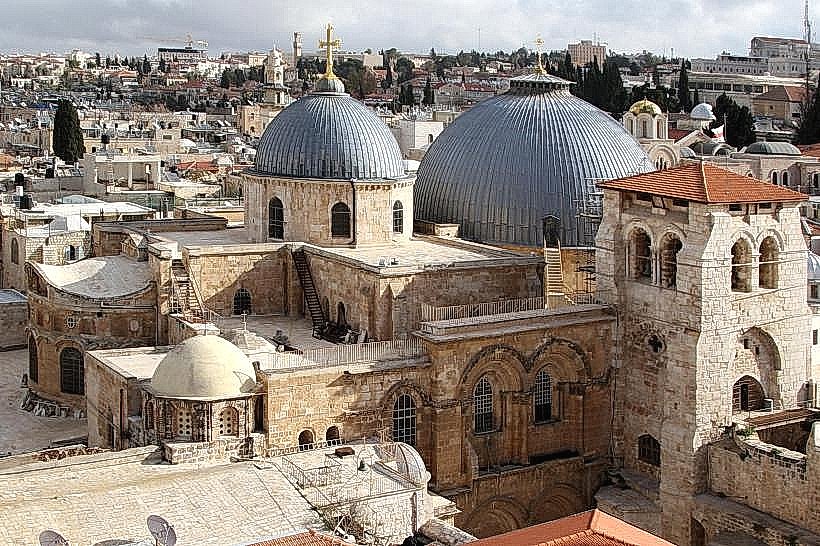
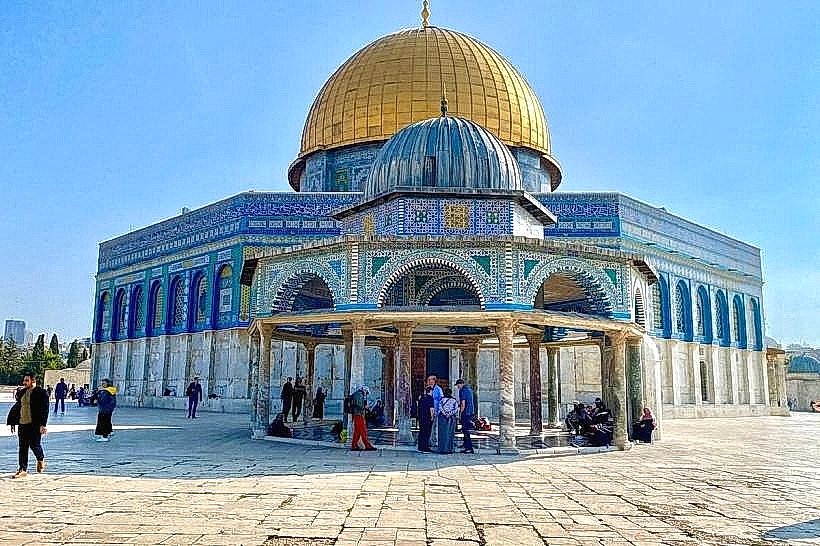
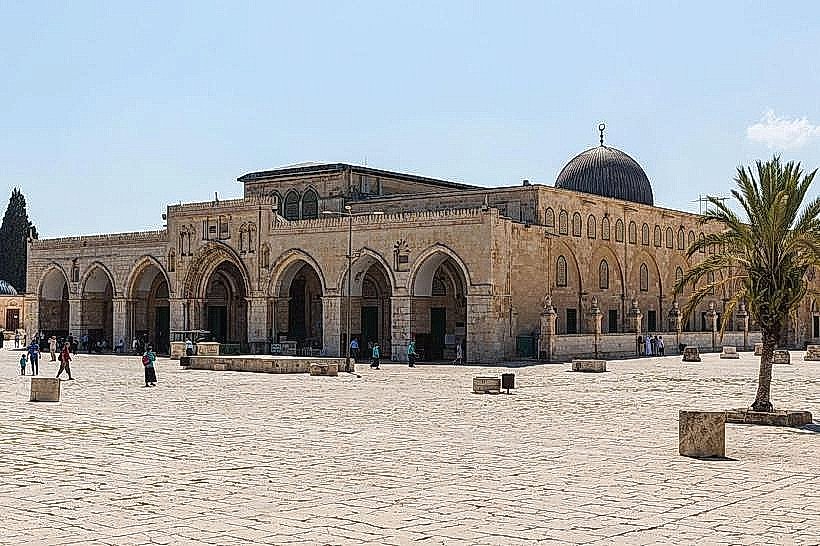
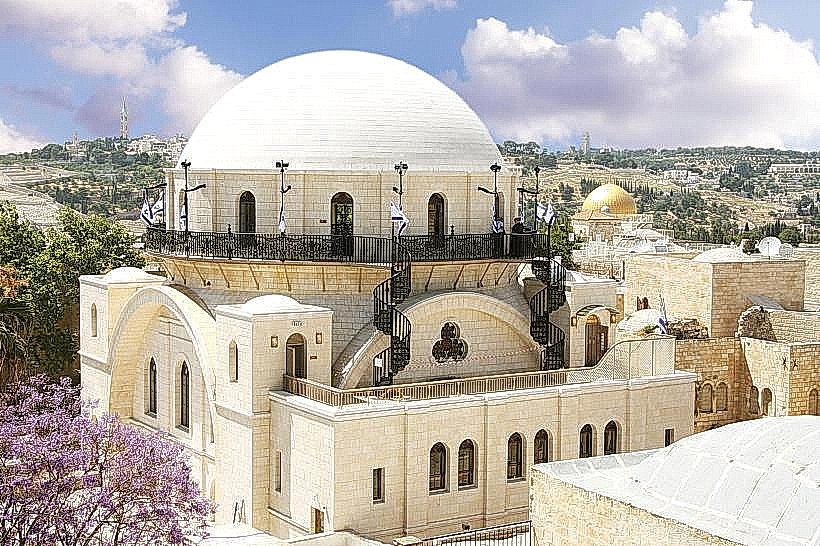
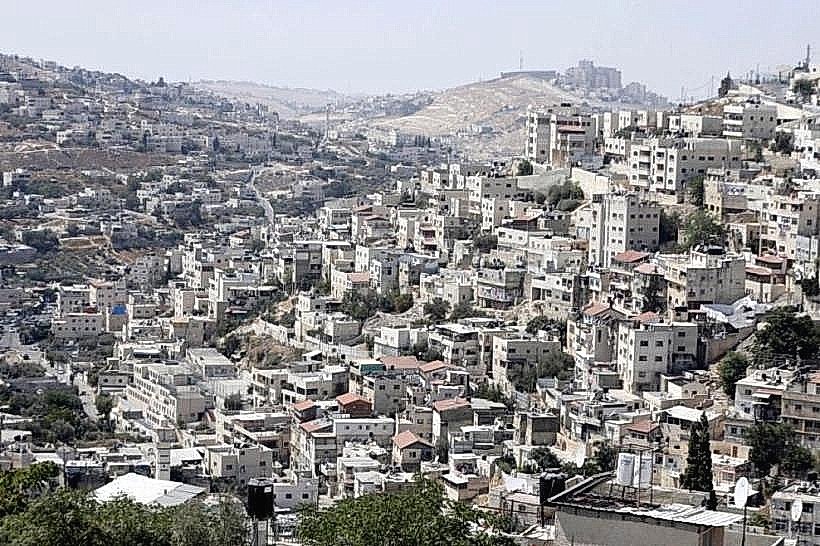
The Old City of Jerusalem is a walled area of 0.9 square kilometers located within the modern city of Jerusalem. It is divided into four distinct quarters-the Jewish, Christian, Muslim, and Armenian Quarters-and contains the most significant religious sites for Judaism, Christianity, and Islam.
Visual Characteristics
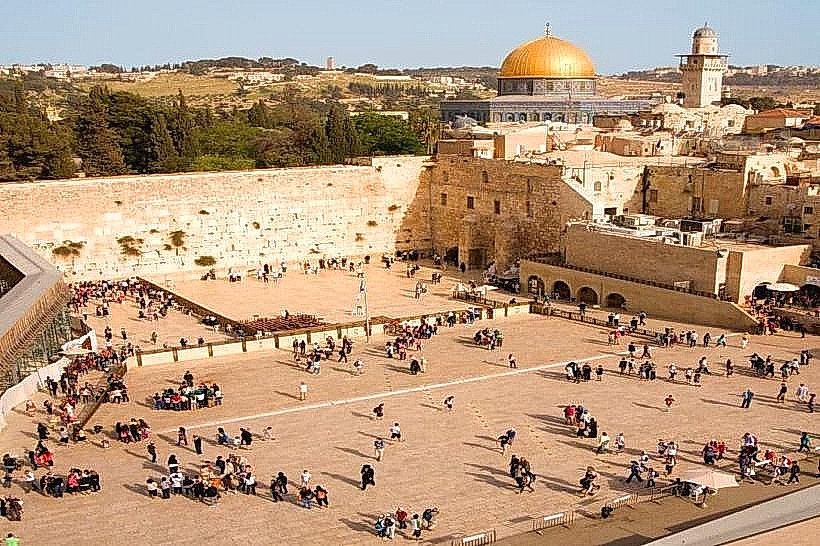
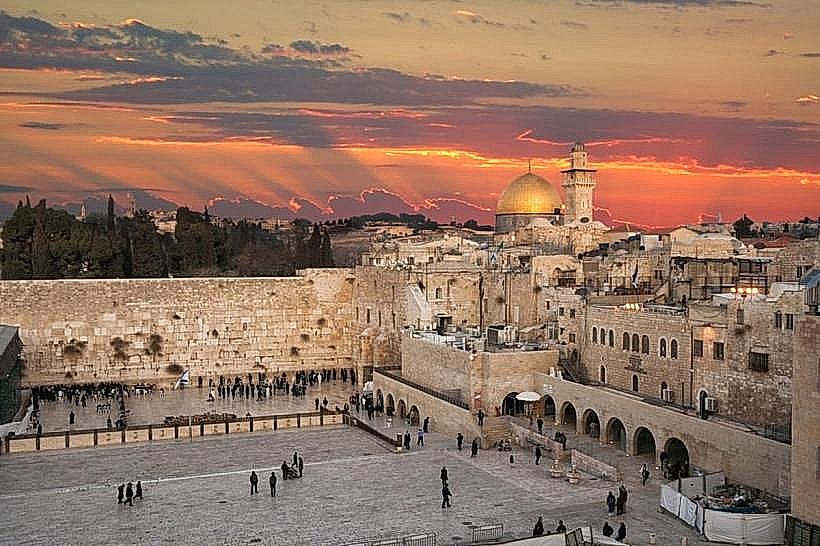
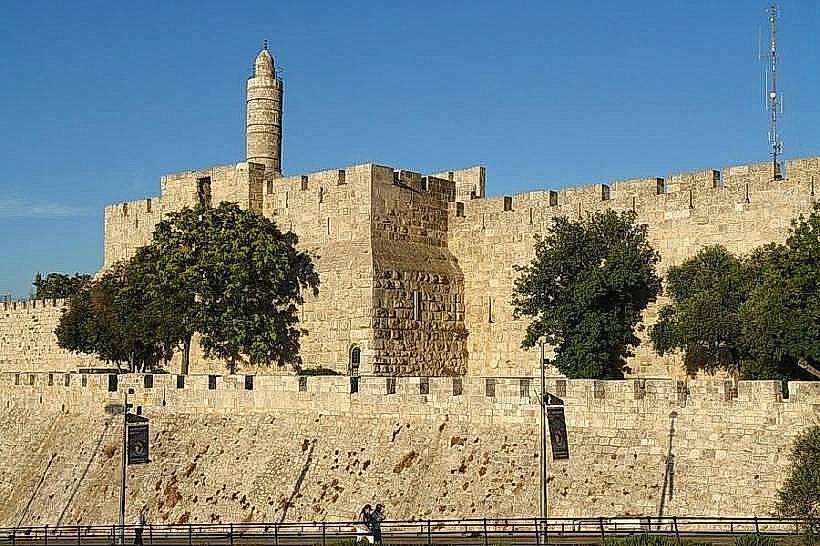
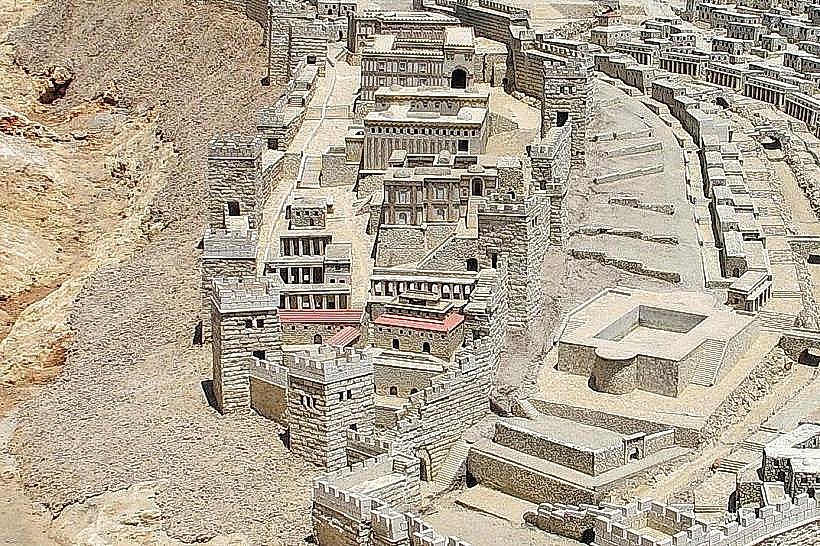
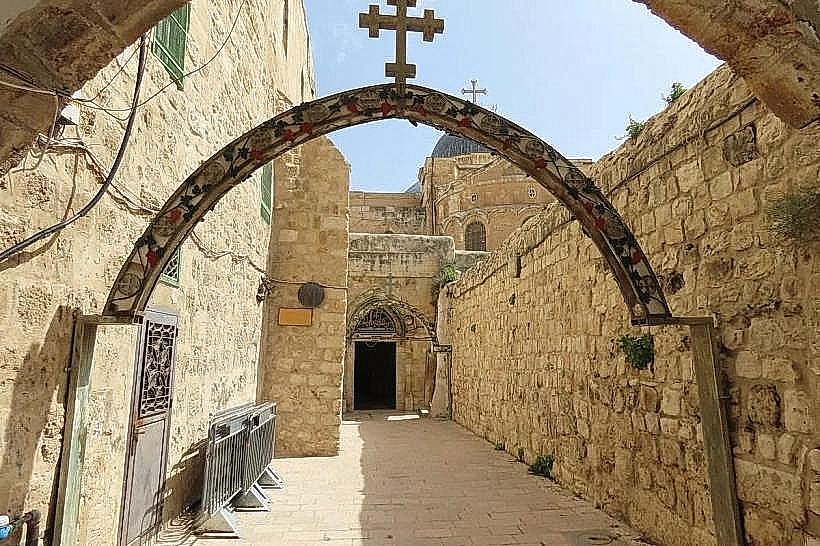
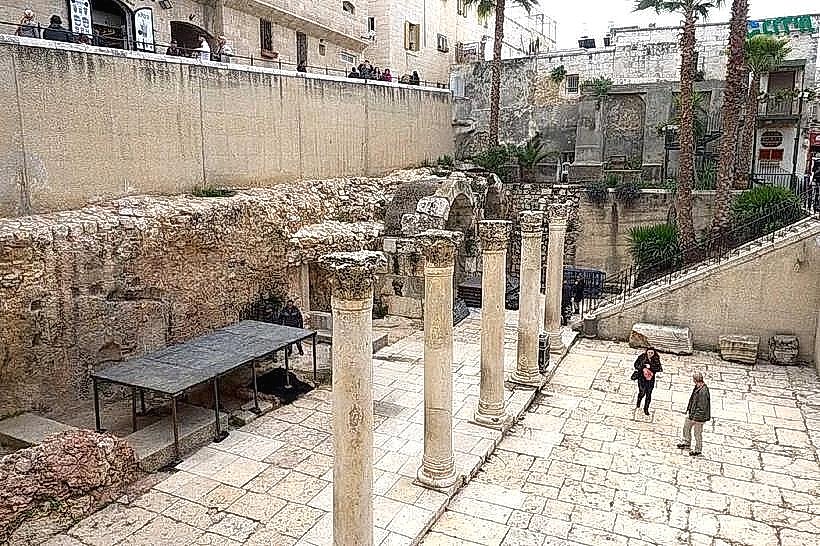
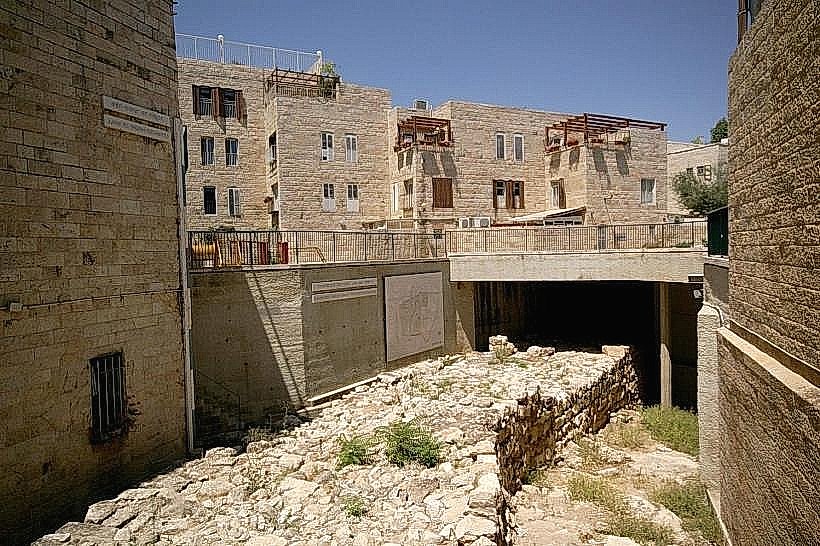
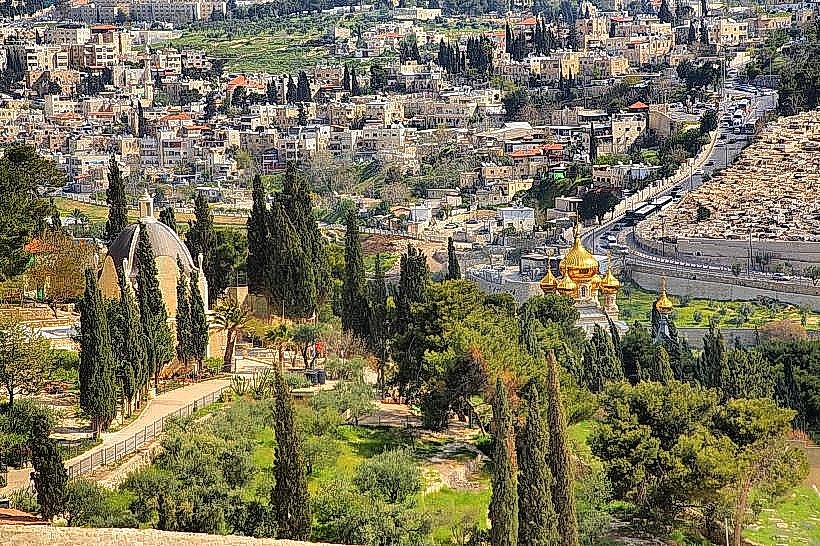
The area is enclosed by fortification walls built of Jerusalem stone, characterized by a pale limestone hue that appears golden at sunset. The walls reach heights of 12 meters and average 2.5 meters in thickness. Internally, the topography consists of narrow, winding limestone-paved alleys, vaulted stone archways, and subterranean archaeological layers. Architectural styles span 3,000 years, including Herodian masonry, Roman cardos, Byzantine mosaics, and Ottoman battlements.
Location & Access Logistics
The site is positioned in East Jerusalem and is accessible through seven open gates, with Jaffa Gate and Damascus Gate serving as the primary entry points. Vehicles are strictly restricted; most navigation occurs on foot. The Jerusalem Light Rail stops at City Hall and Damascus Gate. Paid parking is available at the Mamilla Mall garage or the Karta parking lot near Jaffa Gate.
Historical & Ecological Origin
The current walls were constructed between 1537 and 1541 by the Ottoman Sultan Suleiman the Magnificent. However, the site has been continuously inhabited for millennia, serving as the capital of the Kingdom of Judah in the 10th century BC and later undergoing Roman, Byzantine, Arab, Crusader, and Mamluk rule. Geologically, it sits on two hills-the Temple Mount and the Western Hill-separated by the Tyropoeon Valley.
Key Highlights & Activities
Walking the ramparts is possible via the Walls Promenade, accessible at Jaffa Gate. The Davidson Center offers archaeological tours of the Southern Wall excavations. Visitors can walk the Via Dolorosa, following the traditional path of the Stations of the Cross. Shopping for spices, textiles, and ceramics occurs daily in the Cardo and the Muslim Quarter souks.
Infrastructure & Amenities
Public restrooms are located near Jaffa Gate, the Western Wall plaza, and the Cardo. Shade is abundant in the covered souks but scarce in the large open plazas. Cell phone signal (5G) is generally strong in open areas but drops significantly inside stone structures and underground vaults. Food vendors and water fountains are concentrated in the Christian and Muslim Quarters.
Best Time to Visit
Autumn (September to November) and Spring (March to May) offer the most comfortable temperatures for walking. For photography, the late afternoon "Golden Hour" provides the best illumination for the limestone walls. Monday and Thursday mornings are active at the Western Wall due to Bar Mitzvah ceremonies. Friday afternoons and Saturdays see significant closures in the Jewish Quarter for Shabbat.
Facts & Legends
An eighth gate, the Golden Gate (Mercy Gate), remains sealed with solid stone. According to Jewish tradition, the Messiah will enter through this gate; Ottoman occupiers sealed it and placed a cemetery in front of it in an attempt to prevent this prophesied entry.
Nearby Landmarks
Mount of Olives - 1.2km East
City of David - 0.3km South
Garden Tomb - 0.6km North
Mamilla District - 0.2km West
Mount Zion - 0.4km Southwest