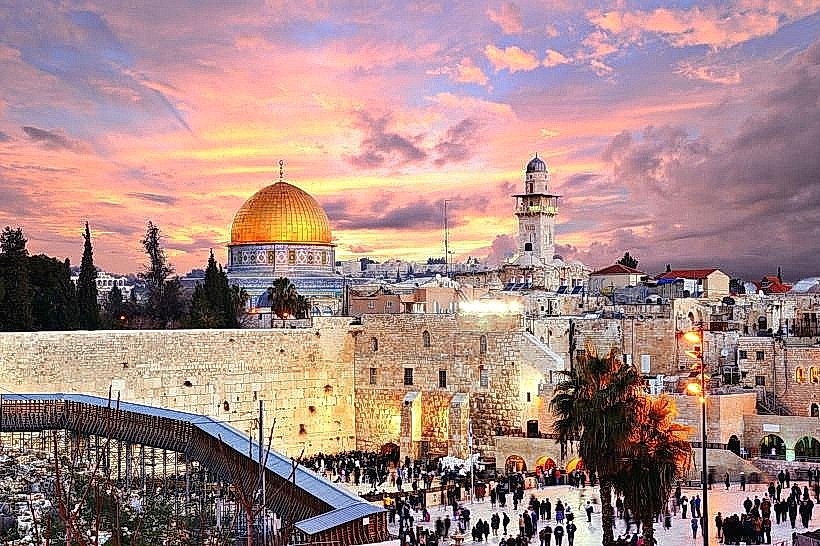
City: Jerusalem
Country: Israel
Continent: Asia
Jerusalem, Israel, Asia
Jerusalem serves as the administrative and political capital of Israel and holds central religious and historical significance for the three major Abrahamic faiths. It is situated in the Judean Mountains between the Mediterranean Sea and the northern tip of the Dead Sea.
Historical Timeline
Jerusalem was founded as a Canaanite city-state around 3000 BCE. Primary eras of governance include the First and Second Temple periods, Roman-Byzantine rule, the Early Islamic period, Crusader occupation, Mamluk and Ottoman eras (1517–1917), the British Mandate, and the post-1948 division and subsequent 1967 reunification. The primary event shaping the current urban form is the 1967 Six-Day War, which led to the unification of East and West Jerusalem and the rapid expansion of outer ring neighborhoods.
Demographics & Population
The total population within city limits is approximately 980,000 residents. The three primary ethnic/national demographics are Jewish (60.4%), Arab/Palestinian (37.5%), and others including Christian and Armenian minorities (2.1%). The median age is 24.2 years, significantly lower than the national average due to high birth rates in the Haredi and Arab sectors.
Urban Layout & Key Districts
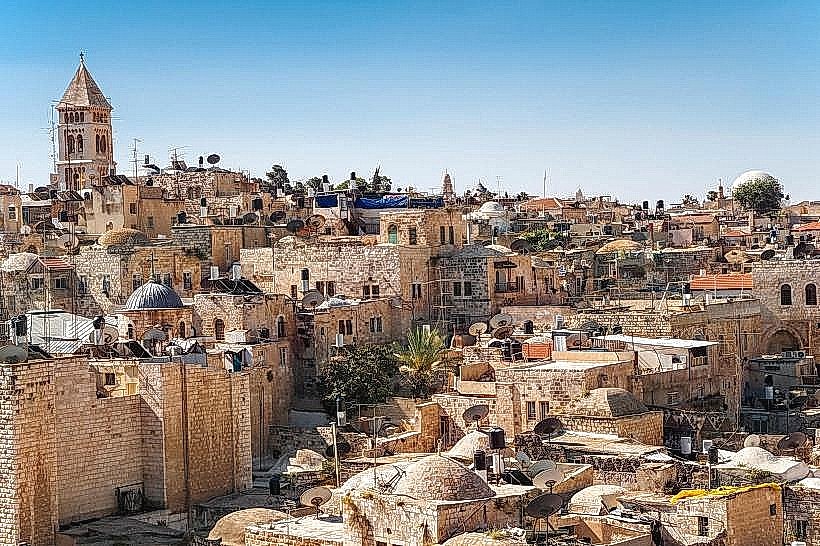
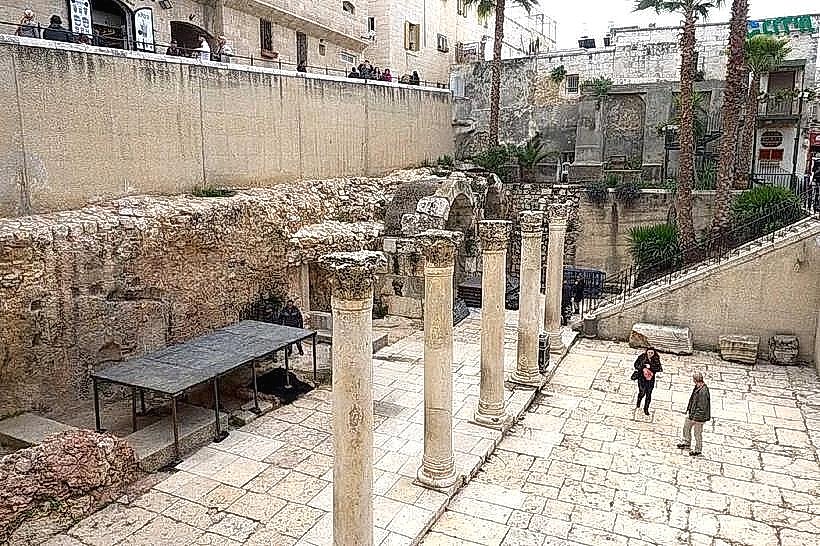
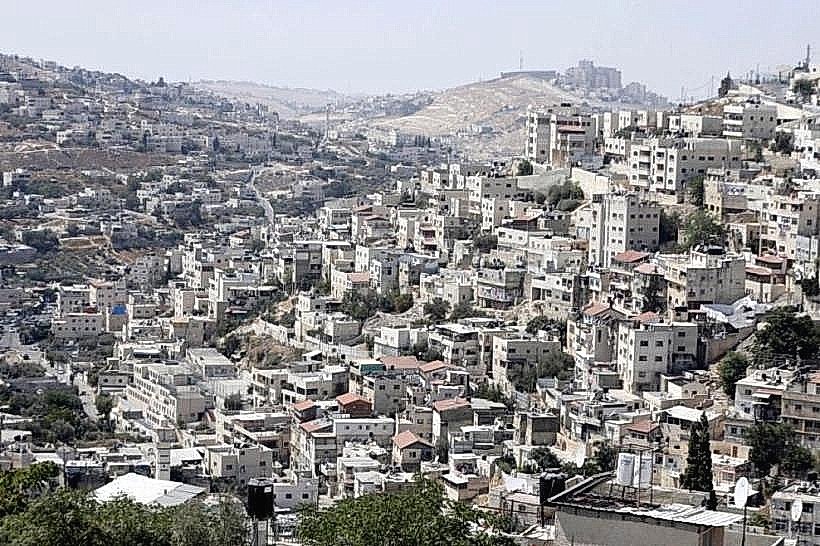
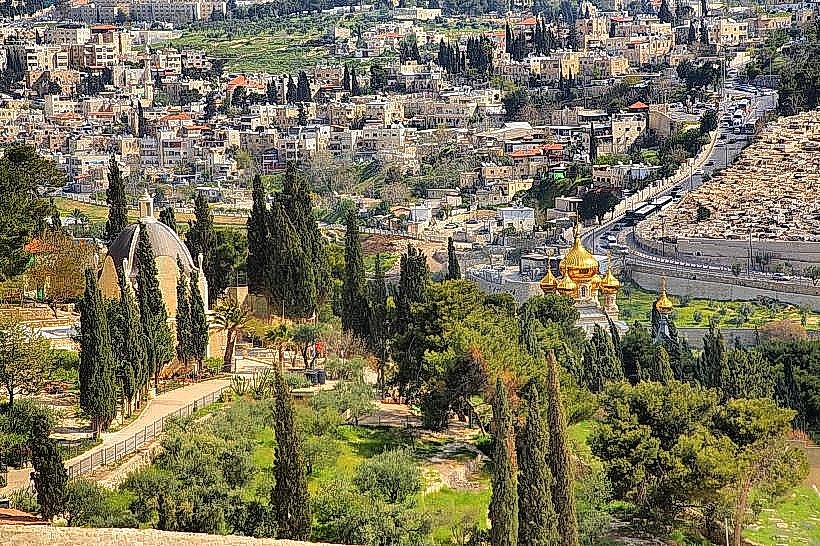
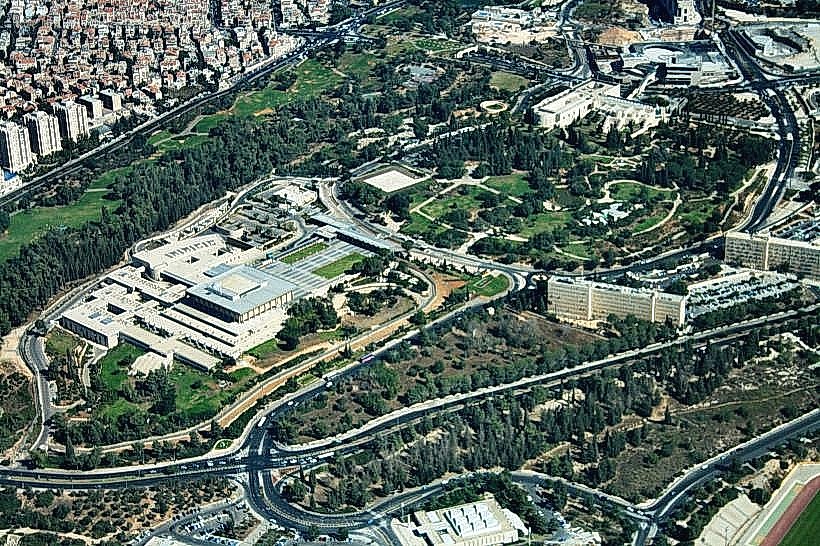
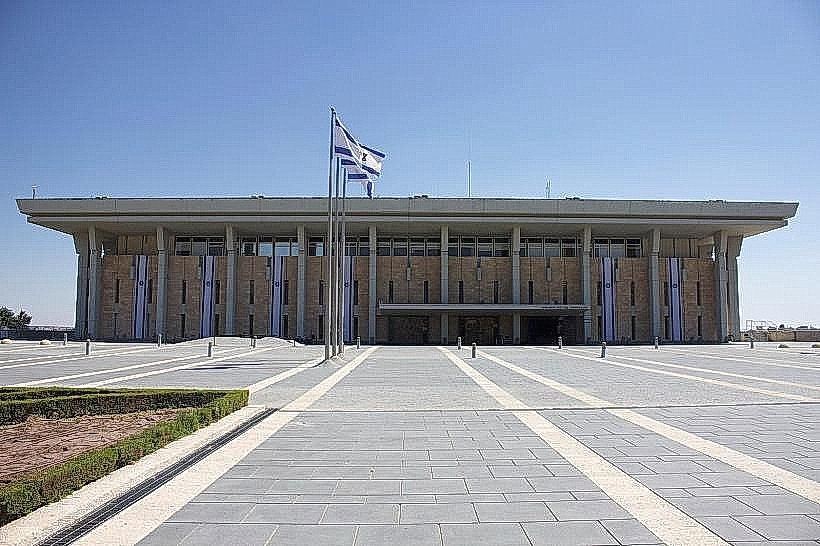
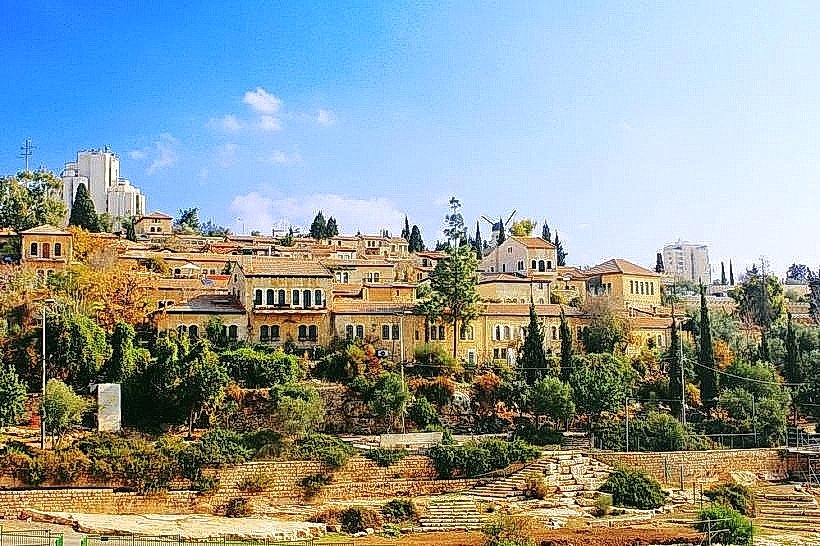
Jerusalem is organized around the Old City, which is enclosed by 16th-century Ottoman walls. The city expands westward into modern Israeli commercial and residential sectors and eastward into predominantly Palestinian neighborhoods. The Historic Center (Old City) sits at the core, while the Central Business District (Jaffa Street/Mamilla) lies immediately to the west. Givat Ram, the government precinct housing The Knesset and Supreme Court, is located to the west of the city center.
Top City Landmarks
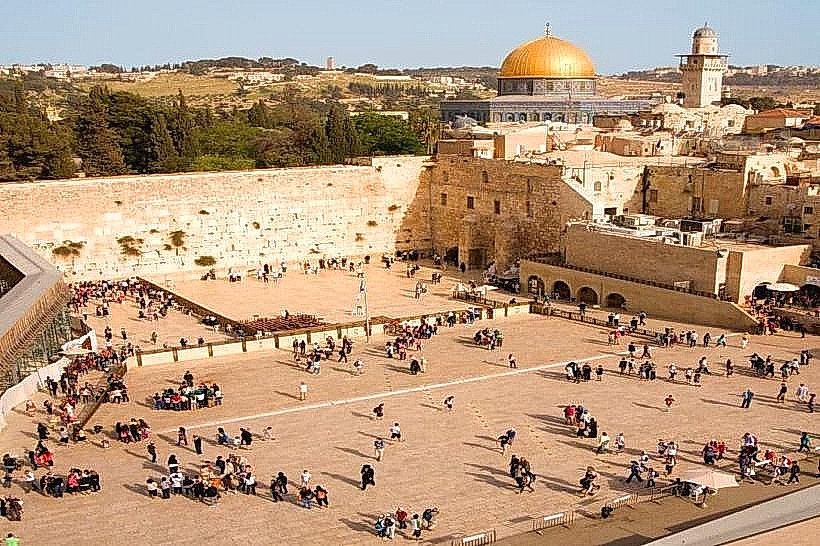
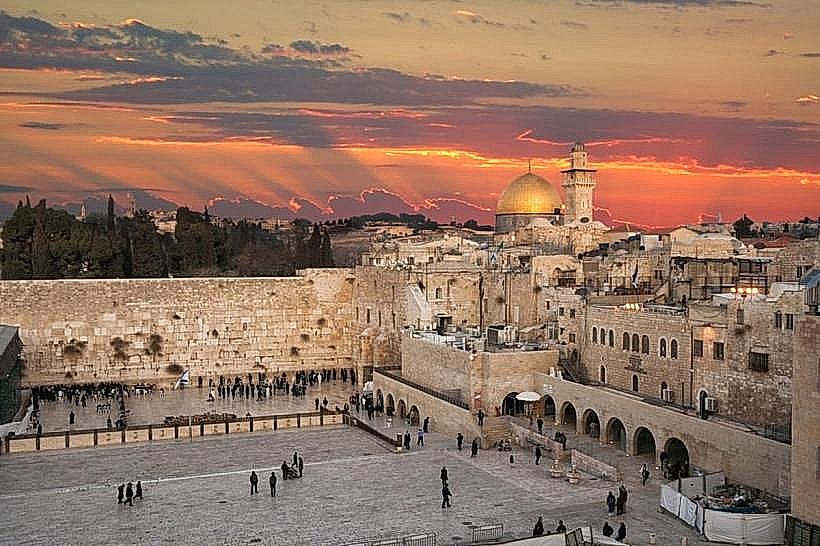
The Western Wall (Kotel)
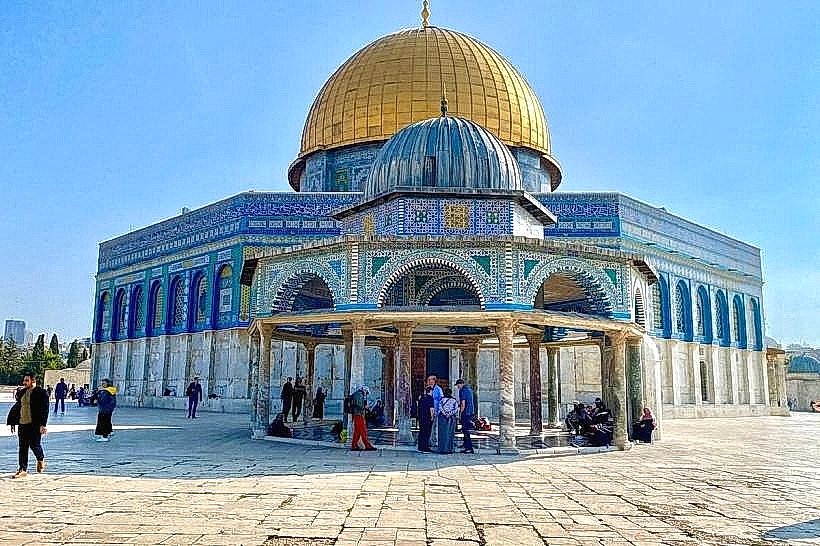
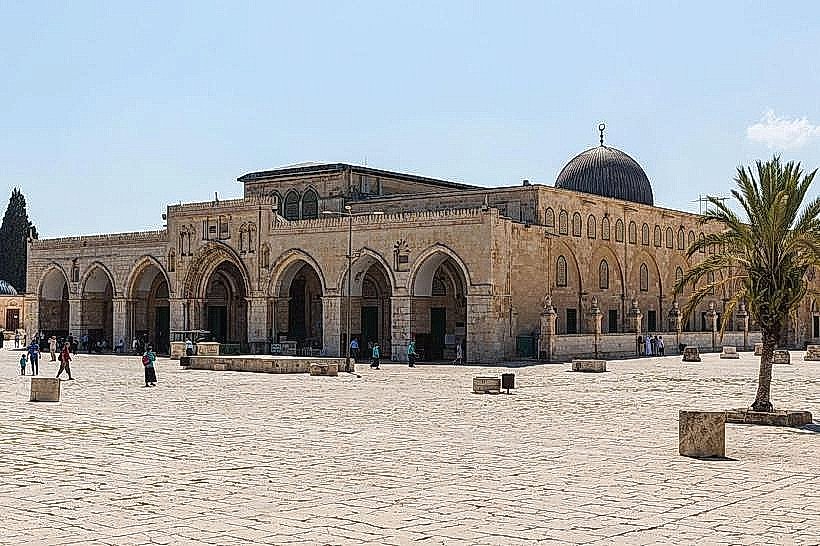
The Dome of the Rock and Al-Aqsa Mosque
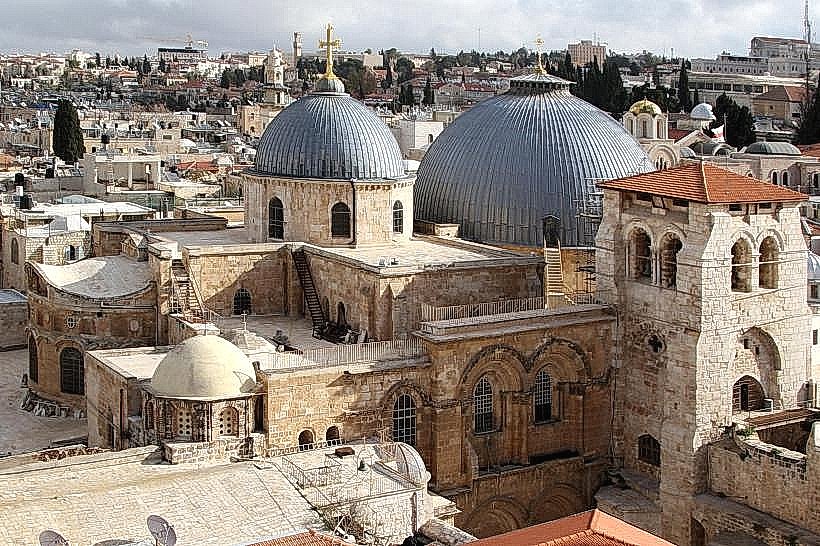
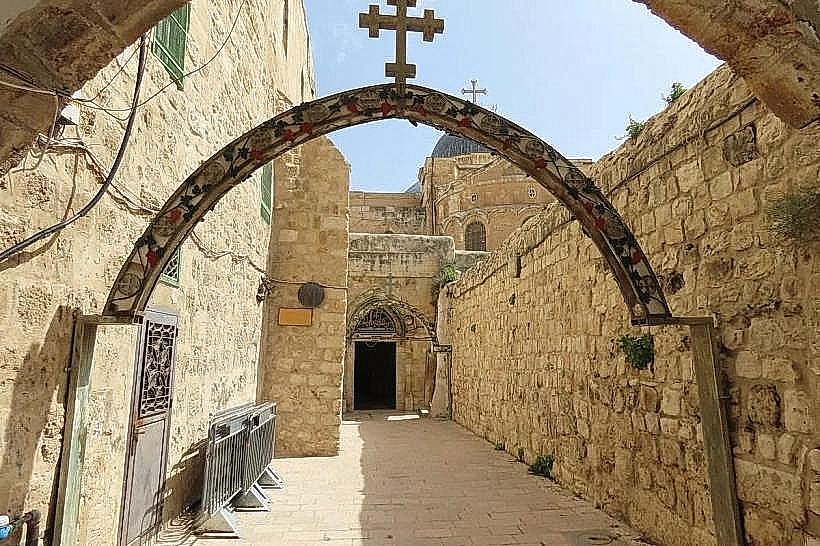
The Church of the Holy Sepulchre
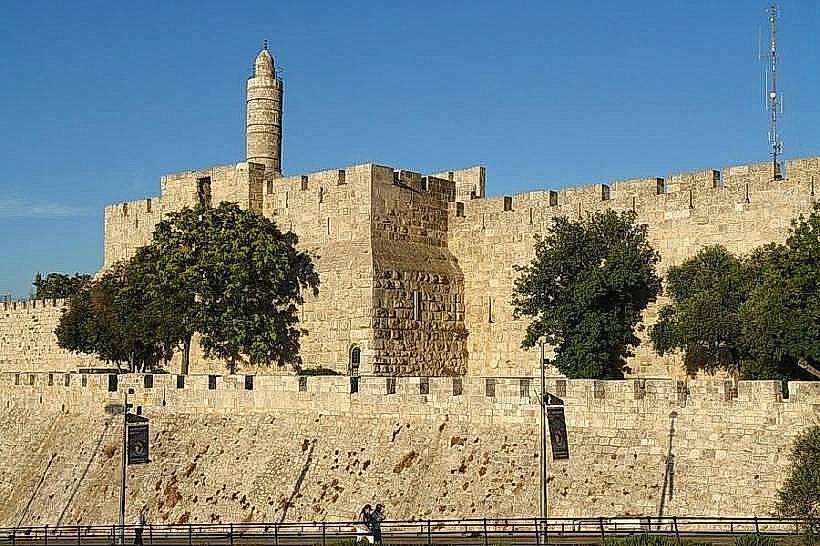
The Tower of David (Jerusalem Citadel)
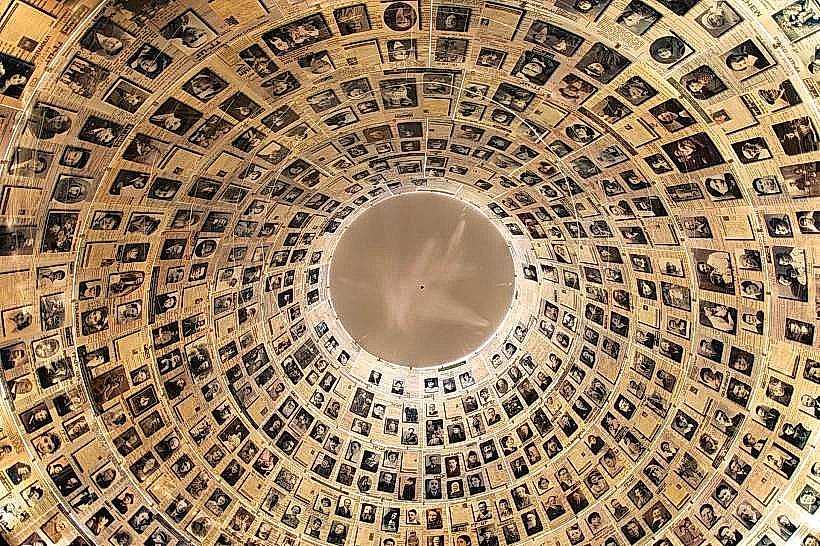
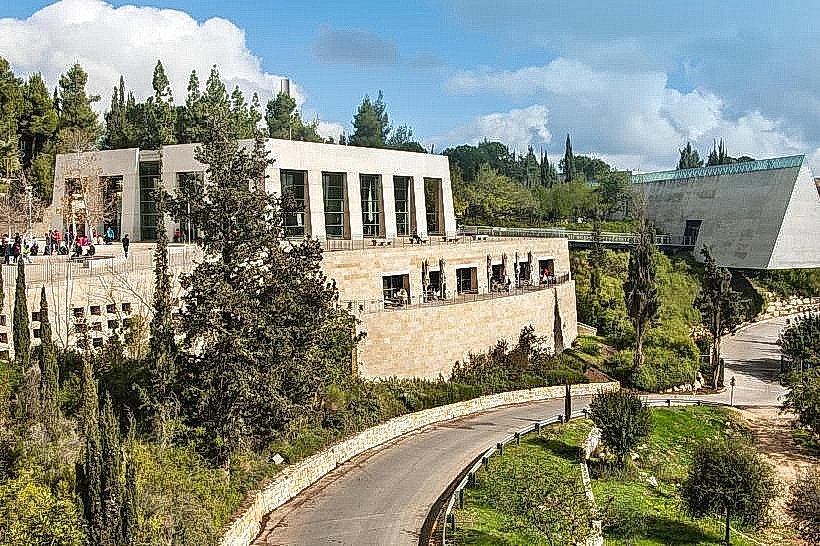
Yad Vashem (The World Holocaust Remembrance Center)
Transportation Network
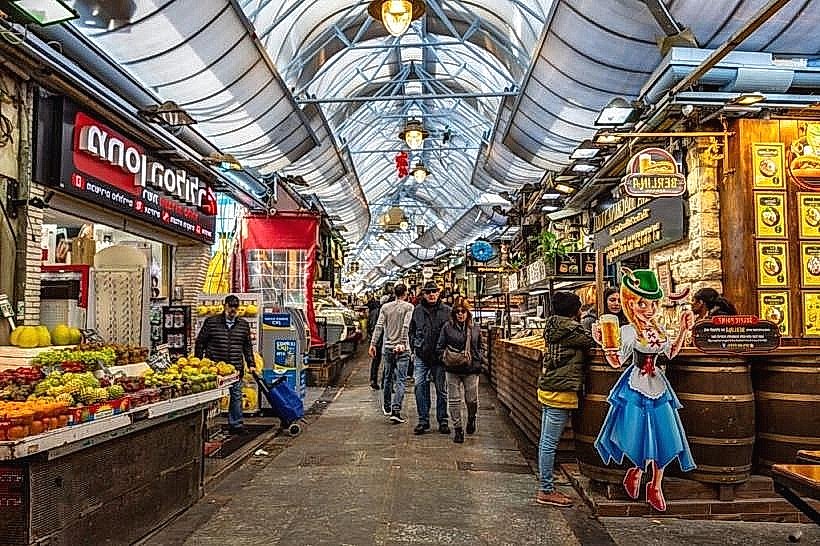
Internal transit relies on the Jerusalem Light Rail (Red Line), which connects Mount Herzl to Hel Ha-Avir. Egged operates the extensive bus network in West Jerusalem, while various private bus companies serve East Jerusalem. Uber and Gett are the primary ride-sharing apps. Official taxis are white with yellow rooftop signs. Traffic density is high, particularly at the city entrance (Route 1) and around the Mahane Yehuda Market.
Safety & "Red Zones"
Jerusalem maintains a high security presence. Tension can escalate in the Old City (specifically the Damascus Gate area) and the neighborhood of Silwan. It is advised to avoid these areas during periods of documented political friction or on Friday afternoons. Common scams include "unofficial" guides at the Old City gates and significantly inflated prices for religious artifacts in the Christian and Muslim Quarters.
Digital & Financial Infrastructure
Average internet speed is 150-200 Mbps via fiber optics. Main mobile carriers are Cellcom, Partner, and Pelephone. Card acceptance is high; contactless payment (Apple/Google Pay) is standard in most shops. ATMs (Kaspomat) are widely available in both West and East Jerusalem.
Climate & Air Quality
Summers (June–August) range from 18°C to 30°C with zero precipitation. Winters (December–February) range from 6°C to 12°C, with occasional snow and heavy rain. Air quality is generally good due to the elevation (754 meters), though desert dust storms (Sharav) occur in spring and autumn, causing temporary spikes in particulate matter.
Culture & Social Norms
Tipping of 10-15% is standard in restaurants. Handshakes are the common greeting, though religious Jews or Muslims may avoid physical contact with the opposite sex. Conservatism is high; modest dress (covering shoulders and knees) is required for all religious sites. Public transportation and most businesses in West Jerusalem cease operations for Shabbat (Friday sunset to Saturday sunset). Smoking is prohibited in indoor public spaces.
Accommodation Zones
Stay in Mamilla for luxury lodging and immediate walking access to the Old City's Jaffa Gate.
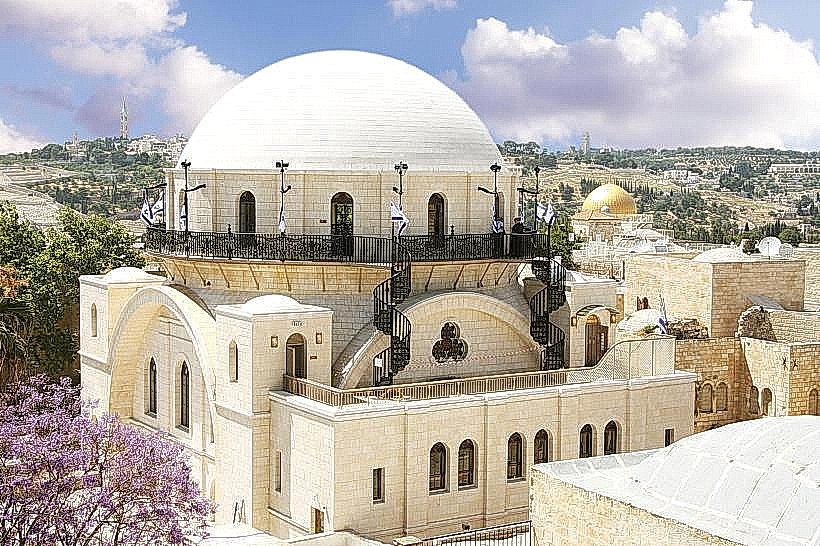
Stay in Rehavia for a quiet, residential atmosphere with proximity to the Great Synagogue and the Israel Museum.
Local Cost Index
1 Espresso: 12 ILS ($3.25 USD)
1 Standard Lunch (Falafel/Hummus): 45 ILS ($12.00 USD)
1 Metro/Bus Ticket: 5.50 ILS ($1.50 USD)
Nearby Day Trips
The Dead Sea / Ein Gedi (45 km)
Masada Fortress (100 km)
Bethlehem (10 km)
Jericho (30 km)
Facts & Legends
A recurring psychological phenomenon known as "Jerusalem Syndrome" affects approximately 50–100 tourists annually. It involves visitors arriving in the city and developing religiously themed delusions or psychoses, often believing themselves to be biblical figures such as King David, the Virgin Mary, or John the Baptist. Most cases resolve quickly after the individual leaves the city limits.