Landmark: Cardo
City: Jerusalem
Country: Israel
Continent: Asia
Cardo, Jerusalem, Israel, Asia
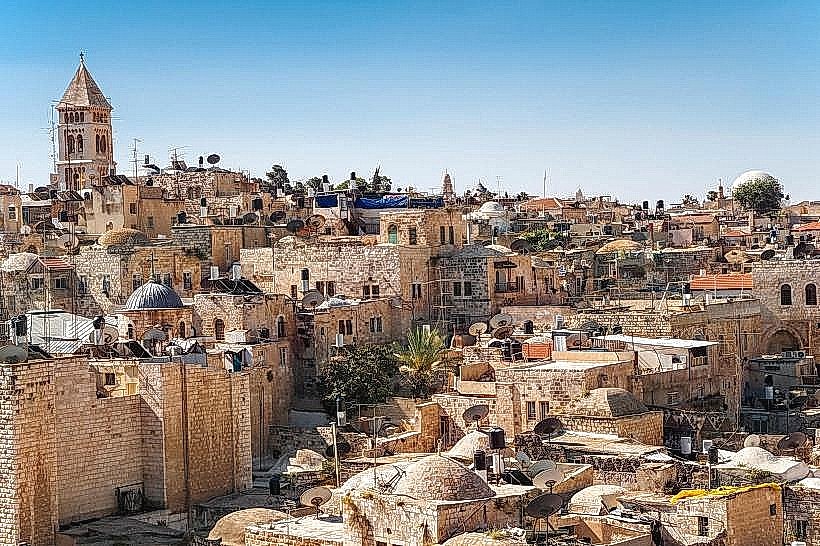
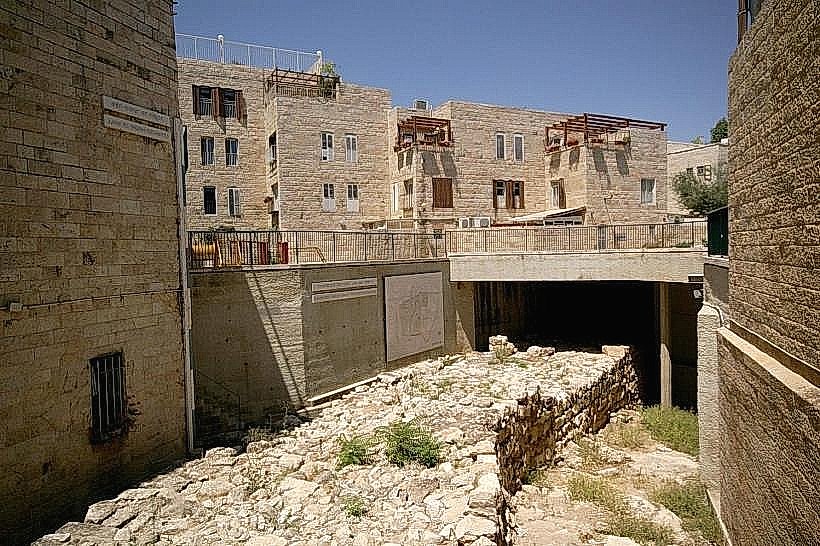
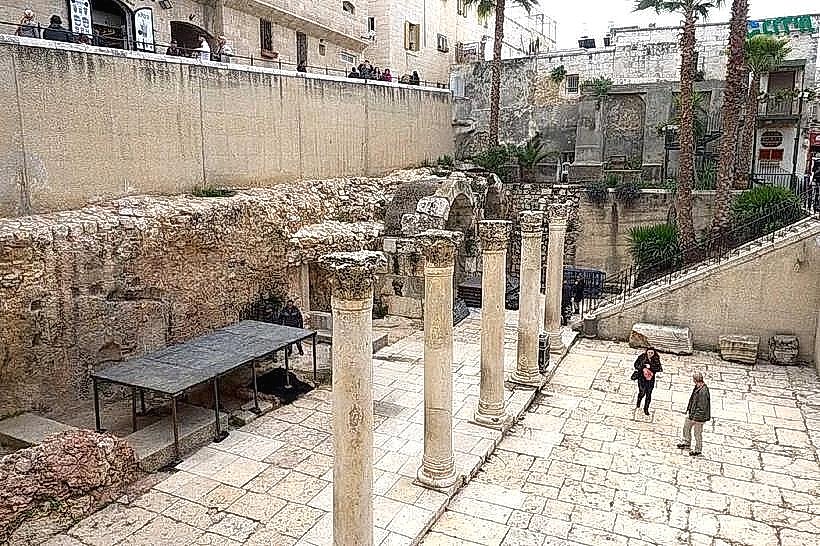
The Cardo is an excavated ancient Roman thoroughfare situated in the Jewish Quarter of the Old City of Jerusalem. It functioned as the primary north-south artery of the city during the Byzantine period, extending from the Damascus Gate to the Zion Gate.
Visual Characteristics
The site features a wide promenade paved with heavy limestone slabs and lined with monolithic stone columns topped with Corinthian capitals. The southern section is roofed by restored stone arches, while the northern Byzantine portion is subterranean, characterized by excavated storefronts and a large-scale mural depicting ancient market life.
Location & Access Logistics
The main entrance is located on Cardo Street within the Jewish Quarter. Pedestrian access is available via the Zion Gate or by descending from the Jewish Quarter Plaza. The nearest vehicle drop-off is at the Zion Gate parking area, approximately 250 meters away. Public transport users can take Egged bus lines 1 or 3 to the Western Wall and walk approximately 10 minutes uphill.
Historical & Ecological Origin
The northern section was originally constructed by the Romans in the 2nd century CE under Emperor Hadrian as part of Aelia Capitolina. It was significantly expanded southward by the Byzantines in the 6th century CE during the reign of Emperor Justinian to accommodate the influx of Christian pilgrims.
Key Highlights & Activities
Visitors can walk the length of the colonnaded street and view a detailed 6th-century mosaic reproduction of the Madaba Map. The southern section remains a functional commercial area with modern jewelry, art, and Judaica shops integrated into the ancient vaulted bays.
Infrastructure & Amenities
The northern archaeological area is partially outdoors but sheltered by surrounding buildings, while the shopping area is fully covered. Restrooms and cafes are located in the adjacent Hurva Square. 4G/5G cell signal is reliable throughout the open-air sections and functional within the vaulted shopping corridor.
Best Time to Visit
Mid-morning is optimal for photography to capture the light filtering through the stone arches. The archaeological site is accessible 24 hours a day, while the commercial shops typically operate Sunday through Thursday from 09:00 to 18:00 and until 14:00 on Fridays.
Facts & Legends
Excavations in the 1970s revealed that the Byzantine Cardo was approximately 22 meters wide-roughly the width of a modern four-lane highway-demonstrating its original scale as the city's primary logistics and trade hub.
Nearby Landmarks
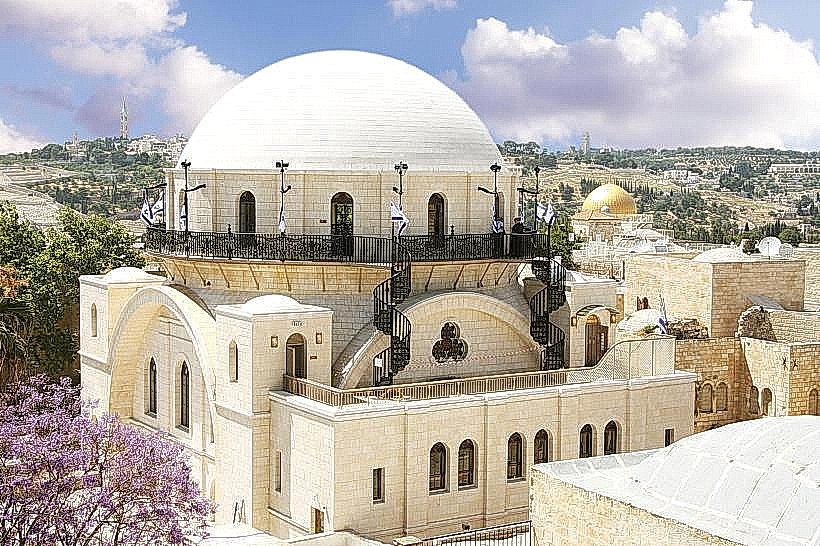
Hurva Synagogue (0.1km East)
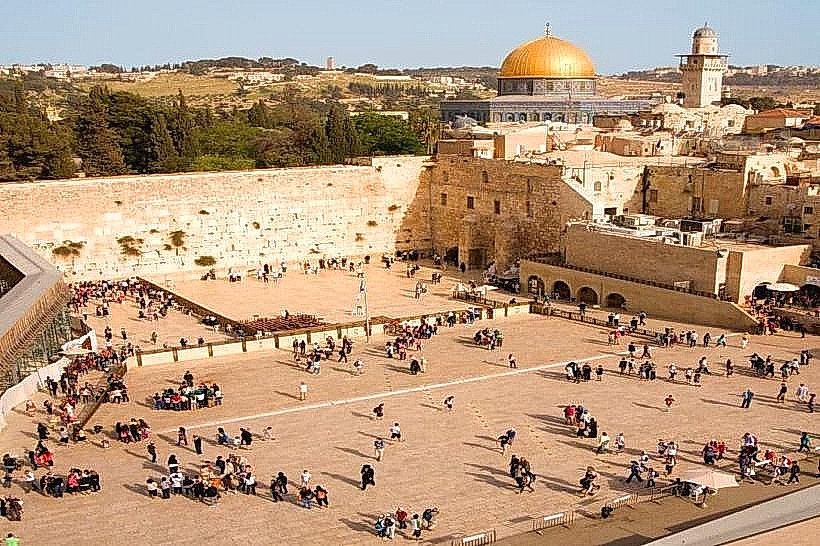
Western Wall (0.3km East)
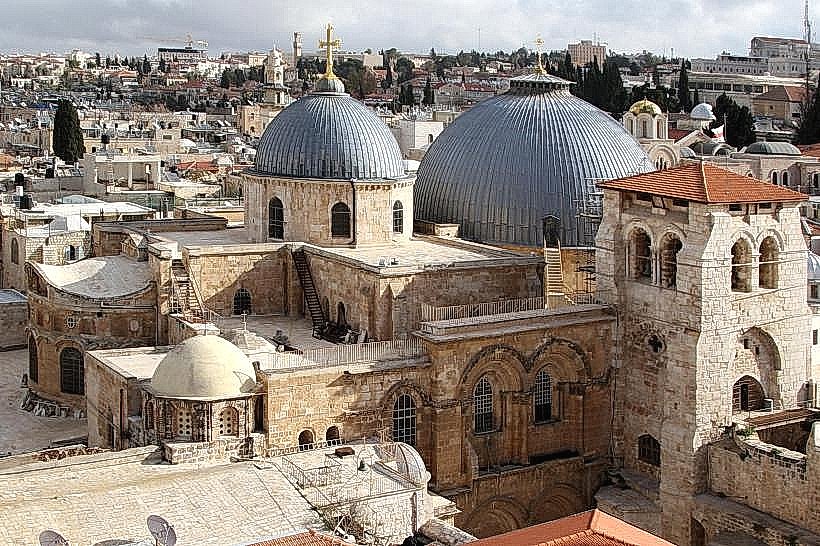
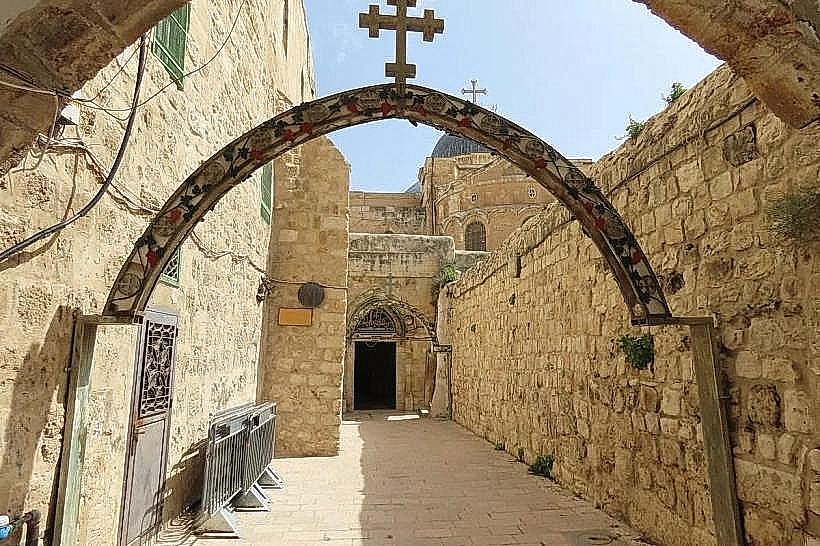
Church of the Holy Sepulchre (0.4km North)
Zion Gate (0.3km South)
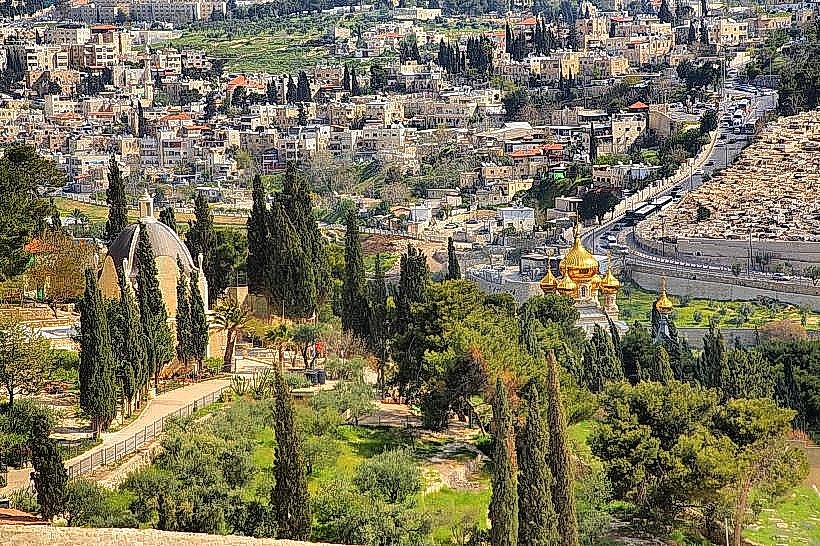
Dormition Abbey (0.4km Southwest)