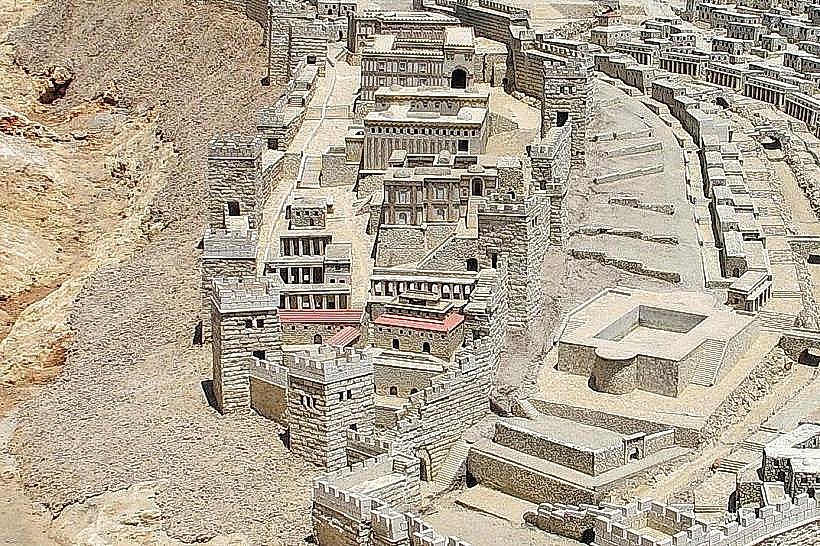
Landmark: City of David
City: Jerusalem
Country: Israel
Continent: Asia
City of David, Jerusalem, Israel, Asia
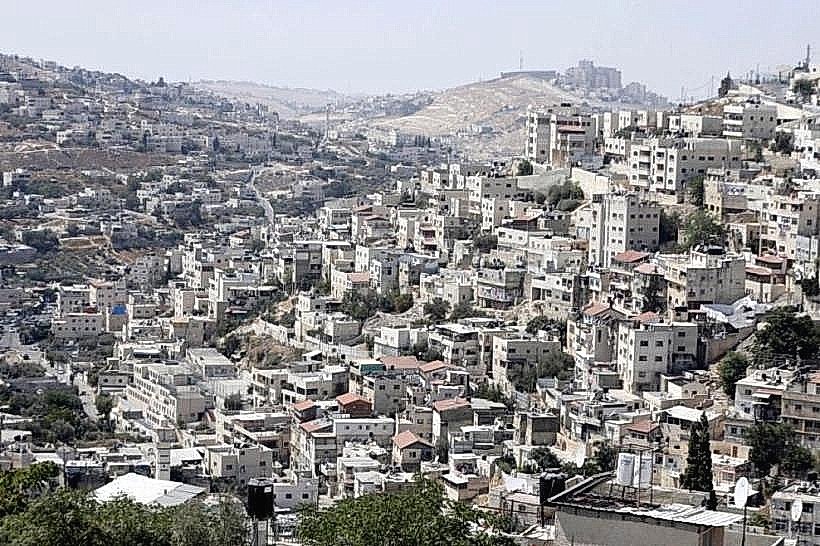
The City of David is an archaeological site situated on a narrow ridge south of the Old City walls in Jerusalem. It represents the original bronze-age and iron-age settlement core of the city, positioned between the Kidron Valley and the Tyropoeon Valley.
Visual Characteristics
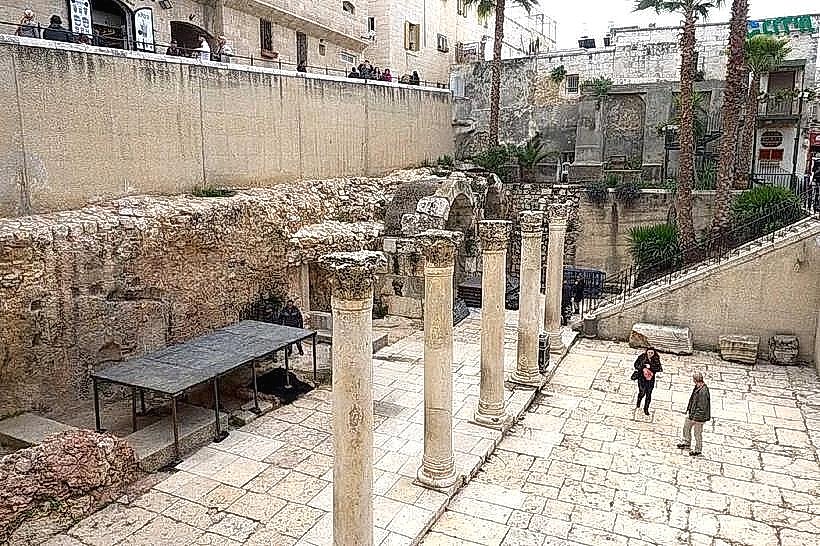
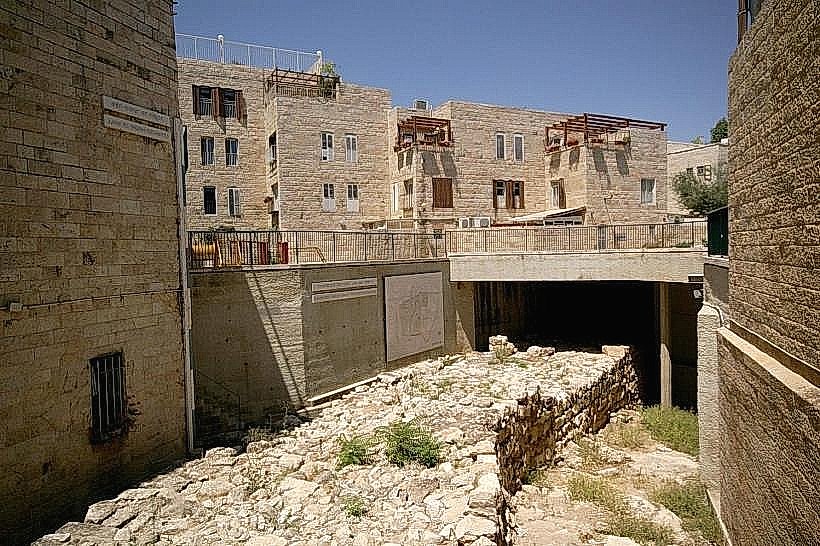
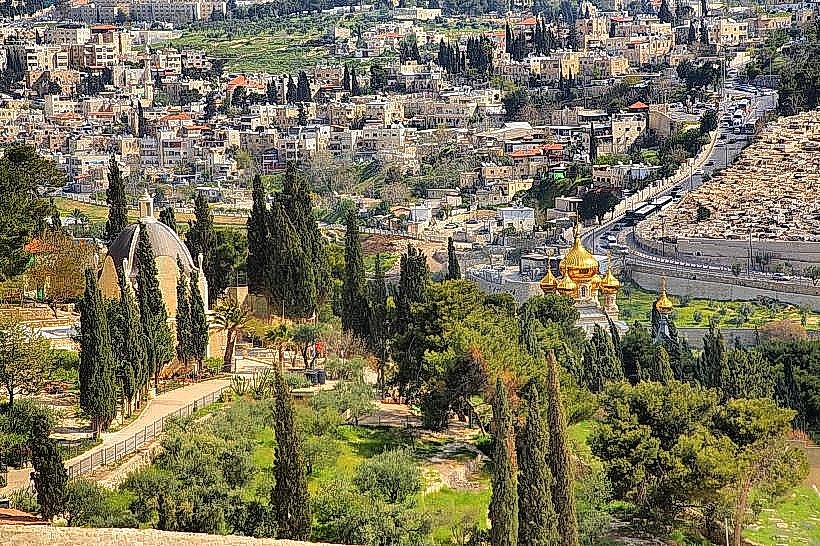
The site consists of excavated stone foundations, subterranean water tunnels, and tiered archaeological pits. Notable structures include the Large Stone Structure, likely a palace composed of massive limestone blocks, and the Stepped Stone Structure, a 20-meter-high curved retaining wall. The exterior features rough-hewn bedrock and modern metal walkways suspended over excavation zones.
Location & Access Logistics
Access is via Ma'alot Ir David Street, approximately 150 meters south of the Dung Gate. Public transportation includes Egged bus lines 1, 3, and 38, which stop at the Western Wall/Dung Gate station. Parking is unavailable on-site; visitors typically use the Givati Parking Lot or Mount Zion parking areas.
Historical & Ecological Origin
Initial settlement dates to the 4th millennium BCE, with significant fortification occurring during the Middle Bronze Age (approx. 1800 BCE) by the Canaanites/Jebusites. King David captured the site in the 10th century BCE, designating it the administrative and royal center of the United Monarchy.
Key Highlights & Activities
Walking through the 533-meter Hezekiah’s Tunnel requires wading in knee-deep water. Guided tours provide access to the Warren’s Shaft system and the Pool of Siloam. Visitors may observe active archaeological excavations at the Givati Parking Lot site.
Infrastructure & Amenities
The visitor center provides restrooms, a gift shop, and a small snack bar. 4G/5G cell signal is stable at the surface but non-existent within the underground tunnels. Limited shaded areas exist; most excavation pits are exposed to direct sunlight.
Best Time to Visit
Mornings between 08:00 and 10:00 offer the best lighting for viewing the Kidron Valley and the eastern slopes. Visit during April or May for temperate weather suitable for outdoor exploration. Hezekiah’s Tunnel is accessible year-round but requires a change of clothes and waterproof footwear.
Facts & Legends
Archaeologists discovered the "Bullae House" here, containing over 50 clay seals used for official documents, including one bearing the name of Gemaryahu ben Shaphan, a scribe mentioned in the Book of Jeremiah. Local tradition holds that the site is the location of the biblical "Stronghold of Zion."
Nearby Landmarks
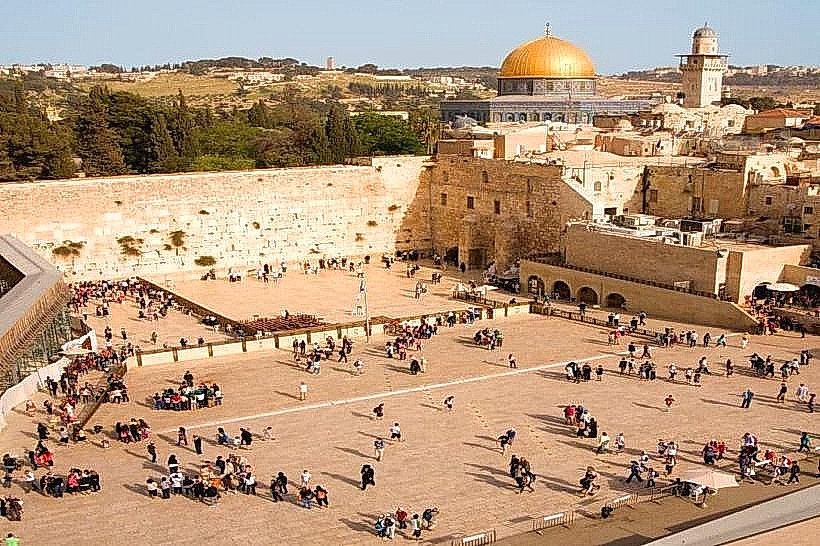
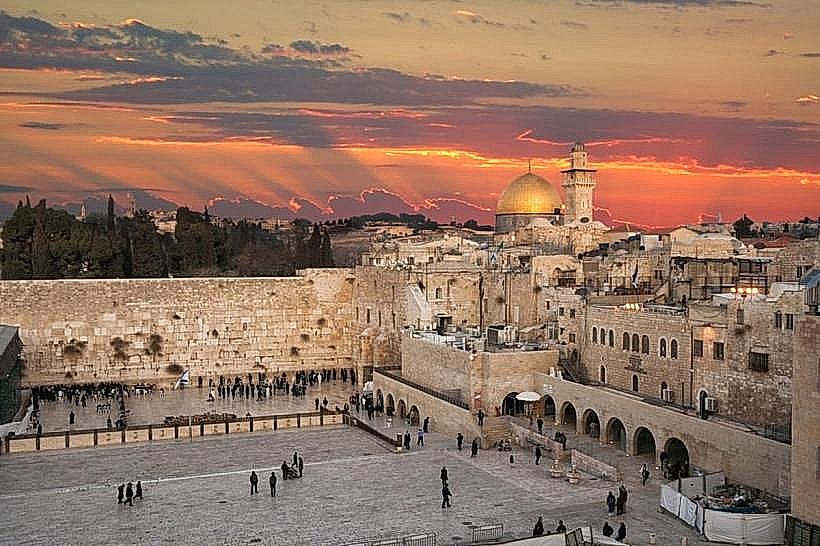
Western Wall (0.3km North)
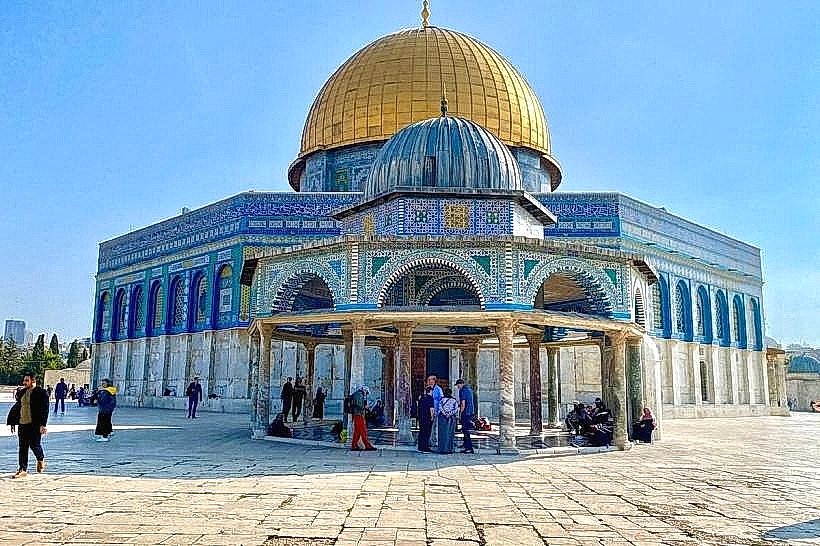
Temple Mount (0.4km North)
Mount of Olives (1.2km East)
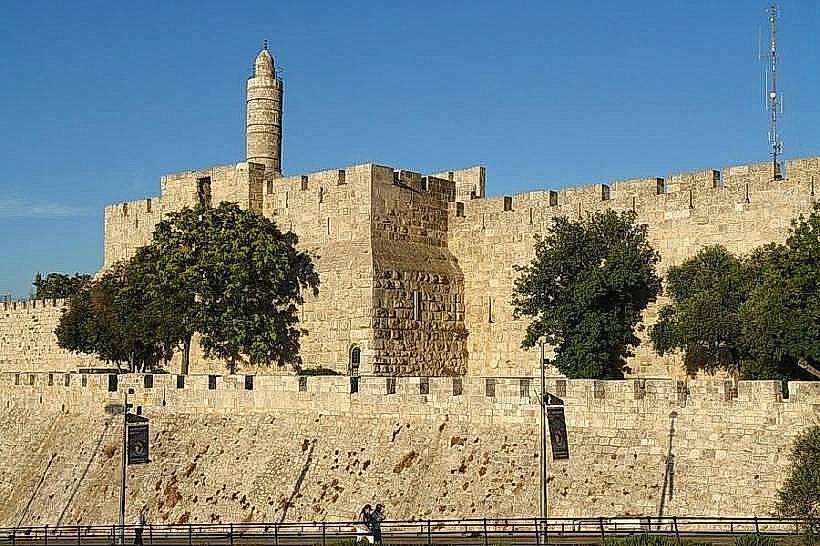
Tower of David (1.1km Northwest)
Church of the Dormition (0.6km West)