Landmark: East Jerusalem
City: Jerusalem
Country: Israel
Continent: Asia
East Jerusalem, Jerusalem, Israel, Asia
East Jerusalem is a geographic and political sector of the city located east of the 1949 Armistice Line, encompassing the Old City and prominent ridges such as the Mount of Olives and Mount Scopus. It serves as a major religious and cultural hub, containing the most significant holy sites for Judaism, Christianity, and Islam.
Visual Characteristics
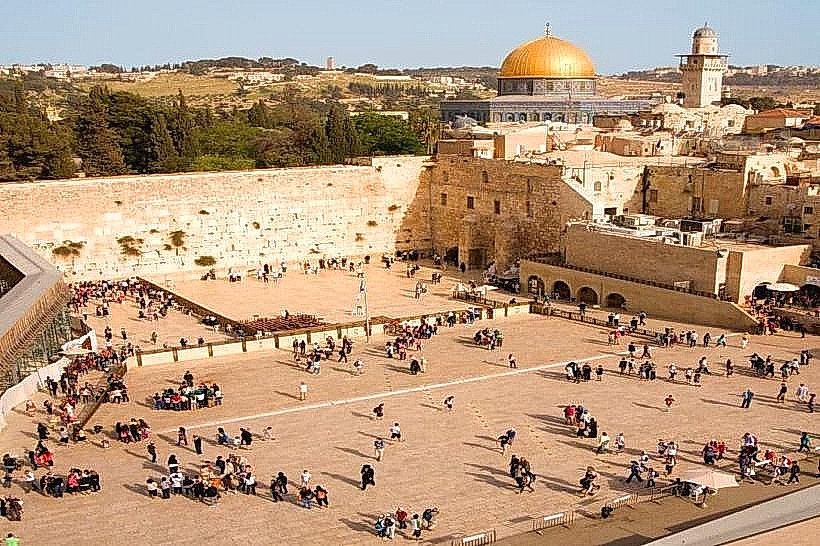
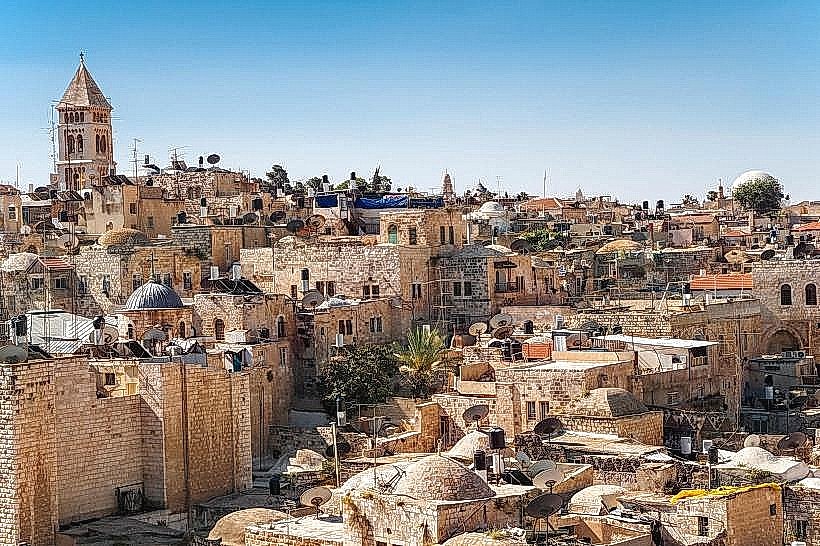
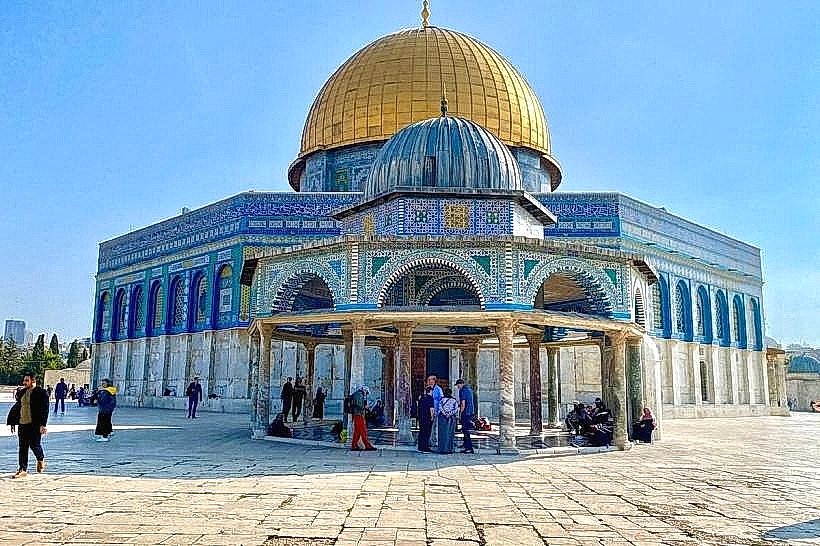
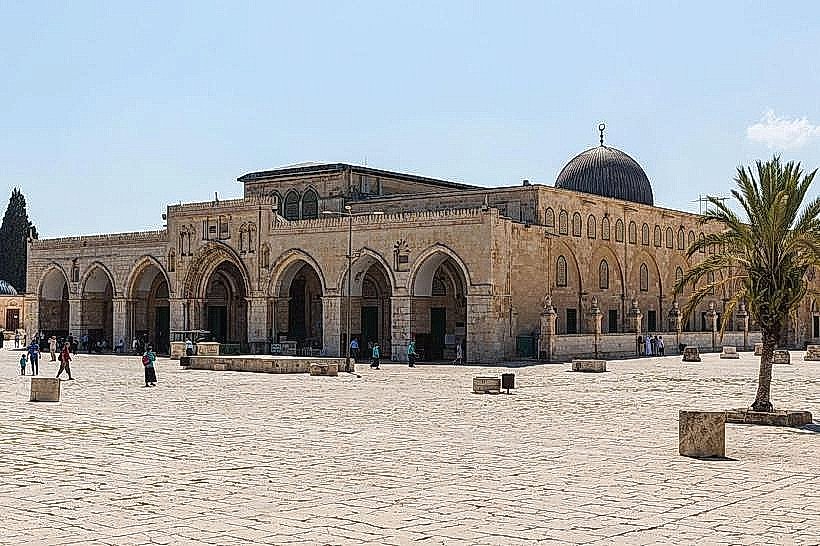
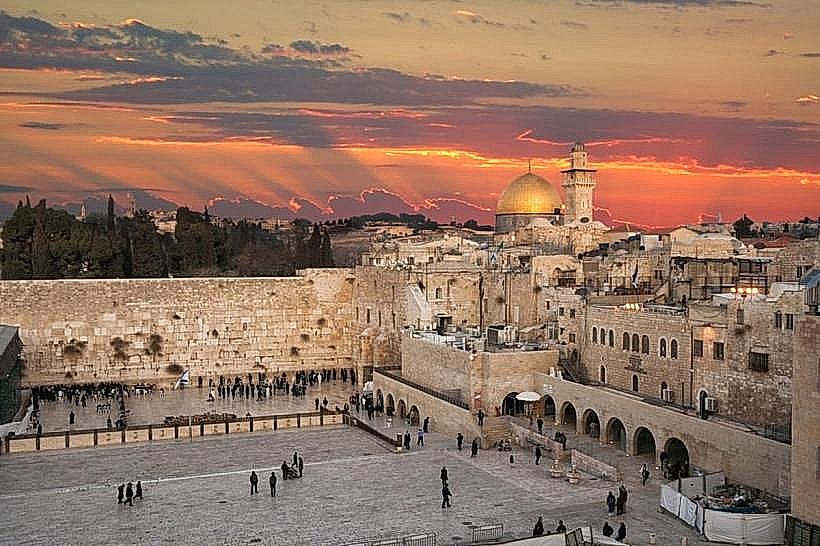
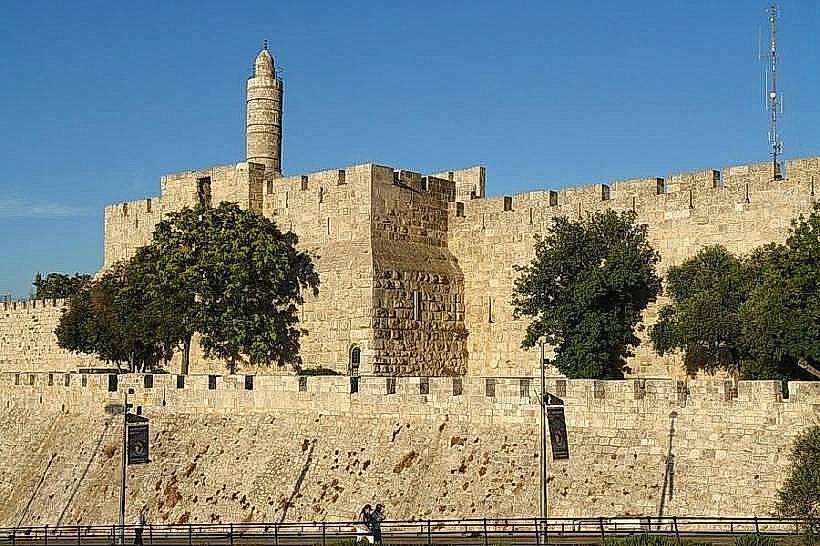
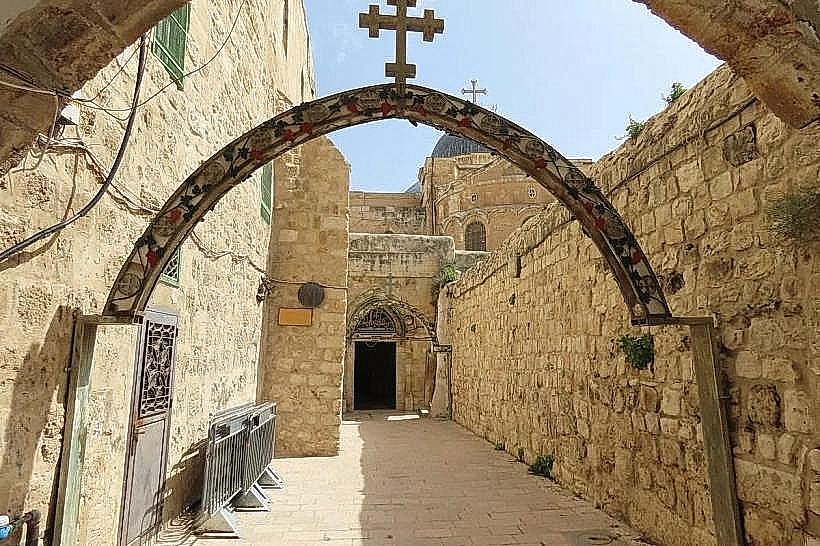
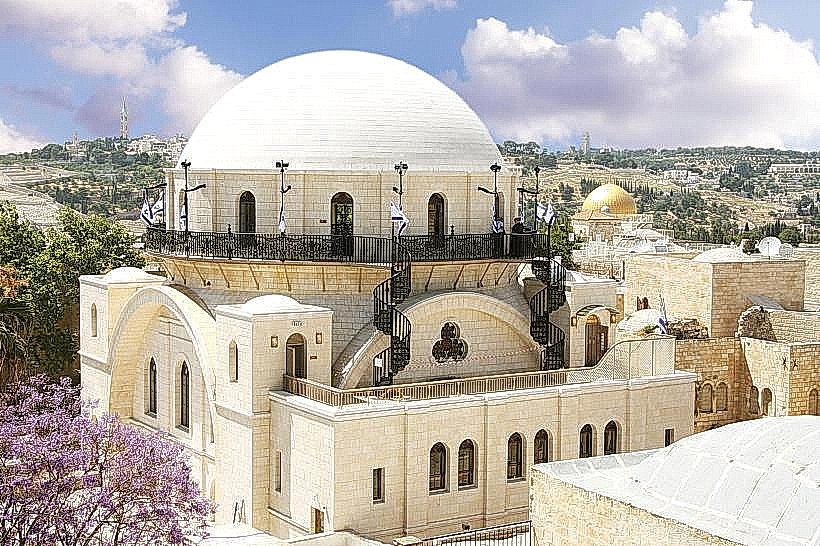
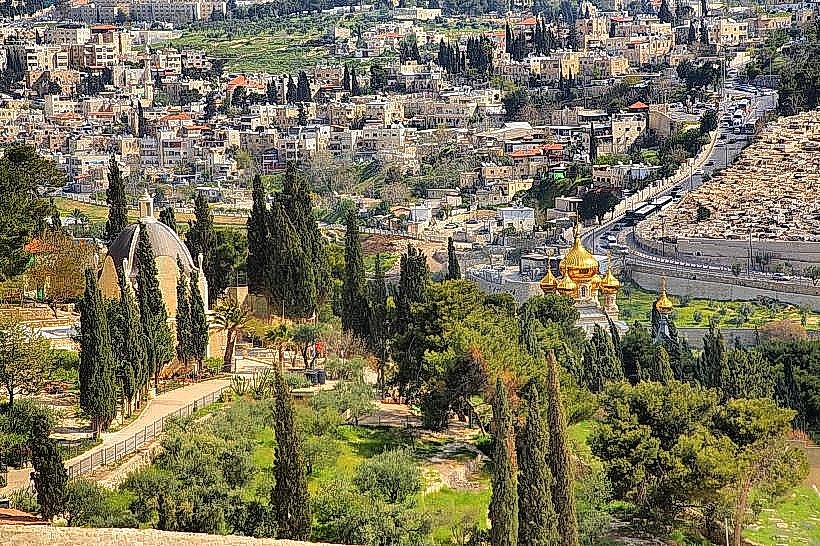
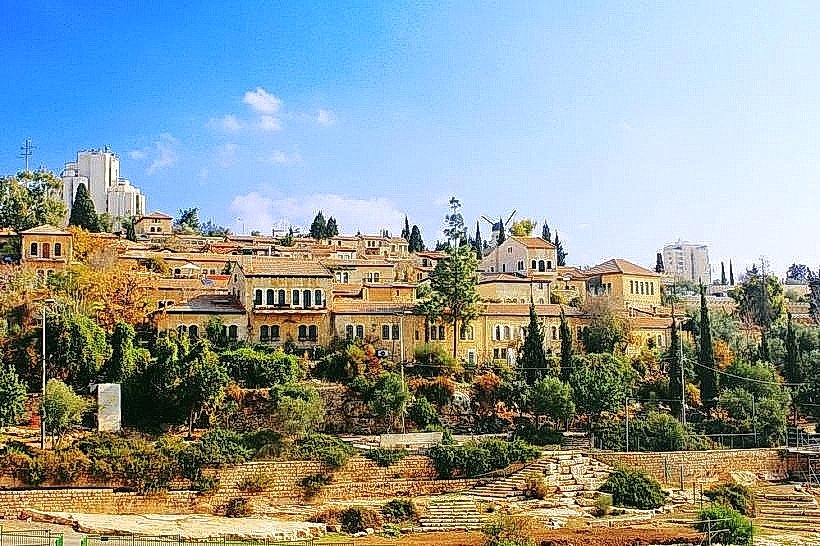
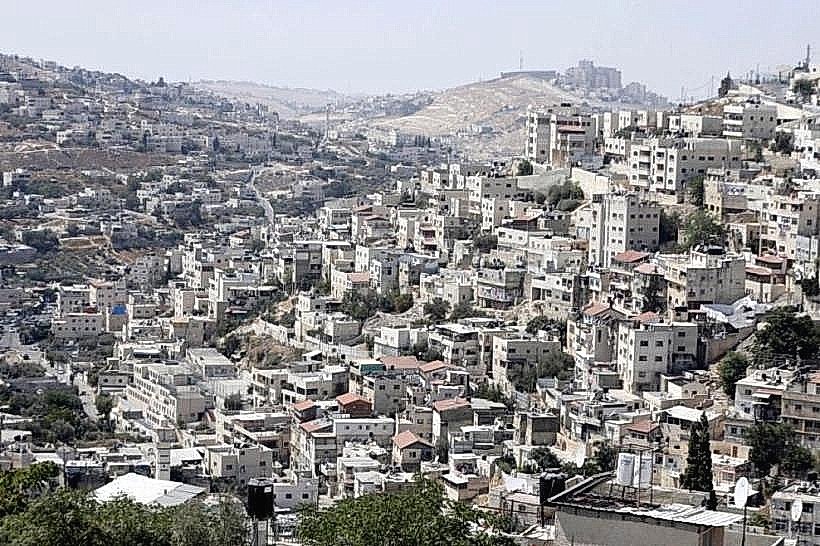
The landscape is defined by stark limestone ridges and deep valleys, specifically the Kidron and Tyropoeon. Architecture varies from the dense, ancient stone masonry of the Old City to the Ottoman-era commercial buildings of the American Colony and the mid-century residential blocks of Sheikh Jarrah. Prominent visual markers include the golden-domed shrine on the Temple Mount, the white stone facades of the Hebrew University campus, and the dense terracing of the Silwan hillside.
Location & Access Logistics
The sector is accessed via the primary Highway 60 (HaNevi'im Street and Sultan Suleiman Street) which serves as a major arterial link. Public transport is centered at the East Jerusalem Central Bus Station near Damascus Gate, serving Palestinian bus lines (the "Blue and White" buses) to the West Bank and local neighborhoods. The Jerusalem Light Rail (Red Line) runs along the "seam line" with stops at Damascus Gate, Shivtei Israel, and Shimon HaTzadik.
Historical & Ecological Origin
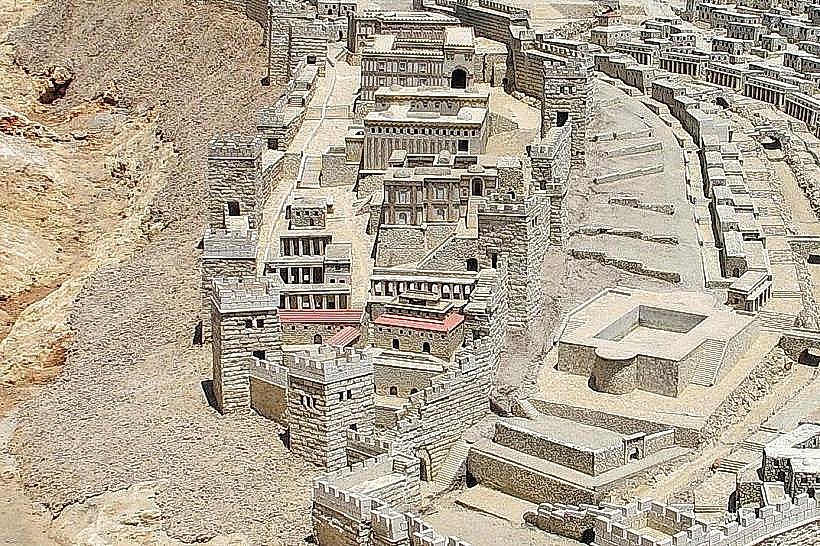
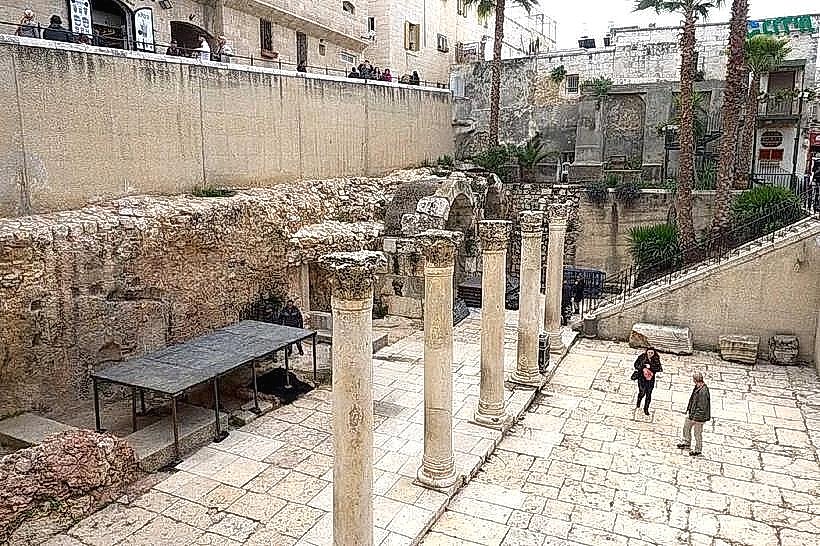
The area sits on the Judean Mountains, a karst landscape composed primarily of Turonian and Cenomanian limestone. Historically, it was the administrative heart of the city during the Jordanian administration (1948–1967) before the 1967 Six-Day War. Its urban fabric is built over layers of Canaanite, Israelite, Roman, Byzantine, and Islamic civilizations.
Key Highlights & Activities
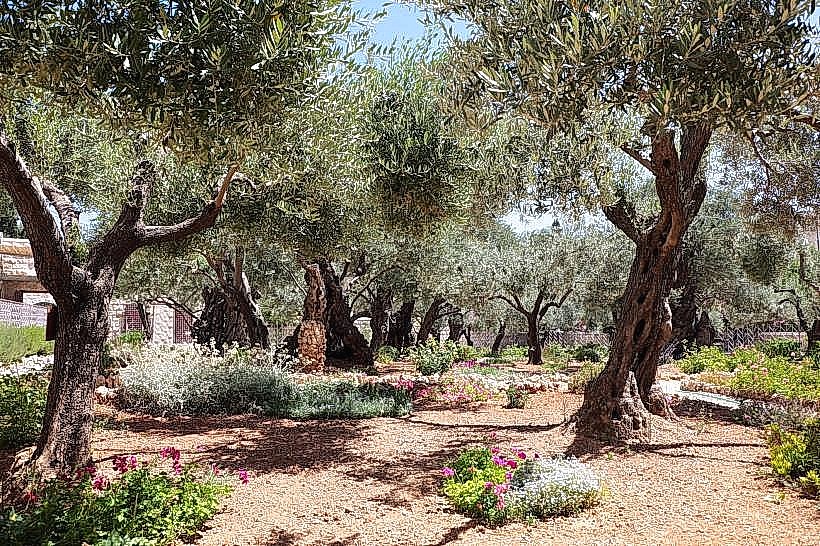
Visitors can traverse the ridge of the Mount of Olives to access the Garden of Gethsemane and the Church of All Nations. Walking tours along Saladin Street provide access to the Garden Tomb and the Rockefeller Archaeological Museum. The Kidron Valley offers hiking paths leading to the monumental 2nd-century BCE rock-cut tombs of Absalom and Zechariah.
Infrastructure & Amenities
Infrastructure varies significantly by neighborhood; commercial hubs like Saladin Street offer high-speed 4G/5G signal and numerous food vendors specializing in local cuisine. Public restrooms are available at major tourist sites like the Western Wall plaza and Damascus Gate. Shade is abundant in the narrow Old City alleys but scarce on the exposed slopes of the Mount of Olives.
Best Time to Visit
The best lighting for photography of the Old City skyline is from the Mount of Olives during the early morning hours (07:00–09:00). Weather is most favorable in April, May, September, and October, when temperatures range from 18°C to 26°C. High humidity and heat occur in July and August, while winter months can bring rain and occasional snow.
Facts & Legends
According to local tradition and eschatological beliefs in all three Abrahamic faiths, the Kidron Valley in East Jerusalem will be the site of the final judgment, leading to the high concentration of ancient cemeteries flanking the valley walls.
Nearby Landmarks
Temple Mount (0.1km West)
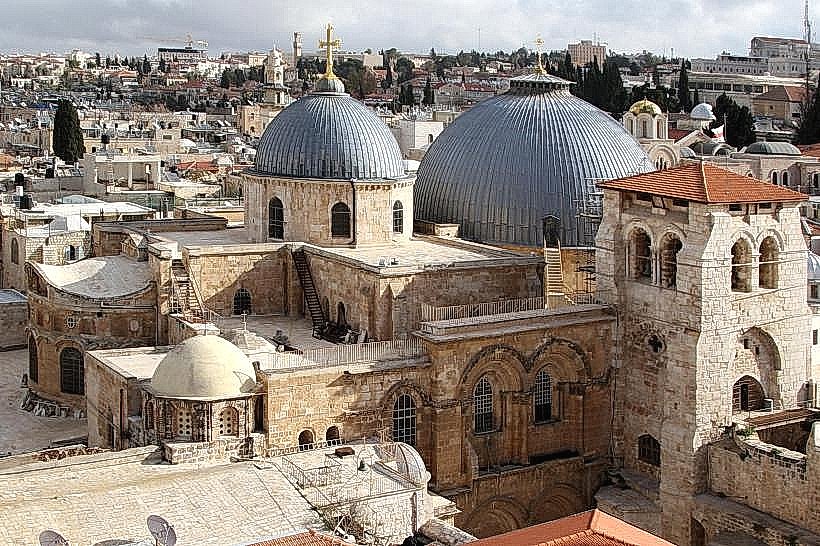
Church of the Holy Sepulchre (0.5km West)
Garden of Gethsemane (0.4km East)
Rockefeller Museum (0.6km North)
City of David (0.3km South)