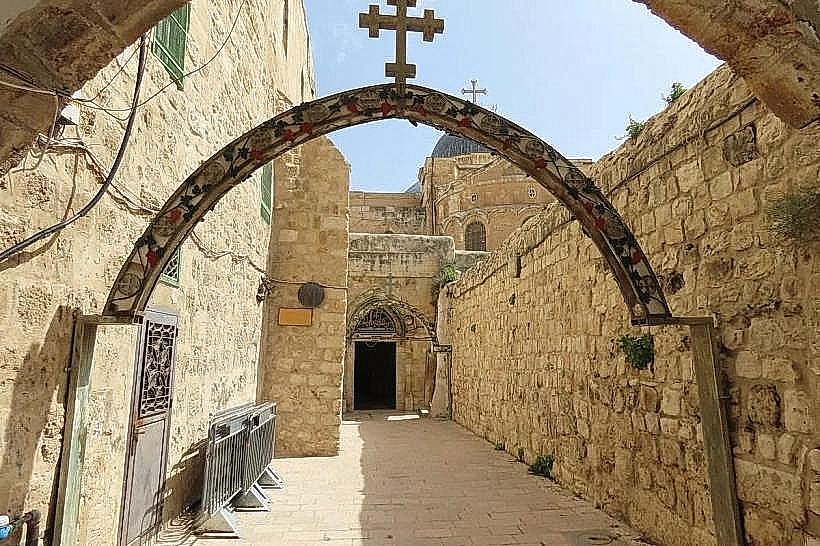
Landmark: Via Dolorosa
City: Jerusalem
Country: Israel
Continent: Asia
Via Dolorosa, Jerusalem, Israel, Asia
The Via Dolorosa is a ceremonial route consisting of nine outdoor stations and five indoor stations located within the Old City of Jerusalem. It traces the traditional path from the former Antonia Fortress to the Church of the Holy Sepulchre, spanning approximately 600 meters.
Visual Characteristics
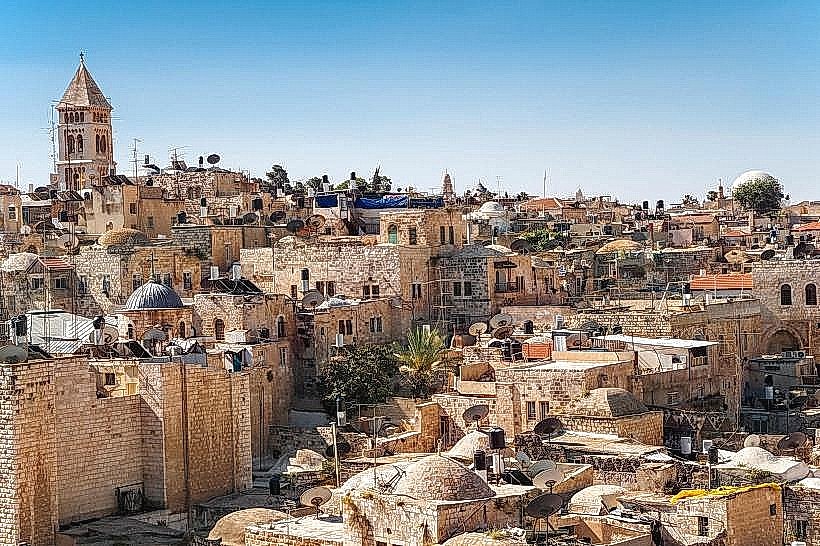
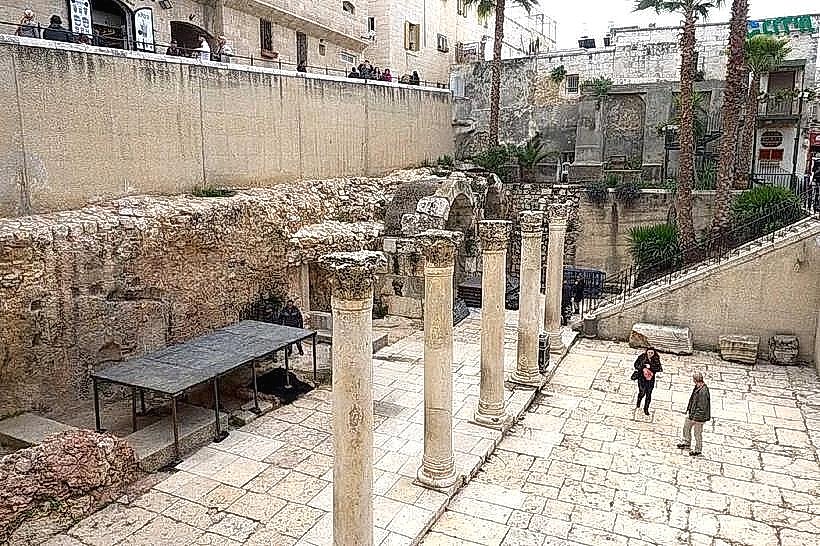
The path is constructed of uneven limestone paving stones and narrow vaulted alleys. The route features stone arches, such as the Ecce Homo Arch, and limestone walls marked by bronze plaques indicating the stations. The architectural style is a composite of Roman-era foundations, Crusader masonry, and Ottoman-era street layouts.
Location & Access Logistics
The route begins near the Lions' Gate in the Muslim Quarter and concludes in the Christian Quarter. Access is strictly pedestrian through the Lion’s Gate Road and the Al-Wad street intersection. No vehicle parking exists within the Old City; the nearest transit drop-off is at the Lions' Gate or Damascus Gate via Egged bus lines 1 or 3.
Historical & Ecological Origin
The current route was established in the 18th century, though the tradition of tracing this path dates back to the Byzantine era. It follows the Roman decumanus and Cardo street plans, specifically marking the transition from the Praetorium to the site of Golgotha.
Key Highlights & Activities
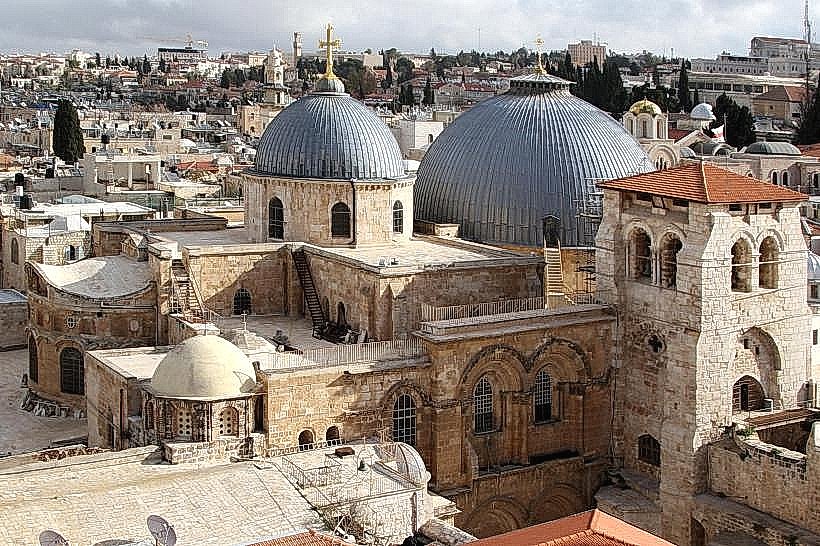
The Friday Franciscan procession occurs weekly at 15:00. Visitors navigate a series of small chapels and shrines integrated into the street-level storefronts and church basements. The final five stations are located inside the Church of the Holy Sepulchre.
Infrastructure & Amenities
Public restrooms are located near the First Station and within the Christian Quarter. Most of the route is shaded by high stone walls and overhanging arches. 4G/5G signal is consistent throughout the outdoor sections but drops significantly within the stone churches.
Best Time to Visit
Early morning between 07:00 and 09:00 provides the highest lighting quality for the narrow alleys and minimal pedestrian congestion. October through March offers cooler temperatures for the steep incline toward the final stations.
Facts & Legends
The "Ecce Homo" arch was originally part of a triple-arched gateway built by Emperor Hadrian in 135 CE to celebrate the Roman victory over the Bar Kokhba revolt, later incorporated into the route's tradition.
Nearby Landmarks
Church of the Holy Sepulchre (0.1km West)
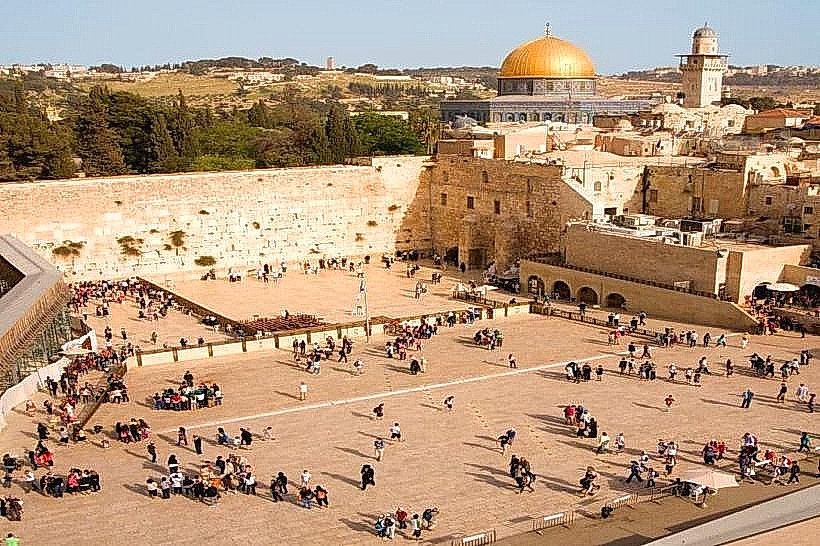
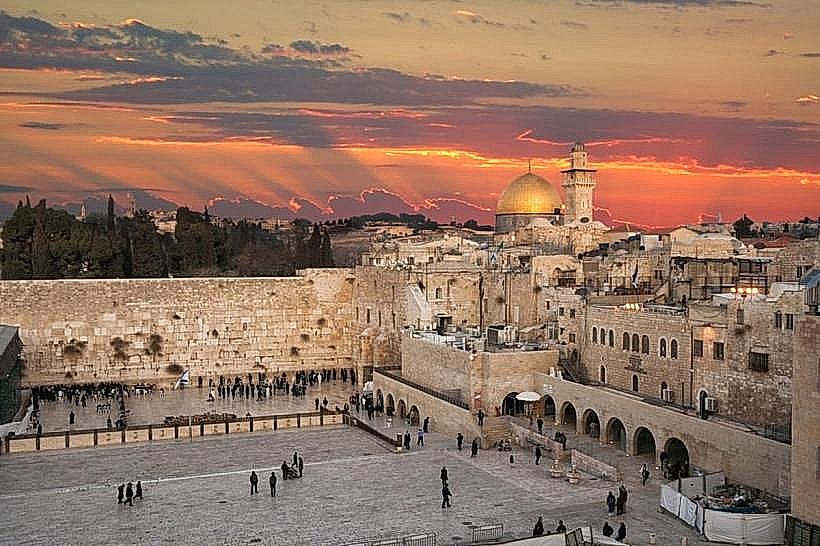
Western Wall (0.4km South)
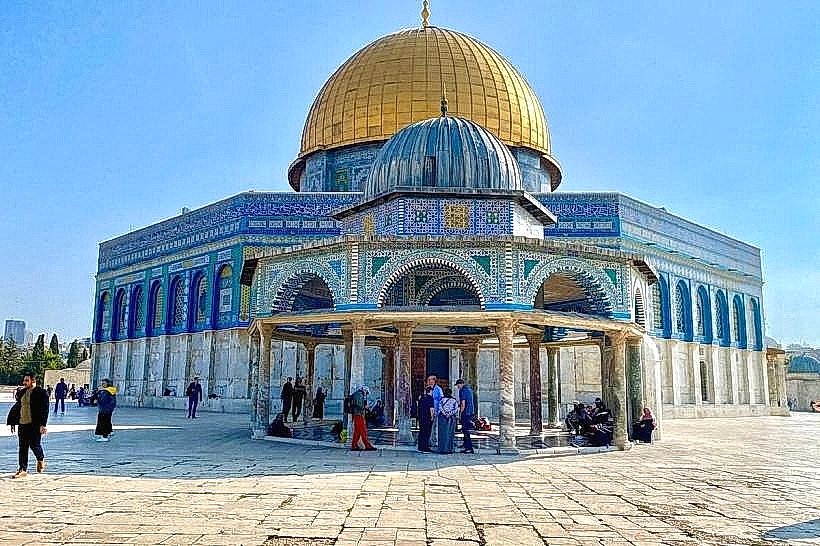
Dome of the Rock (0.3km East)
Damascus Gate (0.5km North)
Lions' Gate (0.4km East)