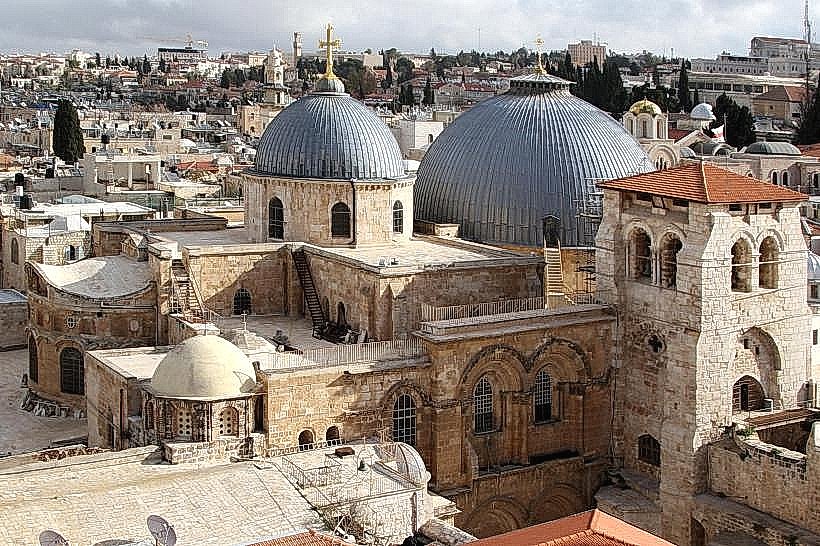
Landmark: Church of the Holy Sepulchre
City: Jerusalem
Country: Israel
Continent: Asia
Church of the Holy Sepulchre, Jerusalem, Israel, Asia
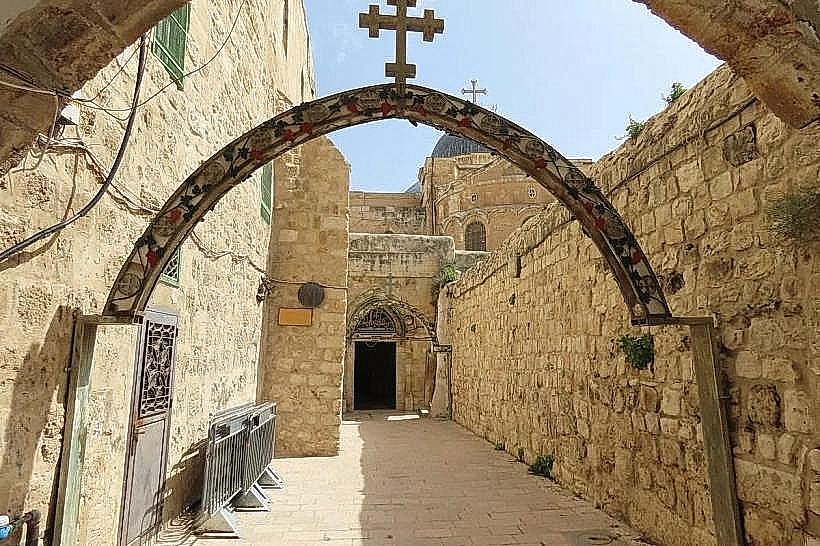
The Church of the Holy Sepulchre is a religious complex situated in the Christian Quarter of the Old City of Jerusalem. It encompasses the sites identified by tradition as the location of Jesus' crucifixion (Golgotha) and the empty tomb where he was buried and resurrected.
Visual Characteristics
The structure features a blend of Romanesque, Byzantine, and Crusader architectural styles. It is constructed primarily from local limestone, exhibiting a weathered, beige-grey exterior. The facade is dominated by two arched portals, though one was sealed during the Saladin era. Two primary domes crown the roofline: the larger Rotunda dome, which is silver-colored and covers the Edicule, and a smaller dome over the Katholikon. Inside, the floors consist of marble and stone slabs, while walls are adorned with mosaics, oil lamps, and incense burners reflecting Eastern Orthodox and Catholic liturgical aesthetics.
Location & Access Logistics
The site is located at the intersection of Christian Quarter Road and Helena Street. Access is pedestrian-only through the narrow alleys of the Old City. From the Jaffa Gate, walk east on David Street and turn left onto Christian Quarter Road. The nearest parking is outside the Old City walls at the Mamilla Mall garage or Mount Zion parking lot. Public transport users can take the Jerusalem Light Rail to the City Hall stop and enter via the New Gate or Jaffa Gate.
Historical & Ecological Origin
The original church was commissioned by Emperor Constantine the Great and dedicated in 335 AD. It was built over a former temple of Aphrodite. The current structure largely reflects the 12th-century Crusader reconstruction following the destruction of the earlier Byzantine buildings by Fatimid Caliph al-Hakim bi-Amr Allah in 1009. The Edicule, the shrine housing the tomb, was most recently restored in 2017 to stabilize the 19th-century masonry.
Key Highlights & Activities
Visitors can touch the Stone of Unction located near the entrance. Ascent via a steep stone staircase leads to the Altar of the Crucifixion on Calvary. Entry into the Edicule is managed by a queue for brief internal viewing of the burial slab. Daily processions occur at scheduled times involving the various denominational custodians (Greek Orthodox, Armenian, and Roman Catholic). Photography is permitted without flash in most areas, provided it does not interrupt active services.
Infrastructure & Amenities
Restroom facilities are limited and located near the entrance courtyard. There is no natural shade inside the building, though the thick stone walls provide thermal mass that keeps the interior cool. Cell phone signal (4G/5G) is intermittent inside the Rotunda due to the density of the masonry. No food or drink vendors operate inside the church; shops and cafes are situated immediately outside the courtyard in the surrounding souks.
Best Time to Visit
The church opens at 4:00 AM (5:00 AM in winter) and closes between 7:00 PM and 9:00 PM depending on the season. Early morning visits (before 9:00 AM) or late evening arrivals offer the lowest crowd density. For photography, the midday sun provides vertical light through the Rotunda’s oculus, illuminating the Edicule. April and October provide the most temperate weather, though peak religious holidays (Easter) result in extreme overcrowding.
Facts & Legends
A wooden ladder, known as the "Immovable Ladder," has rested on a ledge above the main entrance since at least 1757. It remains there due to the Status Quo agreement, a decree governing the shared ownership of the site which prohibits any changes or movements of property without unanimous consent from all six overseeing Christian denominations.
Nearby Landmarks
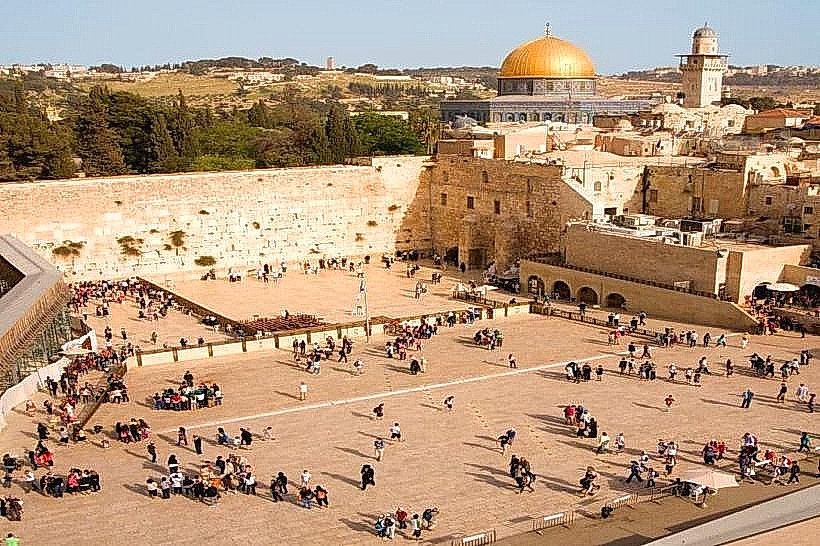
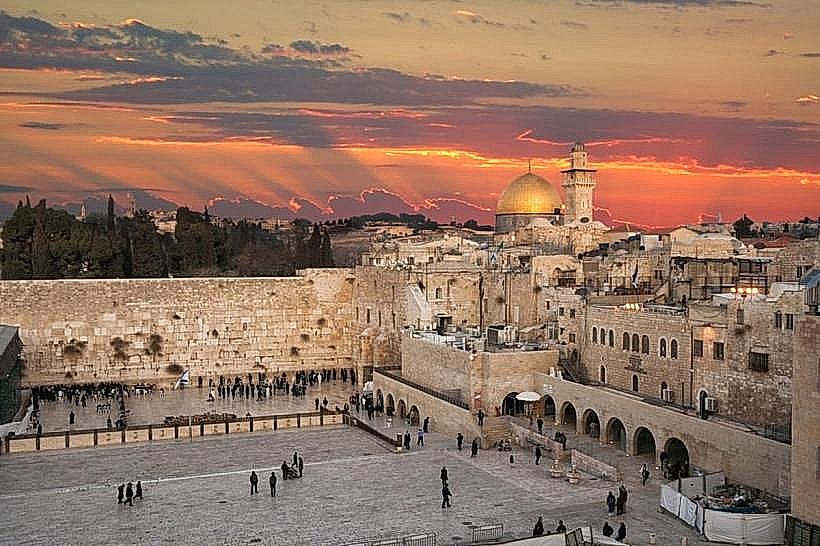
Western Wall - 0.6km Southeast
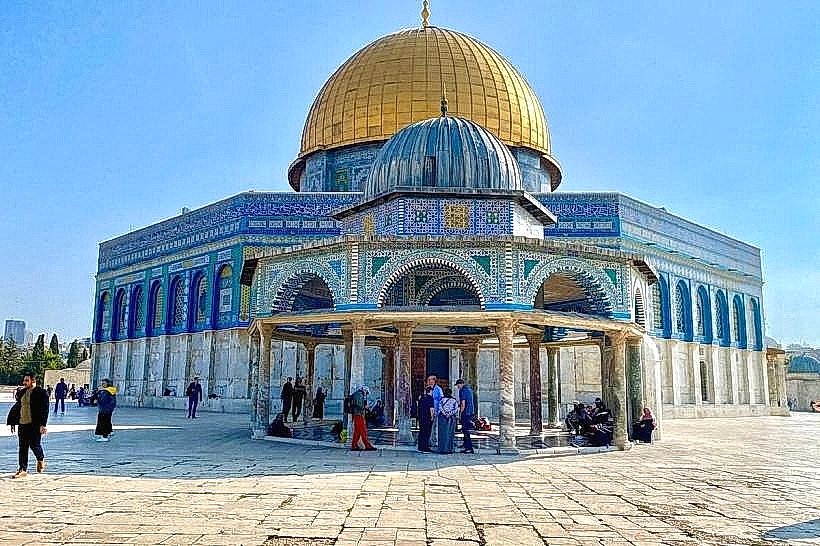
Dome of the Rock - 0.7km East
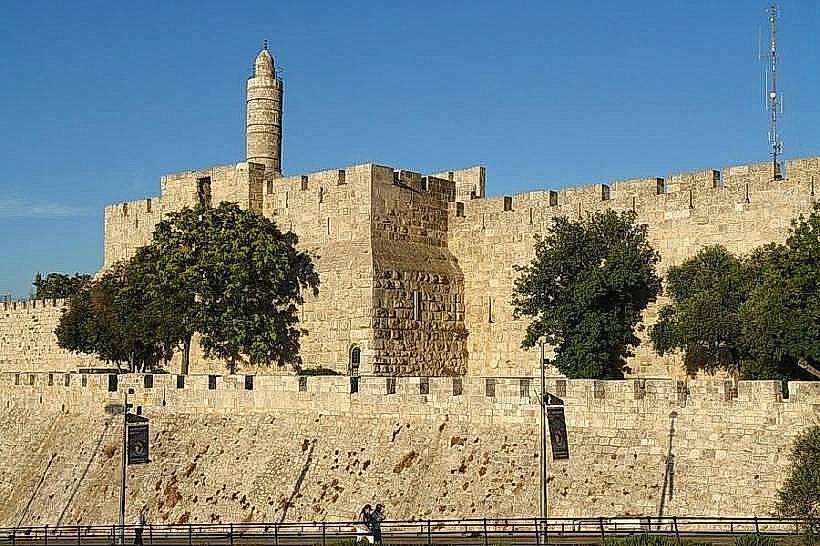
Tower of David - 0.4km Southwest
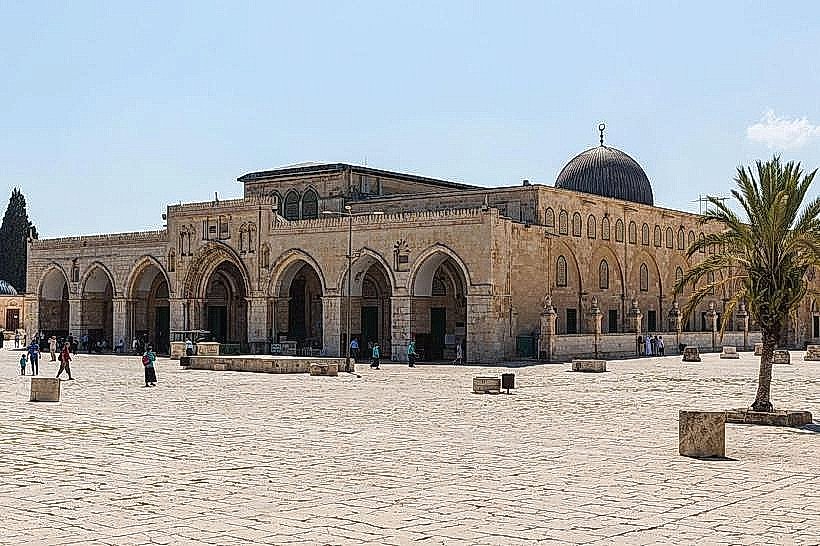
Al-Aqsa Mosque - 0.8km Southeast
Damascus Gate - 0.5km North