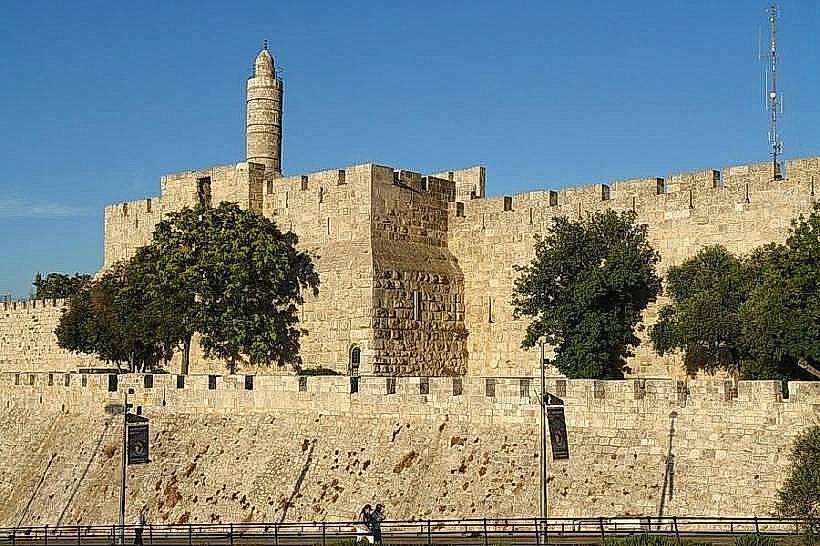
Landmark: Tower of David
City: Jerusalem
Country: Israel
Continent: Asia
Tower of David, Jerusalem, Israel, Asia
The Tower of David is a medieval citadel located near the Jaffa Gate on the western edge of the Old City of Jerusalem. It occupies a strategic high point that has served as a military fortification for various ruling powers for over two millennia.
Visual Characteristics
The citadel is constructed from Jerusalem limestone and features a complex of defensive walls, rounded and square towers, and a dry moat. The most prominent architectural feature is a 17th-century Ottoman minaret, which has become a symbol of the city. The masonry exhibits a layered history, including massive Herodian-era blocks, Crusader-style vaults, and Mamluk-era gateways. The central interior courtyard contains exposed archaeological trenches revealing foundations from the First Temple period through the Middle Ages.
Location & Access Logistics
The site is positioned immediately inside the Jaffa Gate. Access is pedestrian-only within the citadel walls, though the Jaffa Gate itself is a major entry point from modern West Jerusalem. Visitors can reach the location via the Jerusalem Light Rail, exiting at the City Hall station and walking five minutes south. Paid vehicle parking is available at the Mamilla Mall or Karta parking garages located 300 meters from the entrance.
Historical & Ecological Origin
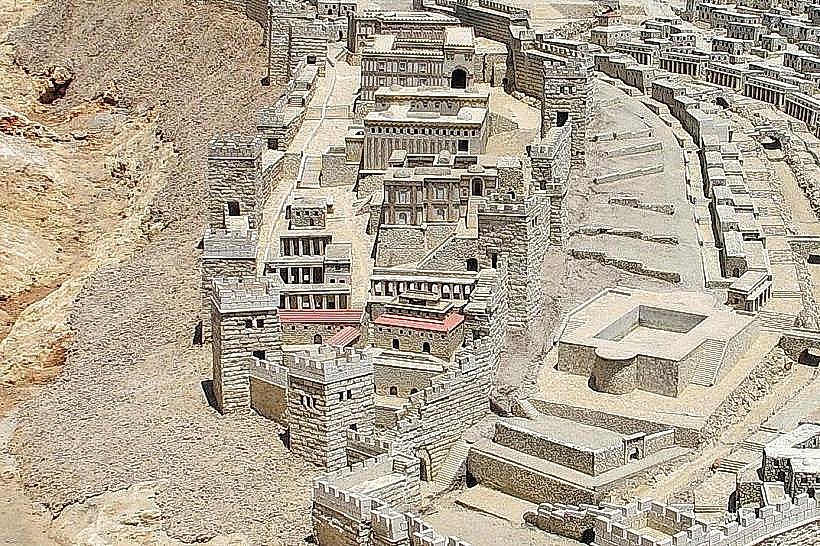
The current structure largely dates to the Mamluk (14th century) and Ottoman (16th century) periods, though it is built upon the foundations of a palace and fortress complex established by Herod the Great in the 1st century BCE. Despite its name, the site was not built by King David; the name resulted from a Byzantine-era misidentification of the Phasael Tower as the "Tower of David." The citadel sits on the highest point of the Southwestern Hill of Jerusalem, overlooking the Hinnom Valley.
Key Highlights & Activities
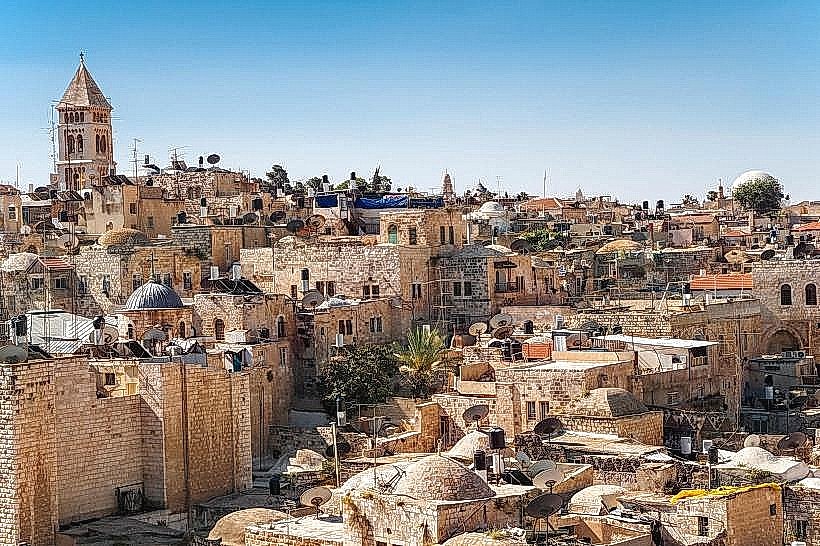
Walking the ramparts provides 360-degree views of both the Old City and the modern commercial districts. The Museum of the History of Jerusalem is housed within the citadel's chambers, utilizing maps and artifacts to explain the city's chronology. Nightly sound-and-light shows project historical narratives onto the stone walls of the courtyard. Guided tours are available for the Kishle, a former Ottoman prison where Herodian foundations were discovered.
Infrastructure & Amenities
The citadel contains modern restrooms, a gift shop, and a coffee stand. Recent renovations have added an elevator and accessible paths for wheelchair users to reach the main galleries and certain lookout points. Most of the site is outdoors, with partial shade provided by stone archways and museum galleries. Cell phone signal is consistently strong (5G/LTE) throughout the fortress.
Best Time to Visit
The site is open daily, but late afternoon offers the most favorable lighting for photography of the limestone walls and the Old City skyline. During summer months, morning visits are recommended to avoid the midday heat in the exposed courtyard. The Night Experience light show starts after sunset and requires a separate ticket; it is best viewed during the dry season (May through October).
Facts & Legends
One of the three massive towers built by Herod, the Phasael Tower, survived the Roman destruction of Jerusalem in 70 AD. Its base still stands within the citadel today. Local legend long held that this site was the "Praetorium" where the trial of Jesus occurred, a theory that gained academic support following the 21st-century excavation of the adjacent Kishle building.
Nearby Landmarks
Jaffa Gate – 0.1km West
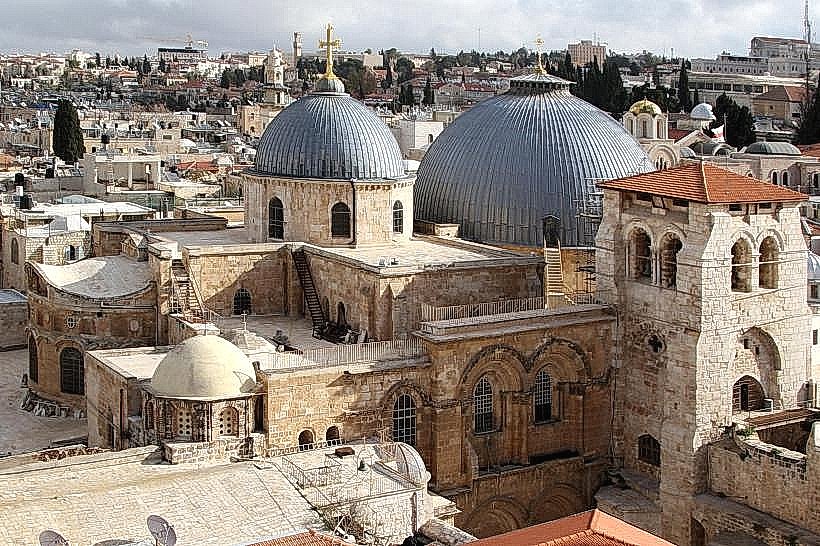
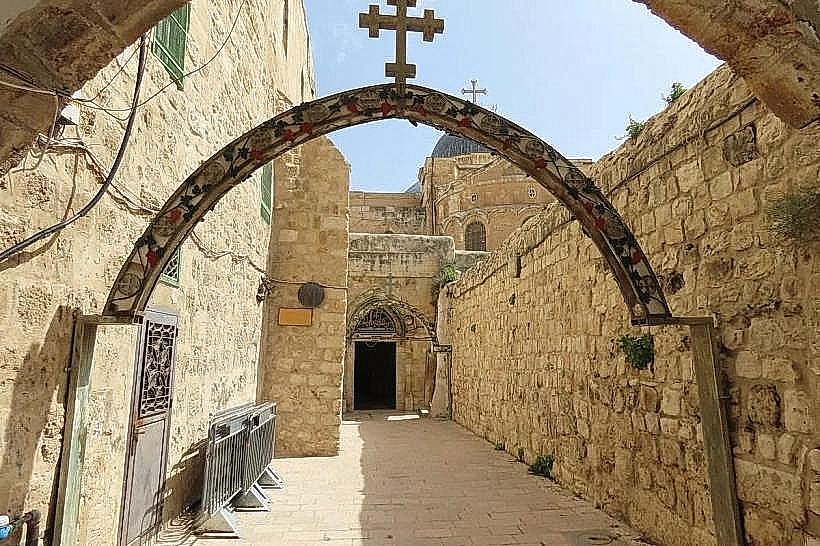
Church of the Holy Sepulchre – 0.5km Northeast
Mamilla Mall – 0.3km West
Christ Church – 0.1km Southeast
Armenian Patriarchate – 0.4km South