Landmark: Al-Muallaq Mosque
City: Tripoli
Country: Lebanon
Continent: Asia
Al-Muallaq Mosque, Tripoli, Lebanon, Asia
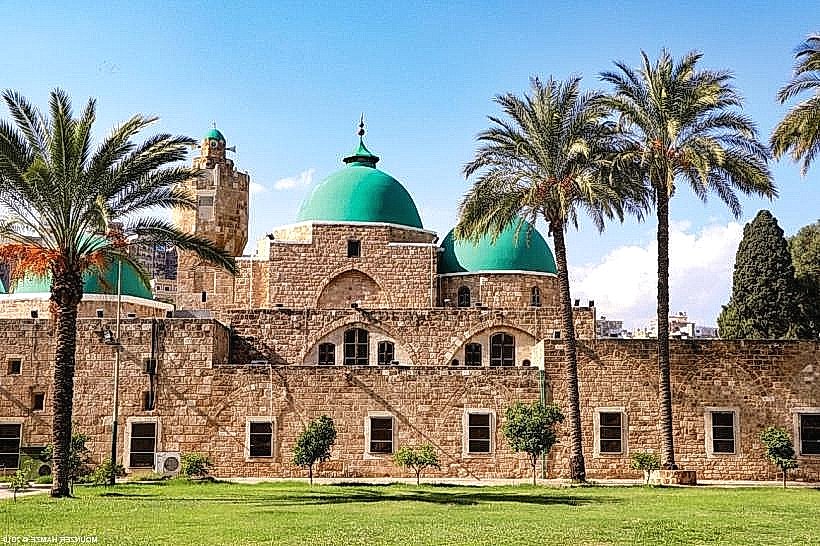
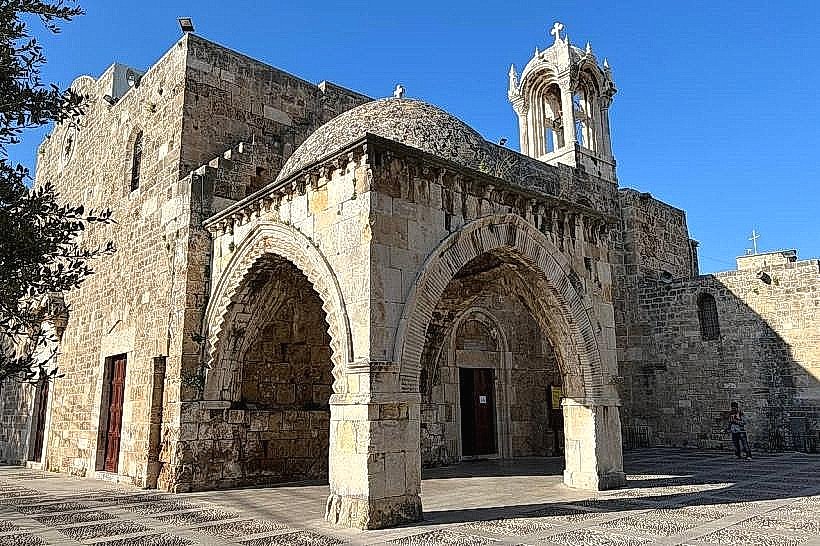
Al-Muallaq Mosque, also known as the Hanging Mosque, is a 16th-century Ottoman-era religious structure located in the old city of Tripoli, Lebanon. It is structurally unique because it is built entirely on top of a vaulted commercial passage, elevated above street level.
Visual Characteristics
The mosque is characterized by its elevated position, accessible only via a steep stone staircase that leads to a second-story entrance. The exterior architecture features a plain limestone facade accented by a small, octagonal minaret with a pointed wooden roof. The interior prayer hall is relatively small and square, featuring a simple stone mihrab, cross-vaulted ceilings, and a series of windows that look down into the street below.
Location & Access Logistics
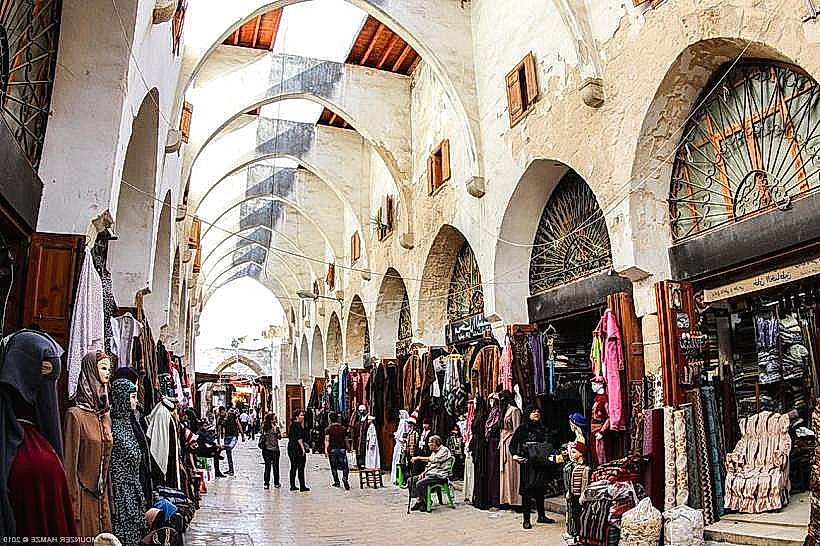
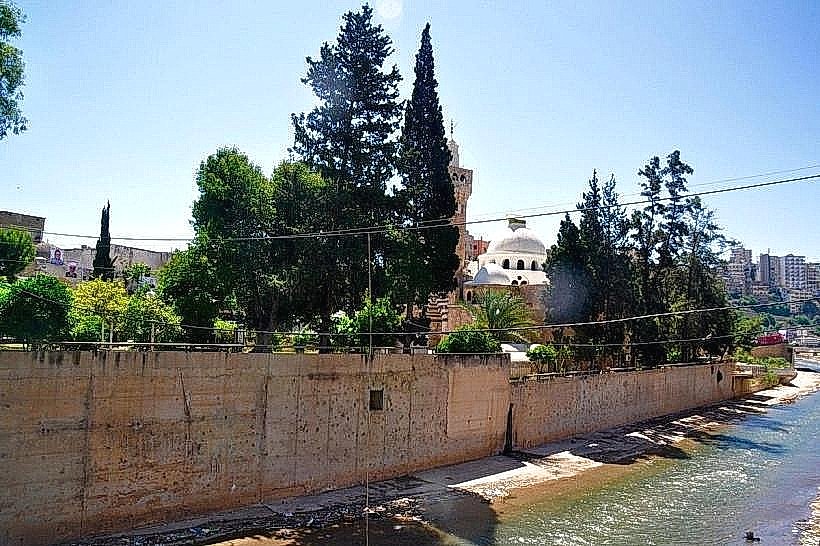
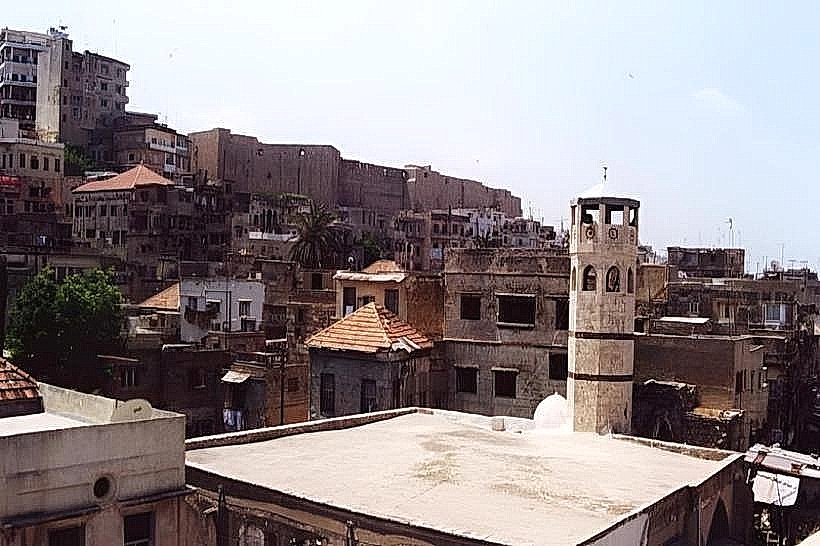
The landmark is situated in the dense, labyrinthine network of the old souks, roughly 1.2 kilometers east of the modern city center (Sahat al-Nour). The immediate vicinity is fully pedestrianized, requiring visitors to park at the municipal lot near the Abu Ali River, located 300 meters to the northeast. Shared local minivans drop passengers along the main river road, followed by a 4-minute walk through the covered market lanes to the base of the mosque stairs.
Historical & Ecological Origin
The mosque was constructed in 1559 during the early Ottoman rule of Tripoli. It was commissioned by Mahmud ibn Ramadan al-Ajam, a wealthy local benefactor, to serve as a neighborhood house of worship; the elevated design was implemented specifically to maximize urban space without disrupting the commercial flow of the pre-existing street market beneath it.
Key Highlights & Activities
Observation of the structural engineering that supports the elevated prayer hall is possible from the street corridor below. Internal viewing of the cross-vaulted architecture, simple stone masonry, and octagonal minaret base can be done outside of active prayer times. Photography of the unique street-level vaulted underpass and the entrance staircase is permitted.
Infrastructure & Amenities
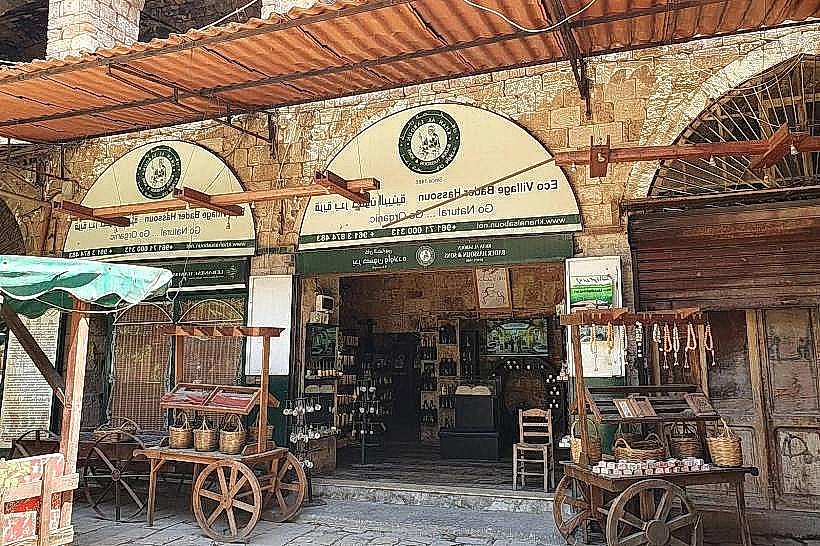
The elevated prayer hall is completely enclosed and shaded, providing shelter from the elements, while the entrance stairs are exposed. Ablution facilities and restrooms are located on-site for worshippers. Cellular signal (4G/5G) is operational but can become unstable inside the thick stone walls of the prayer chamber. Numerous traditional food stalls and juice bars are located directly beneath and adjacent to the structure.
Best Time to Visit
The best time for exterior photography of the staircase and minaret is mid-morning, between 9:00 AM and 11:00 AM, when light enters the narrow market alley. Non-Muslim visitors can view the interior between the five daily prayer sessions, with the window between the morning (Fajr) and noon (Dhuhr) prayers being the least crowded. The ideal months for visiting are October through April.
Facts & Legends
The popular name "Al-Muallaq" translates literally to "The Hanging Mosque," a reference to its suspension over an active public thoroughfare. Local historical accounts note that the builder intentionally left the ground floor open as a public right-of-way to fulfill a legal religious requirement that prohibited the private obstruction of public commercial streets.
Nearby Landmarks
Khan al-Saboun: 0.15km East
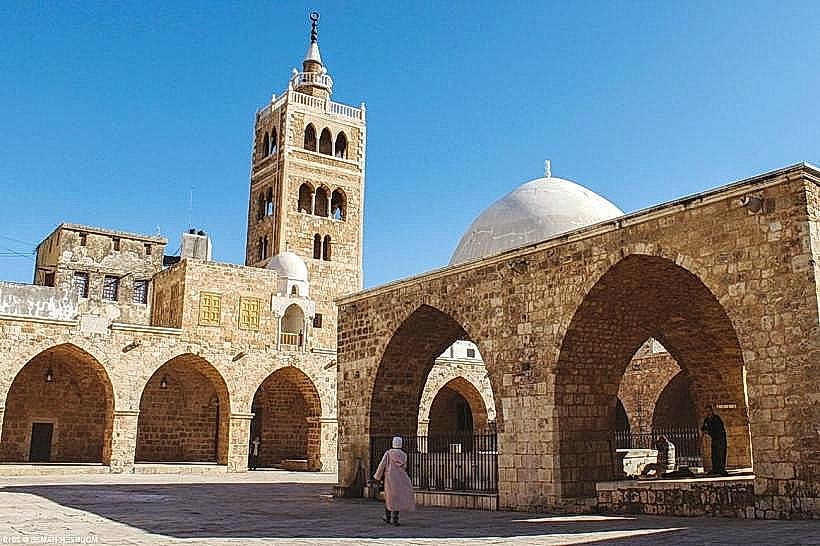
Great Mosque of Tripoli: 0.25km South
Khan al-Khayyatin: 0.35km East
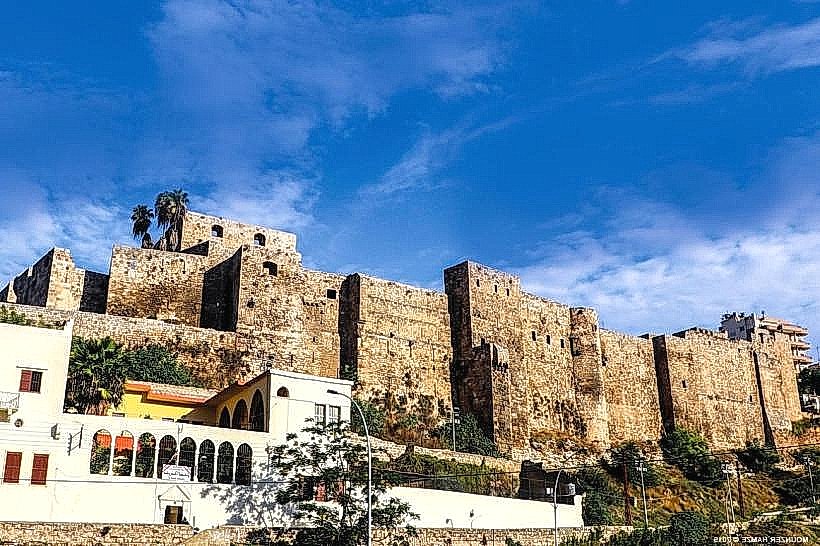
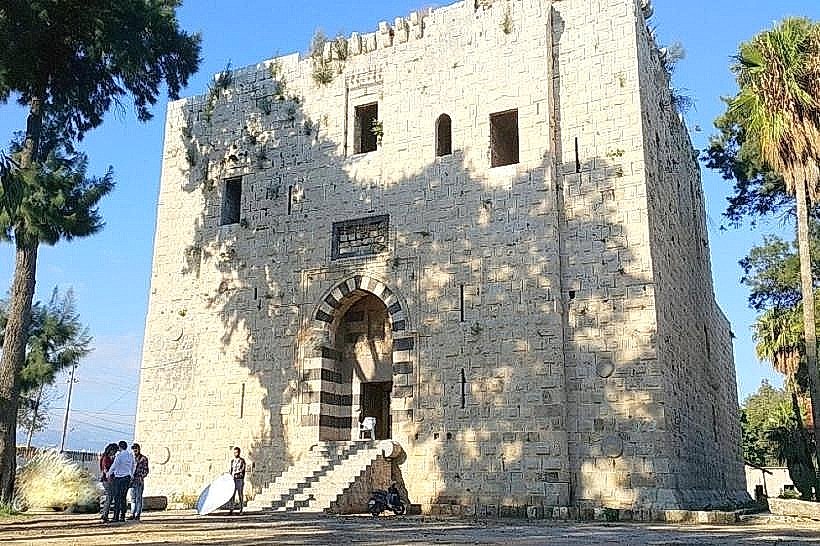
Citadel of Raymond de Saint-Gilles: 0.55km Southeast