Landmark: Saint John Church of the Crusaders
City: Tripoli
Country: Lebanon
Continent: Asia
Saint John Church of the Crusaders, Tripoli, Lebanon, Asia
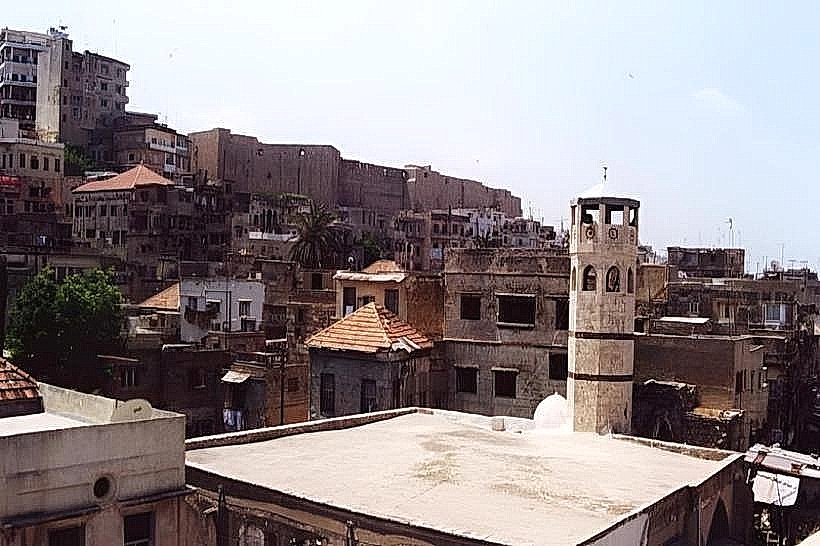
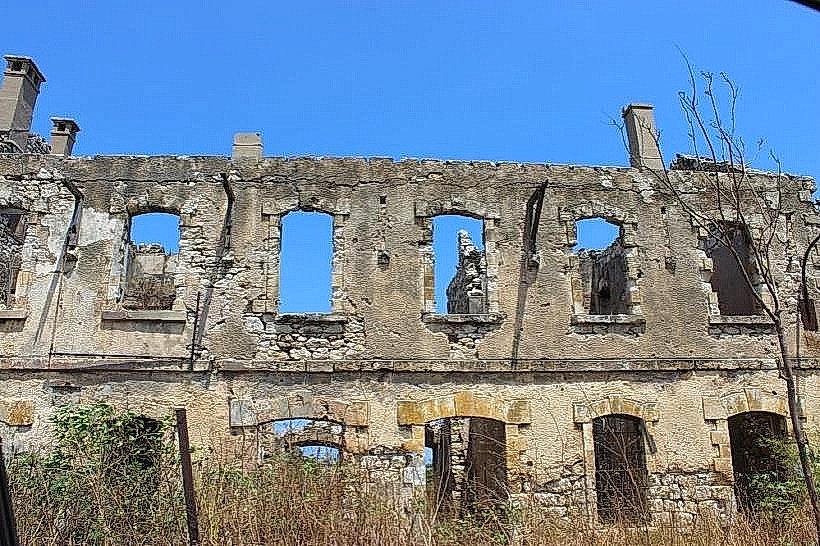
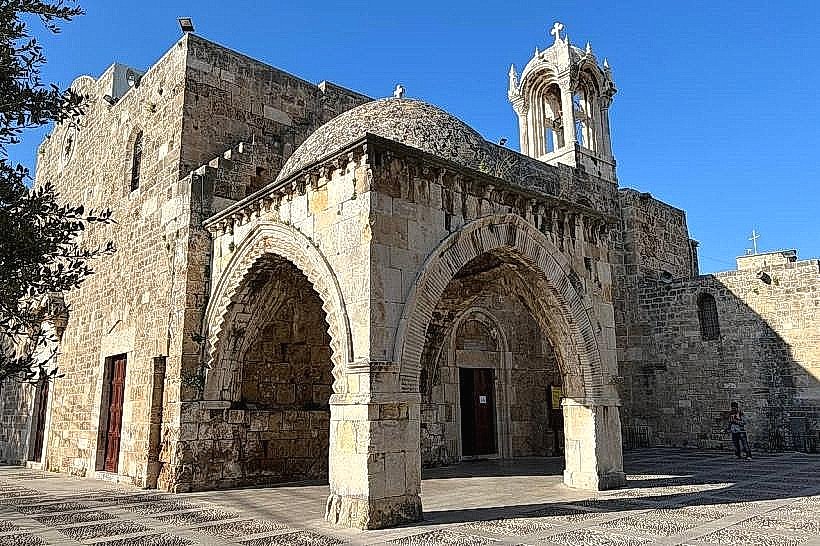
The Church of Saint John of the Pilgrims Mount (Saint John Church of the Crusaders) is a ruined 12th-century ecclesiastical structure located in Tripoli, Lebanon. Situated inside a historic cemetery, it represents a rare physical remnant of Crusader-era religious architecture within the city.
Visual Characteristics
The landmark consists of the foundational remains of two joined stone chapels built from dressed limestone blocks. The larger chapel retains a semi-circular inner apse oriented to the east, while the smaller adjacent chapel features a rectangular apse designed specifically for funerary services. The flooring consists of exposed weathered marble slabs, except within the raised choir section where the stone configuration shifts.
Location & Access Logistics
The ruins are situated inside the Saint John Maronite Cemetery on Abu Samra hill, approximately 200 meters south of the Citadel of Raymond de Saint-Gilles. From Tripoli's modern center (Sahat al-Nour), the site is 1.8 kilometers away via the Abu Samra main road. Visitors can park vehicles along the narrow residential street directly bordering the cemetery gate. Local shared minivans routing toward Abu Samra stop at the main intersection, requiring a 150-meter walk eastward to the cemetery entrance.
Historical & Ecological Origin
The church was constructed during the early 12th century, shortly after the establishment of the Crusader County of Tripoli in 1109. Built by Christian pilgrims and military orders, its original purpose was to serve as a primary funerary chapel and central burial ground for Frankish knights and pilgrims who died during the sieges and occupation of the region.
Key Highlights & Activities
Architectural observation of the distinct dual-chapel layout and the surviving semi-circular stone masonry is the primary activity. Photography of the medieval foundations contrasting against the surrounding historic gravestones is permitted. Close-up inspection of the hollow sub-floor chamber beneath the choir zone can be conducted from the perimeter of the larger chapel.
Infrastructure & Amenities
The site is entirely open-air with no overhead roofing, shade structures, or modern modifications. There are no public restrooms, visitor information kiosks, or water stations within the cemetery grounds. Cellular signal (4G/5G) is clear and stable due to the elevated hilltop position of the Abu Samra district. Small convenience stores and local cafes are located 100 meters away on the main neighborhood street.
Best Time to Visit
The optimal time for visiting and photography is during the early morning between 8:00 AM and 10:00 AM, when low-angle sunlight directly illuminates the eastern apses. The ruins are accessible during daylight cemetery opening hours, typically from 7:00 AM to 5:00 PM daily. The best months for visibility and comfortable outdoor walking are November through April to avoid peak Mediterranean heat and humidity.
Facts & Legends
The ruins remained completely hidden under layers of soil and debris for centuries until they were accidentally rediscovered during structural clearance works between 1946 and 1948. A unique architectural oddity is the hollow subterranean chamber directly below the choir section, which local folklore asserts was an emergency hiding vault for sacred relics, though archaeologists suggest it was engineered purely for acoustic resonance or structural drainage.
Nearby Landmarks
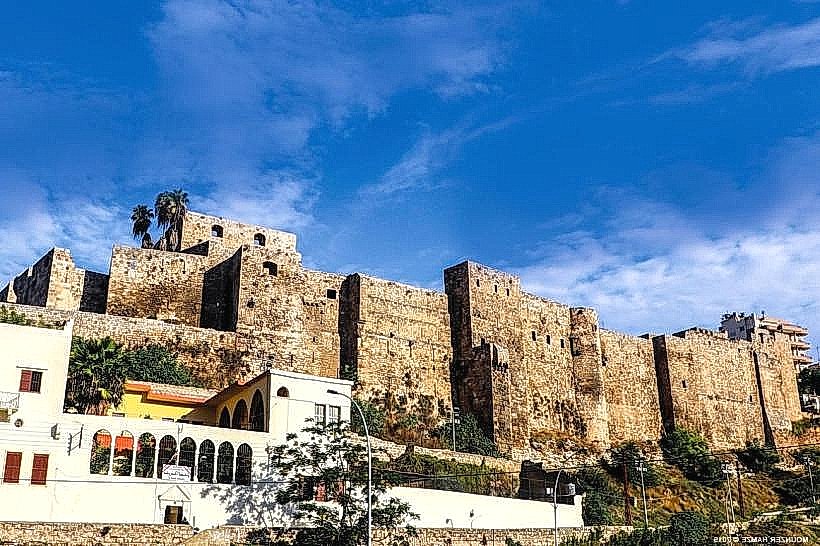
Citadel of Raymond de Saint-Gilles: 0.2km North
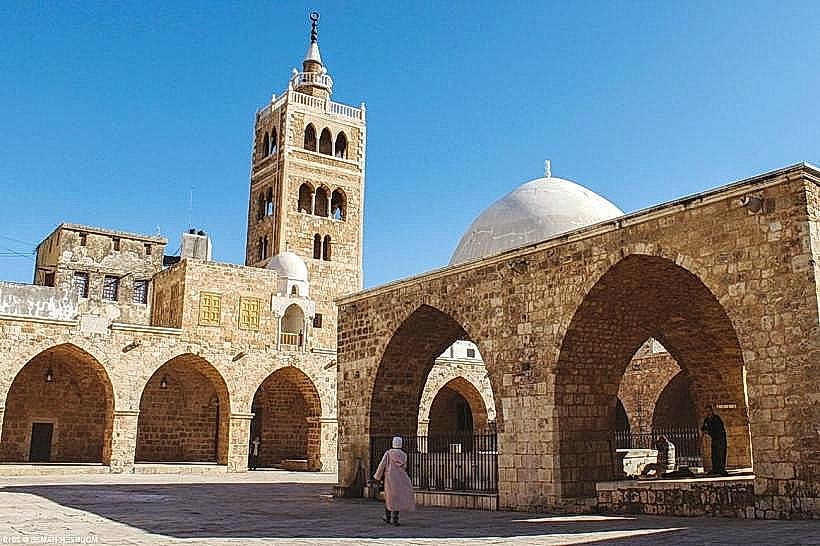
Great Mosque of Tripoli: 0.5km Northwest
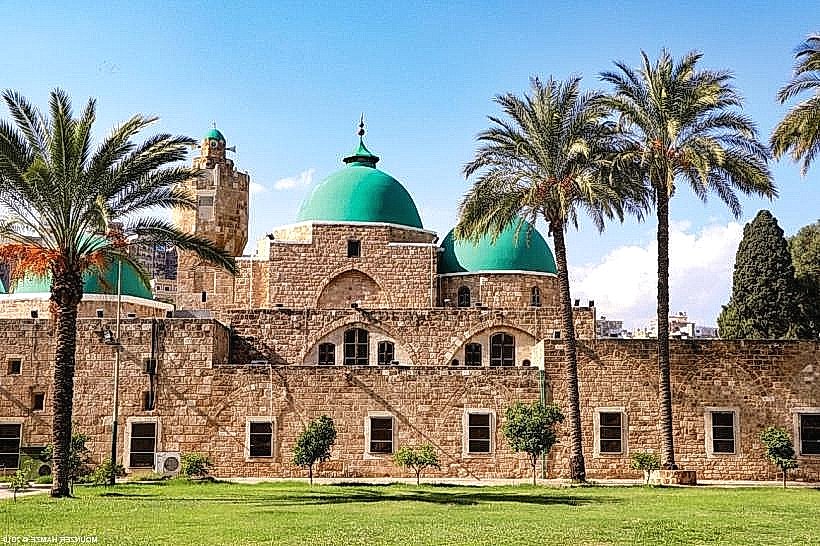
Taynal Mosque: 1.1km West
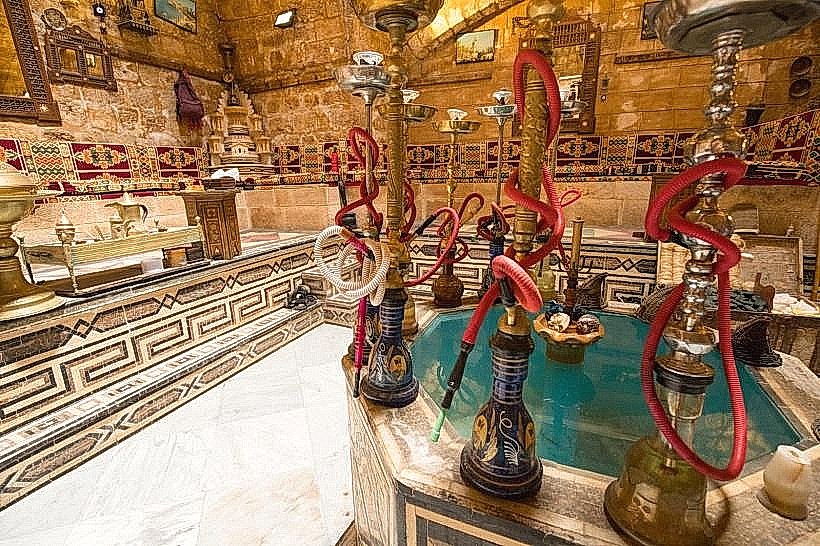
Khan al-Khayyatin: 0.4km North