Landmark: Mansouri Great Mosque
City: Tripoli
Country: Lebanon
Continent: Asia
Mansouri Great Mosque, Tripoli, Lebanon, Asia
The Great Al-Mansouri Mosque is the oldest and largest Mamluk-era congregational mosque in Tripoli, Lebanon. Established in the late 13th century, it anchors the historic core of the city and serves as its primary Islamic religious monument.
Visual Characteristics
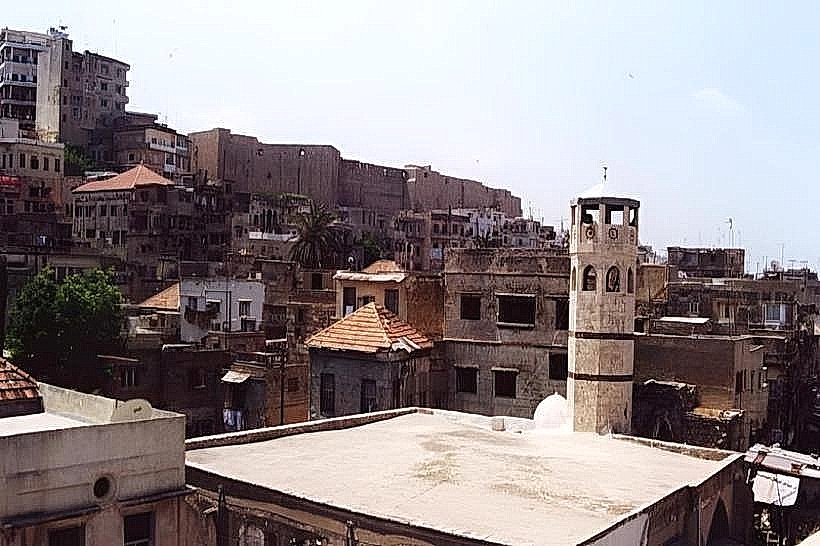
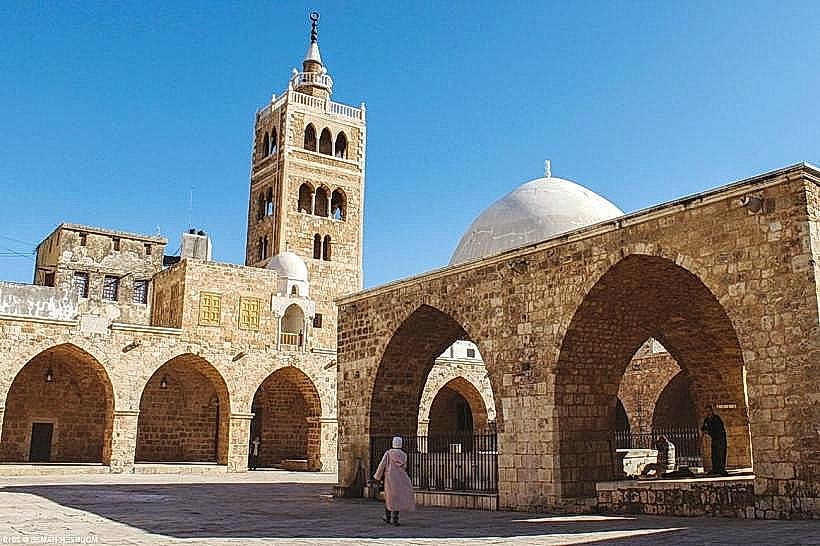
The mosque spans a rectangular area of approximately 50 by 60 meters, featuring an austere yellow-beige limestone exterior. It is defined by an open-central courtyard layout bordered on three sides by single-cross-vaulted porticoes. The main northern gate features a pointed Gothic arch decorated with alternating plain and zigzag ("chevron") stone moldings. The minaret is a prominent four-story square stone tower topped by a later-added octagonal level and a small conical dome.
Location & Access Logistics
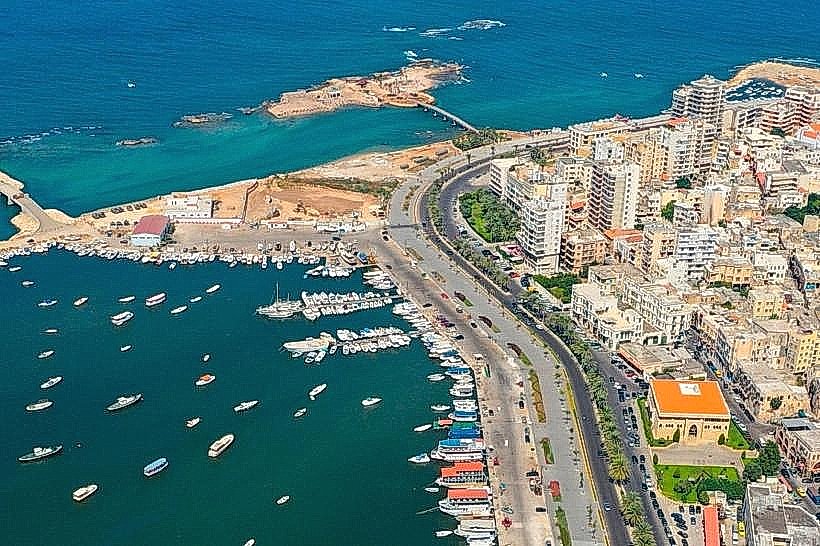
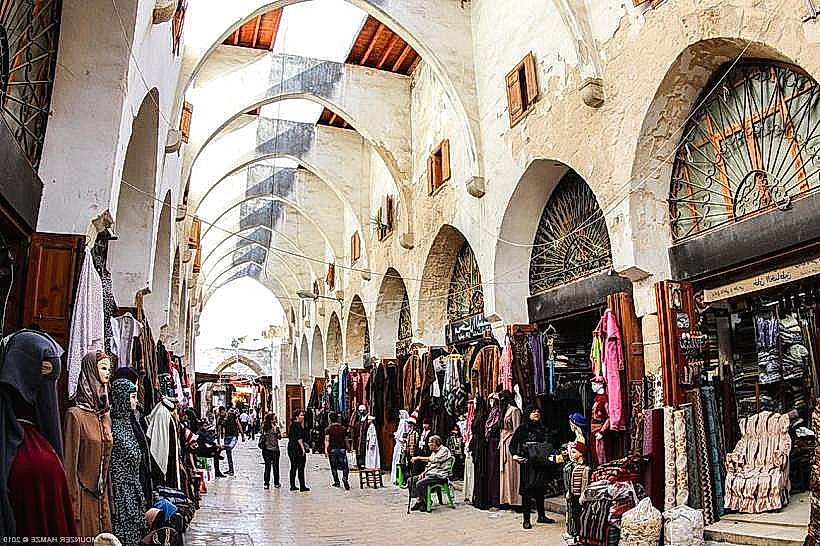
The mosque is situated in the Al-Nouri district of old Tripoli, roughly 85km north of Beirut. It is embedded within the dense fabric of the traditional souks, approximately 0.2km west of the Citadel of Raymond de Saint-Gilles. Vehicle access to the immediate perimeter is impossible due to the pedestrianized, narrow stone alleyways. Visitors typically park in the municipal lots near the Abu Ali River or Nour Square and navigate the remaining 10-minute walk through the markets on foot.
Historical & Ecological Origin
Commissioned in 1294 by Sultan al-Ashraf Khalil (son of Qalawun) following the expulsion of the Crusaders, the mosque was completed in 1298, with the courtyard arcades added in 1314 by Sultan al-Nasir Muhammad. It was constructed on the site of a former Crusader suburb. The main northern gate and the square minaret are repurposed architectural components of the 12th-century Crusader Church of St. Mary (Saint-Marie-de-Latour), which was destroyed during the Mamluk siege.
Key Highlights & Activities
The main prayer hall occupies the entire southern (qibla) side, measuring 51.5 meters in length, and contains an intricate wooden minbar donated by Amir Qaratay in 1326. An adjacent room known as the "Room of the Holy Prophetic Relic" holds a hair of the Prophet Muhammad, stored inside a gold box. Visitors can walk the arcaded courtyard to view the central ablution fountain and examine the distinct Norman-style stone carvings on the northern portal.
Infrastructure & Amenities
The site is an active religious sanctuary with 5G cellular signal available in the open courtyard. Public restrooms and traditional wudu (ablution) stations are integrated around the central basin. The mosque is surrounded immediately by the active commerce of the old markets, providing immediate access to local pharmacies, traditional bakeries, and street vendors. Modest attire is strictly enforced, and hair coverings are provided for female visitors at the entrance.
Best Time to Visit
The mosque is open daily for worshippers from dawn until evening prayers (typically 05:00 to 18:00). For non-Muslim tourists, the optimal time to visit is between the morning (Dhuhr) and afternoon (Asr) prayers on weekdays to ensure unobstructed access to the architecture. The interior cross-vaults offer a naturally cool environment during the high-heat summer months of July and August.
Facts & Legends
A unique historical feature is the gold box containing the prophetic relic, which was gifted to the city of Tripoli by the Ottoman Sultan Abdul Hamid II; it is traditionally displayed to the public only twice a year, on the final Friday of Ramadan and during Laylat al-Qadr. A verified architectural detail is the visible presence of spiky quatrefoil rosettes on the inner side of the main entryway, a direct signature of 13th-century Western Crusader craftsmanship integrated into the Mamluk structure.
Nearby Landmarks
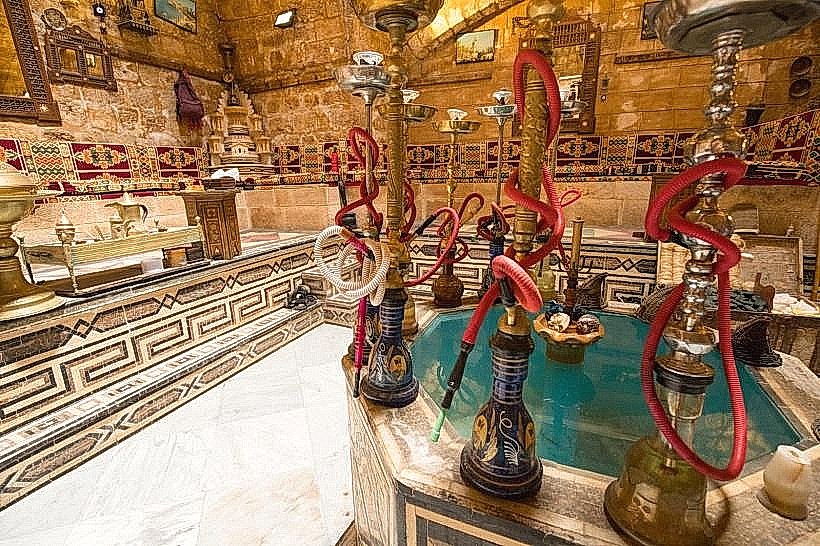
Khan al-Saboun (Soap Souk) (0.1km East)
Madrasah Qartawiyyah (0.01km East - Adjoining)
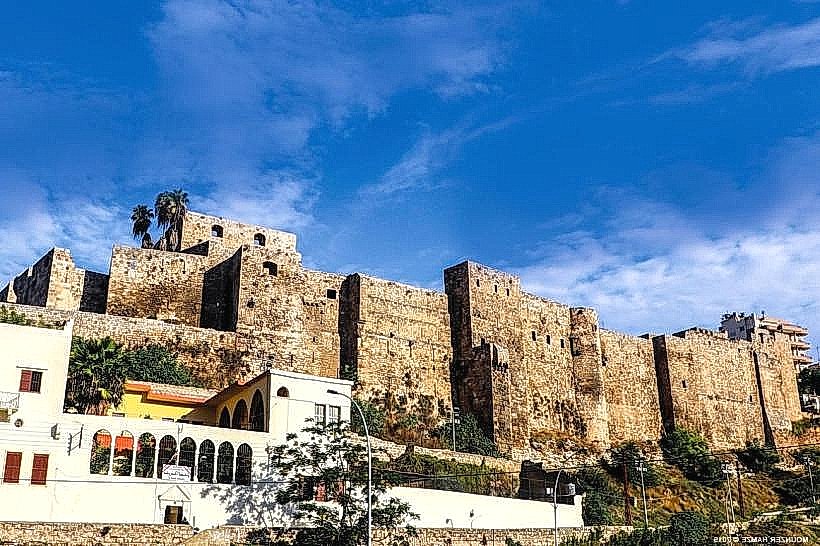
Citadel of Raymond de Saint-Gilles (0.2km East)
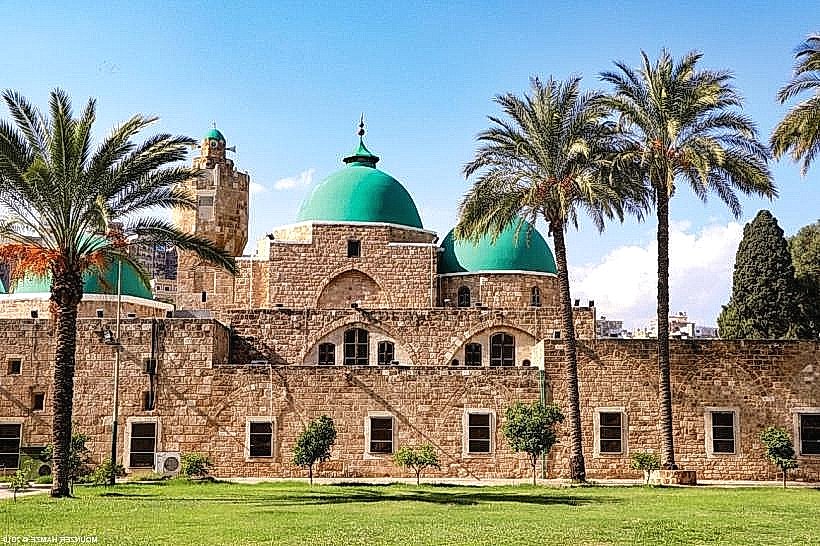
Taynal Mosque (0.6km Southwest)
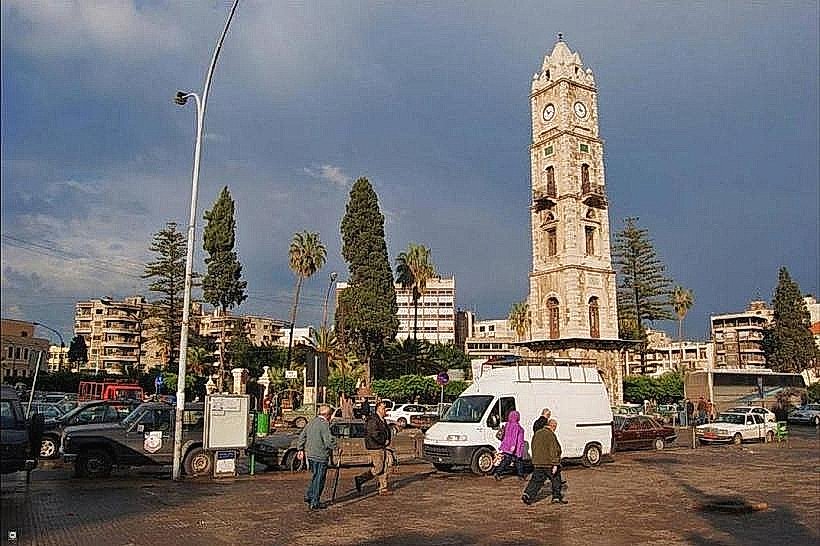
Sultan Abdul Hamid II Clock Tower (0.4km North)