Landmark: Madrasa al-Burtasiya
City: Tripoli
Country: Lebanon
Continent: Asia
Madrasa al-Burtasiya, Tripoli, Lebanon, Asia
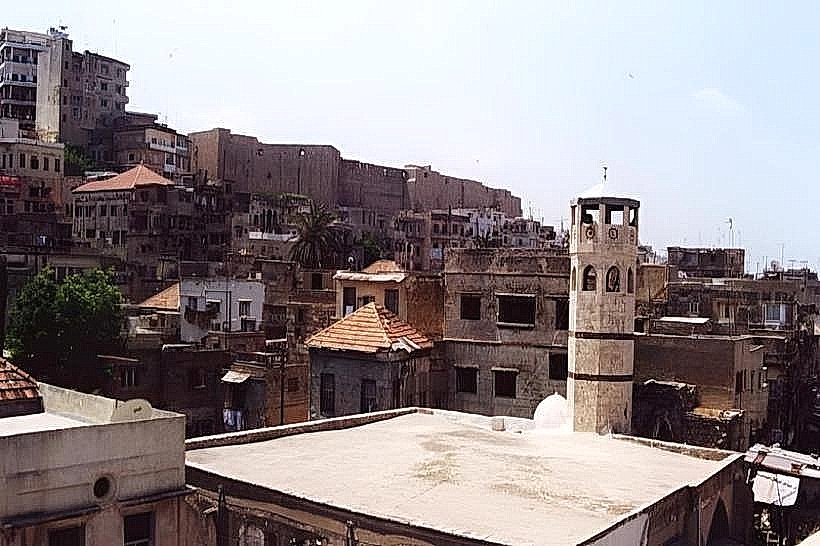
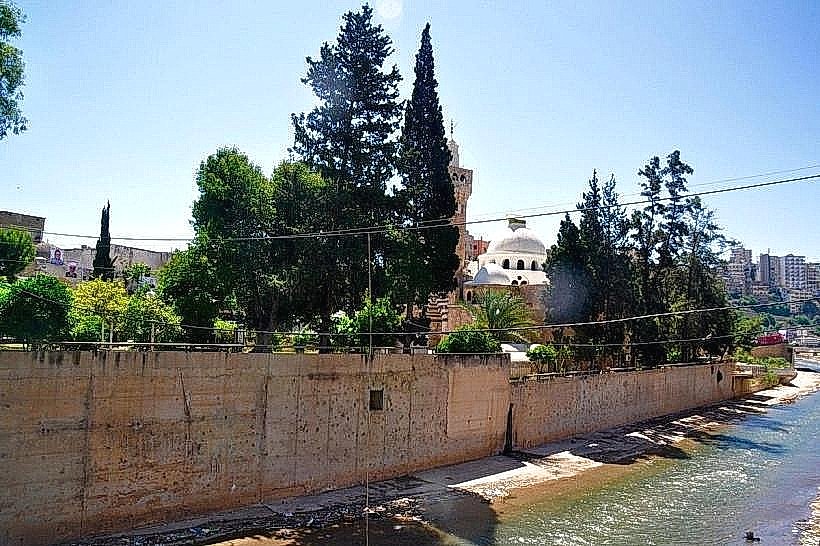
Madrasa al-Burtasiya is a 14th-century Mamluk Islamic school and mosque located in the old city of Tripoli, Lebanon. It stands directly on the west bank of the Abu Ali River and serves as a functioning religious site and historical architectural monument.
Visual Characteristics
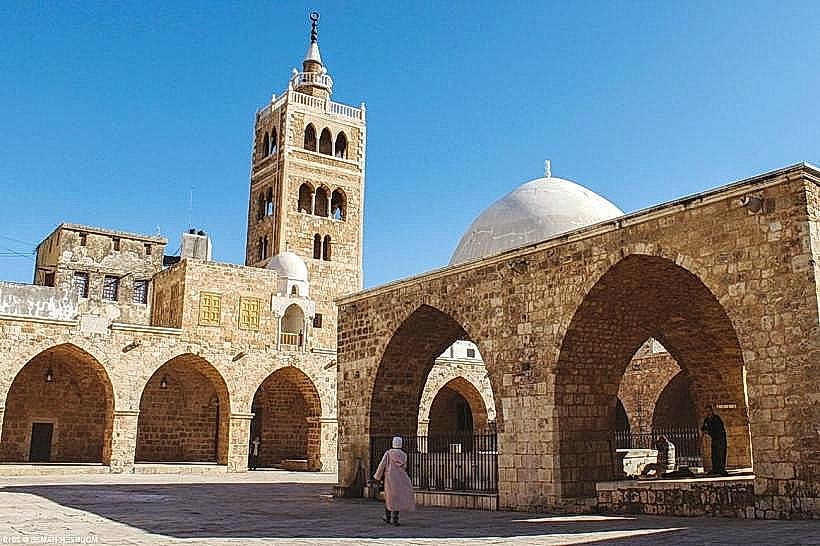
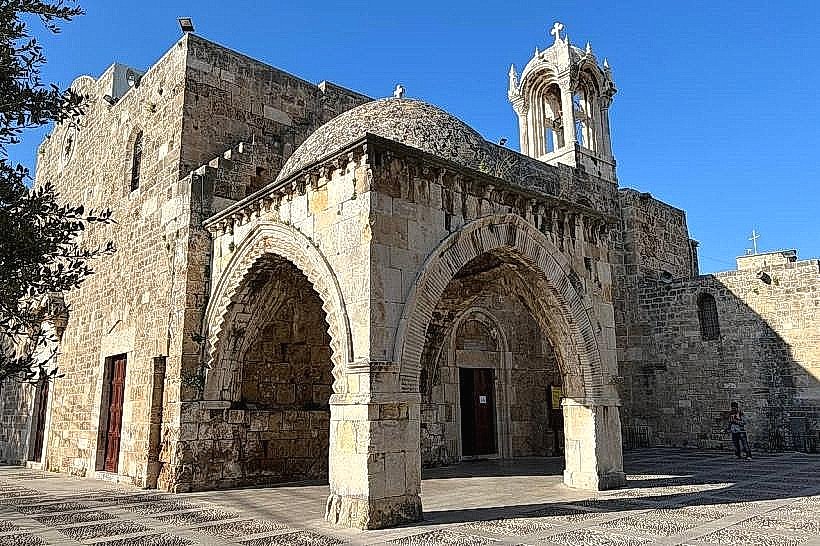
The structure is built from alternating courses of black and white stone, a characteristic Mamluk architectural style known as ablaq. Its facade features an ornate, highly decorated portal with geometric stone carvings, muqarnas (stalactite vaulting), and a square minaret that rises above the roofline featuring open arched windows. Inside, the main prayer hall contains a marble mosaic mihrab and a large central dome supported by heavy stone piers.
Location & Access Logistics
The landmark is situated on the edge of the Bab al-Hadid neighborhood, approximately 1.4 kilometers northeast of the modern city center (Sahat al-Nour). The building is accessible via the main vehicular road running parallel to the Abu Ali River, allowing vehicles or taxis to drop passengers directly at the entrance. Public parking is available at the municipal lot along the river, 100 meters north of the structure. Shared local minivans stop on the main river road directly in front of the site.
Historical & Ecological Origin
The madrasa was commissioned and funded by Prince Isa bin Ahmad al-Burtasi al-Kurdi and was completed around 1324 during the Mamluk era. It was established to serve a dual purpose: a theological seminary for the study of Islamic jurisprudence (Shafi'i school) and a congregational mosque for daily prayers.
Key Highlights & Activities
Observation of the intricate ablaq masonry and geometric marble mosaics is possible inside the main prayer hall outside of designated prayer times. Architectural photography of the exterior portal, muqarnas, and the square minaret can be done from the riverbanks or the adjacent bridge. Self-guided viewing of the interior calligraphy inscriptions and structural vaulting is permitted during non-service hours.
Infrastructure & Amenities
The interior of the prayer hall is fully shaded and sheltered from the elements. Restrooms and ablution facilities are available on-site for visitors. Cellular signal (4G/5G) is strong and stable throughout the property due to its open position next to the river corridor. Small grocery shops and local food vendors are located directly across the street from the entrance.
Best Time to Visit
The best time for exterior photography is during the late afternoon between 4:00 PM and 6:00 PM, when the setting sun illuminates the eastern facade and minaret. The interior is accessible to respectful non-worshipers outside of the five daily prayer times, with the mid-morning window (9:00 AM to 11:30 AM) being optimal. The ideal months for visiting are October through April to avoid the high summer temperatures.
Facts & Legends
Architectural historians note that the minaret of Madrasa al-Burtasiya is structurally atypical for the region, as it is built directly over the entrance portal rather than on a separate foundation, showcasing advanced Mamluk engineering. A local historical account states that during the major 1955 flood of the Abu Ali River, the structure's heavy stone foundations prevented it from collapsing, while many surrounding medieval buildings were completely swept away.
Nearby Landmarks
Khan al-Khayyatin: 0.3km Southeast
Citadel of Raymond de Saint-Gilles: 0.5km South
Great Mosque of Tripoli: 0.6km Southwest
Taynal Mosque: 1.2km Southwest