Landmark: Lion’s Tower (Borj al-Sabaa)
City: Tripoli
Country: Lebanon
Continent: Asia
Lion’s Tower (Borj al-Sabaa), Tripoli, Lebanon, Asia
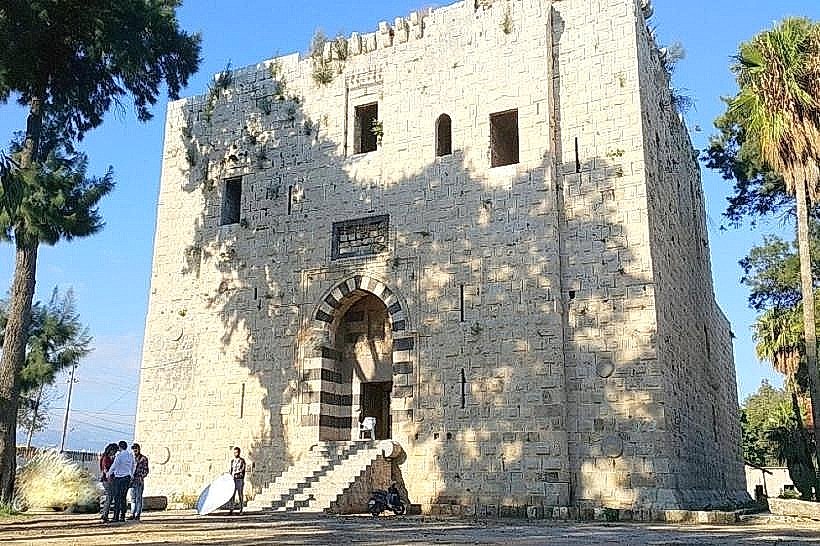
Lion’s Tower, locally known as Borj al-Sabaa, is a late 15th-century military fortification located in the port district of El-Mina in Tripoli, Lebanon. It stands as a preserved example of coastal defense architecture built during the Mamluk era.
Visual Characteristics
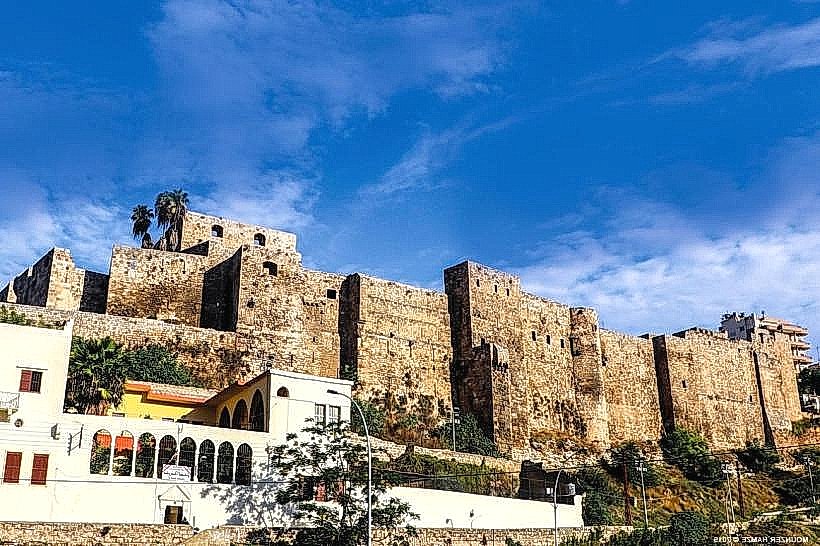
The fortress is a two-story rectangular structure constructed from heavy limestone blocks, measuring approximately 28 meters long by 20 meters wide. Its exterior walls incorporate dozens of Roman granite column shafts embedded horizontally as structural reinforcements to resist artillery impact. The lower level features a thick stone portal framed by decorative ablaq (alternating black and white stone) masonry, while the interior consists of a massive central hall covered by cross-vaulted ceilings supported by central pillars.
Location & Access Logistics
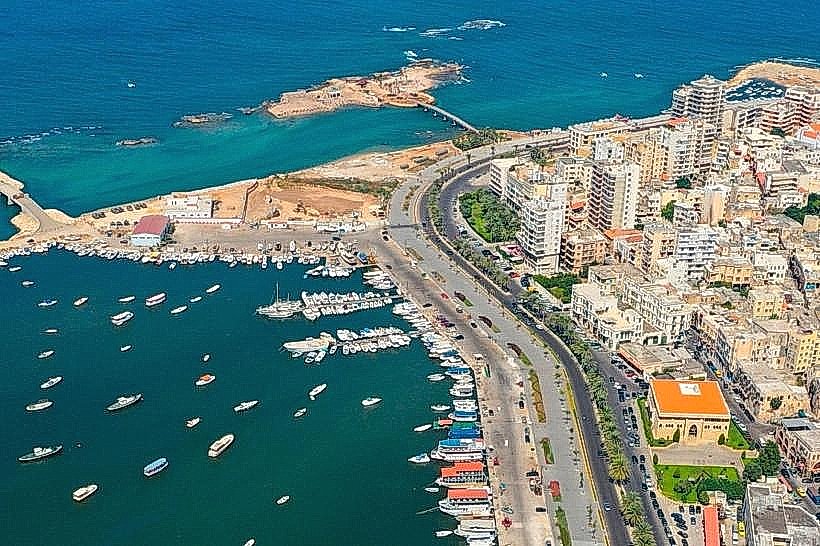
The tower is situated adjacent to the old Tripoli railway terminal in the El-Mina port area, approximately 4.5 kilometers northwest of Tripoli's modern city center (Sahat al-Nour). It is directly accessible via the coastal Corniche road. Dedicated vehicular parking is available on the gravel lot surrounding the monument. Shared local minivans (sergis) run continuously from Sahat al-Nour to the El-Mina port roundabout, which is a 400-meter walk east of the tower entrance.
Historical & Ecological Origin
The tower was constructed around 1475 by the Mamluk Sultan Al-Ashraf Sayf al-Din Qaitbay. It was built as part of a strategic network of coastal watchtowers designed to defend the vulnerable port of Tripoli against naval raids by the Kingdom of Cyprus and pirate fleets.
Key Highlights & Activities
Exploring the interior vaulted chambers and ascending the stone staircase to the roof level is possible during operating hours. Panoramic photography of the Mediterranean coastline and the historic railway station ruins can be conducted from the top ramparts. Close-up inspection of the ancient Roman columns reused within the external masonry walls is achievable from the surrounding perimeter pathway.
Infrastructure & Amenities
The interior chambers provide full shade and lower temperatures than the outside environment, while the roof has no protection from elements. There are no public restrooms or visitor centers inside the tower property. Cellular signal (4G/5G) is exceptionally strong and stable due to the open, flat coastal geography. Numerous cafes, restaurants, and seafood vendors operate along the main Corniche road, 200 meters from the site.
Best Time to Visit
The optimal time for photography is during the golden hour, approximately one hour before sunset, when the light strikes the western maritime facade. The monument is open daily from 9:00 AM to 6:00 PM during summer, and until 4:00 PM during winter. The best months for a visit are March through May and September through November to avoid extreme summer humidity on the exposed roof.
Facts & Legends
The structure derives its name from the relief carvings of two lions that originally flanked the main entrance portal, which have since eroded or been defaced over centuries of military occupations. During the British mandate period, the interior of the tower was briefly utilized as an ammunition storage depot due to its thick bomb-proof walls, which measure over two meters in thickness.
Nearby Landmarks
El-Mina Port and Corniche: 0.5km East
Tripoli Train Station (Ruins): 0.1km South
Al-Muallaq Mosque: 4.1km Southeast
Citadel of Raymond de Saint-Gilles: 4.4km Southeast