Landmark: Clock Tower (Tell Square)
City: Tripoli
Country: Lebanon
Continent: Asia
Clock Tower (Tell Square), Tripoli, Lebanon, Asia
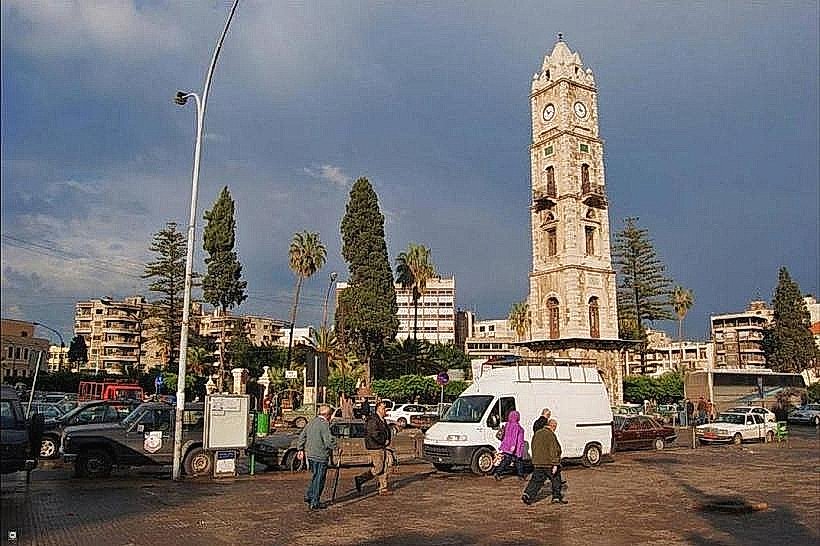
The Sultan Abdul Hamid II Clock Tower, commonly known as the Tell Square Clock Tower, is an Ottoman-era civic monument located in the center of Al-Tell Square in Tripoli, Lebanon. Erected at the turn of the 20th century, it serves as the central focal point of the city's modern commercial district.
Visual Characteristics
The monument is a five-story, freestanding square tower constructed from local yellow-ochre limestone, measuring approximately 15 meters in height. Its architecture reflects late Ottoman eclectic style, incorporating neo-baroque and traditional Islamic elements. Each facade features narrow arched windows, decorative stone balconies with wrought-iron railings, and ornamental cornices. The topmost level houses four large, circular mechanical clock faces-one on each side-sheltered by a small tiled roof structure.
Location & Access Logistics
The clock tower occupies the central island of Al-Tell Square (also known as Jamal Pasha Square) in central Tripoli, roughly 85km north of Beirut. It is a major transit hub where the city’s primary commercial avenues intersect. Due to continuous, heavy vehicular traffic around the square, pedestrians must cross active lanes to reach the base of the tower. Ample street parking and private parking lots are located in the surrounding Al-Tell neighborhood. All public buses and "Service" vans from Beirut terminate within a 100-meter radius of this landmark.
Historical & Ecological Origin
The tower was constructed between 1901 and 1902 to commemorate the 25th anniversary of Sultan Abdul Hamid II’s accession to the Ottoman throne. It was gifted to the city by the Ottoman authorities, mirroring similar jubilee towers built in Beirut, Jaffa, and Haifa. The surrounding square was developed on a former olive grove and hill ("Tell") to shift the civic center of Tripoli away from the cramped medieval souks toward a modern, European-planned urban layout.
Key Highlights & Activities
The clock tower functions primarily as a historical landmark and navigational anchor for urban exploration. Visitors use the site as a starting point for walking tours transitioning from the modern French Mandate-era buildings of Al-Tell to the adjacent Mamluk-era markets. Photography of the tower’s exterior details, paired with the surrounding vintage architecture and bustling street life, is the main activity.
Infrastructure & Amenities
The tower is situated in a high-density urban zone equipped with 5G cellular coverage and municipal street lighting. The interior of the tower is closed to the general public. While the immediate traffic island lacks seating or restrooms, Al-Tell Square is densely populated with traditional pavement cafes, historic hotels, pharmacies, and money exchanges. Tripoli's famous traditional sweet shops are located within a 2-minute walk.
Best Time to Visit
The best time for photography is during the late afternoon when the low sun illuminates the warm tones of the yellow sandstone facade, or at night when the tower is lit by municipal floodlights. The square is active 24/7, but the peak bustling atmosphere occurs on weekday mornings and afternoons. The location is entirely open-air and accessible year-round.
Facts & Legends
A unique historical detail is that the clock mechanism was originally a mechanical weight-driven system shipped directly from Istanbul, requiring manual winding by a designated municipal keeper every few days. Local accounts note that during various periods of civil unrest, the clock faces were broken by stray bullets, but the tower itself remained structurally undamaged, continuing to serve as the undisputed symbolic "heart" and meeting point for the residents of Tripoli.
Nearby Landmarks
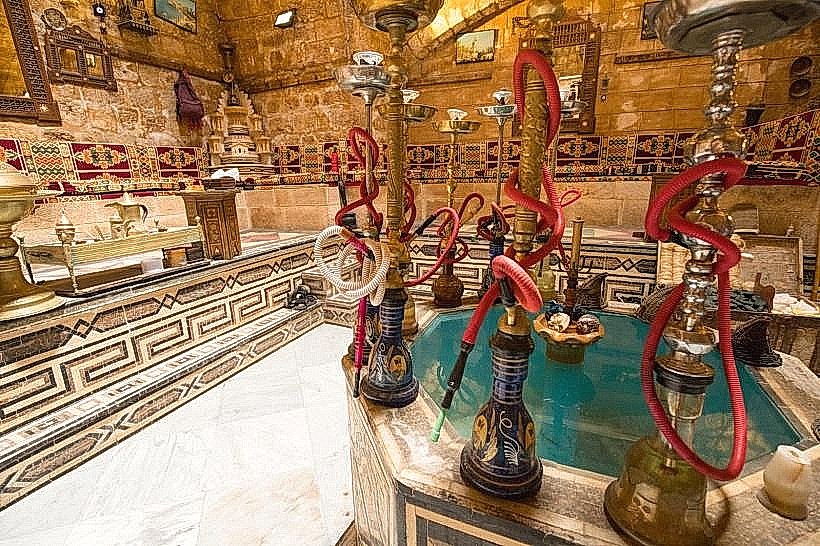
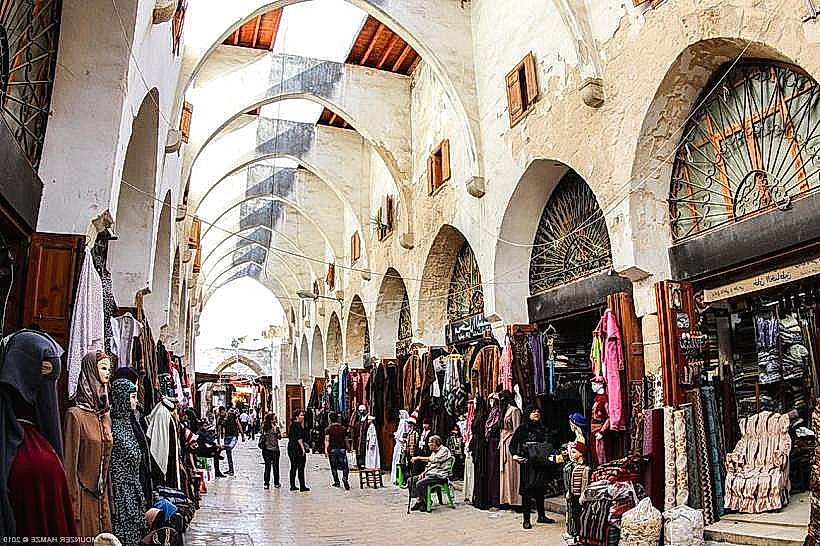
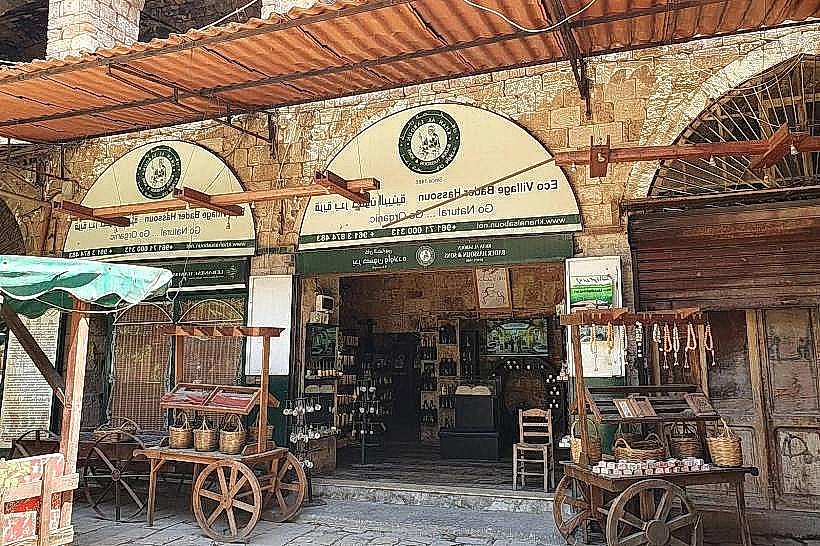
Khan al-Saboun (Soap Souk) (0.3km South)
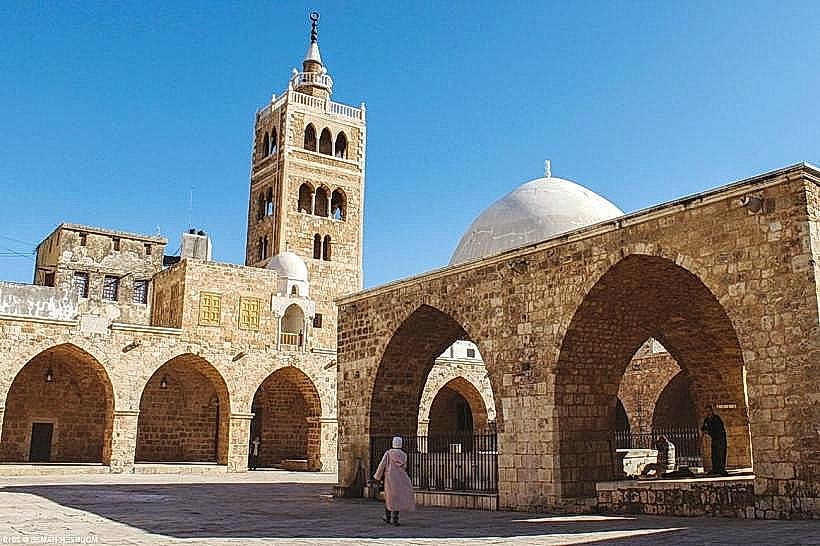
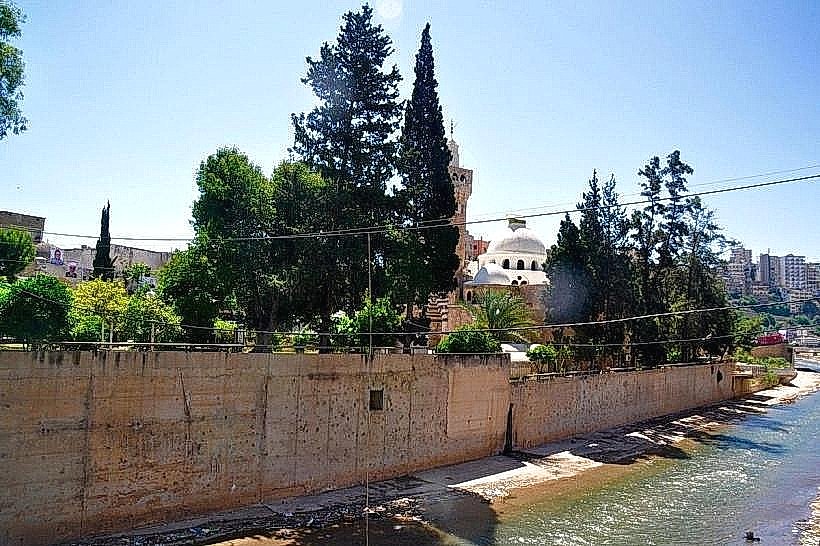
The Great Al-Mansouri Mosque (0.4km South)
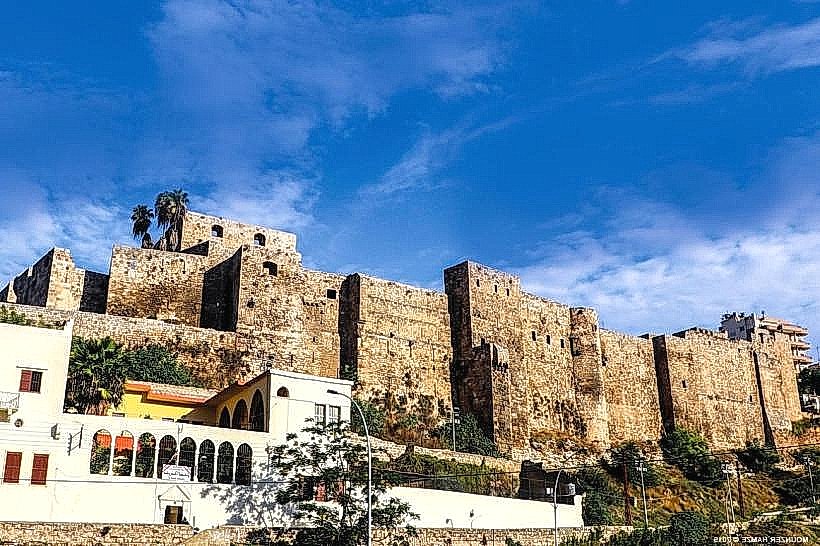
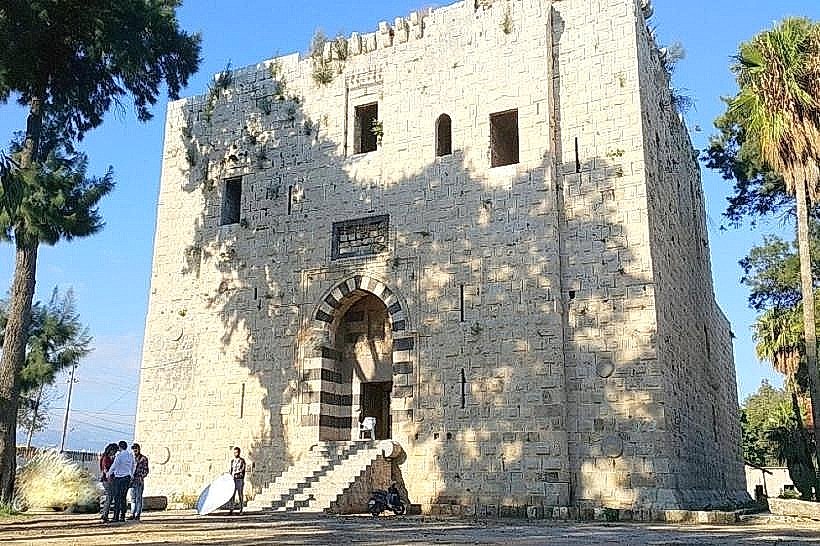
Citadel of Raymond de Saint-Gilles (0.5km Southeast)
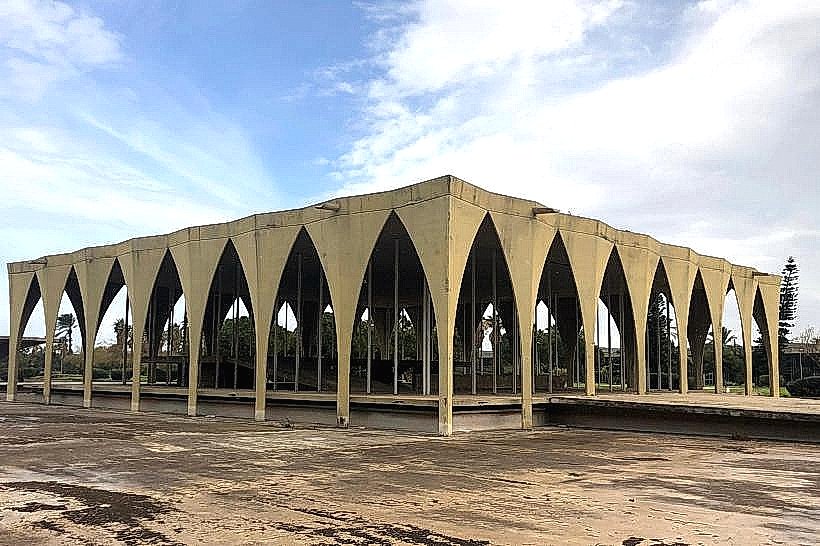
Rachid Karami International Fair (1.5km Southwest)
Al-Mina Port (3.5km West)