Landmark: Taynal Mosque
City: Tripoli
Country: Lebanon
Continent: Asia
Taynal Mosque, Tripoli, Lebanon, Asia
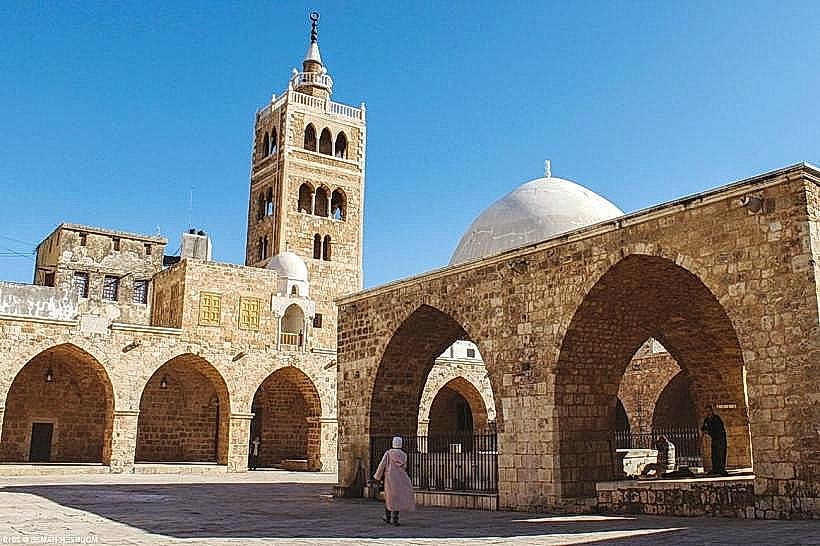
The Taynal Mosque is a prominent Mamluk-era religious monument located on the edge of the historic old city of Tripoli, Lebanon. Built in the mid-14th century, it is recognized by architectural historians as one of the finest examples of Islamic and Mamluk architecture in the Mediterranean basin.
Visual Characteristics
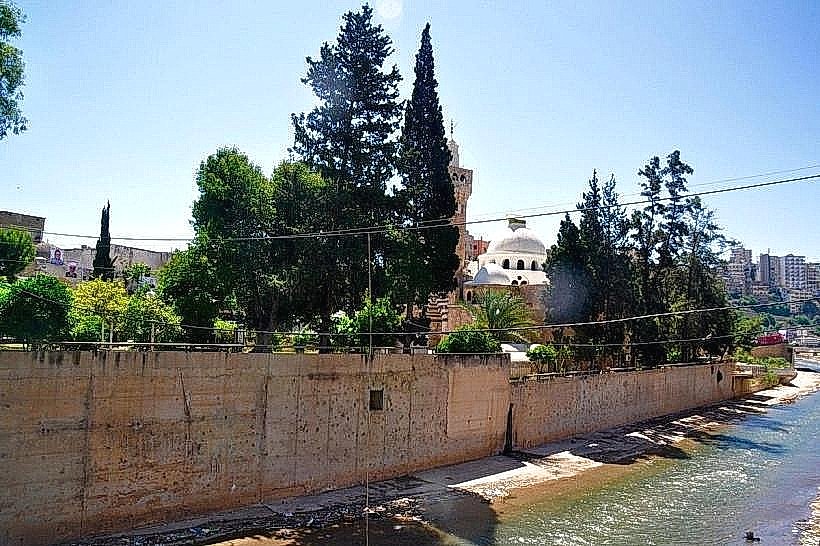
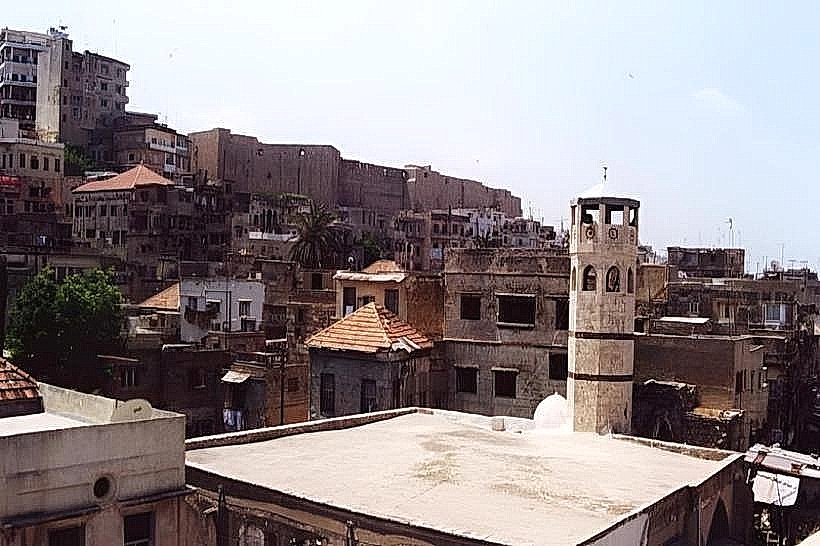
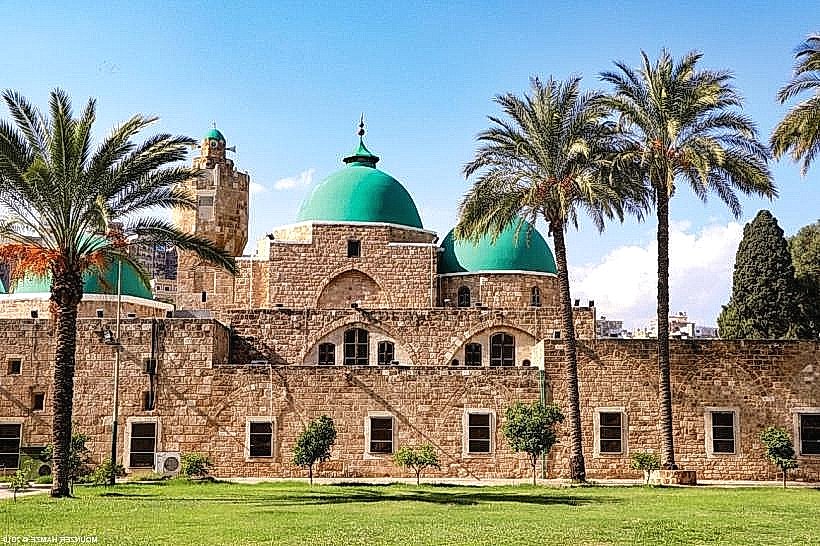
The mosque is constructed from fine-veined ochre and yellow limestone and is structurally divided into two distinct, consecutive prayer halls. The exterior is notable for its four asymmetrical domes and a square minaret that transitions into an octagonal tower. The interior features a striking contrast of styles, with a grand, recessed inner portal constructed in the classic ablaq technique (alternating courses of black and white stone) leading into a main prayer hall supported by ancient granite columns.
Location & Access Logistics
The site is situated on Taynal Street, positioned in an open green area that historically served as a cemetery, roughly 0.6km southwest of the Great Al-Mansouri Mosque. Unlike the mosques embedded deep within the narrow alleys of the souks, the Taynal Mosque is directly accessible by car. Visitors can utilize a dedicated parking area immediately outside the mosque gates. It is a 10-minute walk from the central Nour Square or the main Tripoli-Beirut highway.
Historical & Ecological Origin
Commissioned in 1336 by Emir Seifeddine Taynal al-Nasiri, the Mamluk governor of Tripoli, the mosque was completed in consecutive stages. It was built atop the ruins of an elite 12th-century Crusader Carmelite church, which itself had been constructed over a Roman temple dedicated to Zeus. The site sits on fertile alluvial plains near the Abu Ali River basin, surrounded by old orchards and olive trees that historically isolated it from the dense residential fabric.
Key Highlights & Activities
The architectural sequence is the primary highlight. Visitors enter through the first, simpler prayer hall-which retains the basilical floor plan and Roman-granite pillars of the older church-before confronting the monumental inner portal. This 5-meter-high portal is adorned with complex geometric marble mosaics and stalactite (muqarnas) carvings. The second hall contains the primary mihrab (prayer niche) and an intricately carved wooden minbar.
Infrastructure & Amenities
The mosque is an active house of worship with modern 5G cellular coverage throughout the grounds. It features traditional ablution blocks and public restrooms for visitors. The surrounding landscaped courtyard contains stone benches and shaded pathways. While there are no food services on the immediate grounds, the commercial districts of modern and historic Tripoli are located within a 500-meter radius.
Best Time to Visit
The best time for architectural photography is midday, when vertical sunlight streams through the windowed drums of the domes, illuminating the interior ablaq masonry and marble floors. Non-Muslim visitors should plan their visits outside of the five daily prayer times, preferably on weekday mornings between 09:00 and 11:30. Conservative dress is required, and shoes must be removed before entering the prayer halls.
Facts & Legends
A unique structural engineering feature is the "twin staircase" hidden inside the minaret, which allows two people to ascend or descend simultaneously without seeing or passing each other. Local legend states that the ancient columns inside the first hall were transported from a ruined Roman temple on the coast via an underground tunnel network, though modern archaeological evidence indicates they were repurposed from the immediate site foundations.
Nearby Landmarks
Great Al-Mansouri Mosque (0.6km Northeast)
Madrasah Qartawiyyah (0.6km Northeast)
Citadel of Raymond de Saint-Gilles (0.7km East)
Khan al-Khayyatin (Tailors' Souk) (0.6km Northeast)
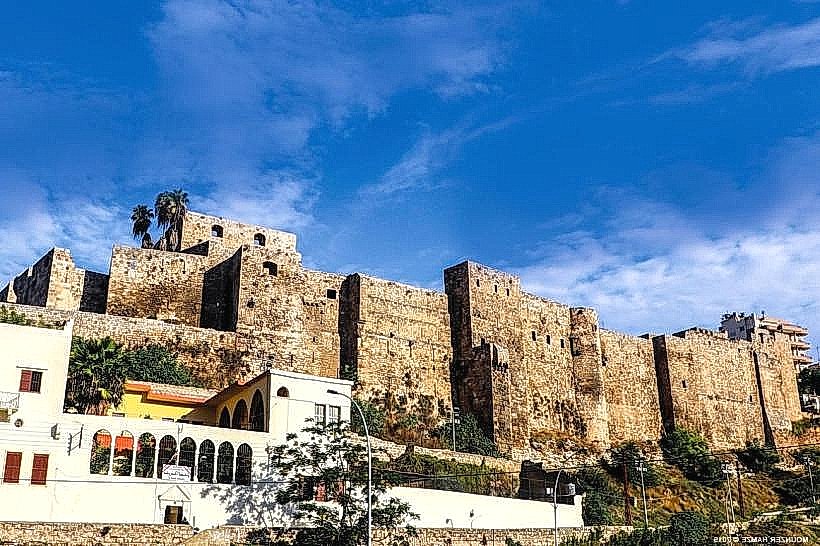
Nour Square (0.5km North)