Landmark: Khan al-Saboun
City: Tripoli
Country: Lebanon
Continent: Asia
Khan al-Saboun, Tripoli, Lebanon, Asia
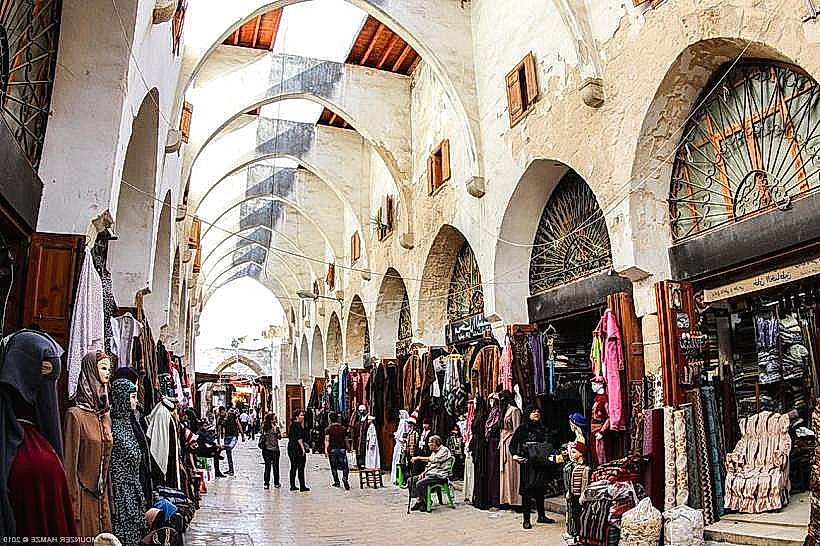
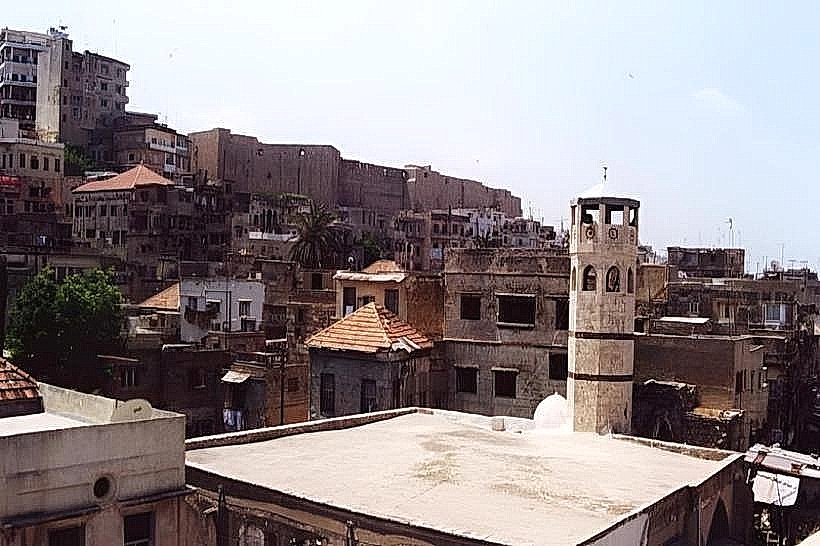
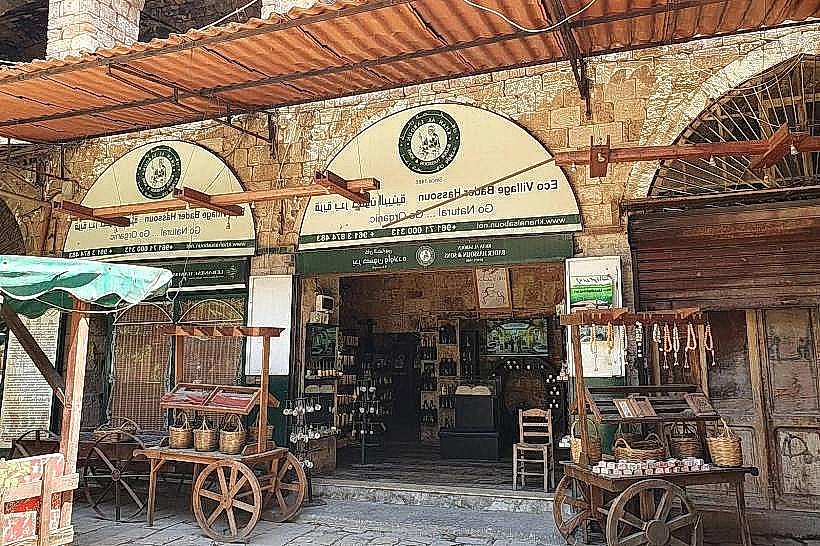
Khan al-Saboun is a 15th-century Mamluk caravanserai located in the heart of the historic old souks of Tripoli, Lebanon. It operates as a centralized marketplace and production site dedicated to traditional olive oil soap manufacturing.
Visual Characteristics
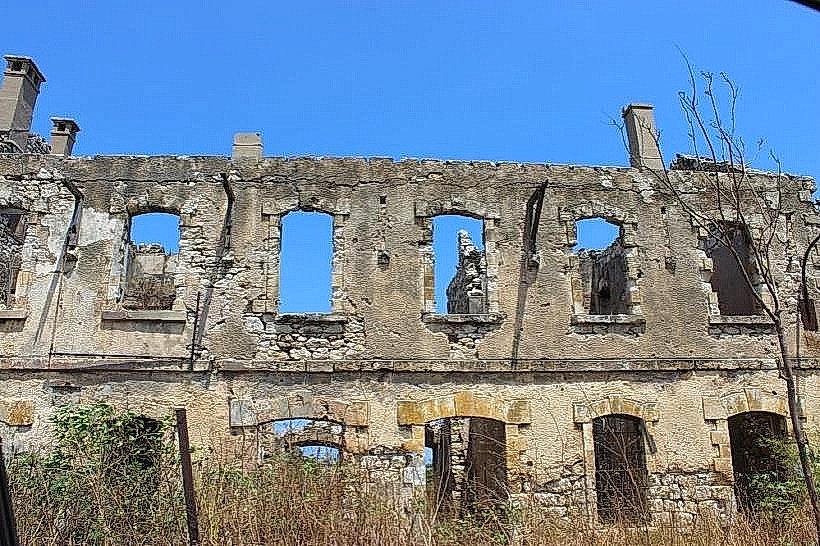
The structure is a classic square caravanserai built around a central, open-air rectangular courtyard featuring a central stone fountain. The masonry consists of weathered limestone and sandstone blocks. The two-story building features a ground-level arcade with wide, vaulted storage chambers and a second-story loggia supported by pointed arches that lead to former merchant rooms.
Location & Access Logistics
The site is situated within the dense market network of Tripoli’s old city, approximately 1.3 kilometers east of Sahat al-Nour (the modern center). The immediate area is entirely pedestrianized, requiring visitors to park at the public parking lot near the Abu Ali River, 250 meters to the east. Public transit via shared local minivans connects Sahat al-Nour to the Al-Tawjih Mosque drop-off point, located a 3-minute walk from the khan's western entrance.
Historical & Ecological Origin
The khan was constructed during the late 15th century by the Mamluk Governor of Tripoli, Zain al-Din Al-Askar. Originally built as a military barrack and storage depot for ammunition, it was converted during the Ottoman period into a commercial manufacturing center for olive oil-based soap to capitalize on the region's vast olive groves.
Key Highlights & Activities
Observing the traditional cold-process soap cutting, stamping, and drying techniques is possible within the active ground-floor workshops. Guided demonstrations of essential oil extraction and organic soap compounding run regularly. Purchasing specialized artisanal soaps, therapeutic cosmetics, and aromatic oils is available directly from the resident manufacturers.
Infrastructure & Amenities
The central courtyard provides natural light and open air, while the perimeter arcades offer complete shade. Public restrooms are absent within the landmark but accessible at the adjacent Great Mosque. Cellular signal (4G/5G) is stable in the open courtyard but significantly degraded inside the thick-walled stone workshops. Multiple juice stands and traditional cafes are located within a 50-meter radius in the surrounding souk.
Best Time to Visit
The best time for photography is from 11:00 AM to 1:00 PM when the sun is directly overhead, fully illuminating the central courtyard and fountain. Shops and production workshops operate Monday through Saturday from 9:00 AM to 6:00 PM. The most comfortable months for visiting are April, May, October, and November to avoid peak summer humidity inside the crowded market alleys.
Facts & Legends
During the Ottoman era, Khan al-Saboun produced custom-scented, gold-infused soaps exclusively exported to the royal courts in Istanbul for the Sultan's household. A local historical curiosity is that the soap recipes used by the master soapmakers inside the khan today utilize the exact chemical ratios and herbal blends documented in 15th-century family ledgers.
Nearby Landmarks
Khan al-Khayyatin: 0.2km East
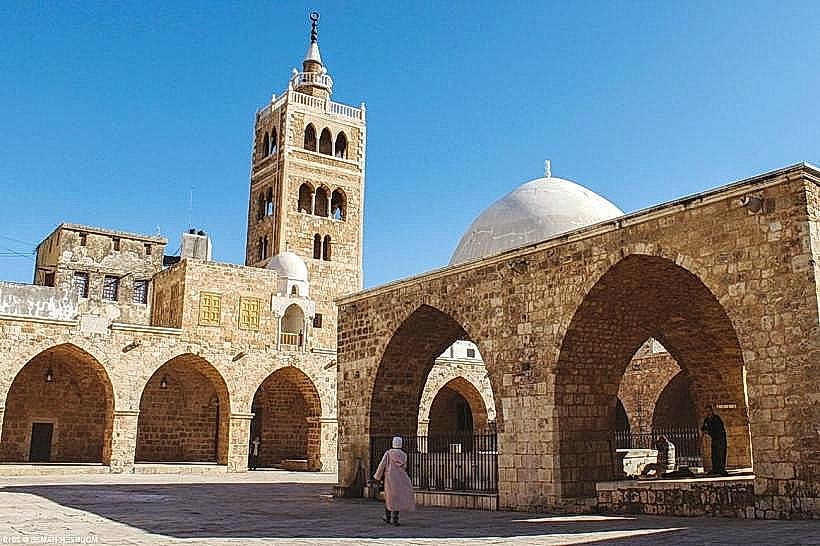
Great Mosque of Tripoli: 0.2km South
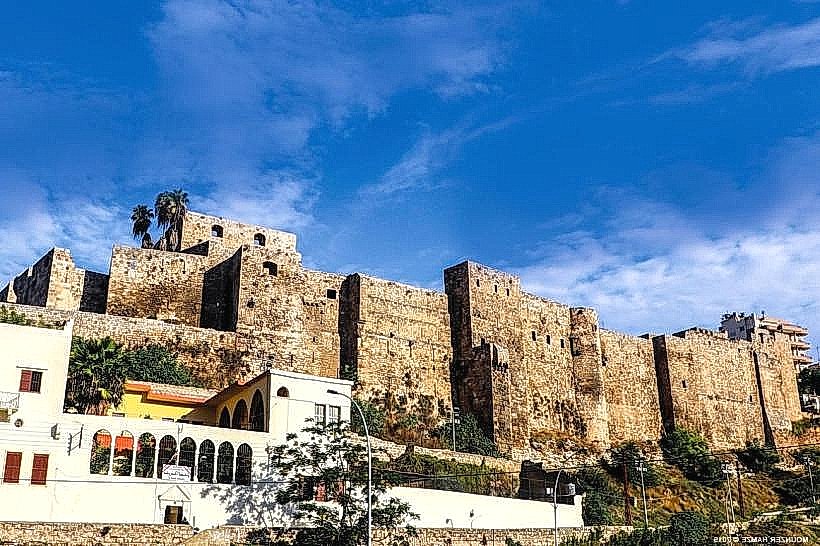
Citadel of Raymond de Saint-Gilles: 0.4km Southeast
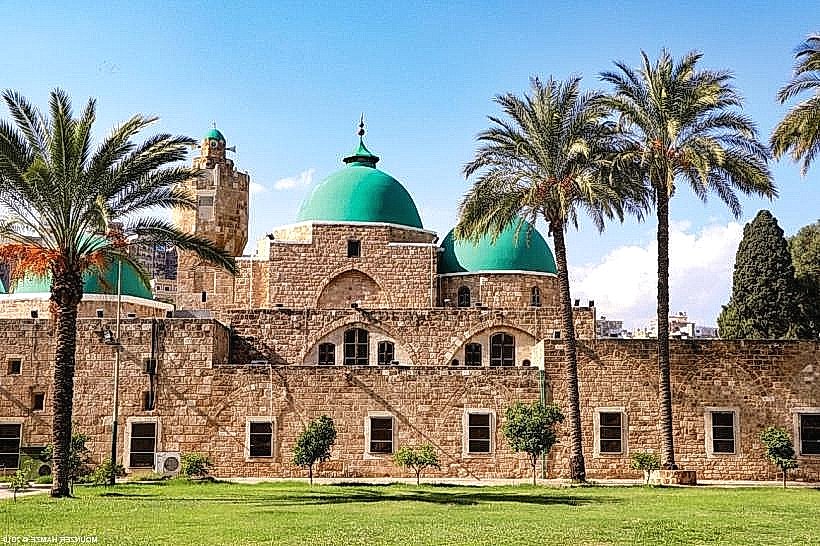
Al-Mualak Mosque: 0.15km West