Landmark: Tripoli Railway Station Ruins
City: Tripoli
Country: Lebanon
Continent: Asia
Tripoli Railway Station Ruins, Tripoli, Lebanon, Asia
Historic Tripoli Railway Station is an abandoned early 20th-century terminal located in the El-Mina port district of Tripoli, Lebanon. It serves as a historical monument documenting the defunct railway infrastructure of the Levant.
Visual Characteristics
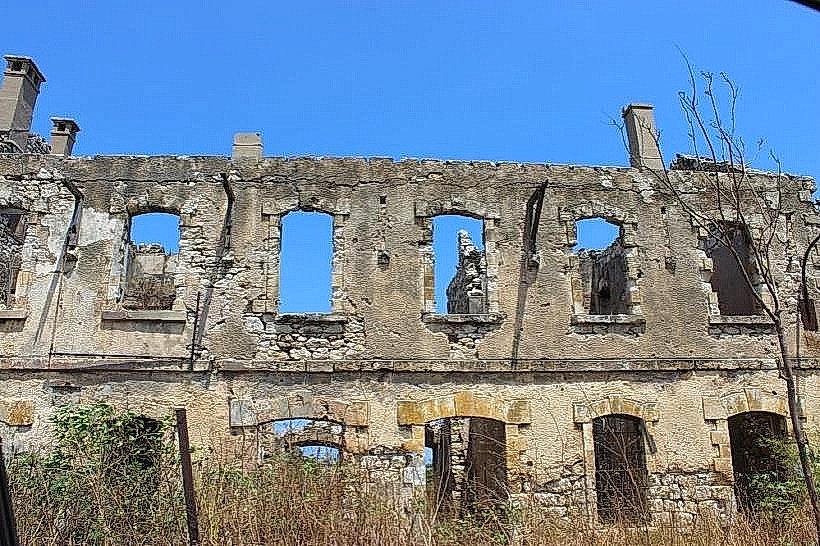
The landmark consists of a derelict terminal building, multi-track railyards, and decaying rolling stock, including several century-old German steam locomotives. The main station building features classic Ottoman-era limestone masonry with arched doorways and a dilapidated clay-tile roof. The entire site is heavily weathered, characterized by rusted metal chassis, overgrown Mediterranean vegetation between the tracks, and crumbling concrete platforms.
Location & Access Logistics
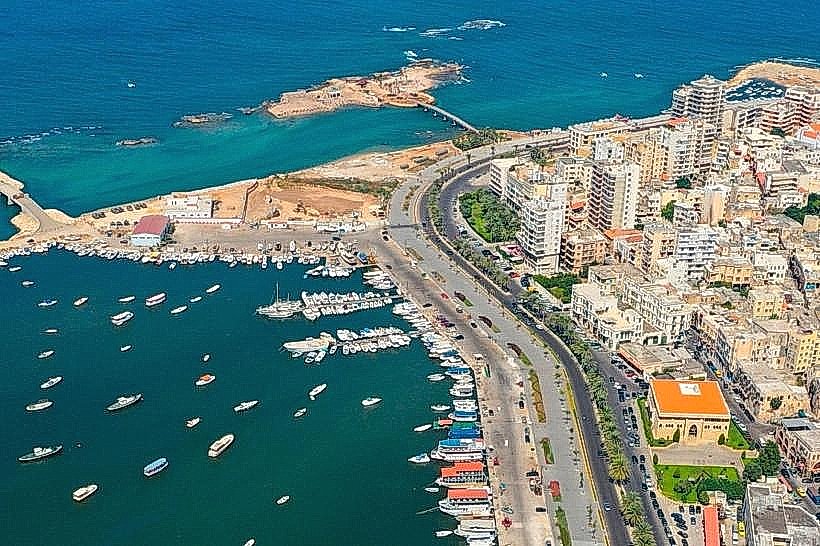
The site is located in the northern sector of the El-Mina district, approximately 4.5 kilometers northwest of Tripoli's modern city center (Sahat al-Nour). It is positioned directly behind the maritime port area and is accessible via the coastal Corniche road. Unregulated vehicular parking is available on the open dirt and gravel fields surrounding the tracks. Shared local minivans (sergis) run continuously from Sahat al-Nour to the El-Mina port roundabout, located a 300-meter walk north of the station.
Historical & Ecological Origin
The station was inaugurated in 1911 by the Ottoman Empire as the northern terminus of the Tripoli-Homs railway line, which connected Lebanon to the Syrian rail network. It later formed a critical link in the international Orient Express line during the French Mandate, operating continuously until service was permanently halted in 1975 due to the outbreak of the Lebanese Civil War.
Key Highlights & Activities
Exploring the open-air railyard to view the rusting German steam engines and vintage freight cars is the primary activity. Industrial archaeology photography of the decaying tracks, switches, and the main terminal facade is common. Walking along the overgrown platforms allows for close-up inspection of the pre-war mechanical infrastructure and switching gear.
Infrastructure & Amenities
The site is completely abandoned, unmanaged, and open-air, providing no modern visitor infrastructure. There are no public restrooms, shaded pavilions, or drinking water facilities on the property. Cellular signal (4G/5G) is clear and unobstructed across the flat coastal plain of the railyard. Numerous commercial seafood restaurants, cafes, and kiosks are operational along the El-Mina Corniche, 200 meters away.
Best Time to Visit
The optimal time for photography is during the golden hour before sunset, which emphasizes the textures of the rusted steel and stone architecture. The open railyard is accessible at any time during daylight hours, though safety caution is advised due to unstable structures. The most favorable months for exploring the unshaded site are October through April to avoid high summer temperatures.
Facts & Legends
Among the rolling stock left on the tracks are rare steam locomotives manufactured by the German company Henschel & Sohn dating back to the late 1890s and early 1900s. Local rail enthusiasts note that the station briefly operated armored trains during World War II to secure the coastal supply lines against potential Axis incursions from Europe.
Nearby Landmarks
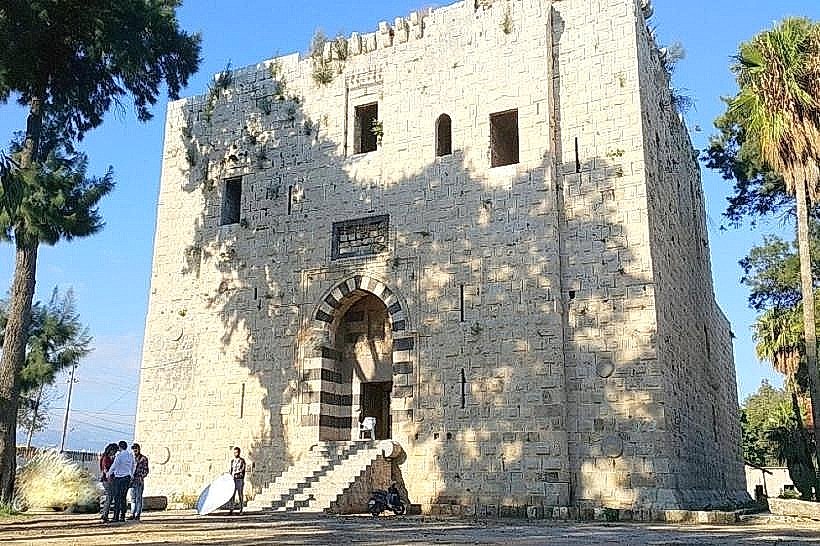
Lion’s Tower (Borj al-Sabaa): 0.1km North
El-Mina Port and Corniche: 0.6km East
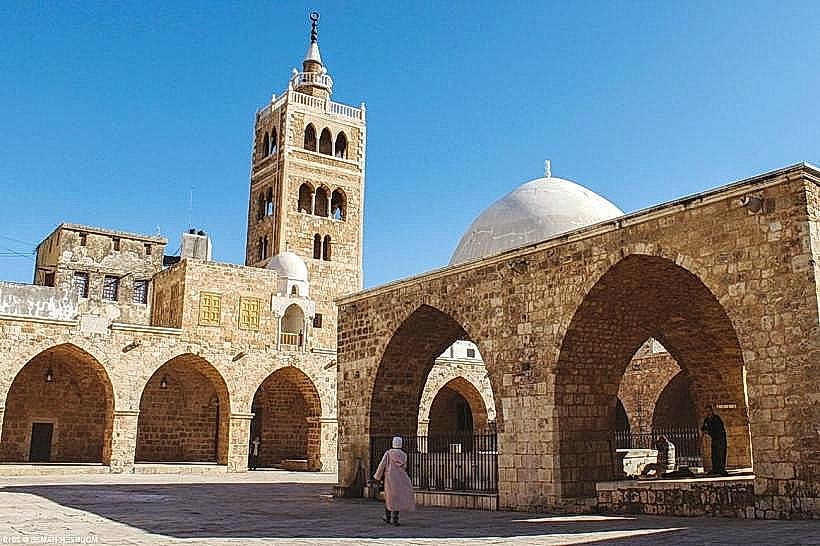
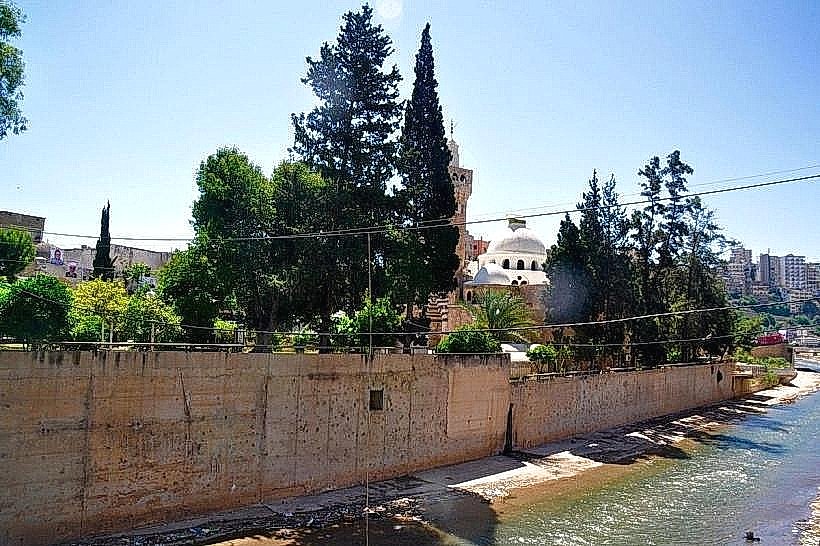
Al-Muallaq Mosque: 4.1km Southeast
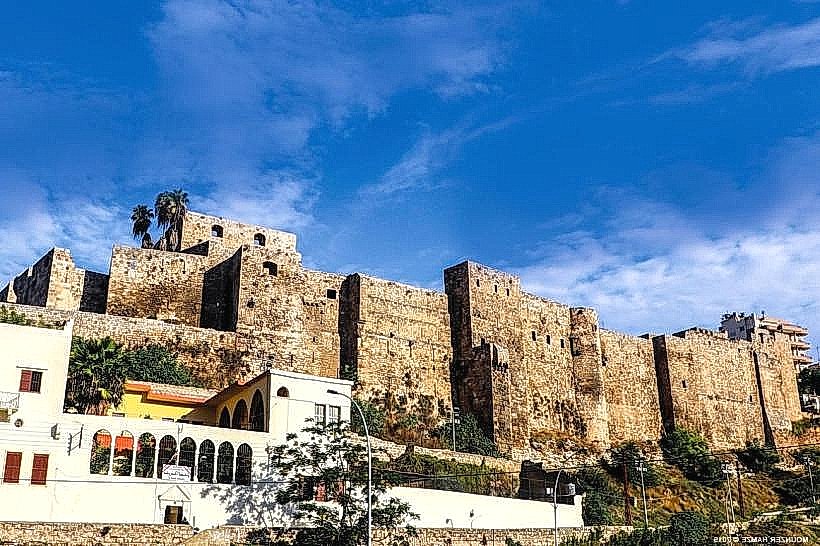
Citadel of Raymond de Saint-Gilles: 4.4km Southeast