Landmark: Palm Islands Nature Reserve
City: Tripoli
Country: Lebanon
Continent: Asia
Palm Islands Nature Reserve, Tripoli, Lebanon, Asia
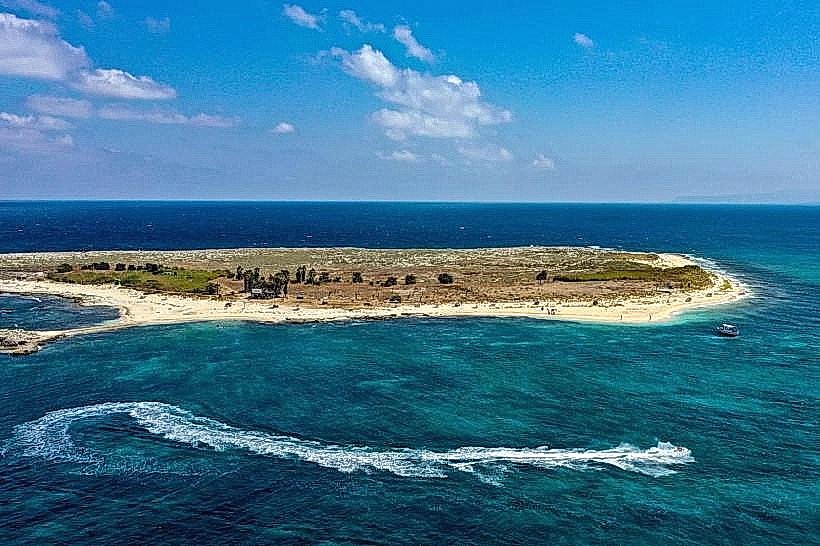
The Palm Islands Nature Reserve, also known as Rabbit Island Reserve, consists of three flat, uninhabited limestone islands located approximately 5.5 kilometers off the coast of Al-Mina, Tripoli. It is designated as a Mediterranean Specially Protected Area under the Barcelona Convention due to its critical marine ecosystem.
Visual Characteristics
The reserve comprises Palm Island (the largest), Sanani Island, and Ramkine Island. The landscape features low-lying limestone rock formations, sandy beaches, and natural salt marshes. The vegetation is sparse, consisting mainly of salt-tolerant reeds and coastal shrubs. The surrounding waters are highly transparent, varying from turquoise to deep blue, with visible underwater rocky shelves and marine flora.
Location & Access Logistics
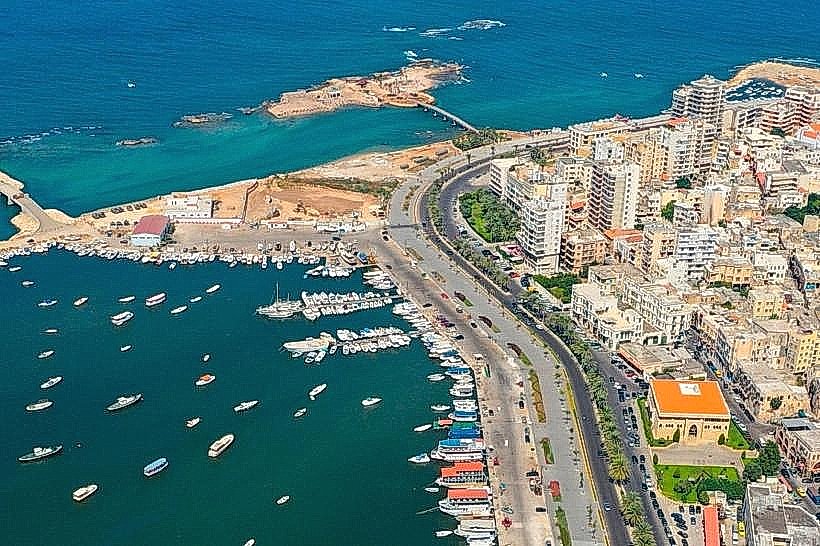
The islands are situated in the Mediterranean Sea, northwest of the Al-Mina Port. Access is exclusively by sea via small, licensed wooden motorboats or ferries operating from the Al-Mina harbor. The boat journey takes approximately 30 to 45 minutes each way. Visitors must pay a small conservation entry fee at the port before departure. There is no vehicle access or infrastructure for cars on the islands.
Historical & Ecological Origin
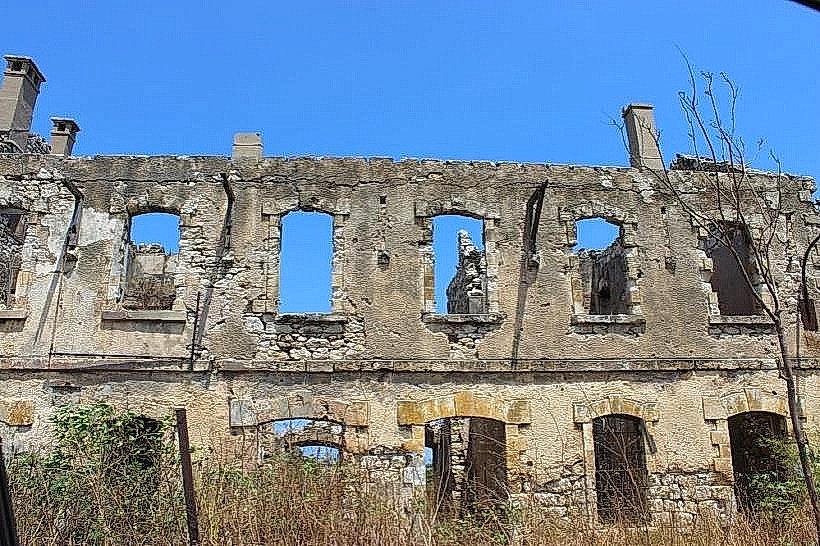
Declared a protected nature reserve by Lebanese law in 1992, the area is an important transit point for migratory birds and a nesting site for endangered green turtles and loggerhead turtles. Historically, the main island was used by the French military during the Mandate period, and the ruins of an ancient church and a freshwater well constructed by the Crusaders in the 13th century remain on Palm Island.
Key Highlights & Activities
The primary activities are swimming in the clear waters, sunbathing on the sandy shores of Palm Island, and snorkeling around the rocky reefs. Birdwatching is a major highlight, especially during autumn and spring migration periods. Visitors can also walk along designated stone pathways to view the historical Crusader well and the remains of an old salt evaporation pan.
Infrastructure & Amenities
As a strictly managed ecotourism site, infrastructure is minimal to prevent ecological degradation. There are no hotels, restaurants, or shops on the islands. Basic wooden shaded structures and a small ranger station are located on Palm Island. 5G cellular signal from the mainland is weak but intermittently accessible. Visitors must carry their own food and water, and all waste must be packed out.
Best Time to Visit
The reserve is open to the public only from July to September to protect the bird nesting and turtle hatching seasons. Boat departures begin around 08:00 and return before sunset. The best time for photography is early morning when the sea is calmest. The islands are completely closed to all visitors during the winter and spring months due to rough maritime weather and conservation regulations.
Facts & Legends
The alternative name "Rabbit Island" dates back to the early 20th century French Mandate when rabbits were introduced to the island for hunting; the population grew exponentially before being cleared during the establishment of the reserve. A unique geological feature is the presence of freshwater artesian wells beneath the ocean floor that feed the historic well on Palm Island, a rare phenomenon for a small limestone formation surrounded entirely by seawater.
Nearby Landmarks
Al-Mina Port (5.5km East - Maritime)
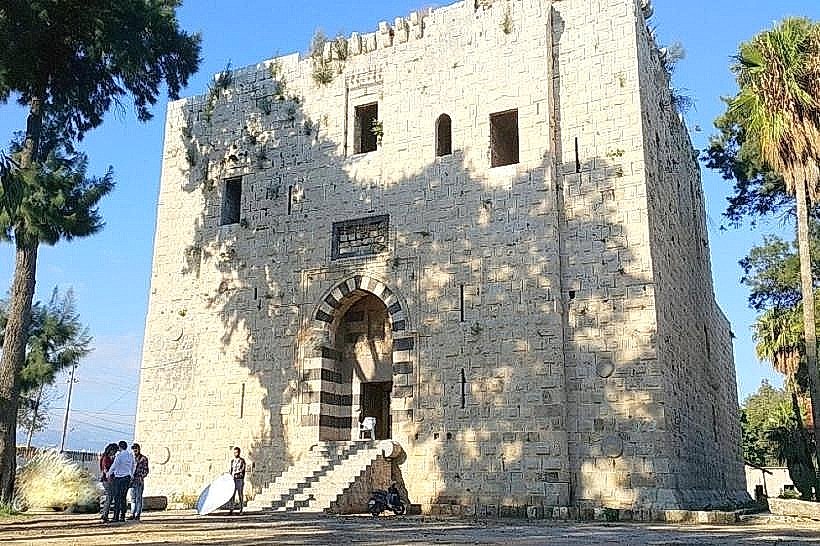
Lion Tower (Borj Al-Sabaa) (5.8km East - Maritime)
Citadel of Raymond de Saint-Gilles (9.7km East - Maritime/Inland)