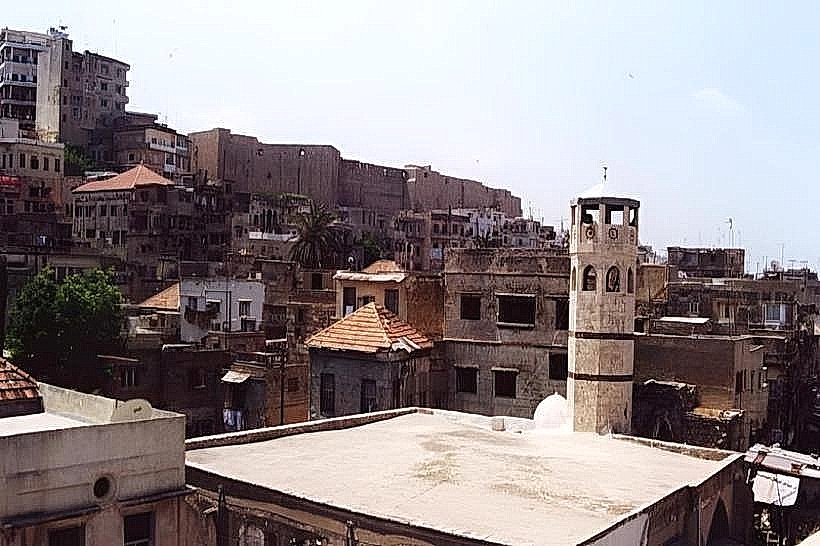
Landmark: Hammam al-Abed
City: Tripoli
Country: Lebanon
Continent: Asia
Hammam al-Abed, Tripoli, Lebanon, Asia
The Hammam al-Abed is the last remaining operational historic bathhouse in Tripoli, Lebanon. Constructed in the late Mamluk period, it functions as both a working public bathhouse and a living cultural monument within the city's ancient commercial core.
Visual Characteristics
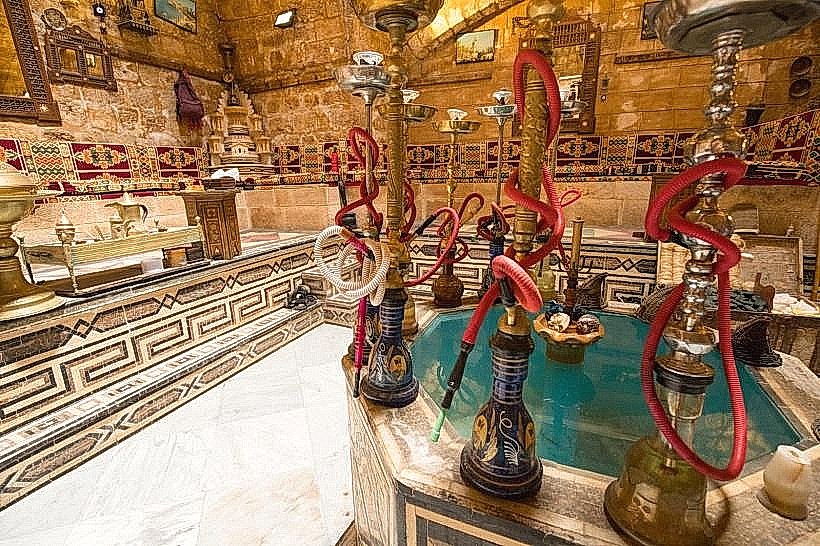
The bathhouse exhibits classic Mamluk and early Ottoman civic architecture, characterized by its low-slung stone domes punctuated by circular glass lenses (qamariyyat) that filter natural daylight into the interior. The interior layout follows the traditional three-tiered sequence of thermal chambers: the barrani (cold/reception room), the wostani (warm room), and the jouwani (hot/steam room). The central reception hall features a traditional octagonal marble fountain, stone benches covered in carpets, and a floor constructed from geometric ablaq (alternating dark and light stone) masonry.
Location & Access Logistics
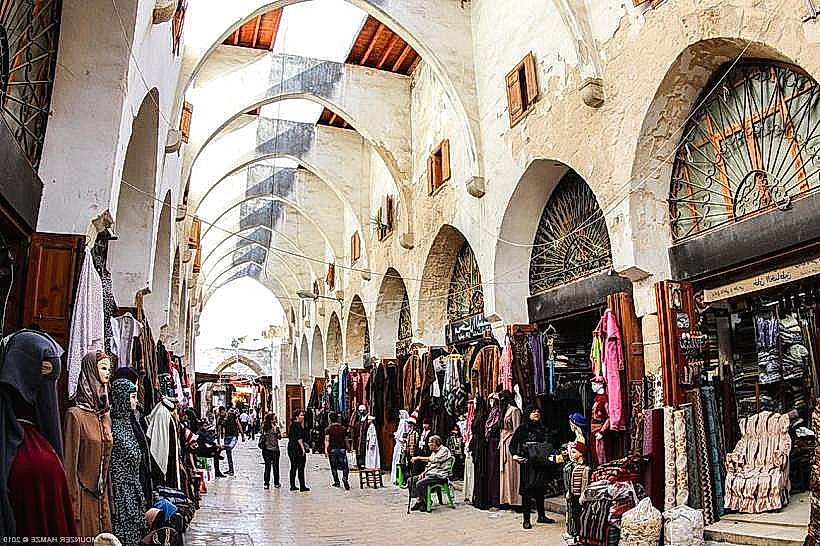
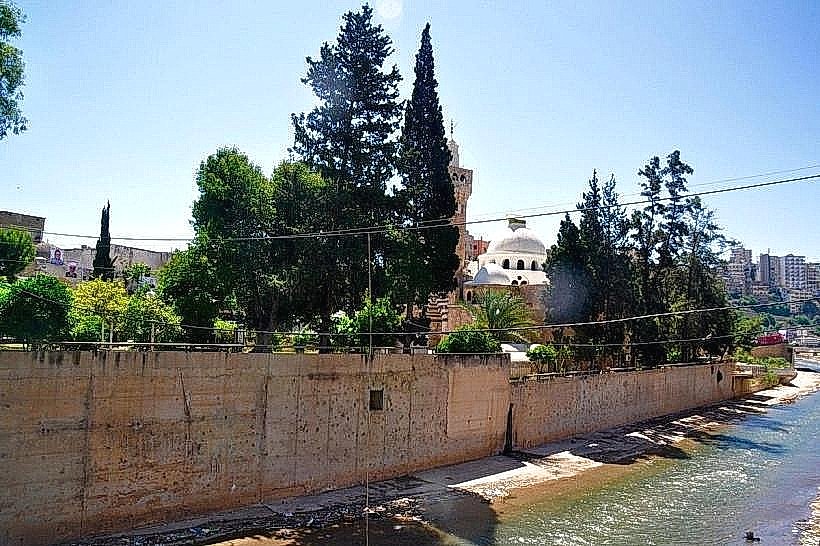
The hammam is located in the Al-Hadid district of old Tripoli, roughly 85km north of Beirut. It is situated deep within the pedestrianized network of the historic souks, approximately 0.2km northwest of the Citadel of Raymond de Saint-Gilles. Vehicle access to the entrance is impossible due to the narrowness of the stone alleys. Visitors typically park along the Abu Ali River road or near Nour Square and navigate the remaining 5-minute walk through the gold and textile markets on foot.
Historical & Ecological Origin
Built in the late 13th century or early 14th century, the hammam was commissioned during the Mamluk development of Tripoli to serve the hygiene and social needs of the local merchants and residents. The structure was built using local porous sandstone and limestone, materials well-suited for retaining heat and managing high humidity. It has been continuously operated by the same local family for generations, undergoing minor structural reinforcements to maintain its traditional wood-fired heating system located beneath the floors (hypocaust).
Key Highlights & Activities
The primary activity is experiencing the traditional bath ritual, which includes a steam session in the hot room, a vigorous body scrubbing using olive oil soap and a coarse mitt (kessa), and a massage. Visitors can also opt for a purely architectural tour to observe the ancient engineering of the steam vents and the dome construction. The barrani lounge area is used for post-bath relaxation, where guests drink traditional herbal teas or coffee.
Infrastructure & Amenities
The facility is fully operational with modern water plumbing integrated into the ancient stone basins. 5G cellular coverage is available in the reception area, though signal strength drops significantly inside the thick-walled, windowless steam chambers. Lockers are provided for personal belongings, and clean towels, sandals, and wraps are included in the service fee. The surrounding souks offer immediate access to traditional pharmacies and street vendors.
Best Time to Visit
The hammam operates daily, typically separating hours or days for male and female clientele (customarily open to men during the day and evenings, with specific private bookings available). For architectural viewing and photography of the daylight patterns through the dome glass, midday is the optimal time. The facility is particularly popular during the winter months when the wood-fired steam provides a stark contrast to the cold mountain air blowing through Tripoli.
Facts & Legends
A unique operational fact is that the hammam still utilizes an ancient boiler system fueled by wood shavings and olive pomace (the solid byproduct of olive oil pressing), keeping the traditional recycling ecology of the old city alive. Local lore states that the water supplying the hammam was historically drawn from a clean branch of the Abu Ali River via an intricate network of clay pipes that ran beneath the citadel, ensuring the water remained naturally pressurized without the use of mechanical pumps.
Nearby Landmarks
Khan al-Khayyatin (Tailors' Souk) (0.05km West)
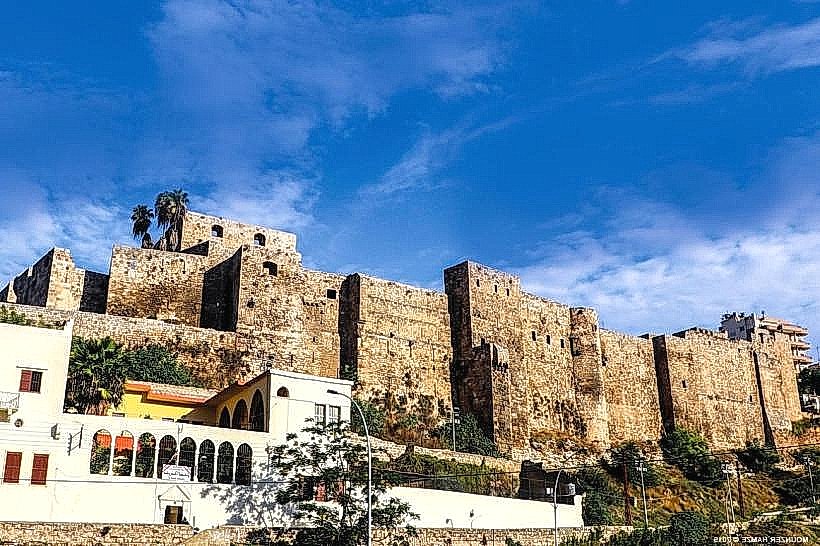
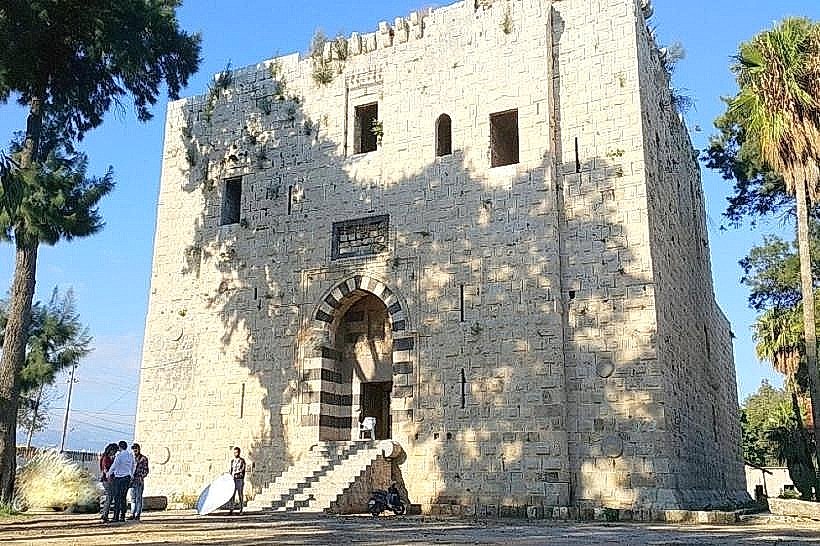
Citadel of Raymond de Saint-Gilles (0.2km Southeast)
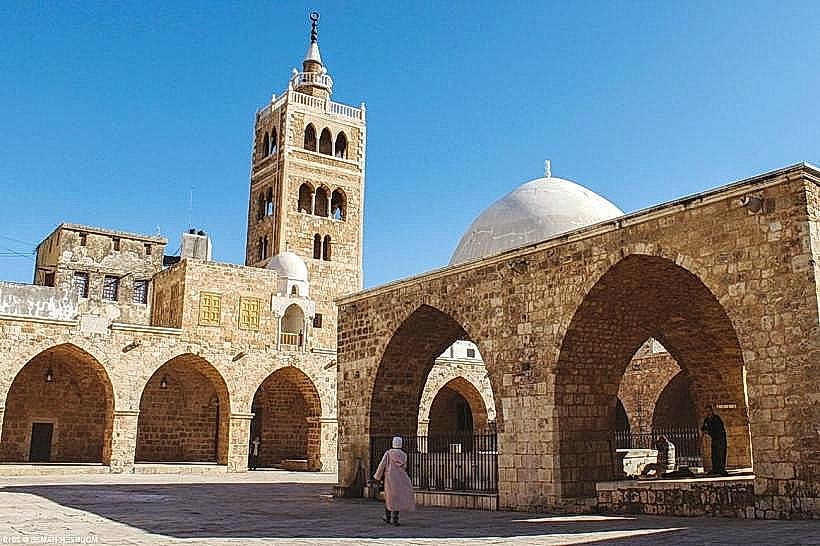
The Great Al-Mansouri Mosque (0.3km Southwest)
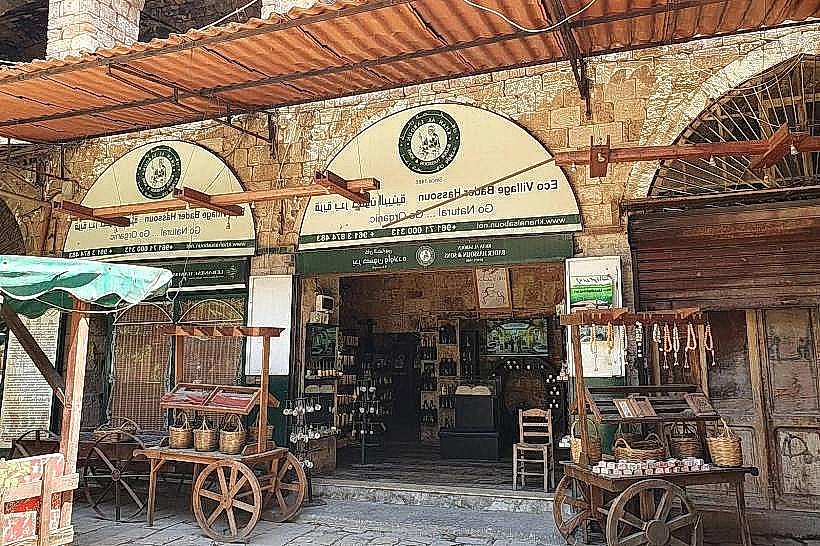
Khan al-Saboun (Soap Souk) (0.15km West)
Al-Muallaq Mosque (0.1km North)