Landmark: Carmel Holy Land
City: Haifa
Country: Israel
Continent: Asia
Carmel Holy Land, Haifa, Israel, Asia
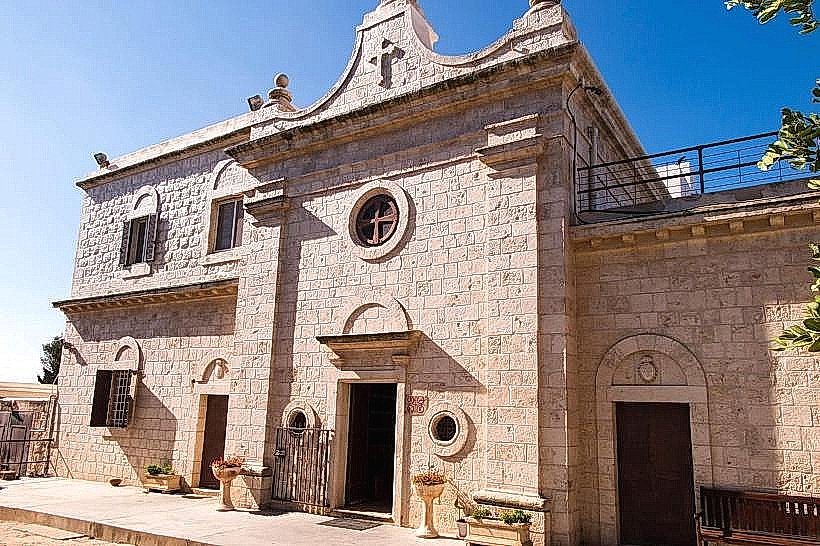
The Carmel Holy Land, specifically the Stella Maris Monastery, is a Discalced Carmelite sanctuary situated on the western slope of Mount Carmel in Haifa, Israel. It serves as the world headquarters for the Carmelite Order and is built over a grotto traditionally identified as a dwelling of the prophet Elijah.
Visual Characteristics
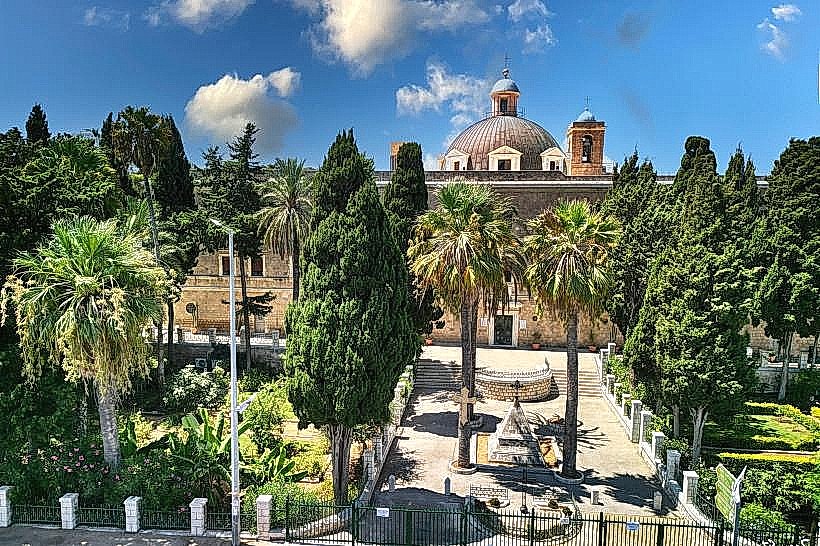
The monastery is a neoclassical masonry structure composed of light-colored limestone. Its central feature is a basilica with a large dome, the interior of which contains frescoes by Luigi Poggi depicting Elijah’s ascent in a chariot of fire and various biblical prophets. The high altar is positioned directly above the subterranean grotto, featuring a statue of Our Lady of Mount Carmel carved from cedar of Lebanon and topped with a Genoese porcelain head. Exterior walls are thick and functional, designed to withstand coastal weather, and the building is integrated into a larger complex including a hospice and administrative wings.
Location & Access Logistics
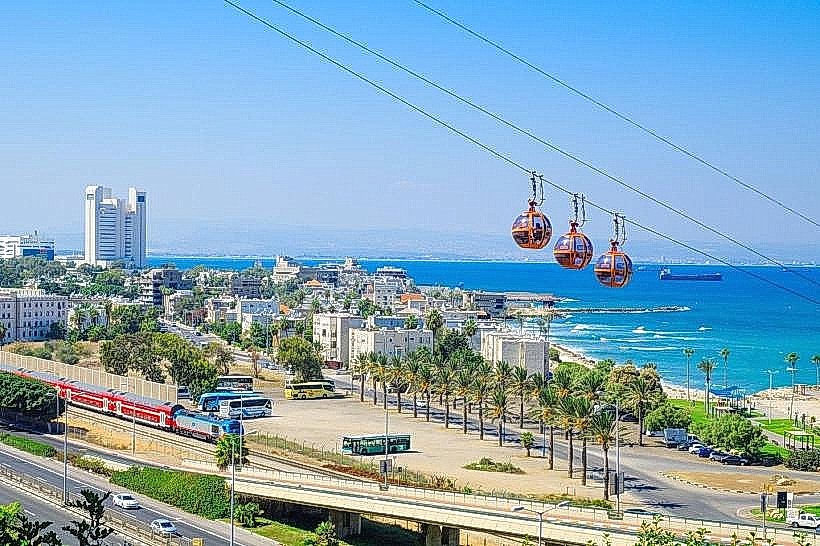
The site is located at the end of Stella Maris Road, approximately 3.5 km northwest of downtown Haifa. Access by car is via Highway 4, connecting to Tchernichovsky Street and then Stella Maris Road. On-site parking is available in a dedicated lot adjacent to the monastery entrance. Public transport options include the Haifa cable car, which runs from Bat Galim beach directly to the Stella Maris ridge, and Egged bus lines 25, 31, and 54, which stop within 200 meters of the gates.
Historical & Ecological Origin
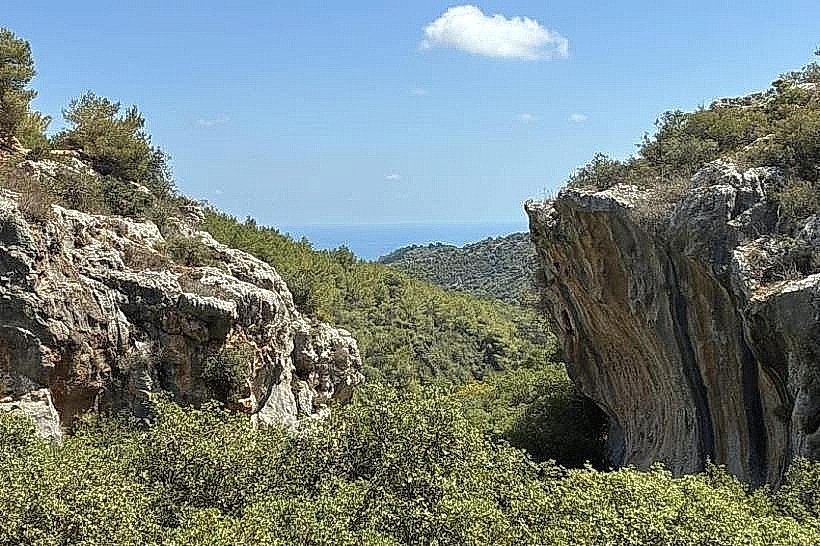
The current monastery was completed in 1836 under the direction of Brother Casini, replacing an 18th-century structure destroyed by Abdallah Pasha of Acre in 1821. Geologically, Mount Carmel is a coastal mountain range primarily composed of limestone and dolomite, characterized by numerous karstic caves formed through millennia of chemical weathering. The site has functioned as a religious center since at least the 12th century when the first Carmelite hermits established a presence in the nearby Wadi es-Siah.
Key Highlights & Activities
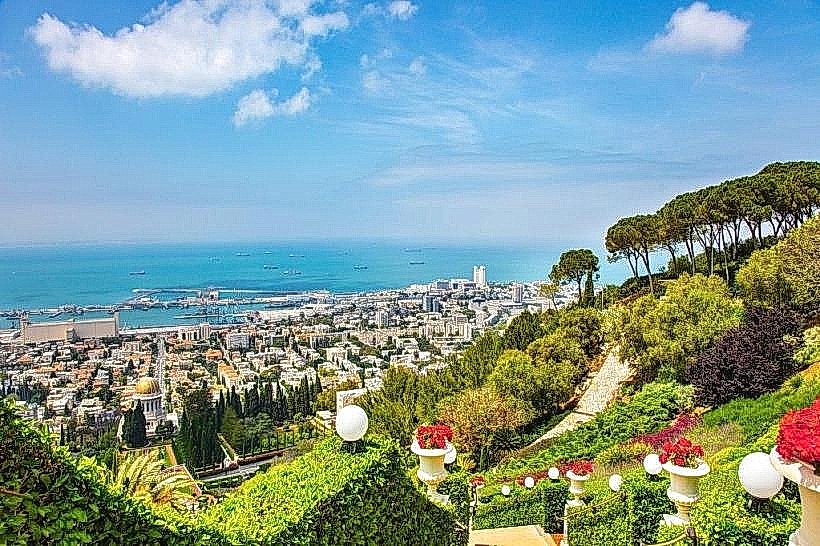
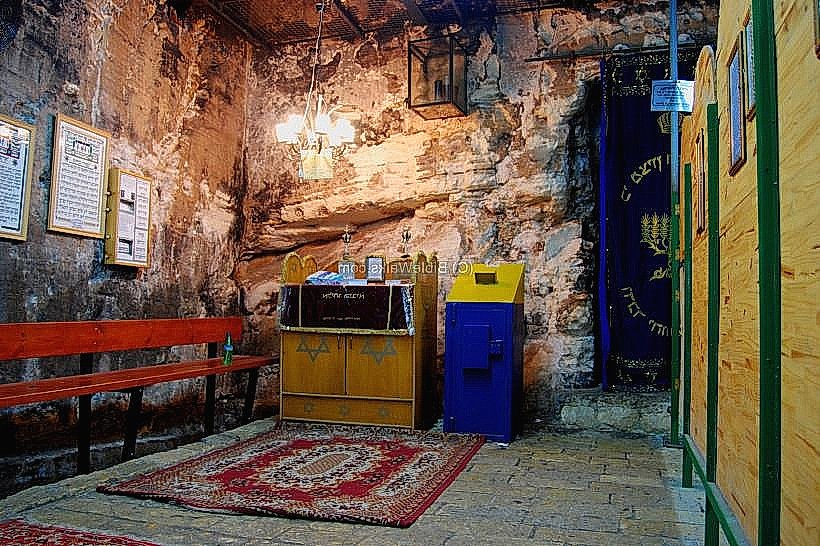
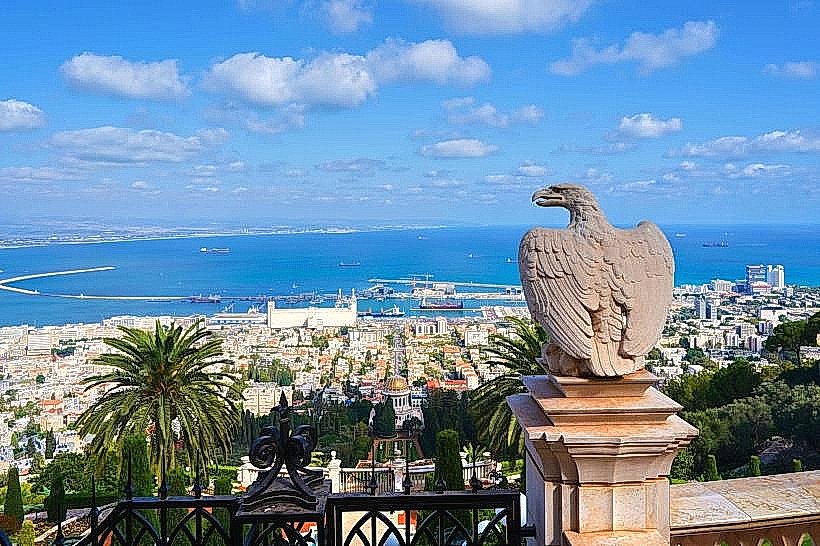
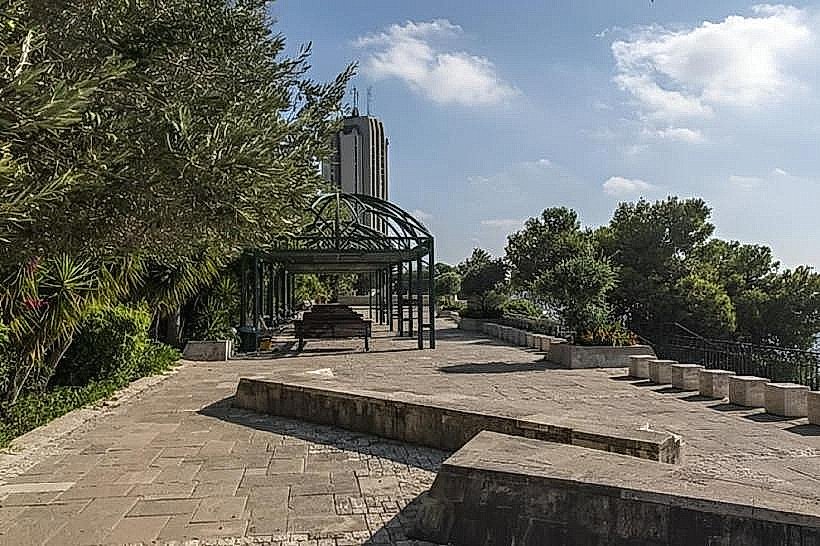
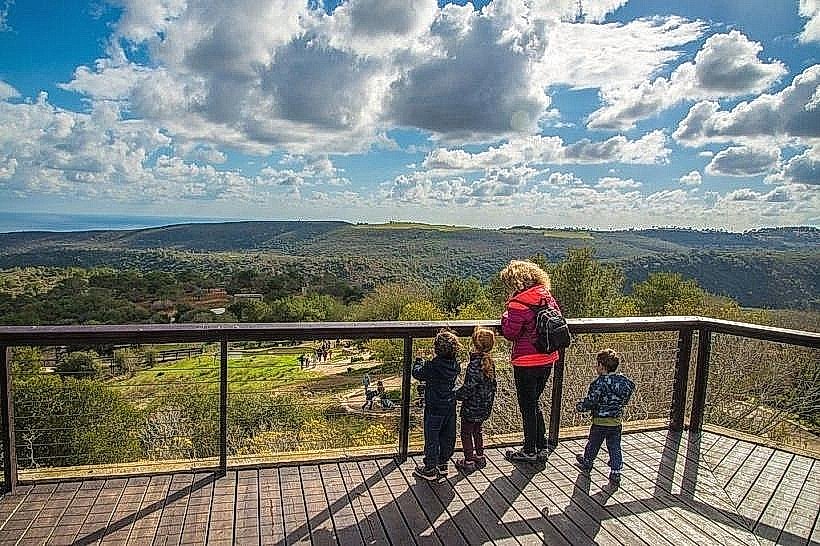
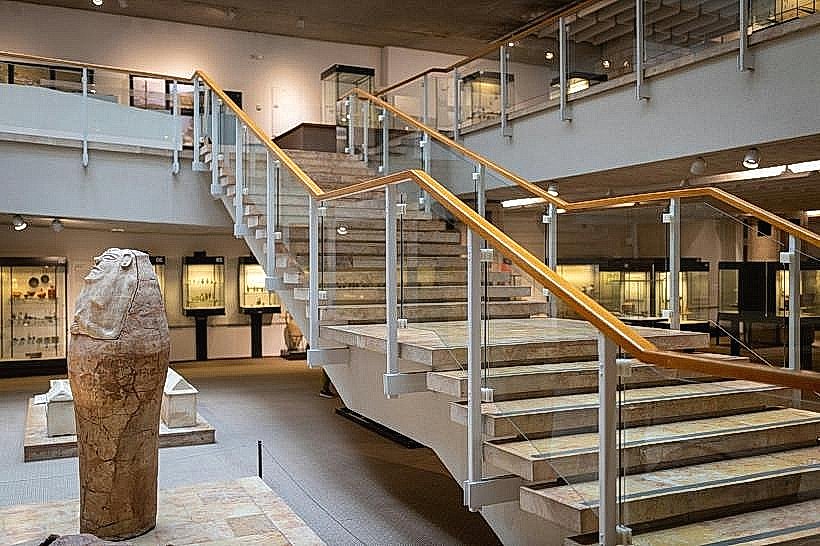
Visitors may access the grotto of Elijah located beneath the main altar for silent prayer or observation. Daily Mass is conducted in the basilica; schedules are posted at the entrance. A small museum on the premises displays archaeological finds from the Byzantine and Crusader periods discovered on the mountain. The outdoor esplanade provides a northern view of Haifa Bay and the city of Akko.
Infrastructure & Amenities
The facility includes public restrooms located near the pilgrim hospice entrance. A gift shop selling religious artifacts and water is located within the courtyard. While there are no major food vendors inside the monastery, several cafes operate within 300 meters on Stella Maris Road. High-speed 5G cell signal is consistently available throughout the site. Shade is provided by the interior architecture and a small garden area near the entrance.
Best Time to Visit
The basilica is generally open to the public from 08:00 to 12:00 and 14:00 to 18:00 daily. Photography is best facilitated during the late afternoon (16:00–17:00) when the sun illuminates the western facade and provides clear lighting across the bay. The most stable weather occurs between April and June or September and October, avoiding the heavy winter rains that can obscure coastal views.
Facts & Legends
According to local tradition, the grotto beneath the altar was used by the Holy Family for rest during their return from Egypt. A pyramid-shaped monument standing in the monastery garden serves as a memorial to French soldiers from Napoleon’s army who were hospitalized and later killed at the site in 1799.
Nearby Landmarks
Elijah's Cave (Lower) – 0.6km Northwest
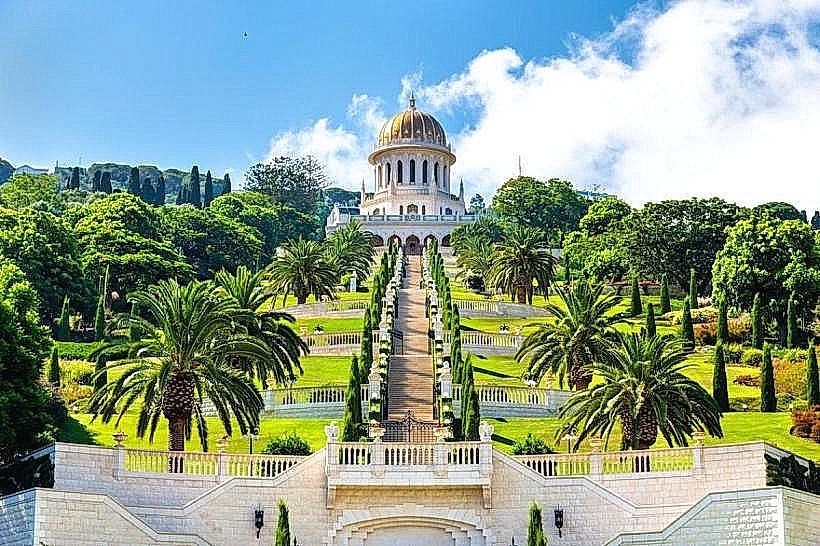
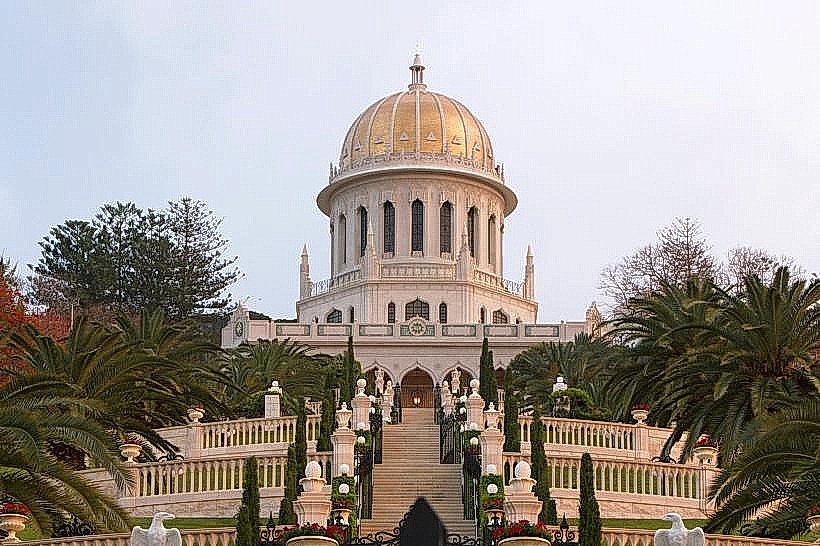
Baháʼí Gardens (Upper Terrace) – 2.8km Southeast
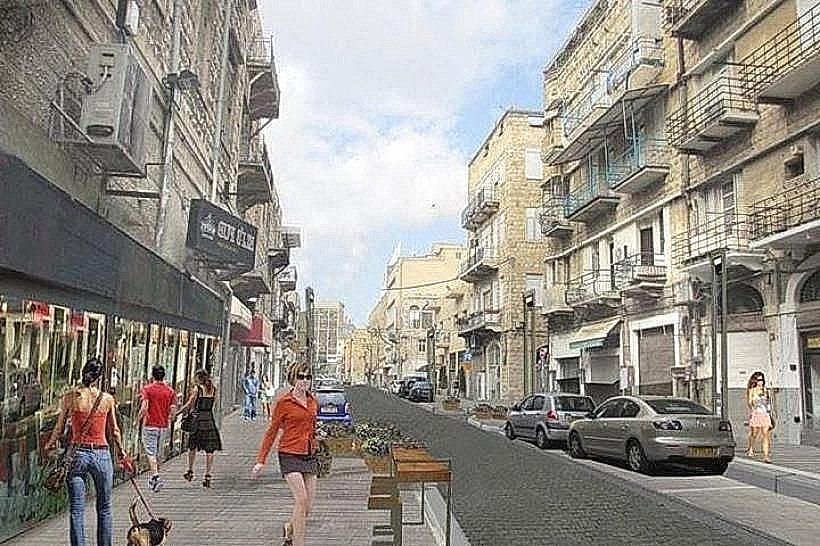
German Colony – 3.2km Southeast
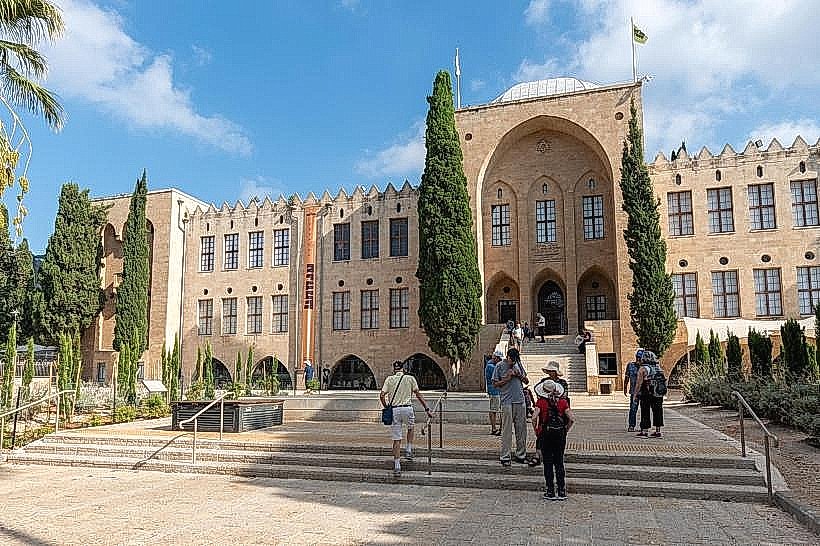
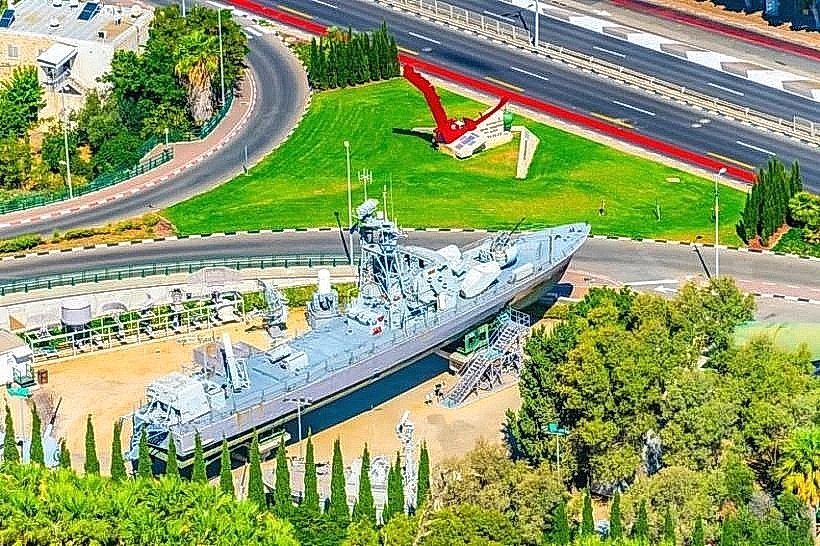
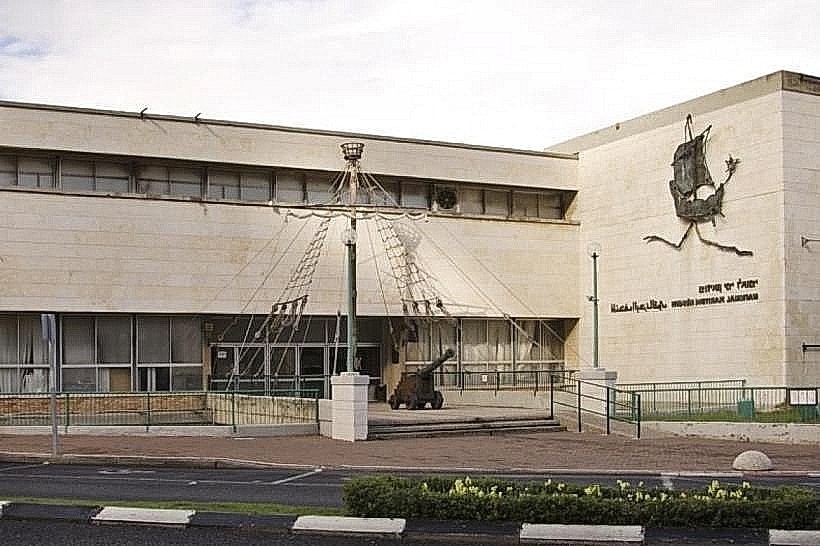
Clandestine Immigration and Naval Museum – 1.1km North
Louis Promenade – 2.5km Southeast