Landmark: Haifa Museum of Art
City: Haifa
Country: Israel
Continent: Asia
Haifa Museum of Art, Haifa, Israel, Asia
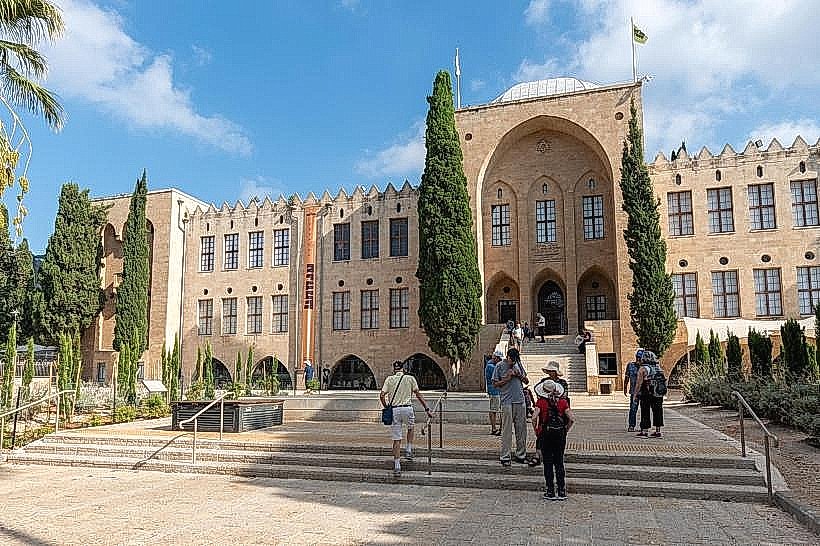
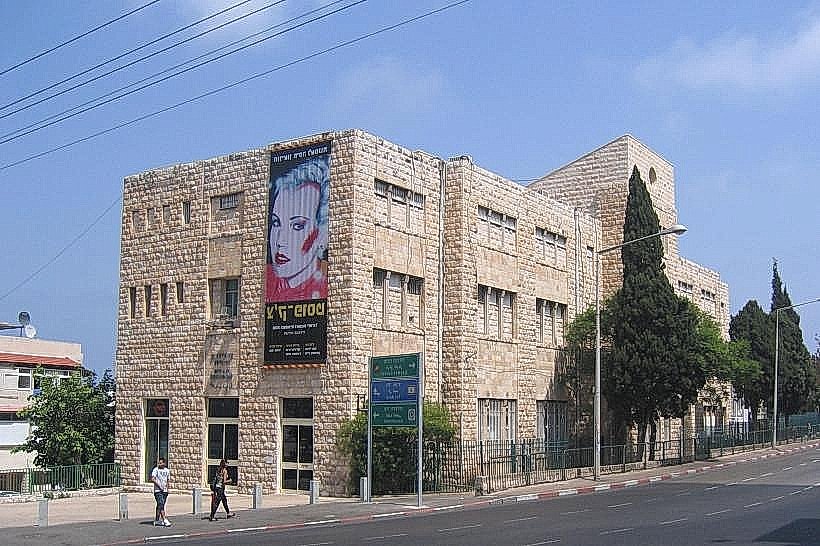
The Haifa Museum of Art is a contemporary art institution located at the junction of the Hadar, Wadi Nisnas, and German Colony neighborhoods in Haifa, Israel. It is housed in a repurposed historic school building that serves as one of the three largest art museums in the country, focusing on Israeli and international contemporary works.
Visual Characteristics
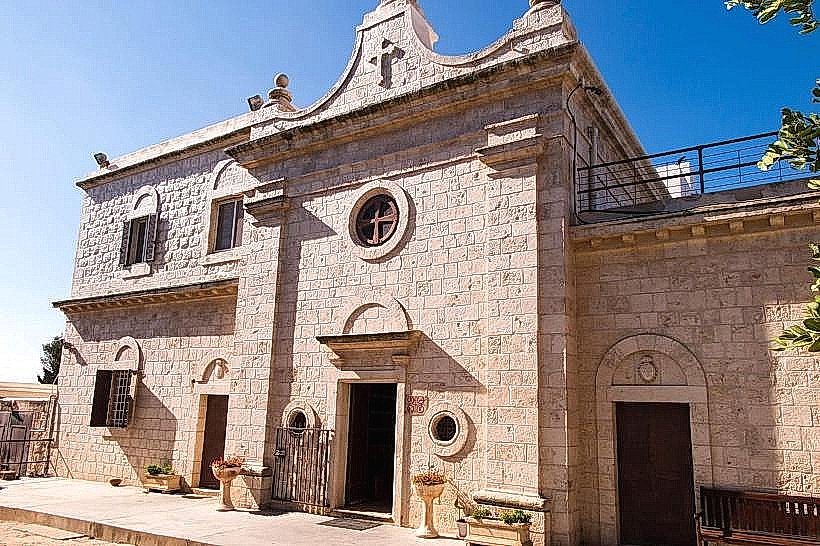
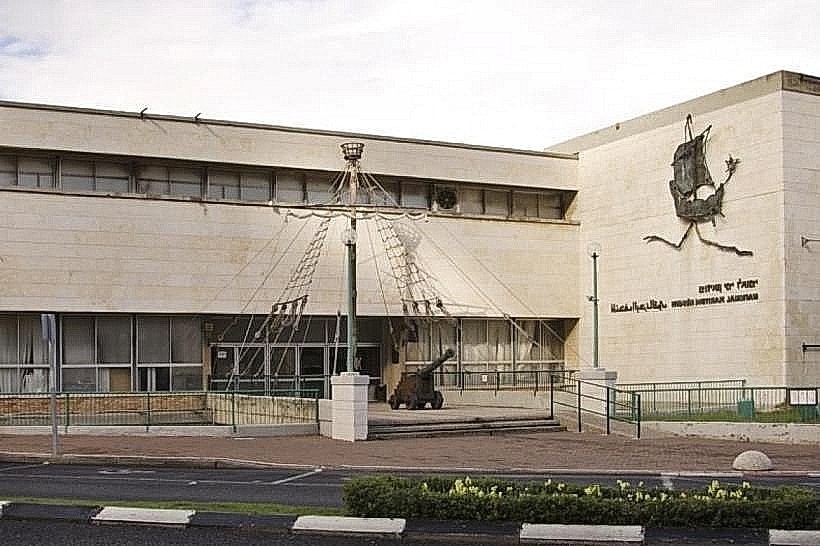
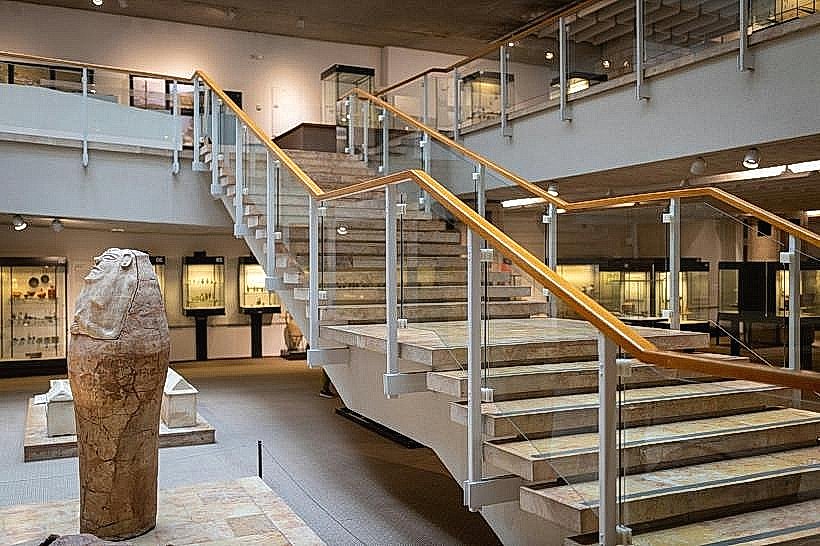
The museum occupies a three-story stone masonry building constructed from local yellow-beige limestone. The architecture is characterized by thick, functional walls and symmetrical rows of arched windows, typical of early 20th-century public structures in the region. The interior has been modernized with minimalist white galleries, industrial concrete flooring, and specialized lighting systems designed to accommodate large-scale installations and multimedia exhibits. A modern steel and glass entrance structure provides a contemporary contrast to the original historic facade.
Location & Access Logistics
The facility is situated at 26 Shabtai Levi Street, approximately 1.2 km south of the Haifa Center HaShmona railway station. It is accessible by car via Zionism Avenue (HaZionut), with limited street parking and several paid lots available in the surrounding Wadi Nisnas area. Public transport options include the Carmelit funicular (Hanevi'im station) and Egged bus lines 12, 24, 28, and 37, which stop within 150 meters of the museum.
Historical & Ecological Origin
The building was originally constructed in the late 1920s during the British Mandate period to serve as a school for girls. It was designed to withstand the steep Mediterranean climate of the Carmel mid-slope, which consists of limestone bedrock and terra rossa soil. In 1977, the structure was officially inaugurated as the Haifa Museum of Art after undergoing significant internal renovations to meet international museum standards for climate control and security.
Key Highlights & Activities
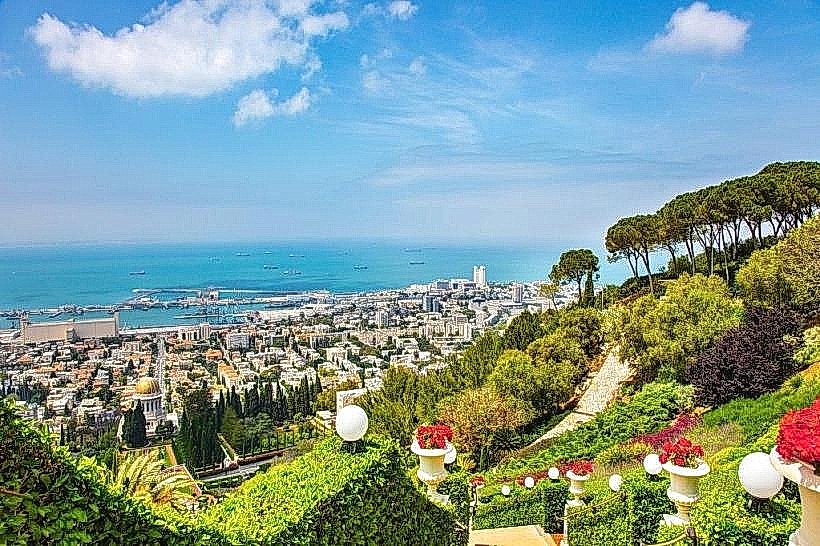
Visitors can explore rotating exhibitions of contemporary painting, sculpture, photography, and video art. The museum features a specialized wing for the "Museum of Childhood," which offers interactive art education. Guided tours are conducted in Hebrew, Arabic, and English on select days. The upper floors provide viewing points over the multi-ethnic Wadi Nisnas neighborhood and the lower slopes of the mountain.
Infrastructure & Amenities
The museum is fully accessible with elevators serving all floors and ramps at the entrance. Public restrooms are located on the ground and second levels. A museum shop near the entrance sells art catalogs and local design products. There is no full-service cafeteria on-site, but numerous food vendors and cafes are located within 200 meters in the German Colony and Wadi Nisnas. Full 5G cellular signal is available throughout the facility.
Best Time to Visit
The museum is open Saturday through Thursday, with late-night hours on Thursdays (until 20:00). The best time for a quiet visit is Tuesday or Wednesday morning immediately after opening at 10:00. For photography of the building's exterior, the late afternoon sun (15:00–17:00) provides the best illumination of the limestone facade against the backdrop of Mount Carmel.
Facts & Legends
The museum building served as a strategic lookout point during the 1948 conflict due to its elevated position overlooking the main thoroughfares of the Lower City. A verified historical oddity is the museum’s collection of over 7,000 items, which includes a significant archive of early 20th-century Israeli prints that survived multiple relocations before finding a permanent home in this stone structure.
Nearby Landmarks
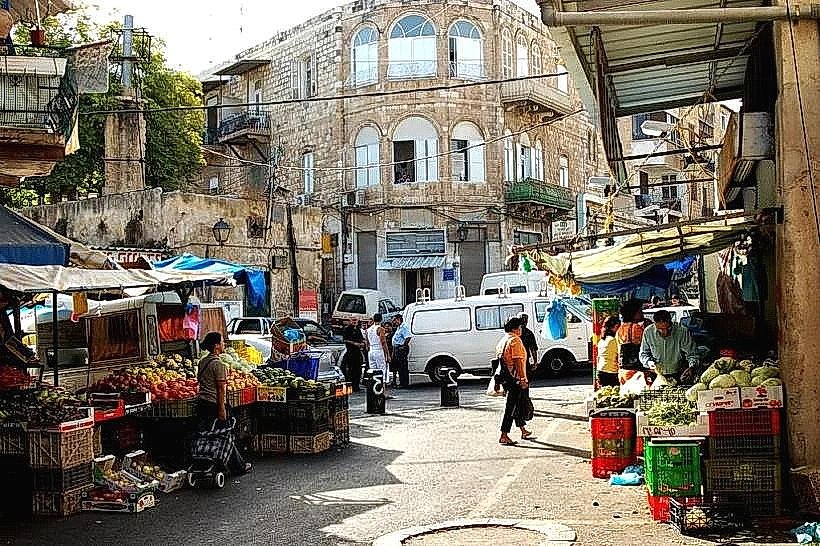
Wadi Nisnas Market – 0.3km East
German Colony – 0.5km Northwest
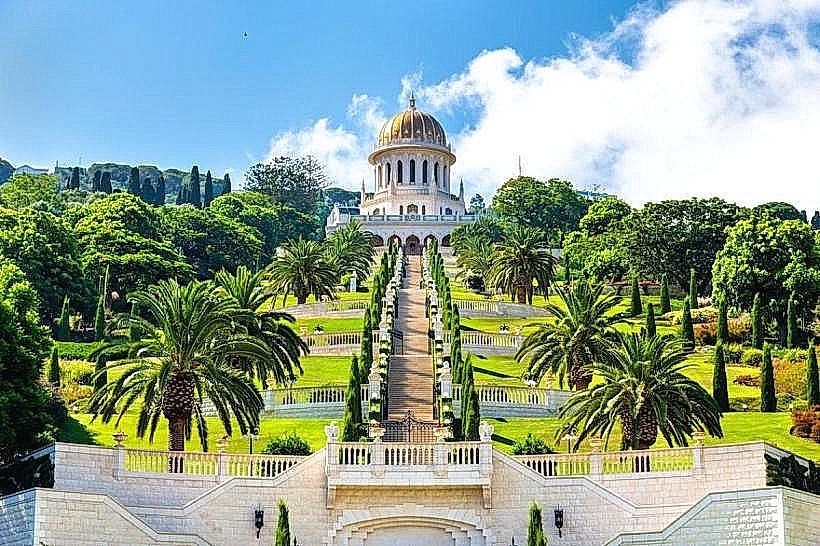
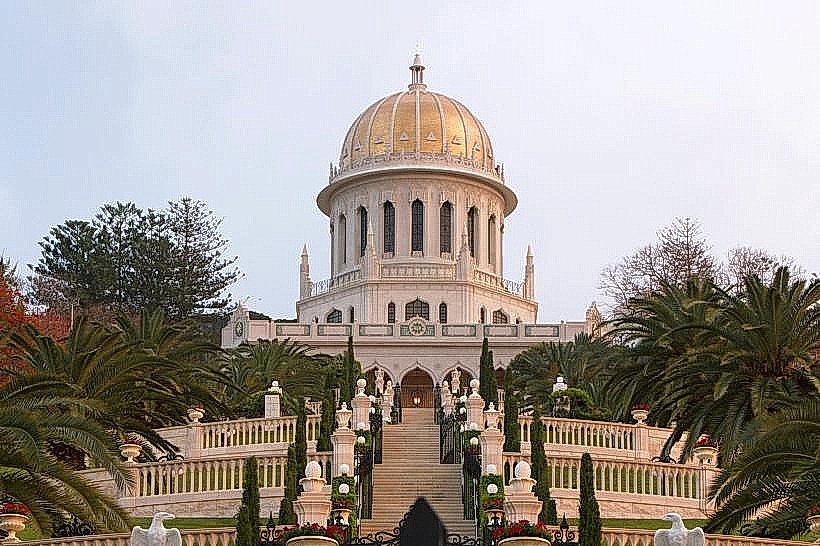
Baháʼí Gardens (Main Entrance) – 0.6km West
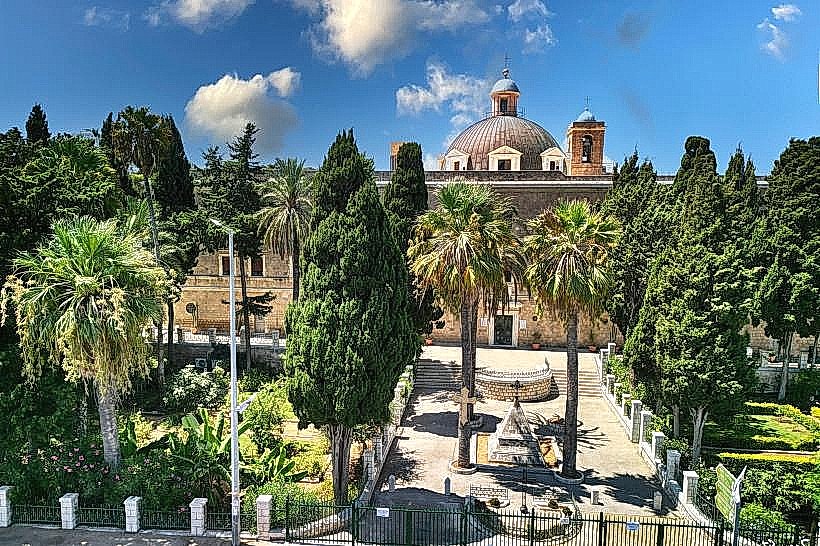
Churches of Saint John and Saint Elias – 0.4km North
Beit HaGefen Cultural Center – 0.2km West