Landmark: Wadi Nisnas
City: Haifa
Country: Israel
Continent: Asia
Wadi Nisnas, Haifa, Israel, Asia
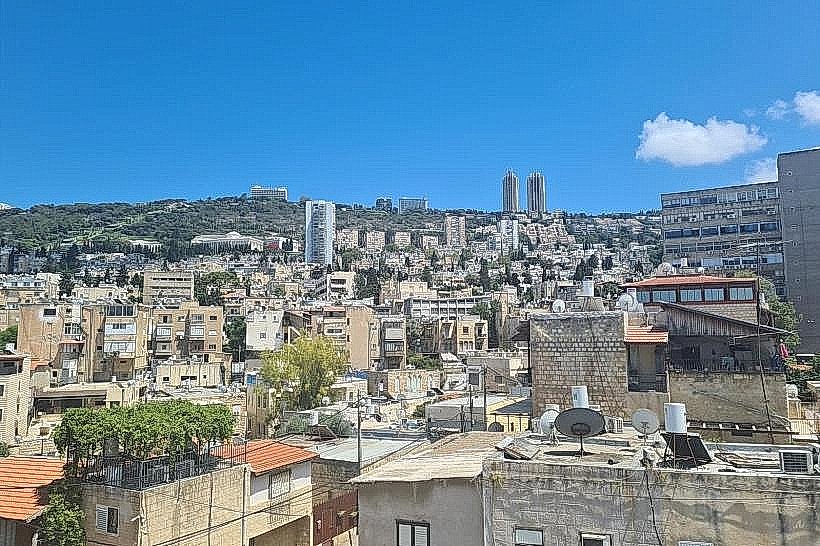
Wadi Nisnas is a historic Arab neighborhood located on the lower slopes of Mount Carmel in Haifa, serving as a primary cultural center for the city’s Arab-Christian and Arab-Muslim populations. It is characterized by its stone architecture and its role as the centerpiece of the annual "Holiday of Holidays" festival.
Visual Characteristics
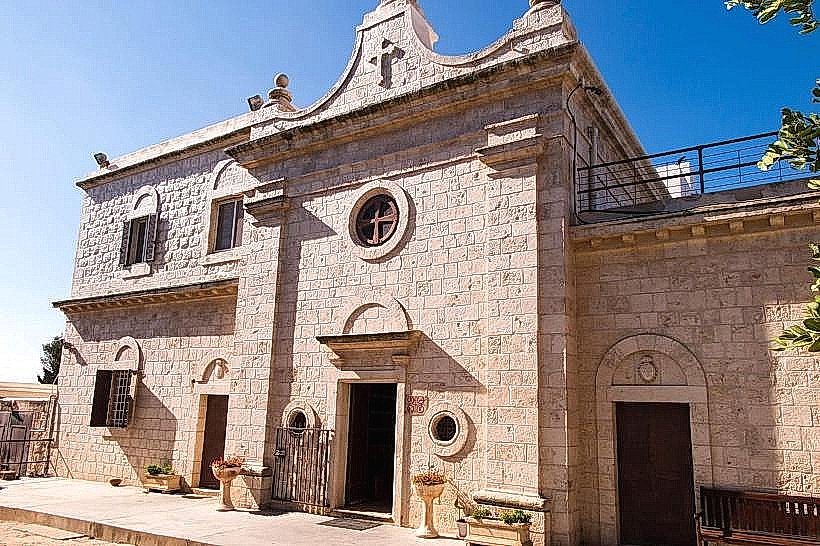
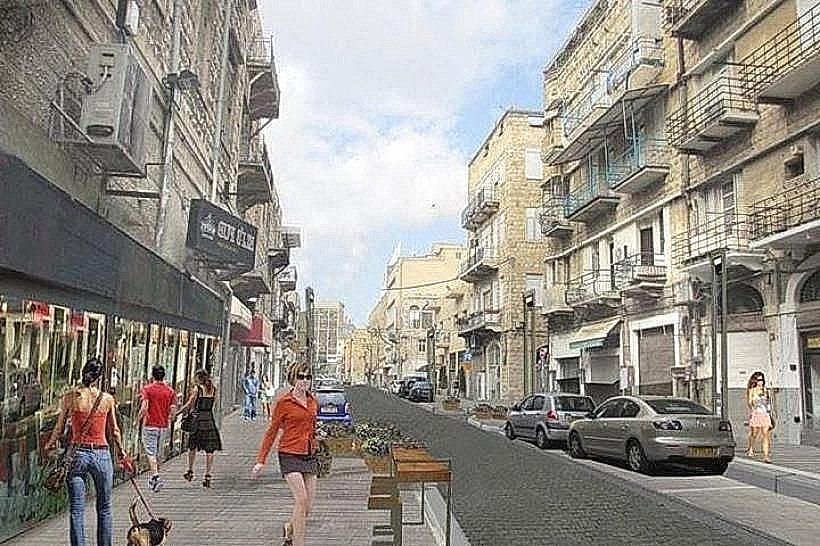
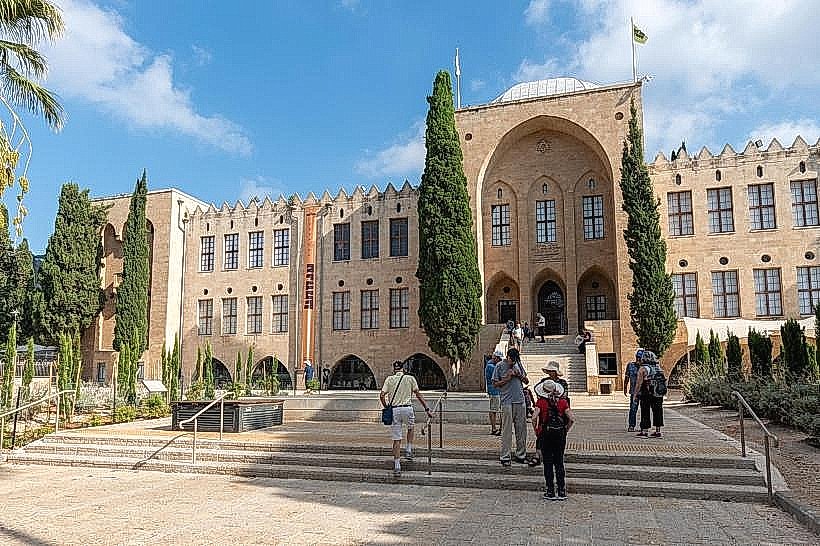
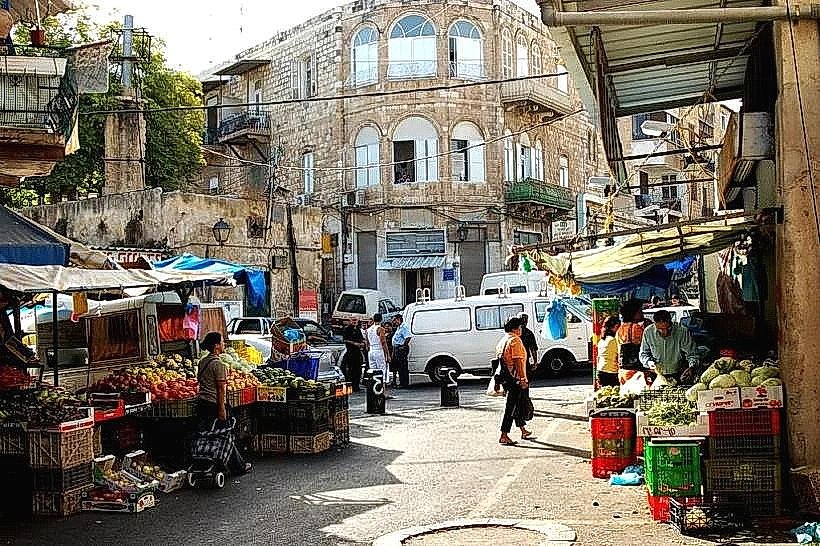
The neighborhood is defined by 19th-century limestone buildings featuring traditional arched doorways, wrought-iron balconies, and narrow pedestrian alleys. Public art is integrated directly into the streetscape, with numerous sculptures, murals, and photographic installations lining the walls as part of an ongoing "Museum Without Walls" project. The terrain is moderately sloped, with several staircases connecting the upper and lower sections of the district.
Location & Access Logistics
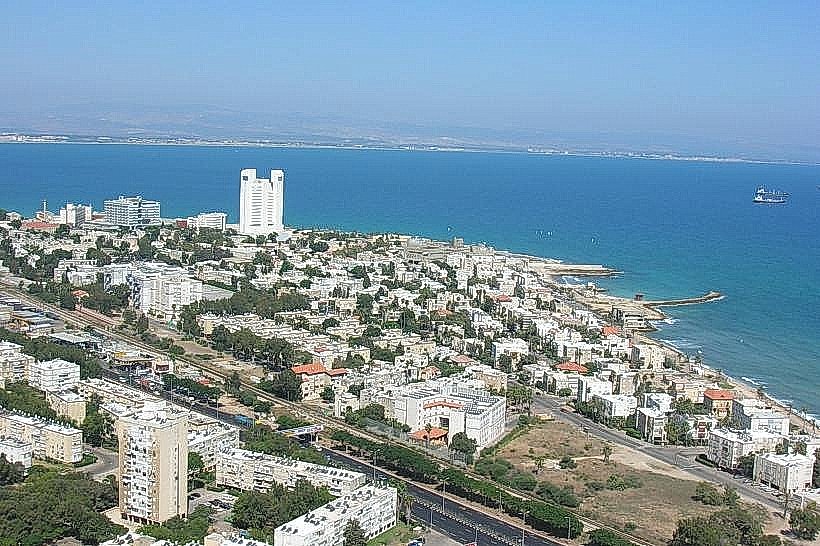
Wadi Nisnas is situated between Zionism Avenue to the west and the German Colony to the northwest. It is approximately 1km south of the Haifa Port. Access by car is limited due to the narrowness of the streets; visitors typically park in larger lots along Ben-Gurion Boulevard or Shabtai Levi Street. The area is served by Egged bus lines 12, 24, and 28, and is a 10-minute walk from the Metronit rapid transit stations in the Lower City.
Historical & Ecological Origin
The neighborhood was established in the mid-19th century as a suburb outside the walled Ottoman city of Haifa. Its name refers to a small valley (wadi) that once channeled rainwater from Mount Carmel toward the sea. Geologically, the area sits on a transition zone between the mountain's limestone bedrock and the coastal plain’s alluvial sediments. The district remains one of the few areas in Haifa to retain its original pre-1948 urban fabric.
Key Highlights & Activities
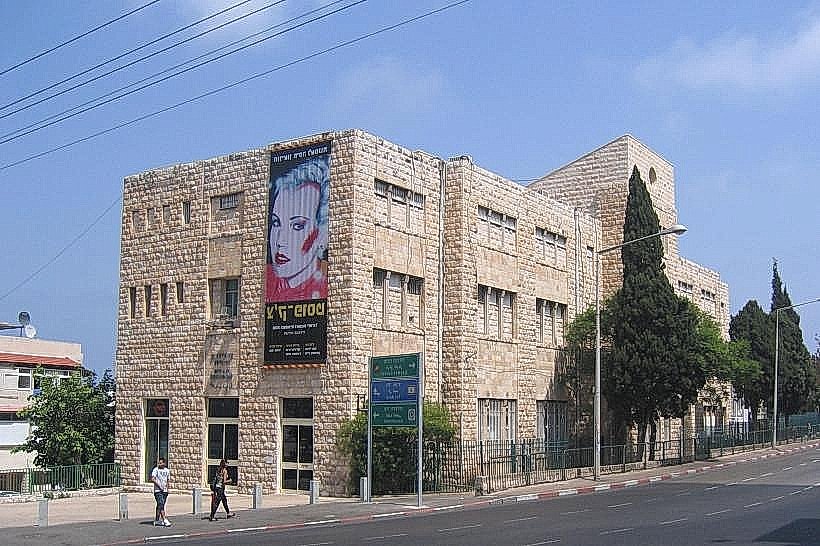
The Wadi Nisnas Market is the primary destination for traditional Levantine food products, including mountain herbs, olive oil, and Middle Eastern pastries. Visitors can participate in self-guided walking tours to view the various art installations that change annually. Beit HaGefen, an Arab-Jewish cultural center located at the neighborhood's edge, offers exhibitions and educational programs focused on intercultural dialogue.
Infrastructure & Amenities
The neighborhood is a dense mix of residential and commercial spaces. Public restrooms are available at the Haifa Museum of Art and within Beit HaGefen. Numerous small eateries and traditional bakeries are concentrated along Yohanan HaKadosh and Al-Khouri Streets. The district has full 5G cellular coverage. Shade is consistently provided by the high density of buildings and the narrowness of the pedestrian thoroughfares.
Best Time to Visit
The market is most active on Saturday mornings (08:00–14:00) when local trade is at its peak. The district is a major destination during December for the "Holiday of Holidays" festival. For photography, midday provides the most balanced light into the deep alleys, while early evening lighting highlights the texture of the historic limestone facades.
Facts & Legends
Wadi Nisnas is the setting for the famous Israeli novel "A Trumpet in the Wadi" by Sami Michael. A local historical oddity is that the neighborhood's street art project was designed to be permanent, meaning that even as residents move or buildings are renovated, the art remains as a legal part of the structure's facade.
Nearby Landmarks
Haifa Museum of Art – 0.2km South
Beit HaGefen – 0.1km West
German Colony – 0.5km Northwest
St. Elias Cathedral – 0.4km North
Wadi Nisnas Market – 0.1km (Central)