Landmark: Shrine of the Bab
City: Haifa
Country: Israel
Continent: Asia
Shrine of the Bab, Haifa, Israel, Asia
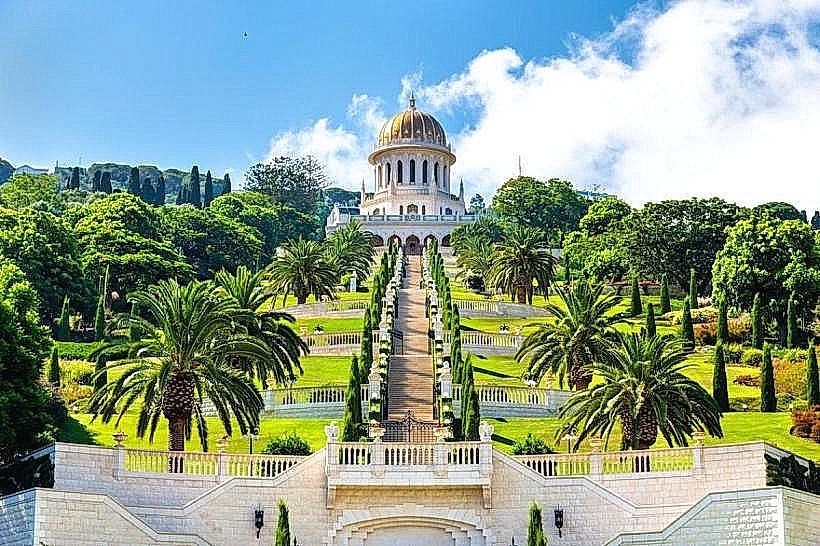
The Shrine of the Báb is a religious monument and burial place located on the mid-level terraces of the Bahá'í Gardens on Mount Carmel in Haifa, Israel. It serves as the final resting place for the Báb, the prophet-herald of the Bahá'í Faith, and is designated as a UNESCO World Heritage site.
Visual Characteristics
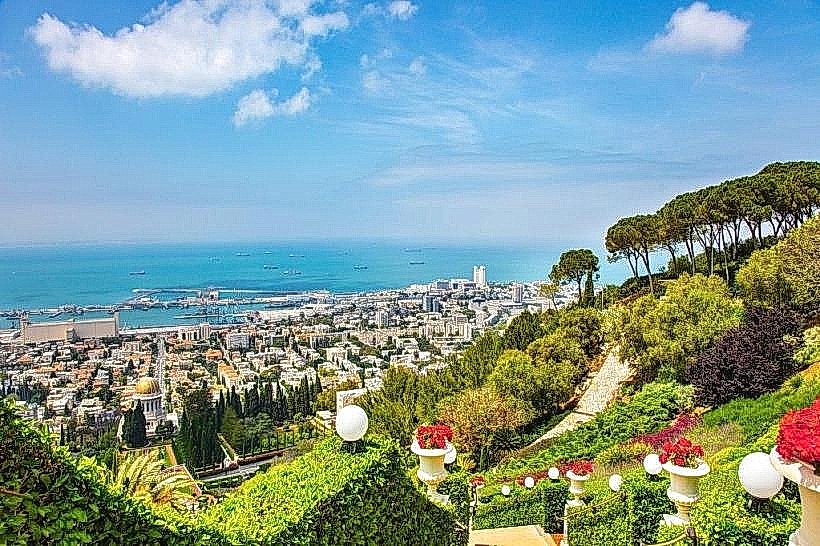
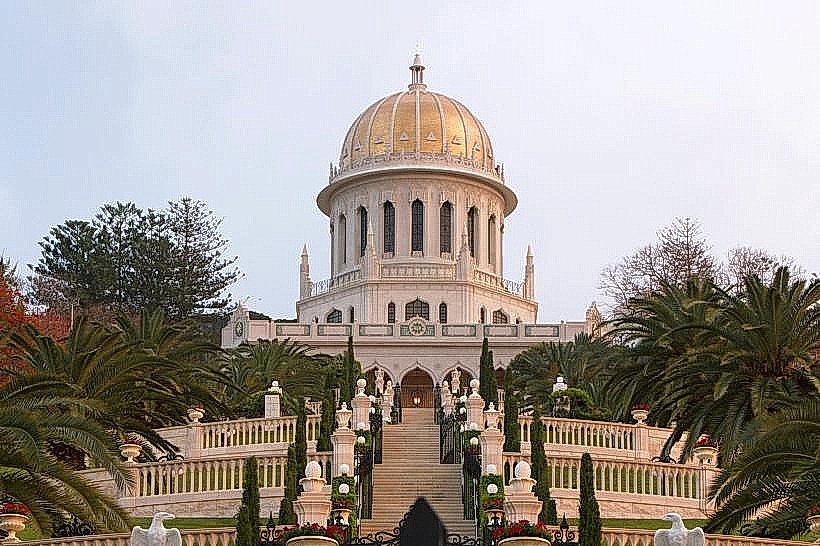
The shrine is a 40-meter-high structure that combines neoclassical European architecture with Eastern design elements. The exterior is constructed from Italian Chiampo limestone and features a colonnade of 24 granite monolithic pillars. The building is topped by a prominent golden dome composed of 12,000 gilded fish-scale tiles, which sits upon an octagonal drum. Granite balustrades, stone urns, and green-and-red floral arrangements define the immediate surrounding courtyard.
Location & Access Logistics
The site is situated at the intersection of Hatzionut Avenue and Shmuel Street on the slopes of Mount Carmel. Access is via the main Bahá'í Gardens gate on Hatzionut Avenue. Public transport includes Egged bus lines 23, 25, and 31. From the city center, the Carmelit funicular stops at HaNevi'im station, approximately a 10-minute walk from the shrine entrance. There is no dedicated visitor parking at the shrine gate; street parking is available in the adjacent Hadar neighborhood.
Historical & Ecological Origin
The foundation of the shrine was laid in 1899 by 'Abdu'l-Bahá, with the remains of the Báb interred in 1909 within a simple six-room stone structure. The current monumental superstructure, designed by Canadian architect William Sutherland Maxwell, was completed in 1953. The building is anchored into the limestone bedrock of the mountain and is surrounded by an ecological buffer of drought-resistant Mediterranean flora and gravel beds designed to prevent soil erosion.
Key Highlights & Activities
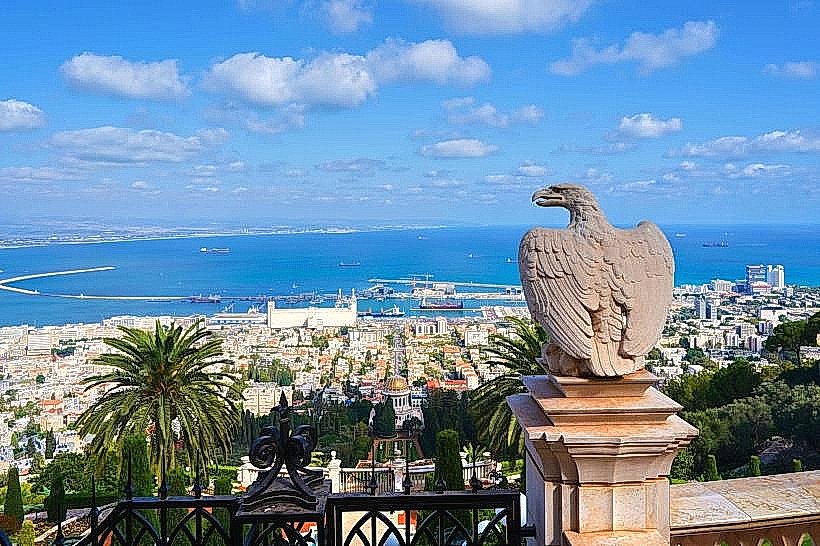
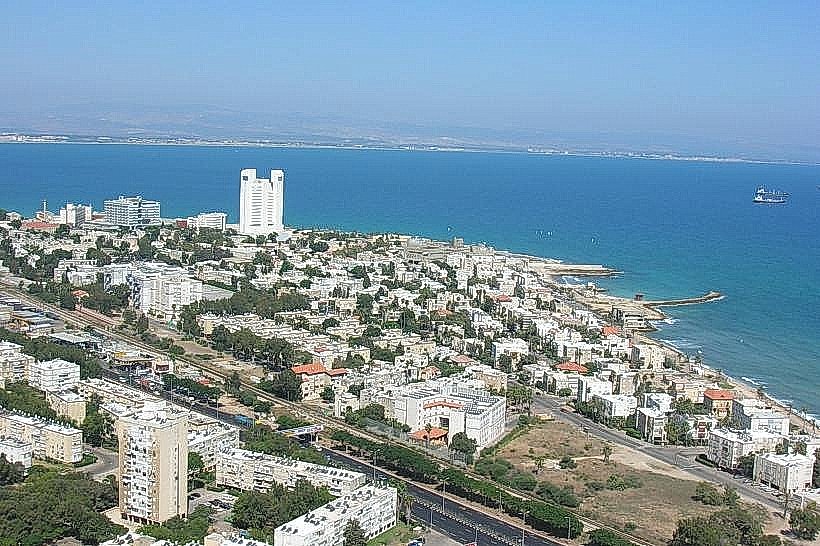
Visitors can enter the inner sanctuary during restricted morning hours for silent meditation or observation. Walking the central stone-paved paths of the terrace allows for a detailed view of the limestone carvings and the golden dome. The site provides a 180-degree vantage point for viewing the Mediterranean Sea and the Akko peninsula to the north.
Infrastructure & Amenities
The entrance gate area provides public restrooms and a small informational kiosk. 5G cellular signal is consistent across the terrace. There are no food or beverage vendors on-site to maintain the solemnity of the religious environment. Security personnel are present at all times, and visitors must undergo a bag check. Modest dress (covering shoulders and knees) and the removal of shoes before entering the inner shrine are mandatory.
Best Time to Visit
The inner shrine is open to the public daily from 09:00 to 12:00, while the surrounding gardens remain open until 17:00. Morning hours provide the best lighting for the limestone facade. Spring (March–May) offers the highest floral density, while winter days often provide the clearest visibility of the northern coastline for photography.
Facts & Legends
A verified historical oddity is that the Báb’s remains were hidden in various locations in Iran for 60 years to protect them from desecration before being secretly transported to Haifa in 1899. A local architectural fact is that the golden tiles for the dome were specifically manufactured in Utrecht, Netherlands, and were glazed with real gold to ensure the color would not fade despite the saline Mediterranean air.
Nearby Landmarks
Bahá'í Gardens (Lower Entrance) - 0.4km North
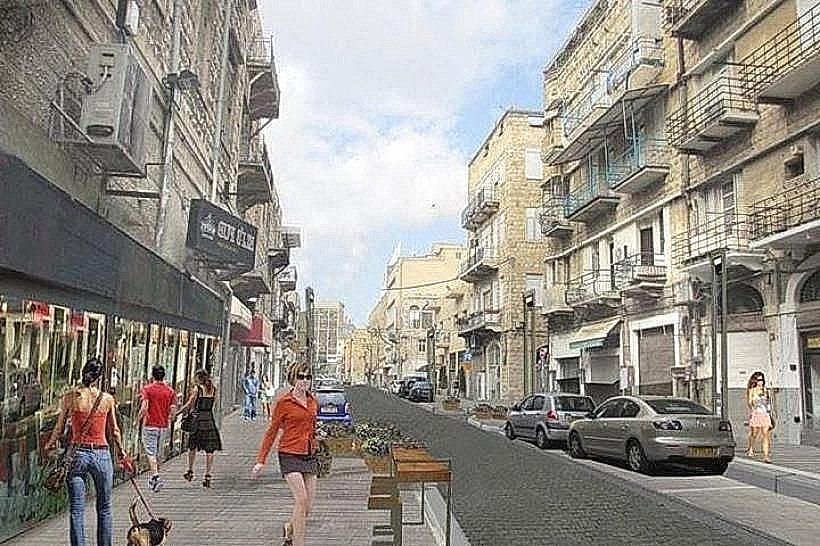
German Colony - 0.6km North
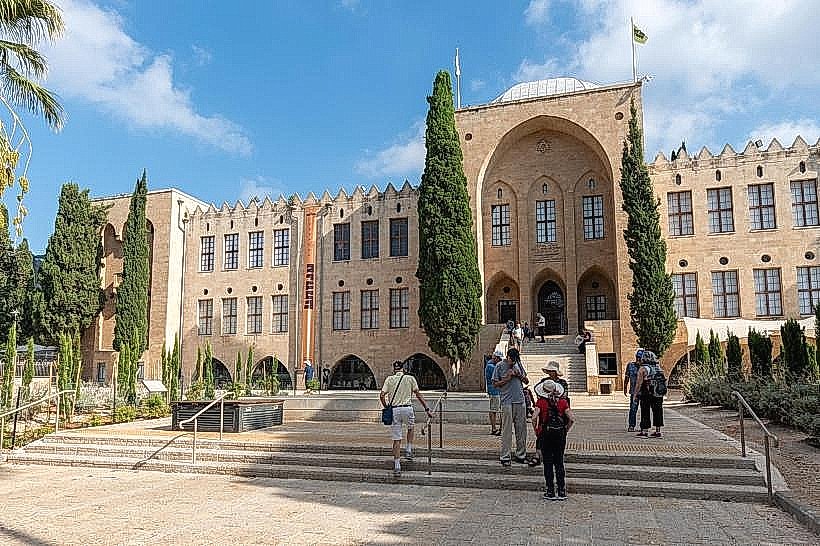
Madatech Science Museum - 1.2km East
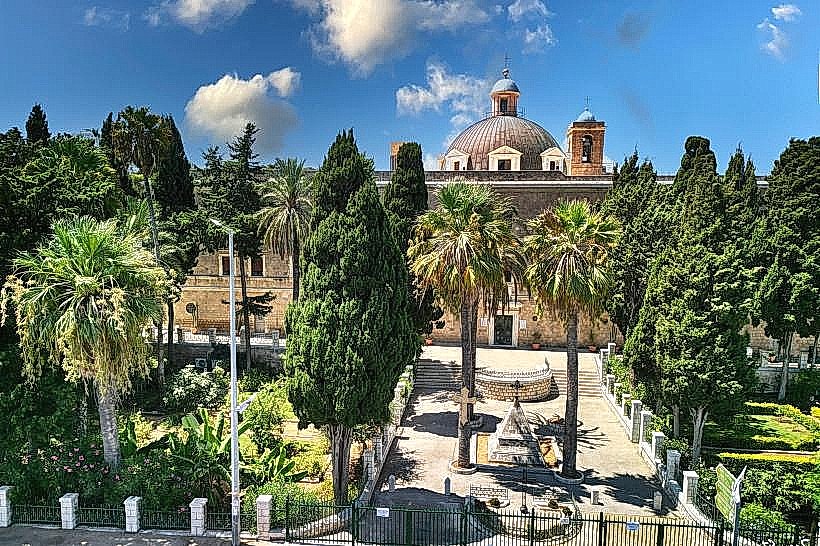
Stella Maris Monastery - 2.4km Northwest
Wadi Nisnas - 0.7km Northeast