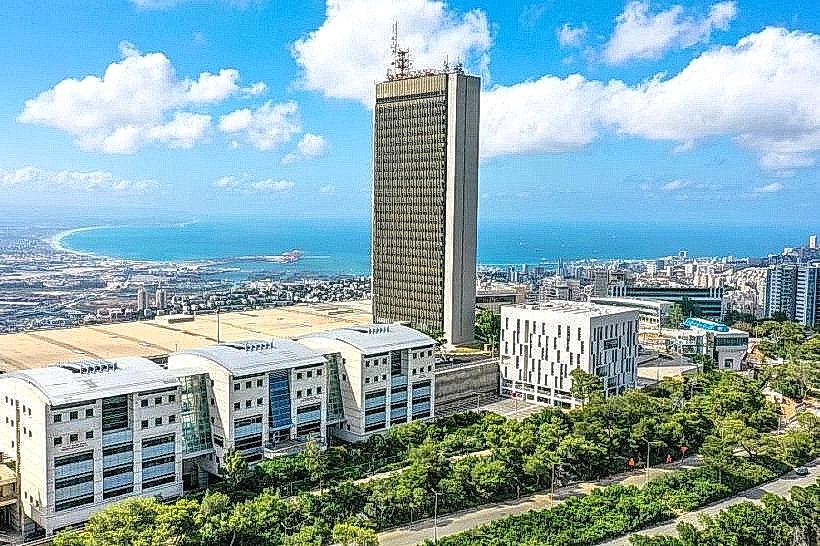
Landmark: Haifa University
City: Haifa
Country: Israel
Continent: Asia
Haifa University, Haifa, Israel, Asia
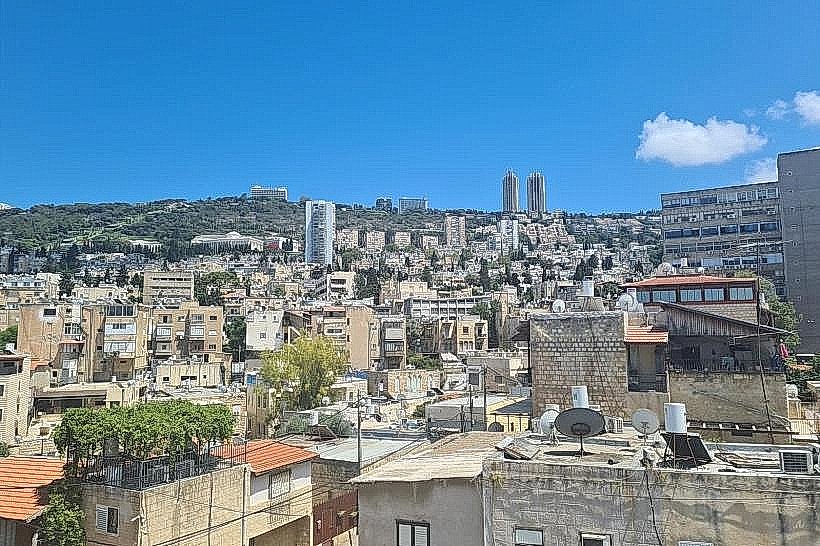
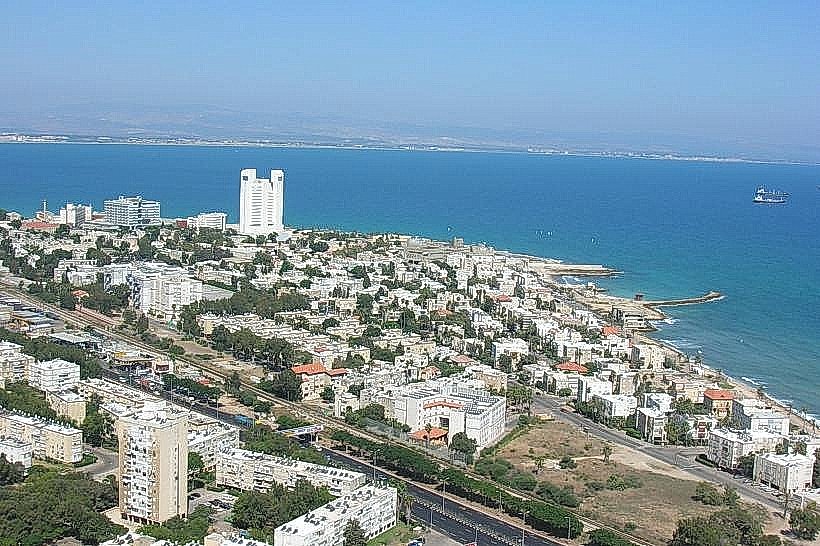
The University of Haifa is a public research institution located atop the main ridge of Mount Carmel, representing the highest geographic point in the city of Haifa. It is known for its diverse student body and its focus on the humanities, social sciences, law, and marine sciences.
Visual Characteristics
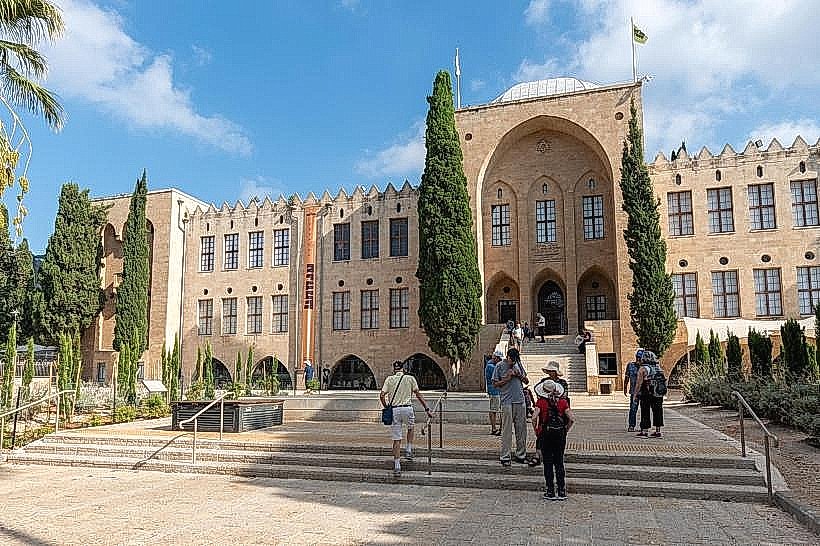
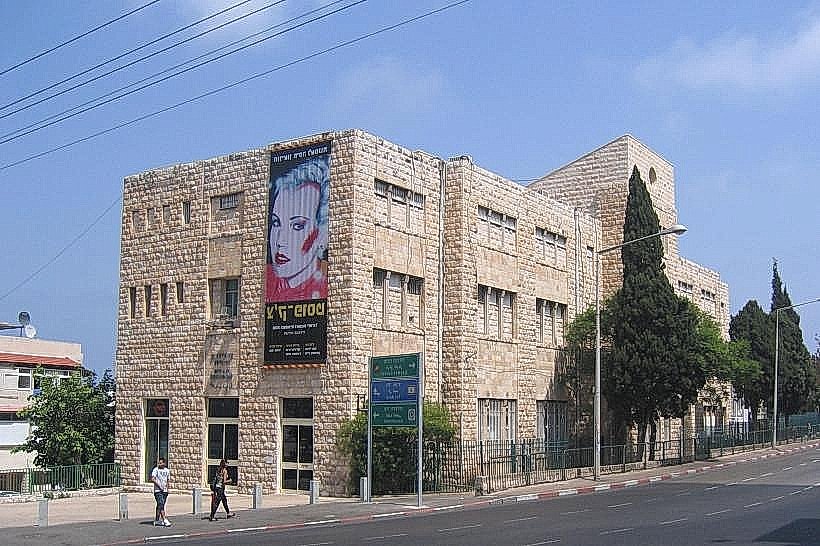
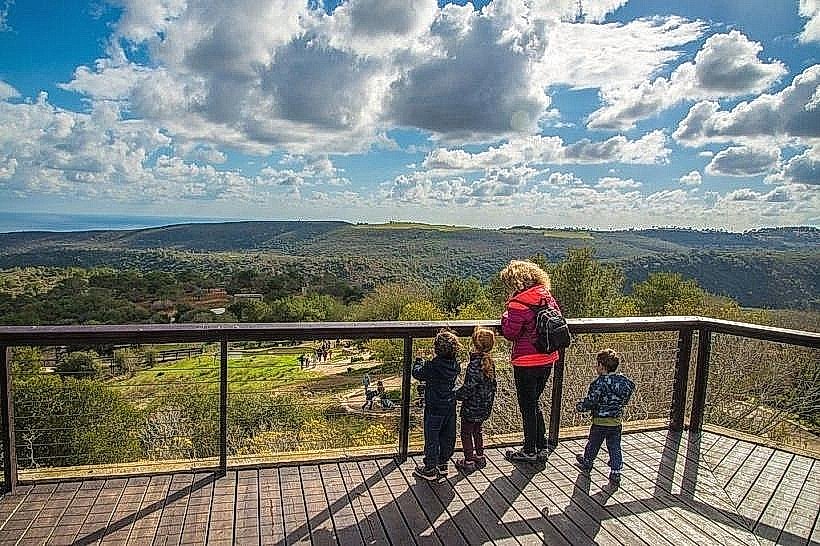
The campus is dominated by the Eshkol Tower, a 30-story brutalist skyscraper designed by Oscar Niemeyer, which is visible from much of Northern Israel. Construction materials primarily include reinforced concrete and local limestone cladding. The buildings are arranged along the mountain's contours, featuring terraced plazas and expansive glass windows that overlook the Mediterranean Sea and the Galilee. The interior architecture is characterized by long, functionalist corridors and large lecture halls integrated into the sloping terrain.
Location & Access Logistics
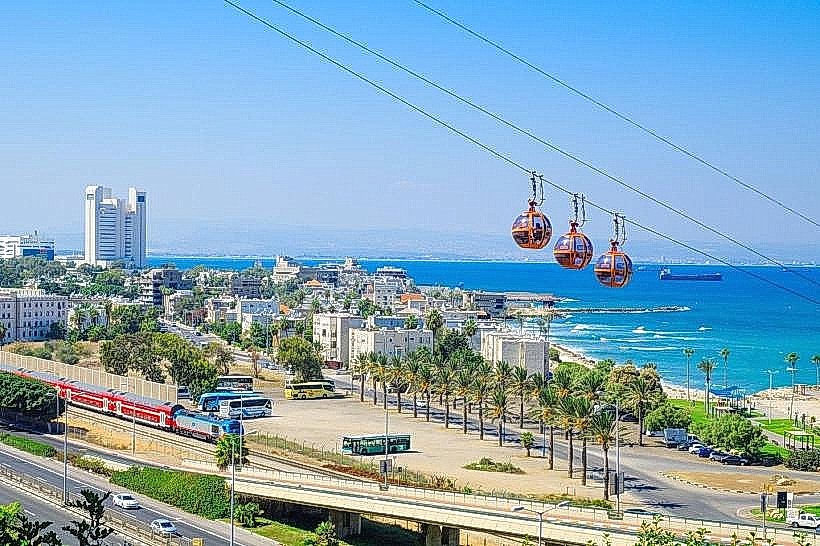
The university is situated at 199 Abba Khoushy Avenue, approximately 12km south of the downtown Haifa port area. It is accessible via the mountain ridge road (Route 672). Public transport is highly developed, with a dedicated bus terminal served by Egged lines 24, 37, 141, 143, and 146. The Haifa Cable Car (Rakavlit) provides a direct aerial link from the Lev HaMifratz transit hub to the campus. Multiple paid parking lots are available for visitors, though they frequently reach capacity during the academic semester.
Historical & Ecological Origin
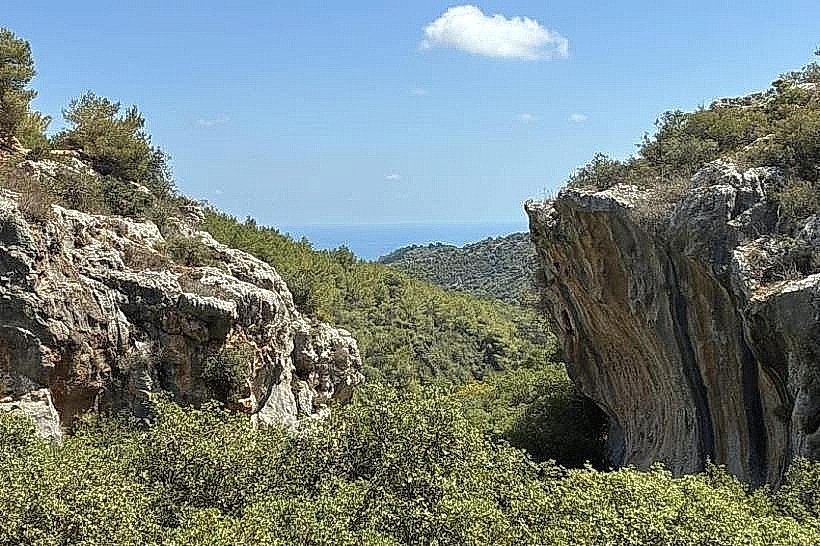
Founded in 1963 under the joint auspices of the City of Haifa and the Hebrew University of Jerusalem, it gained full academic independence in 1972. The campus is built within the boundaries of the Mount Carmel National Park, an area composed of Cenomanian limestone. The surrounding ecology is a protected Mediterranean forest (maquis), featuring Aleppo pine, Palestine oak, and various endemic shrubs that have been preserved despite the expansion of the university infrastructure.
Key Highlights & Activities
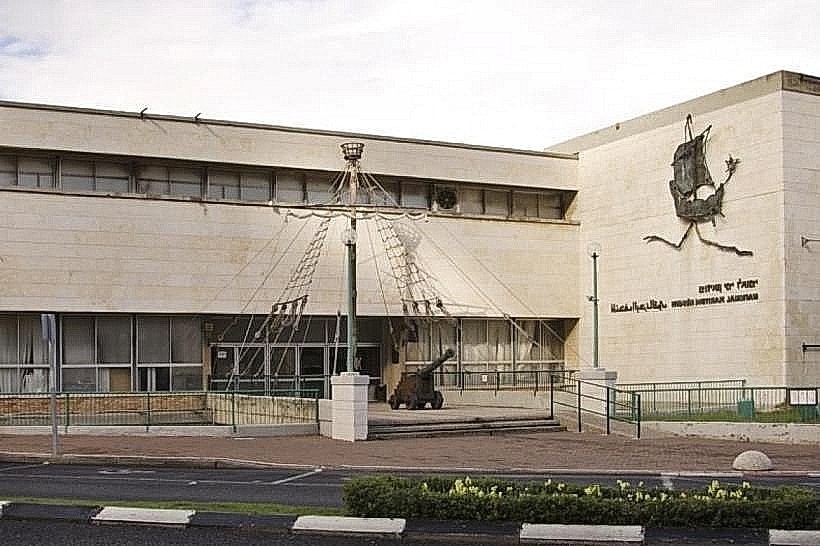
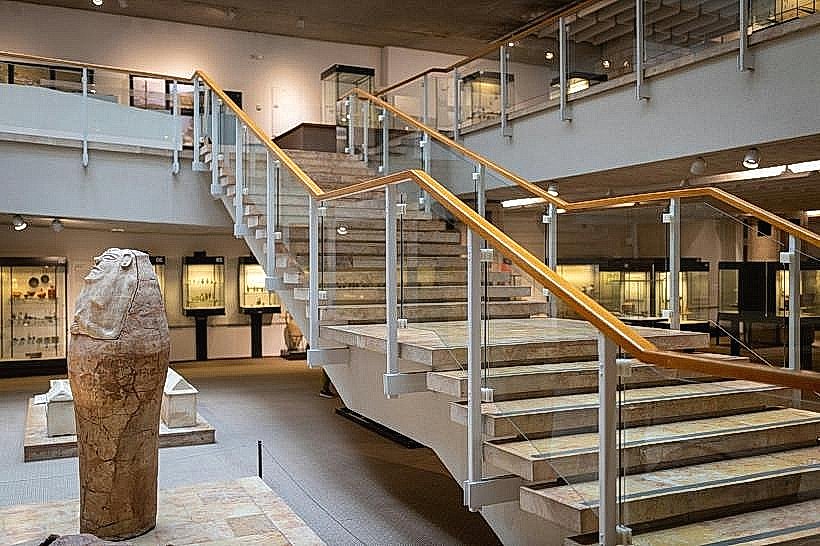
The campus houses the Hecht Museum, which contains significant archaeological finds, including the 2,400-year-old Ma'agan Michael Ship. Visitors can access the observation gallery on the upper floors of the Eshkol Tower for a 360-degree view of Northern Israel. The university library is one of the largest in the country, featuring specialized collections in Arabic literature and Middle Eastern studies. Walking trails from the campus lead directly into the surrounding national park.
Infrastructure & Amenities
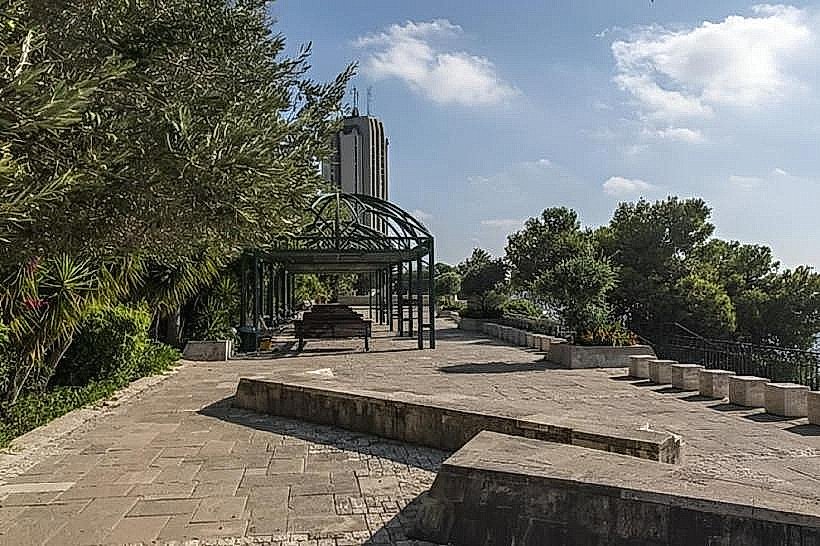
The campus functions as a self-contained micro-city with multiple cafeterias, a bank, a post office, and a dormitory complex. Public restrooms are located in every building, and the entire campus is equipped with 5G cellular coverage and public Wi-Fi. Most facilities are ADA-compliant with elevators and ramps, though the vertical nature of the terrain requires significant walking. Several open-air plazas provide shaded seating under pergolas and trees.
Best Time to Visit
The campus is most active Sunday through Thursday during the academic year (October–June). For the best visibility from the observation points, the morning hours (08:00–10:00) in spring or autumn are ideal, as the air is clear of summer haze. The Hecht Museum typically closes in the early afternoon, so cultural visits should be scheduled before 14:00.
Facts & Legends
The Eshkol Tower was once the tallest building in Haifa and remains one of the narrowest skyscrapers in proportion to its height in the region. A common student legend suggests that on exceptionally clear winter days, one can see the peaks of Mount Lebanon to the north and the outskirts of Tel Aviv to the south from the top floor.
Nearby Landmarks
Hecht Museum – 0.1km (On Campus)
Hai-Bar Nature Reserve – 1.6km South
Mount Carmel National Park – 0.5km East
Isfiya – 4.2km Southeast
Little Switzerland (HaShwaizaria HaKtana) – 2.4km West