Landmark: Elijah's Cave
City: Haifa
Country: Israel
Continent: Asia
Elijah's Cave, Haifa, Israel, Asia
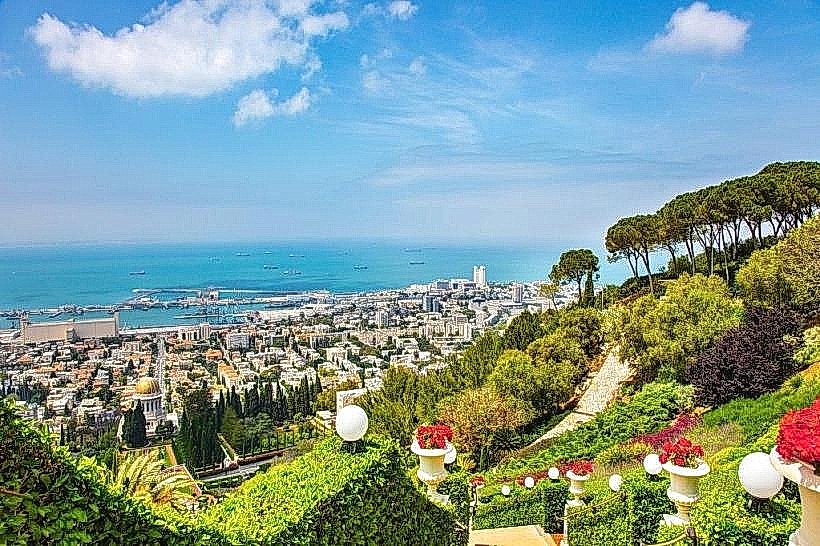
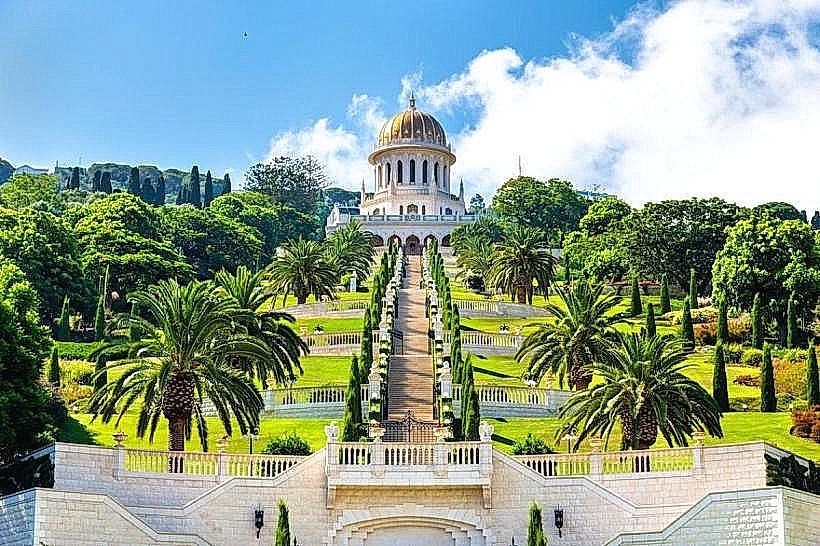
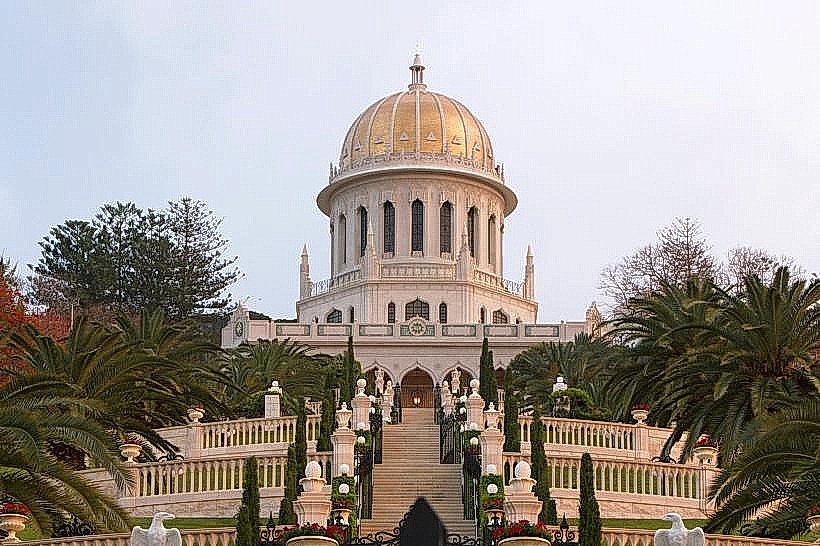
Elijah's Cave is a rock-cut grotto situated at the base of Mount Carmel in Haifa, Israel, held sacred by Jews, Christians, Muslims, and Druze. It is traditionally recognized as a site where the prophet Elijah sought refuge and meditated before his confrontation with the prophets of Baal.
Visual Characteristics
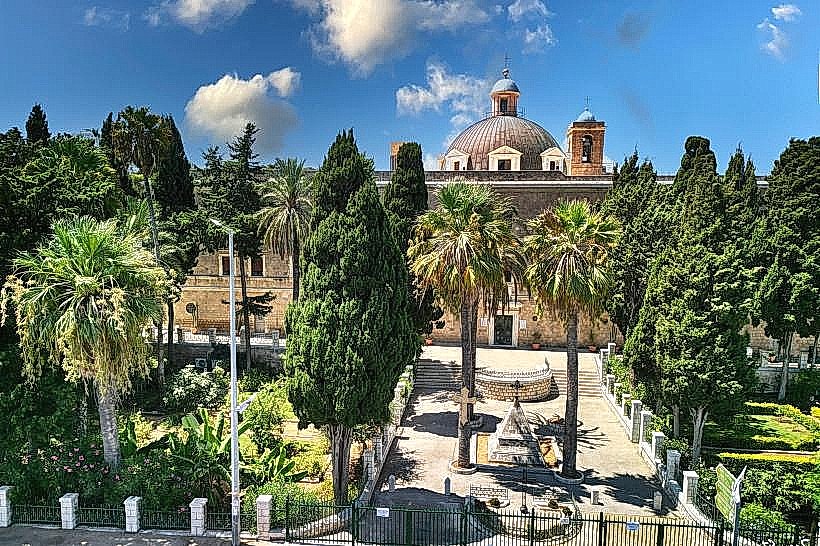
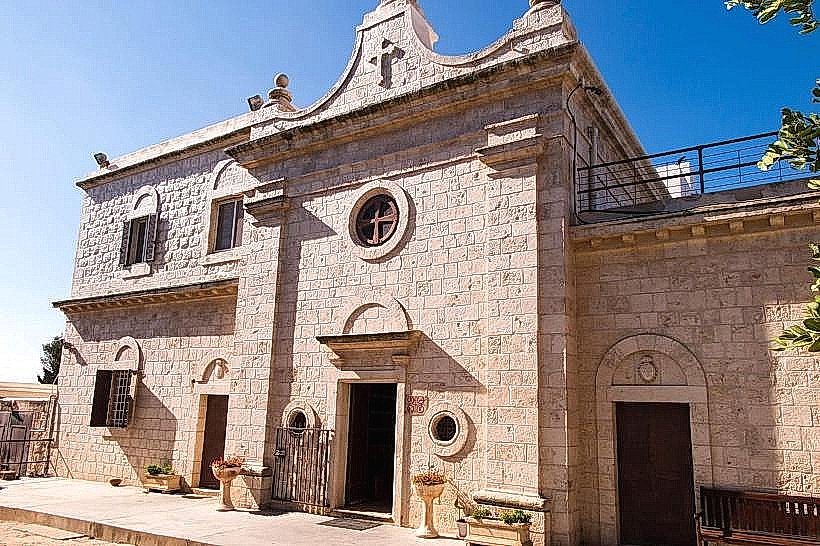
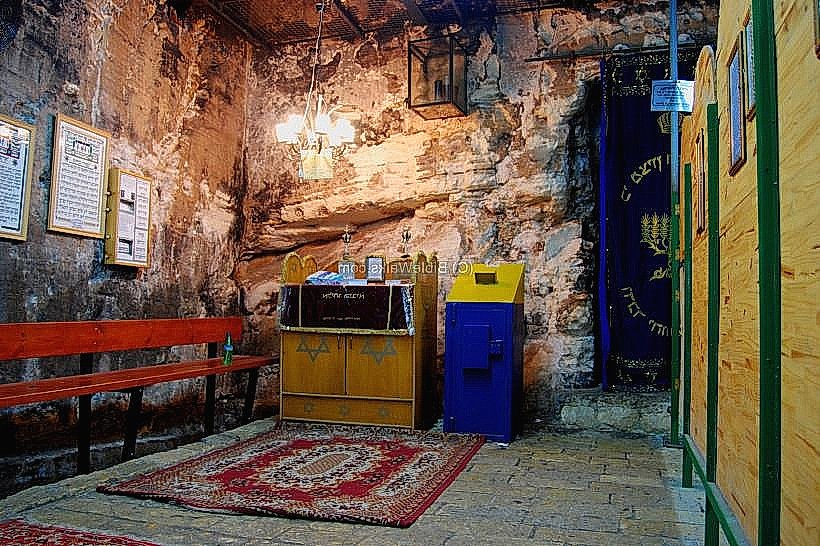
The cave is a natural karstic cavern that has been artificially enlarged and squared into a rectangular chamber measuring approximately 14 meters long, 8 meters wide, and 5 meters high. The interior walls consist of exposed limestone, featuring numerous historic inscriptions in Greek and Hebrew carved directly into the rock. A velvet curtain divides the prayer area, and a small niche in the eastern wall serves as the focal point for religious devotion. The exterior is marked by a simple stone building with a courtyard, designed to blend with the surrounding gray-beige cliffside.
Location & Access Logistics
The site is located at 230 Allenby Road at the foot of Mount Carmel. It is approximately 2.5km west of the Haifa City Center. Access is via a steep stone staircase originating from Allenby Road or via a descending path from the Stella Maris ridge. Public transport access is provided by Egged bus lines 1, 2, and 44, which stop on Allenby Road. Limited street parking is available along the main road, though the nearby maritime museum lot is frequently used by visitors.
Historical & Ecological Origin
Geologically, the cave is a solutional cavern formed within the Cenomanian limestone of the Carmel mountain range. Historically, the site has served as a place of pilgrimage for centuries; the earliest written records of its religious significance date back to the Byzantine period. The current structural entrance and surrounding administrative buildings were renovated and expanded during the mid-20th century to accommodate increasing visitor traffic.
Key Highlights & Activities
The primary activity is silent prayer and meditation within the cavern. Visitors often place written petitions in the crevices of the rock walls. The site is a frequent location for traditional Jewish ceremonies, including the "Upsherin" (a boy's first haircut) and prayers for health or fertility. Observing the ancient Greek inscriptions on the walls provides insight into the long history of Mediterranean pilgrimage.
Infrastructure & Amenities
The site maintains separate prayer sections for men and women. Public restrooms are located near the entrance gate. A small office provides basic information and candles, though there are no major food vendors or cafes on the immediate grounds. Cell phone signal (5G) is stable in the courtyard, though it may drop slightly inside the deepest part of the limestone cave. Shade is abundant within the cave and under the stone porticos of the courtyard.
Best Time to Visit
The cave is open Sunday through Thursday from 08:00 to 18:00, with shorter hours on Fridays. The best time for photography is early morning when the eastern sun illuminates the entrance. To avoid large crowds and religious ceremonies, mid-week mornings are recommended. The cave maintains a cool, constant temperature, making it a viable retreat during the peak summer months of July and August.
Facts & Legends
Local folklore suggests that the cave possesses healing properties, particularly for mental illness; historically, pilgrims would remain in the cave for several days in hopes of a cure. Another legend states that the prophet Elijah hid here from Queen Jezebel, and a small depression in the cave ceiling is often pointed out as the spot where his head rested.
Nearby Landmarks
Stella Maris Monastery – 0.6km Southeast
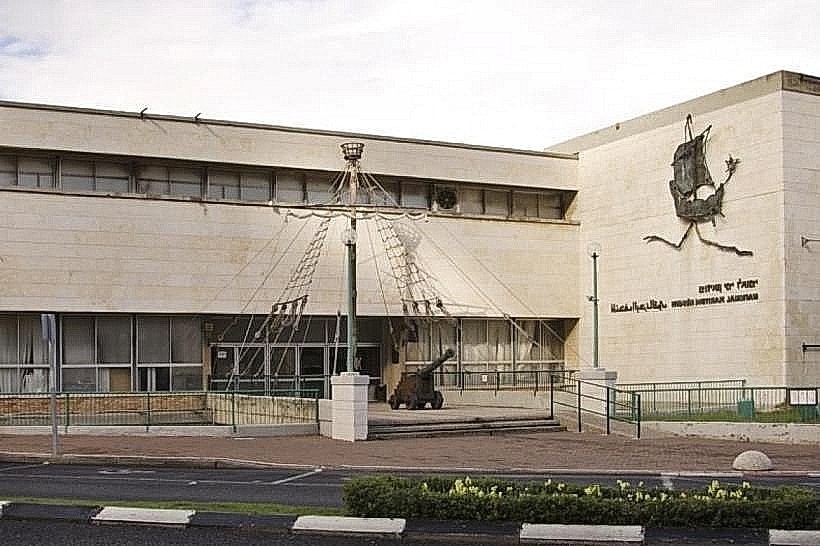
Clandestine Immigration and Naval Museum – 0.3km North
National Maritime Museum – 0.4km Northwest
Bat Galim Beach – 0.8km Northwest
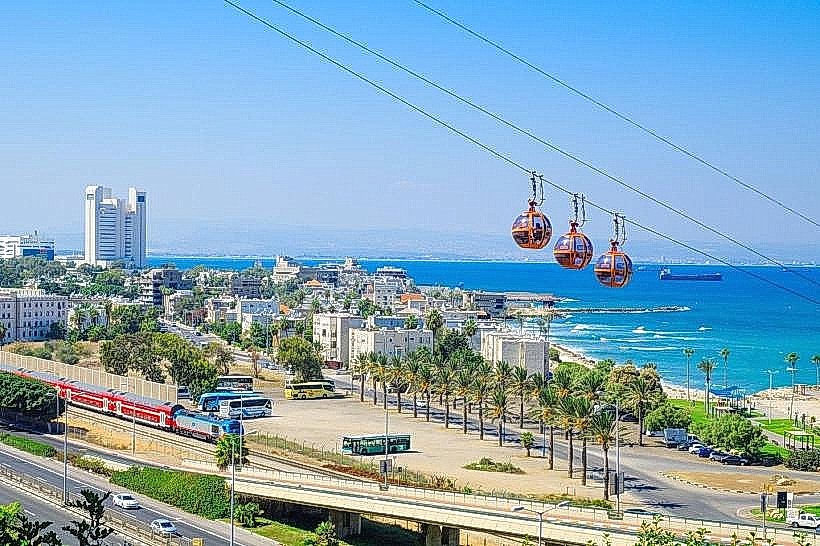
Haifa Cable Car (Lower Station) – 0.5km Northwest