Landmark: German Colony
City: Haifa
Country: Israel
Continent: Asia
German Colony, Haifa, Israel, Asia
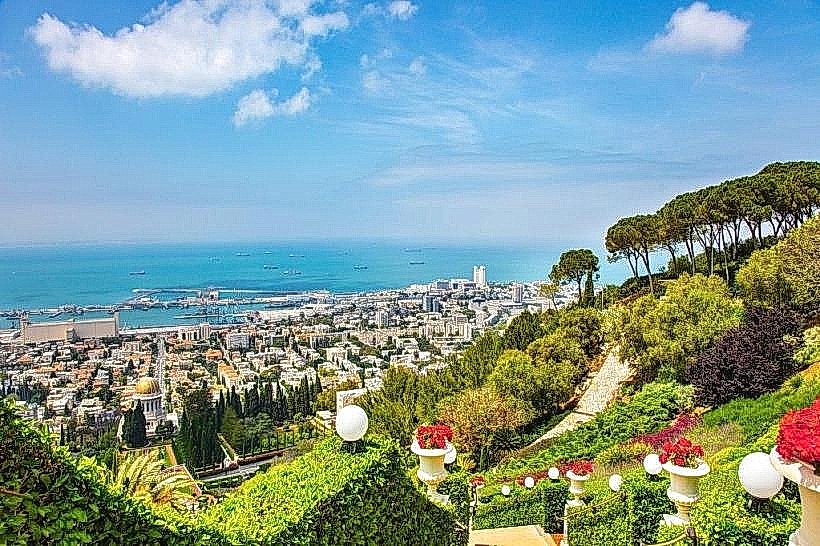
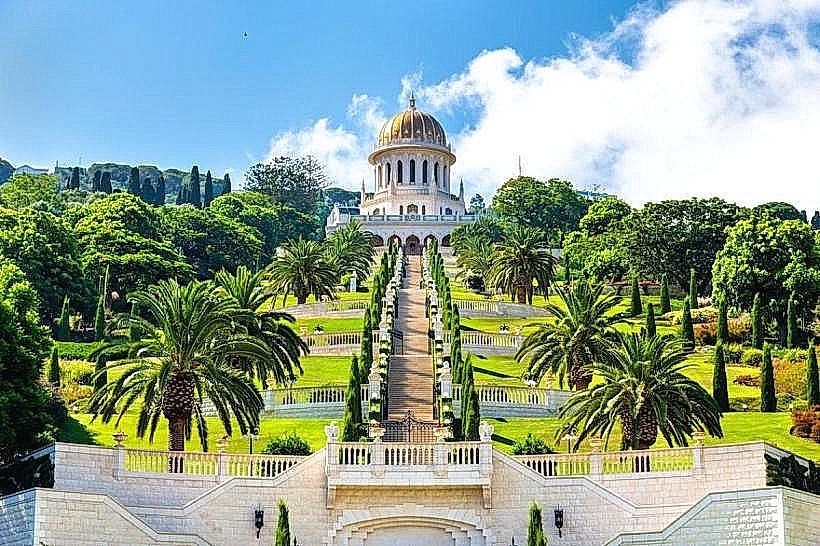
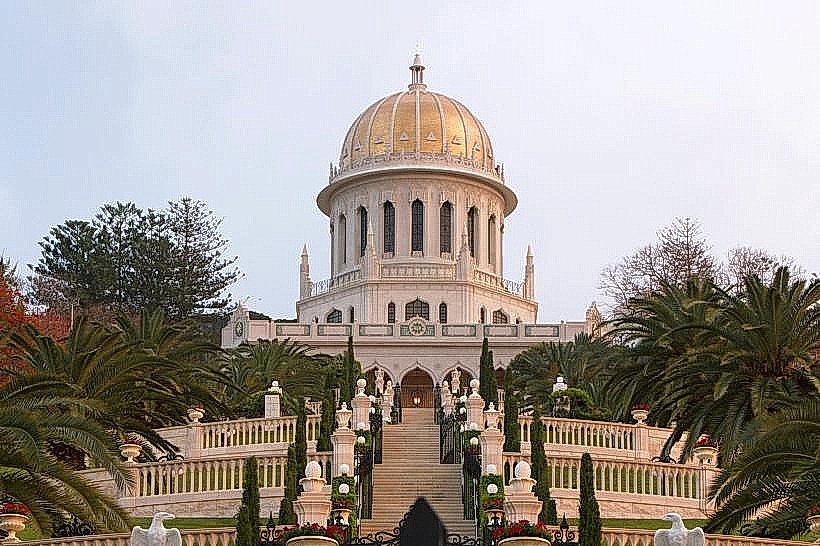
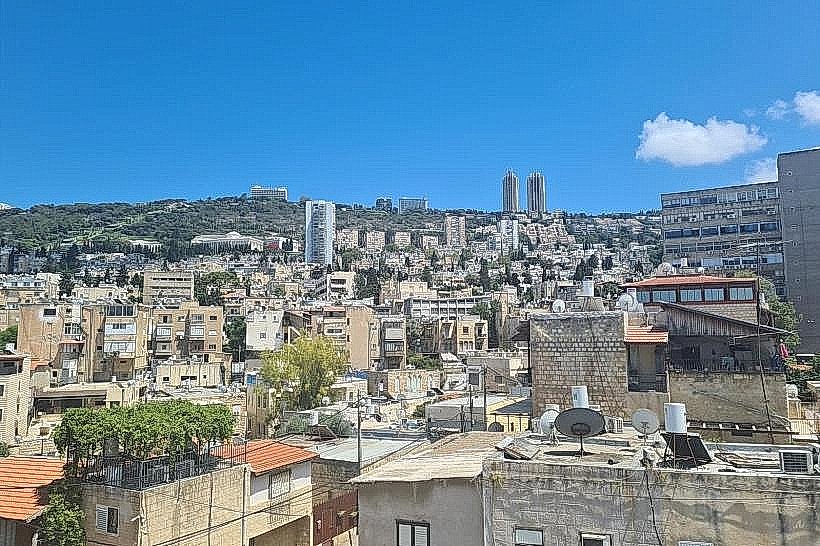
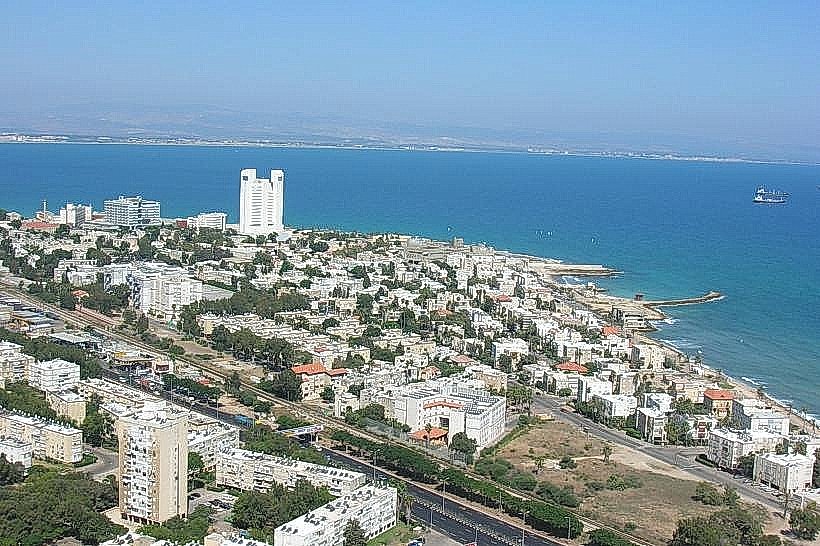
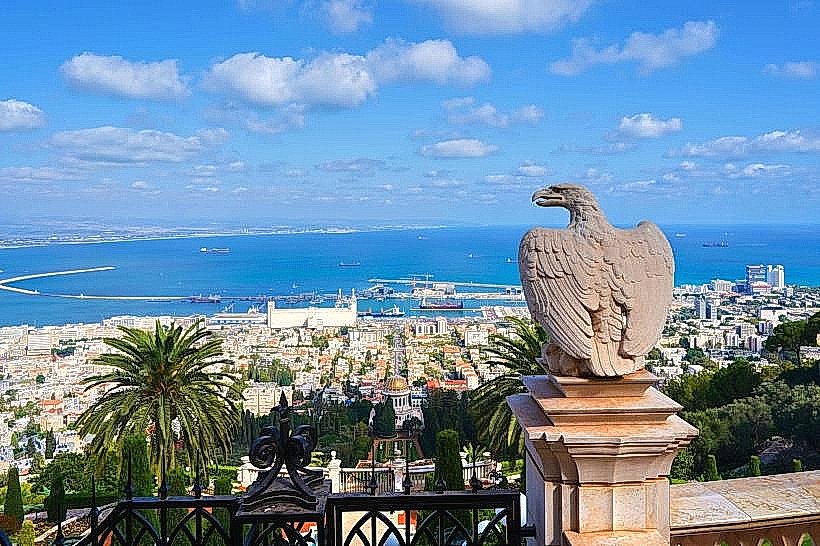
The German Colony is a historic district situated at the base of the Baháʼí Gardens in Haifa, Israel, characterized by its preserved 19th-century architecture. It was established by the Temple Society, a German Protestant sect, and serves as a primary cultural and commercial axis connecting the Carmel mountain ridge to the Mediterranean port.
Visual Characteristics
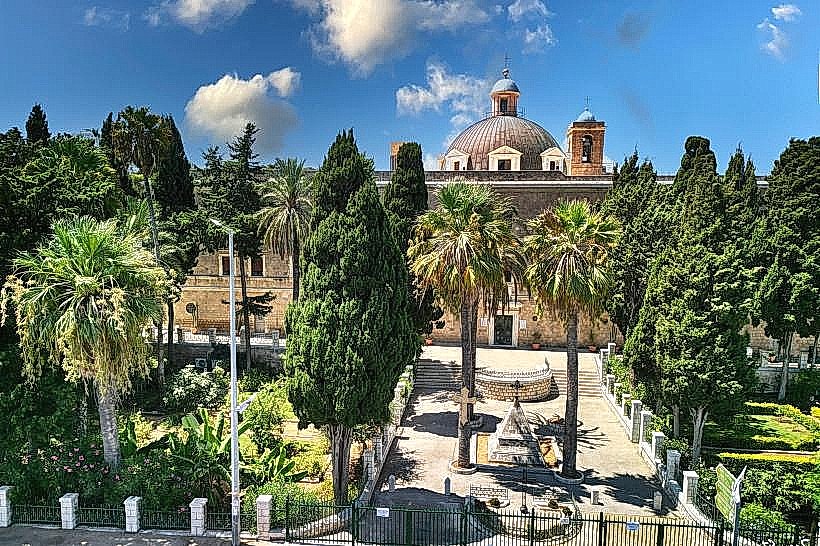
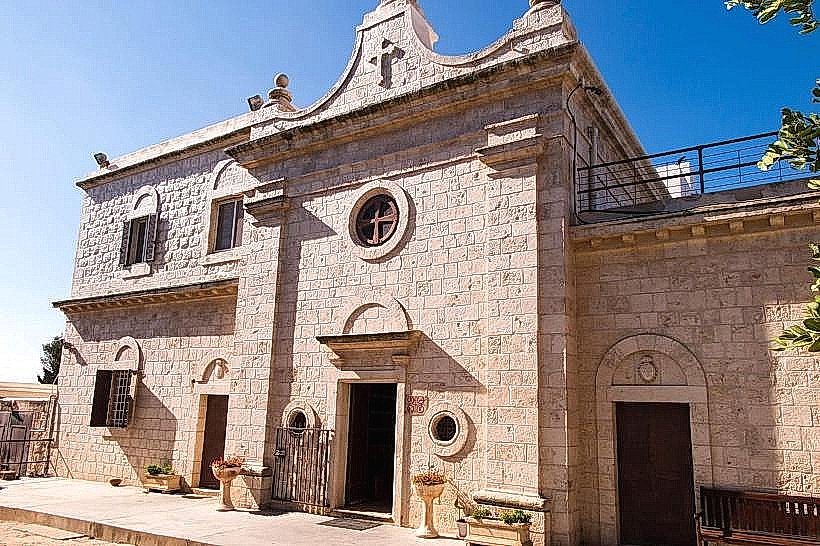
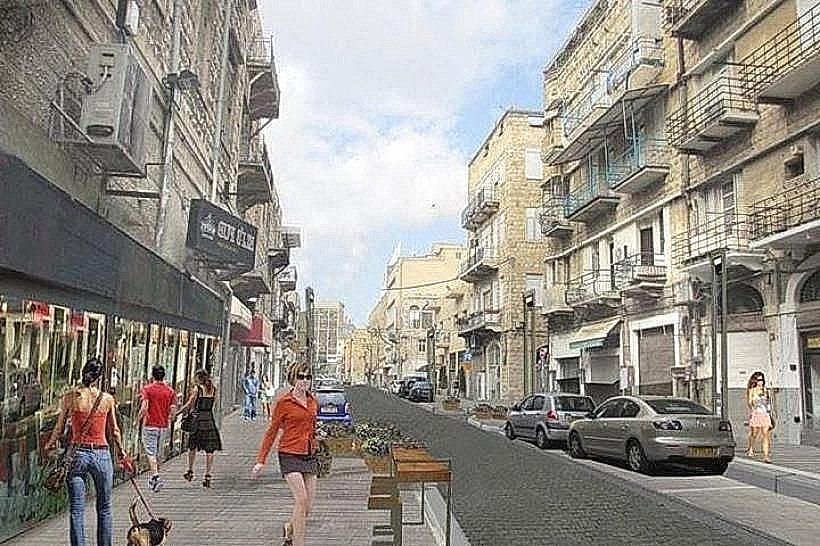
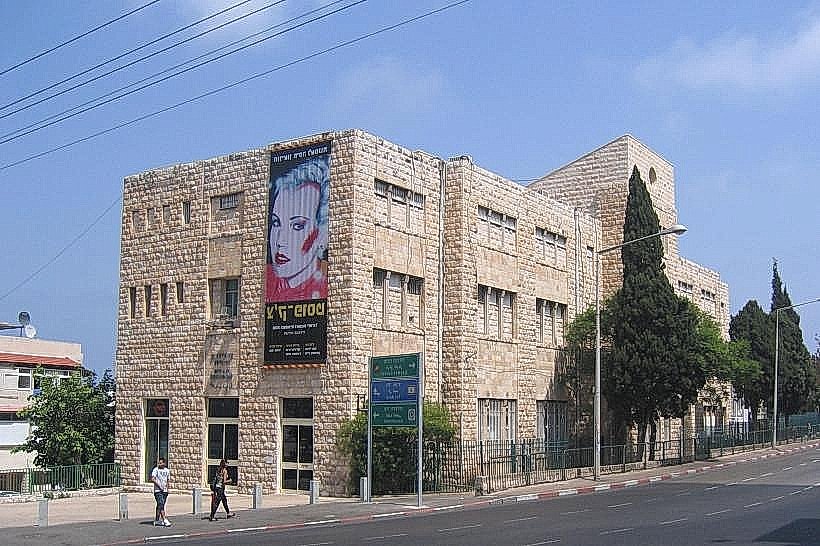
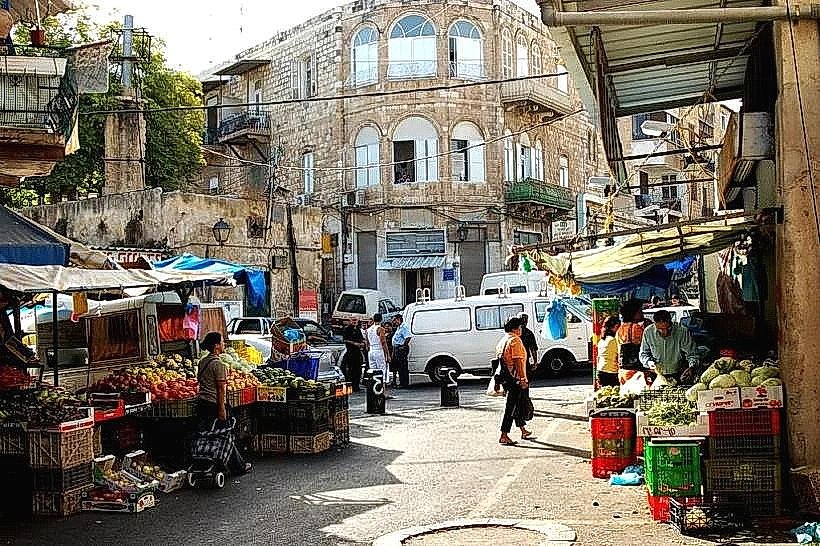
The neighborhood features a distinct grid layout with wide, symmetrical boulevards. The primary building material is local cream-colored limestone, topped with pitched roofs of red terracotta tiles imported from Marseille. Architectural styles include Neo-Gothic and vernacular elements, often featuring thick walls, arched windows, and German inscriptions carved into stone door lintels. Ben-Gurion Boulevard, the central artery, is lined with manicured palm trees and restored two-story colonial homes.
Location & Access Logistics
The district is centered on Ben-Gurion Boulevard, extending from the foot of the Baháʼí Gardens to the Haifa Port. It is approximately 2 km northwest of the city’s central business district. Access from Tel Aviv is via Highway 2, merging into Route 4. The area is served by the Metronit rapid transit system (Lines 1 and 2) and is a 5-minute walk from the Haifa Center HaShmona railway station. Public parking is available in several paid lots on side streets such as HaGanim and Meir Rutberg.
Historical & Ecological Origin
The colony was founded in 1868 by Gottlieb Schumacher and Christoph Hoffmann as the first of several Templer settlements in Palestine. The original purpose was to establish a Christian community based on industrial and agricultural productivity. The land sits on a flat coastal plain composed of alluvial soil and calcareous sandstone (kurkar) at the northern tip of the Carmel mountain range. Most original structures were completed between 1870 and 1900.
Key Highlights & Activities
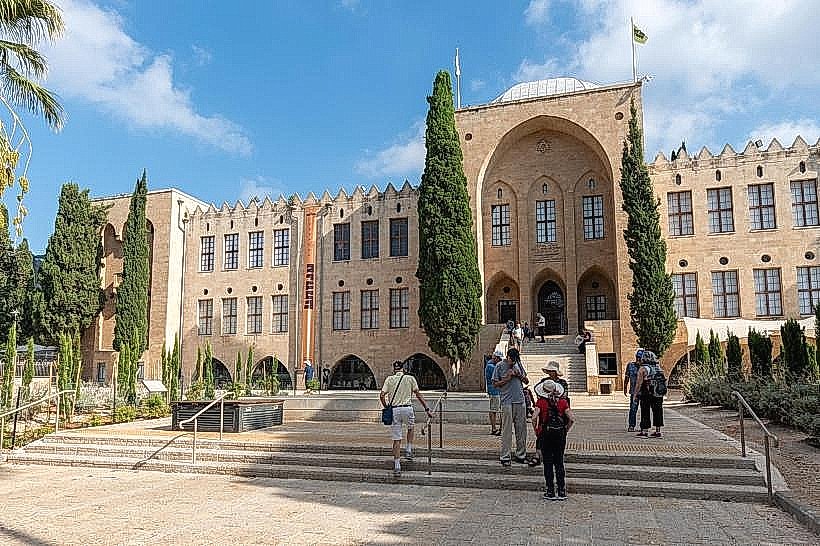
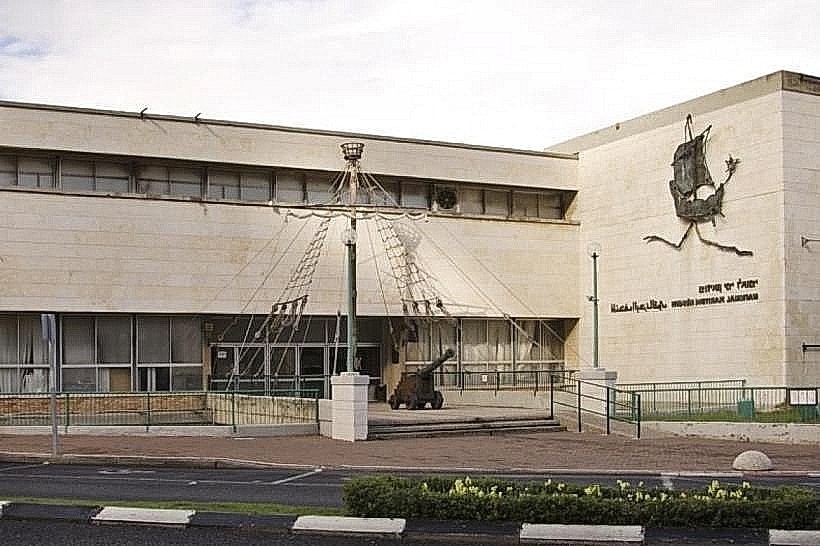
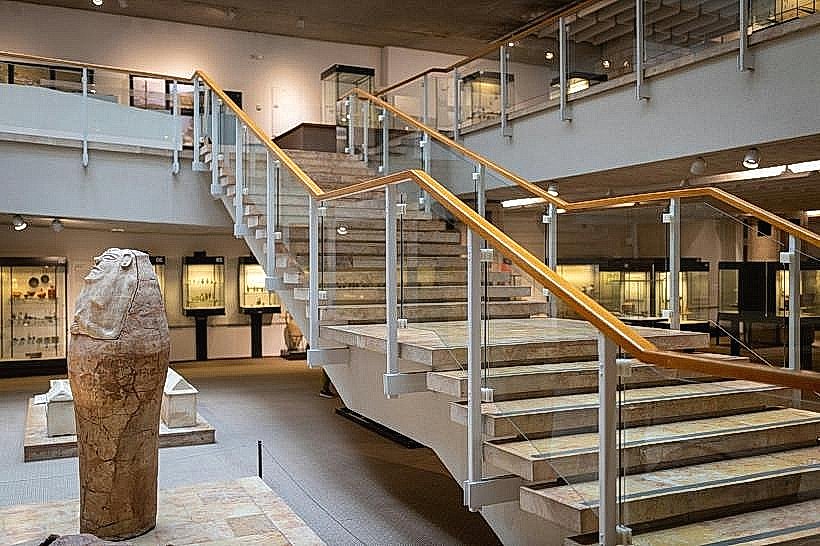
Self-guided walking tours focus on the restored Templer houses, many of which contain plaques detailing their original residents. The Haifa City Museum, located in the former Templer People’s House, offers exhibits on local history. The lower entrance to the Baháʼí Gardens is accessible at the southern end of the boulevard. Commercial activities include dining at converted historic residences and shopping for local crafts in the various boutiques lining the main street.
Infrastructure & Amenities
The district is a high-density commercial zone with numerous restrooms located within cafes, restaurants, and the City Museum. Ben-Gurion Boulevard is a pedestrian-friendly zone with wide sidewalks and ample outdoor seating under motorized awnings and trees. Full 5G cellular coverage is available throughout the colony. Numerous food vendors, ranging from high-end restaurants to fast-food outlets, operate between 08:00 and 23:00.
Best Time to Visit
The neighborhood is best visited in the late afternoon and early evening when the Baháʼí Gardens are illuminated, providing a clear sightline up the mountain. December is a peak period due to the "Holiday of Holidays" festival, which celebrates the intersection of Hanukkah, Christmas, and Ramadan. For architectural photography, morning light (08:00–10:00) highlights the limestone textures without the heavy shadows cast by the mountain in the late afternoon.
Facts & Legends
In 1898, Kaiser Wilhelm II of Germany visited the colony, an event so significant that a stone monument was erected at the top of the ridge to commemorate the occasion. A common local legend suggests that the Templers built their houses with unusually thick walls not just for climate control, but to withstand a predicted apocalypse they believed would occur during their lifetime.
Nearby Landmarks
Baháʼí Gardens (Lower Entrance) – 0.1km South
Haifa City Museum – 0.2km West
Haifa Center HaShmona Railway Station – 0.6km Northeast
Wadi Nisnas Market – 0.8km Southeast
Beit HaGefen Arab-Jewish Cultural Center – 0.7km South