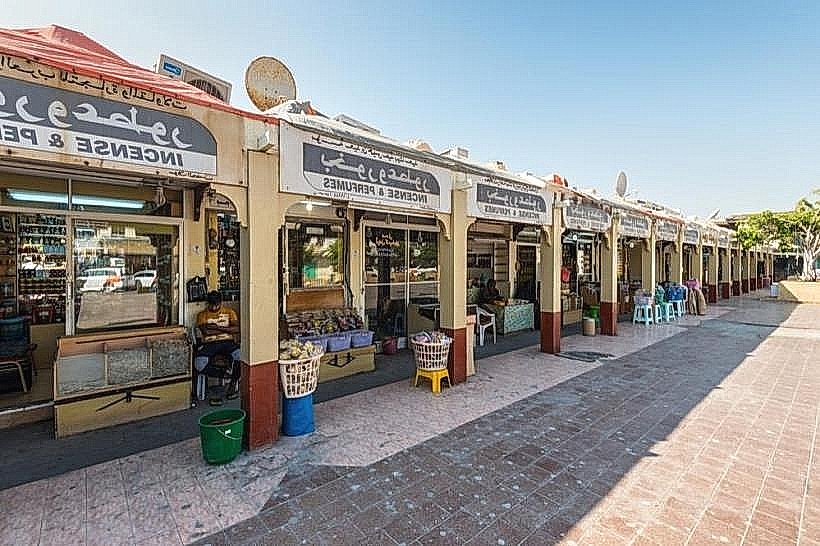
Landmark: Haffa Souq
City: Salalah
Country: Oman
Continent: Asia
Haffa Souq, Salalah, Oman, Asia
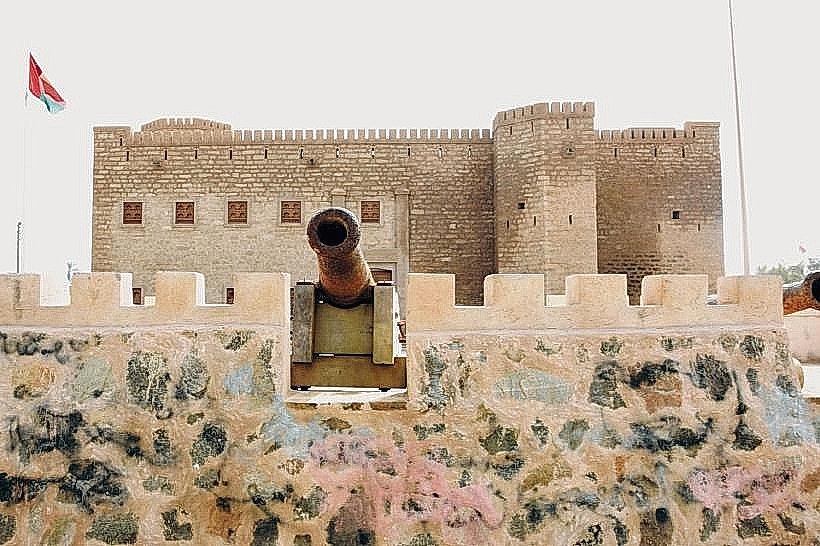
Haffa Souq is a traditional open-air marketplace located in the coastal Haffa district. The site is situated along the Corniche, approximately 1 kilometer south of the Salalah city center and adjacent to the Al Hosn Palace.
Visual Characteristics
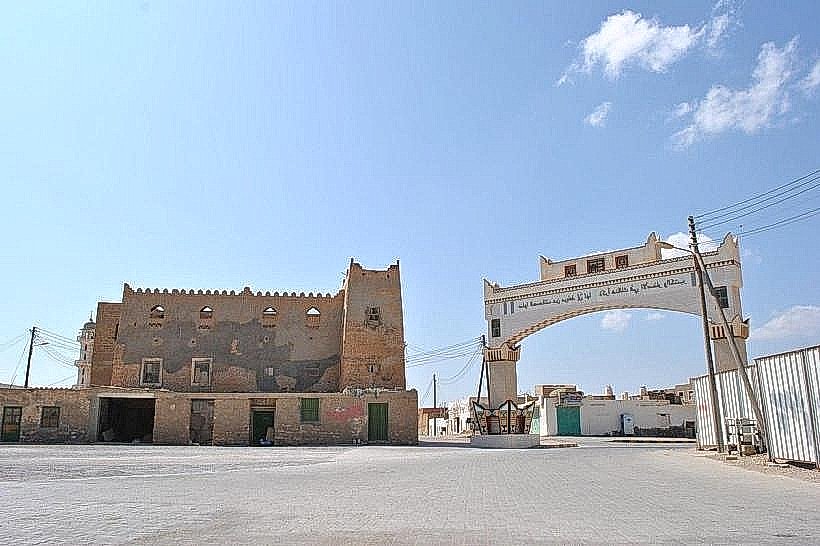
The market consists of a series of narrow, interconnected alleys lined with small masonry shops finished in white and earth-toned plaster. The architecture features traditional Omani arched doorways, wooden shuttered windows, and carved rafters. The ground is paved with interlocking stone, and many sections are covered with palm-frond or wooden slat roofing to provide shade. The air is characterized by the constant scent of burning frankincense resin emanating from terracotta burners placed outside shop entrances.
Location & Access Logistics
The souq is located on Al Bahri Street (The Corniche). It is roughly a 15-minute drive from Salalah International Airport. Dedicated parking areas are available along the beachfront and in gravel lots adjacent to the western entrance. While there is no specific bus stop at the gate, the souq is a primary destination for all local taxis and is centrally located for those staying in the Haffa or Al Wadi districts.
Historical & Ecological Origin
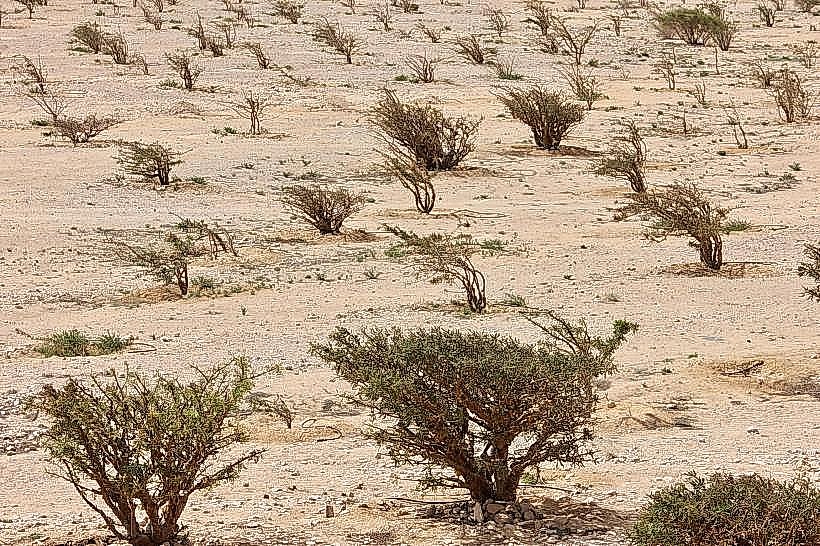
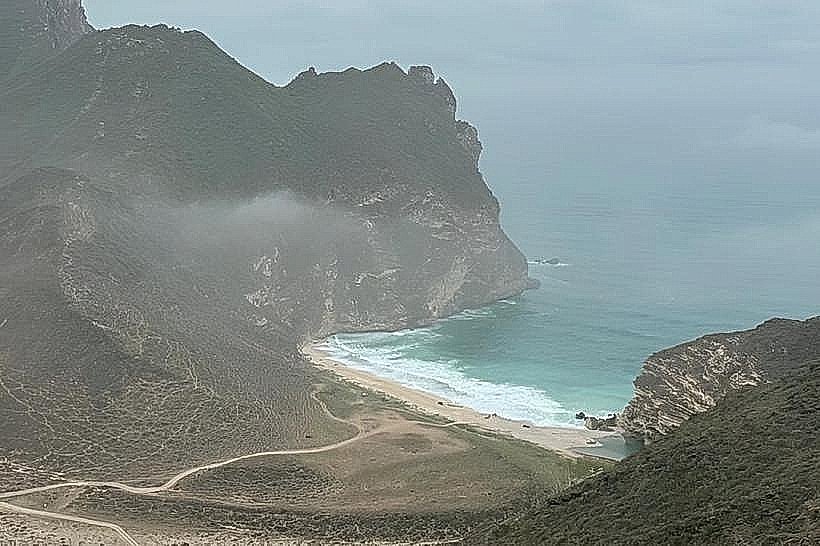
As one of the oldest trading hubs in Dhofar, the souq has historically served as the primary exchange point for frankincense harvested from the interior wadis. The site is built on the narrow coastal strip between the Al Qara Mountains and the Arabian Sea, characterized by sandy soils and high humidity. Historically, the market was the center of maritime commerce, where regional goods were traded with merchants from across the Indian Ocean.
Key Highlights & Activities
Visitors typically browse the extensive collection of high-quality frankincense resins (notably the silver Al Hojari grade) and traditional clay incense burners. The market is also a center for Omani silver craft, offering curved daggers (khanjars), jewelry, and embroidered clothing. Walking along the adjacent Corniche at sunset is a common activity combined with a visit to the stalls. Photography is permitted, though it is standard practice to ask vendors before taking close-up portraits.
Infrastructure & Amenities
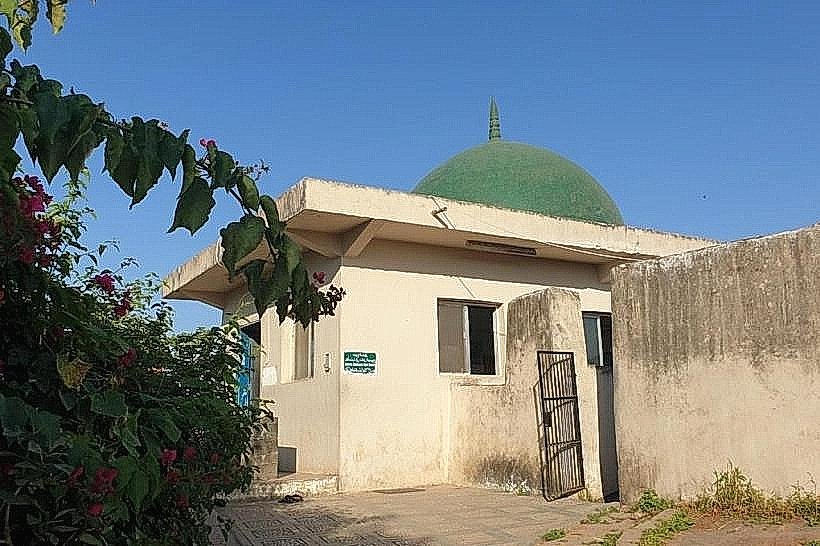
The souq area includes several public restroom blocks and a small mosque located near the eastern entrance. Shaded walkways provide relief from the sun throughout the midday hours. While there are no large restaurants inside the alleys, numerous small stalls sell traditional street food, fresh coconut water, and Omani coffee. Cell phone signal (5G) is consistently strong due to the urban coastal location.
Best Time to Visit
The market is most active in the evenings, particularly between 5:00 PM and 10:00 PM, when the temperature drops and local social activity peaks. For photography, the late afternoon "golden hour" provides the best light against the white-washed walls and the nearby palace. During the Khareef (July to September), the souq is at its busiest with regional tourists, often featuring extended opening hours.
Facts & Legends
A specific historical oddity is that many of the vendors are third or fourth-generation traders who still utilize traditional scales for weighing resin. Local lore suggests that the specific scent profile of the Haffa Souq can be detected by sailors several miles out at sea when the wind blows from the north. A tip for visitors is to look for "Luban" oil, a concentrated frankincense extract used in traditional medicine, which is often kept in small glass vials beneath the main counters.
Nearby Landmarks
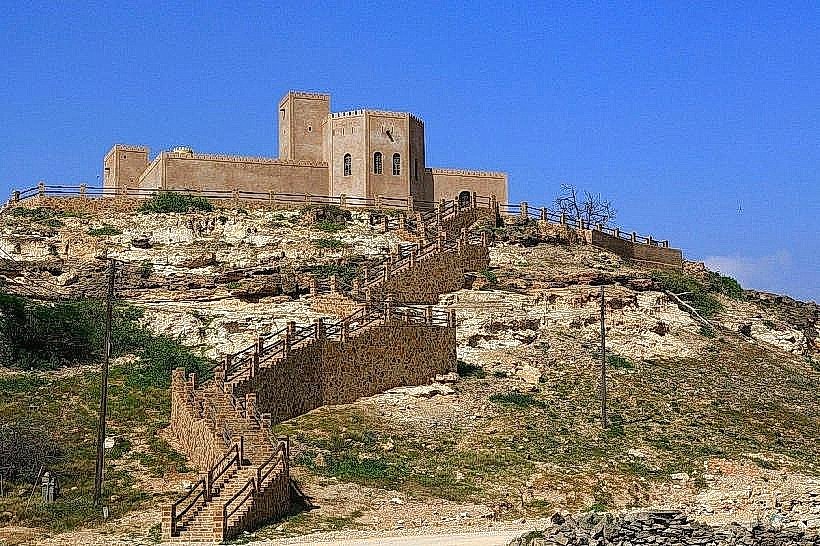
Al Hosn Palace (0.3km East)
Tomb of Prophet Umran (1.2km North)
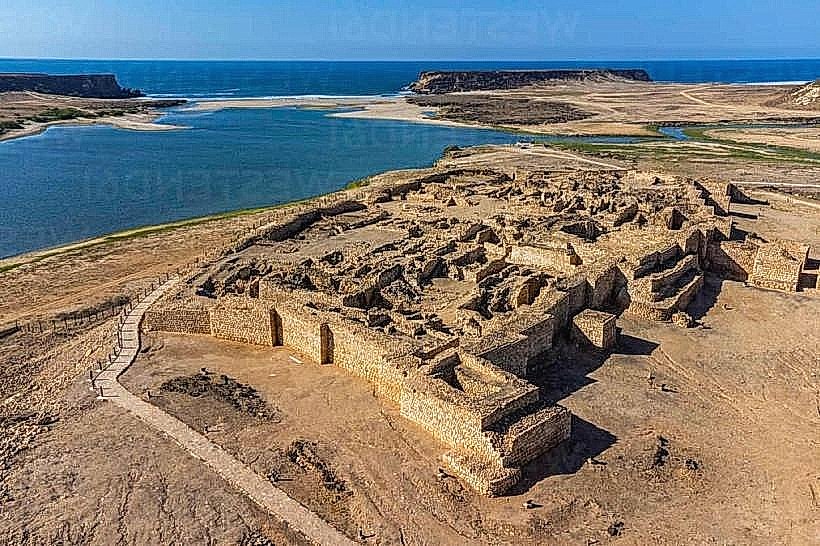
Al Baleed Archaeological Park (4.5km East)
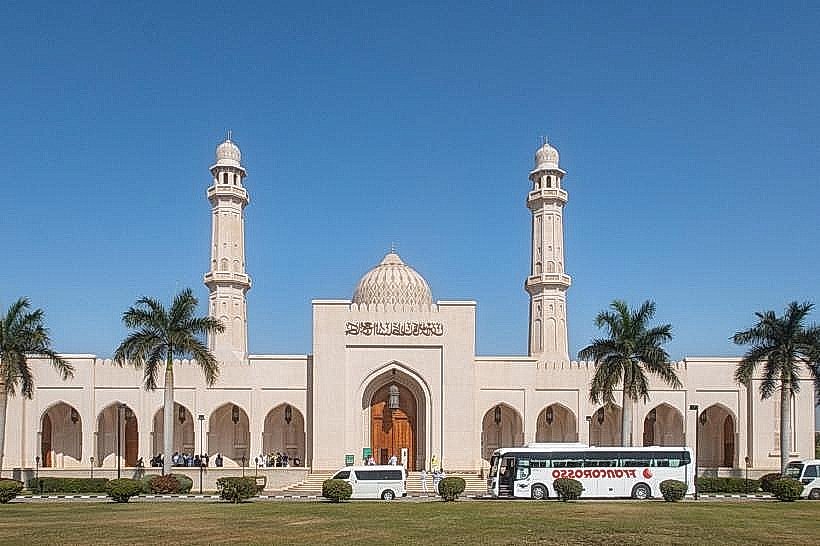
Sultan Qaboos Mosque (3.0km Northwest)