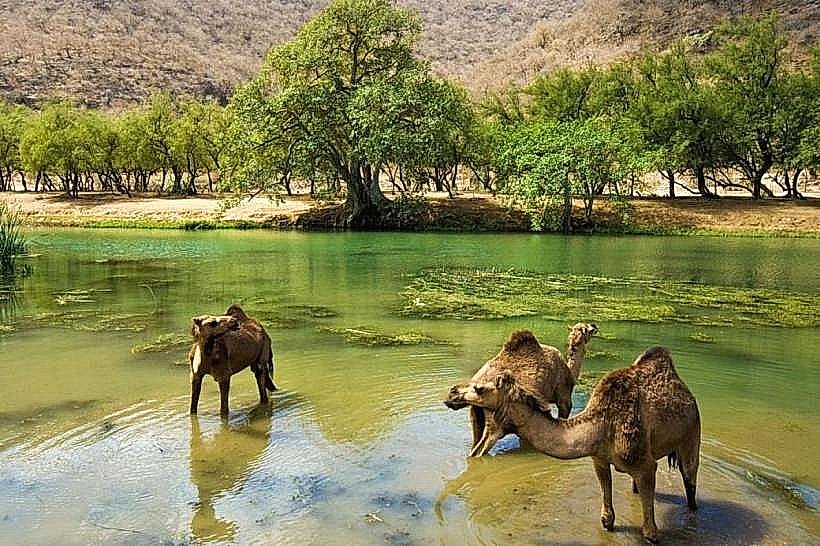
Landmark: Khor Salalah Nature Reserve
City: Salalah
Country: Oman
Continent: Asia
Khor Salalah Nature Reserve, Salalah, Oman, Asia
Khor Salalah Natural Reserve is a 57-hectare coastal wetland ecosystem situated in the western region of Salalah, Oman. This protected area is recognized for its significant biodiversity, serving as a vital sanctuary for migratory birds and a major habitat for indigenous mangrove species along the Arabian Sea coast.
Visual Characteristics
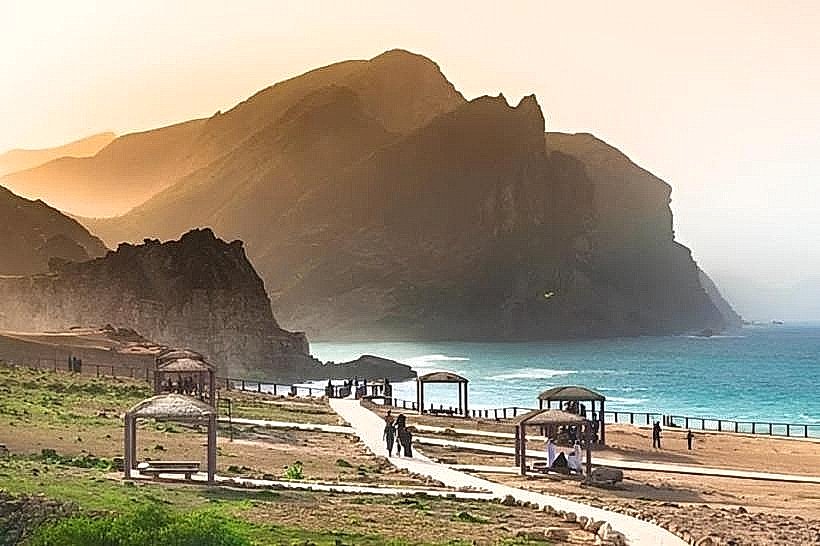
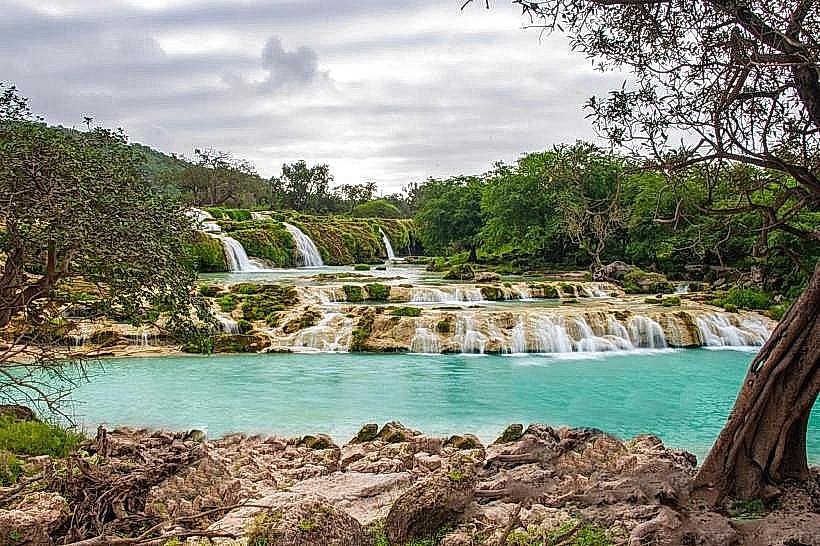
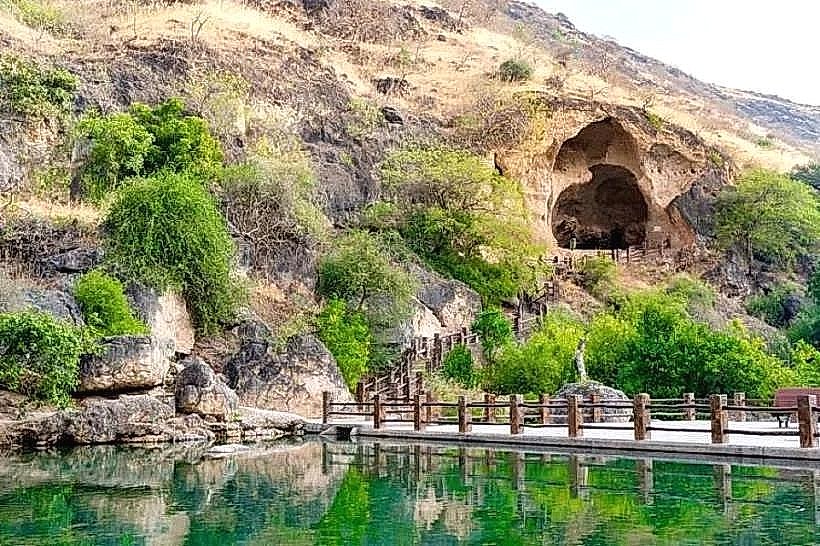
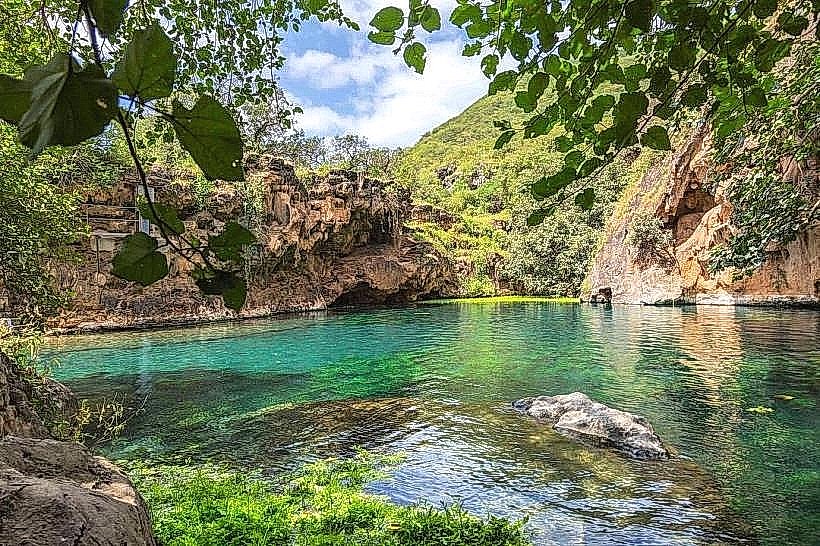
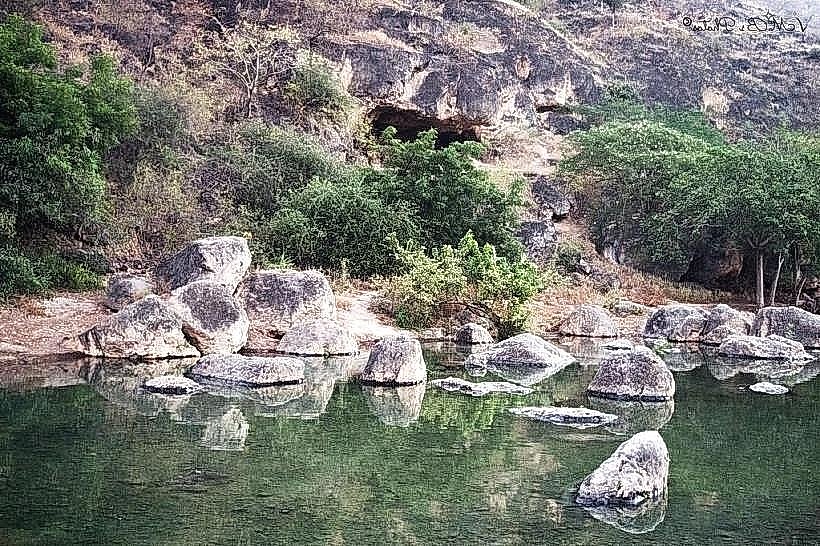
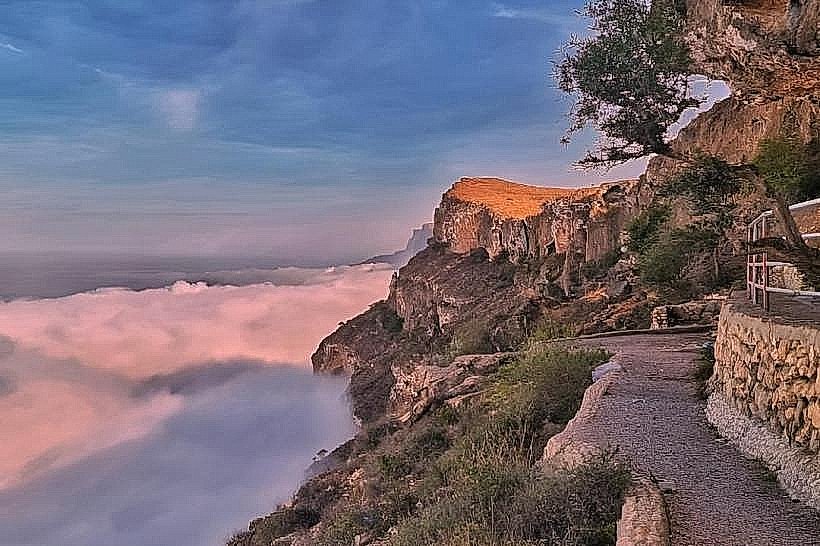
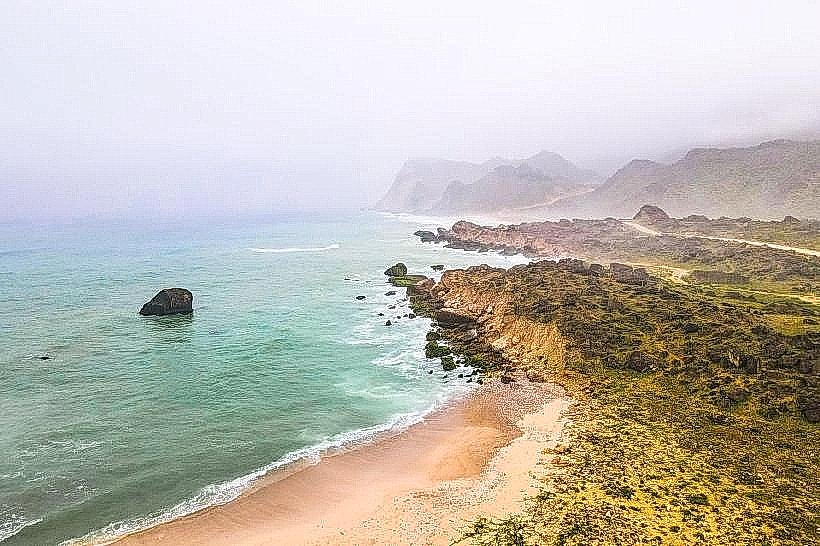
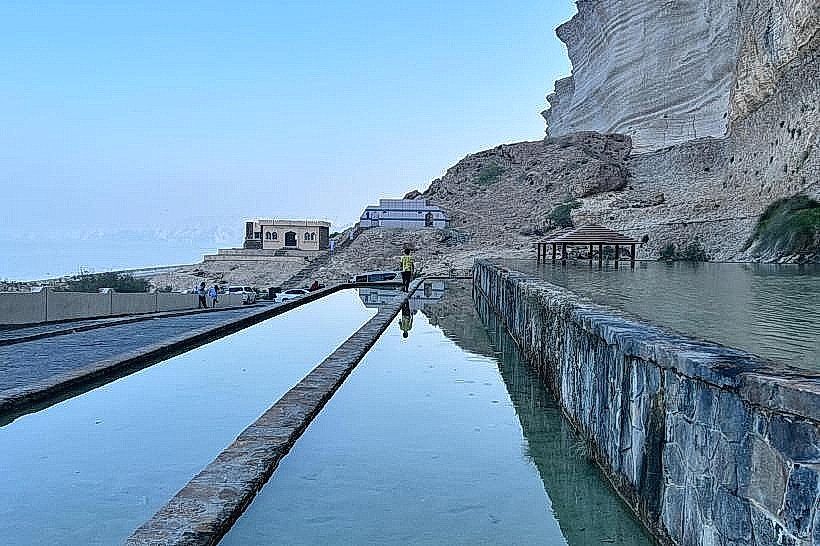
The reserve is defined by its brackish water lagoon (khor) surrounded by dense thickets of mangroves (Avicennia marina). The landscape transitions from the open water of the khor to saline mudflats and lush green banks. Visitors observe a contrasting environment where the calm, reflective waters of the lagoon meet the rugged, arid limestone terrain typical of the Dhofar region.
Location & Access Logistics
The reserve is located within the residential and commercial periphery of western Salalah, making it one of the most accessible natural sites in the city. It is positioned approximately 5km from the city center near the Al Haffa district.
Parking: Unpaved parking areas are available near the perimeter of the reserve.
Transport: While reachable via local taxis, renting a car is the most common method for tourists due to the lack of direct public transit lines to the specific reserve entry points.
Hours: Standard operating hours are Sunday through Thursday, 07:30 to 14:30; the site is typically closed on Fridays and Saturdays.
Historical & Ecological Origin
Khor Salalah was designated as a natural reserve to protect its fragile wetland environment from urban encroachment. Historically, these khors were essential for local communities as sources of water and fodder for livestock. Ecologically, the high salinity of the water supports a specialized mangrove population that acts as a natural nursery for various fish, crustaceans, and invertebrates.
Key Highlights & Activities
Birdwatching is the primary activity at the reserve, particularly during the winter months (October to March).
Migratory Station: The site serves as a critical stopover for dozens of bird species, including flamingos, herons, and egrets.
Nature Walks: Visitors can traverse unpaved paths along the banks to observe the mangrove root systems and local wildlife.
Photography: The area is a popular location for capturing the reflection of the sunset over the lagoon and the diverse avian life.
Infrastructure & Amenities
The reserve is maintained primarily as a natural habitat with minimal built-up infrastructure.
Facilities: Basic informational signage is present, but there are no permanent restrooms, visitor centers, or food vendors within the reserve boundaries.
Signal: Strong 4G and 5G cellular coverage is available due to its proximity to the Salalah urban area.
Best Time to Visit
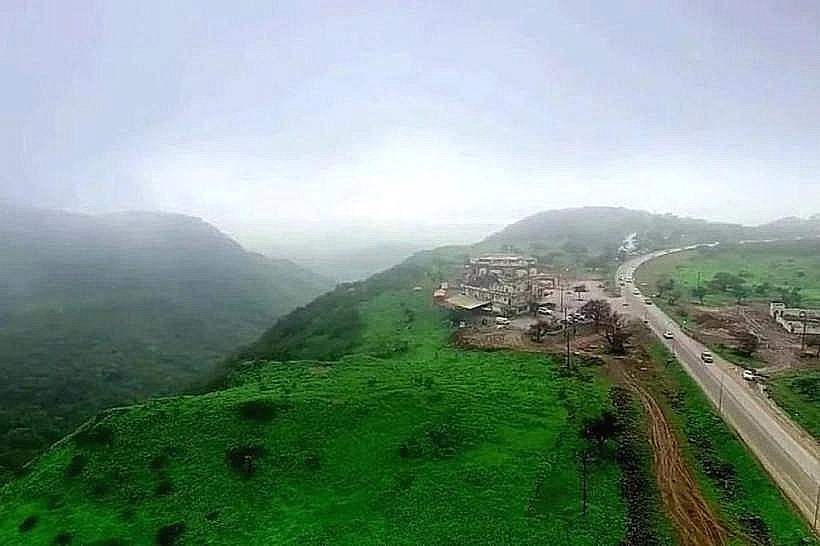
The optimal period for visiting is between November and February to observe the peak concentration of migratory birds. For landscape photography and cooler temperatures, the late afternoon (16:30 to 17:30) is recommended. During the Khareef season (June to September), the area becomes lush and green, though bird activity is lower than in the winter months.
Facts & Legends
An important ecological indicator of the reserve's health is the abundance of mangrove plants, which serve as a food source for local camels that are often seen grazing in the vicinity during the autumn period. A local fact is that despite its proximity to developed neighborhoods, the reserve has maintained a stable water salinity level that supports both marine and freshwater species at various points in the lagoon.
Nearby Landmarks
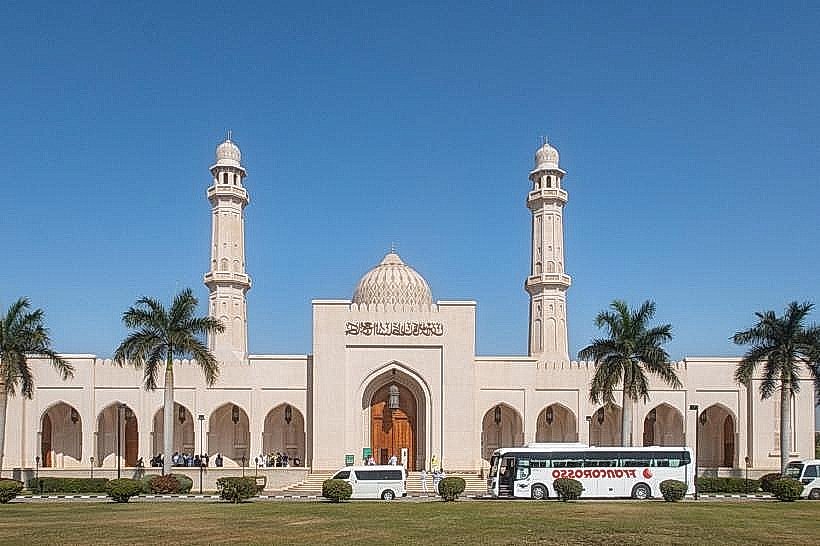
Sultan Qaboos Mosque – 5.1km Northeast
Al Haffa Souk – 2.8km East
Salalah Gardens Mall – 4.0km North
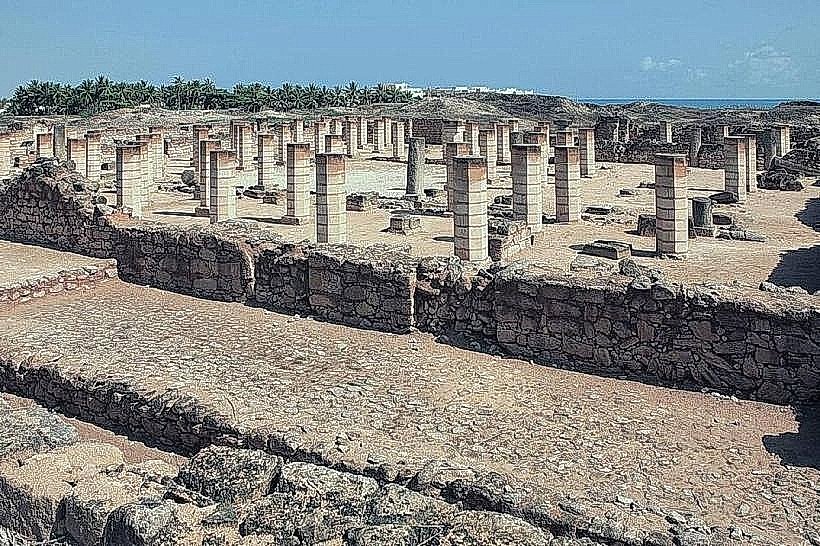
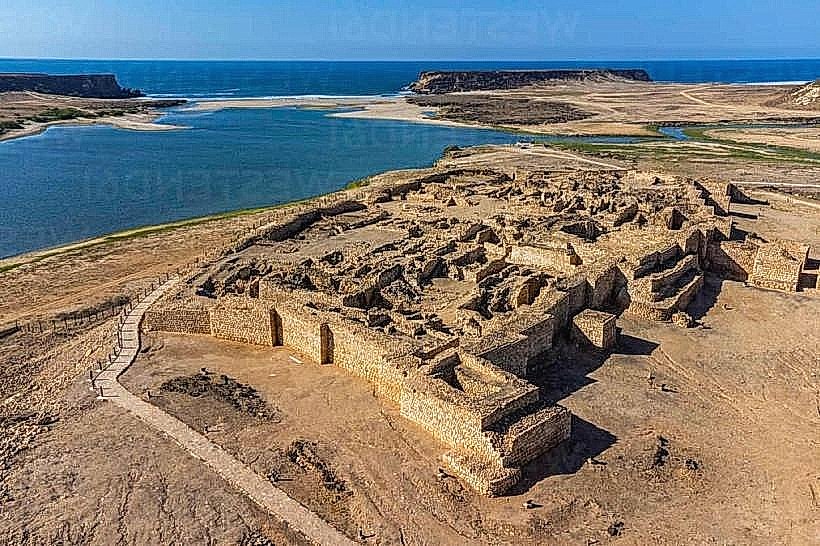
Al Baleed Archaeological Park – 4.5km East