Landmark: Mdzimba Trail
City: Mbabane
Country: Eswatini
Continent: Africa
Mdzimba Trail, Mbabane, Eswatini, Africa
The Mdzimba Trail is a historic wilderness hiking route that traverses the rugged slopes and high-altitude plateaus of the Mdzimba Mountain Range. Situated along the southern edge of the Hhohho District, this terrain serves as a vital ecological zone and a sacred burial and hideout site for the Swati royal lineage.
Visual Characteristics
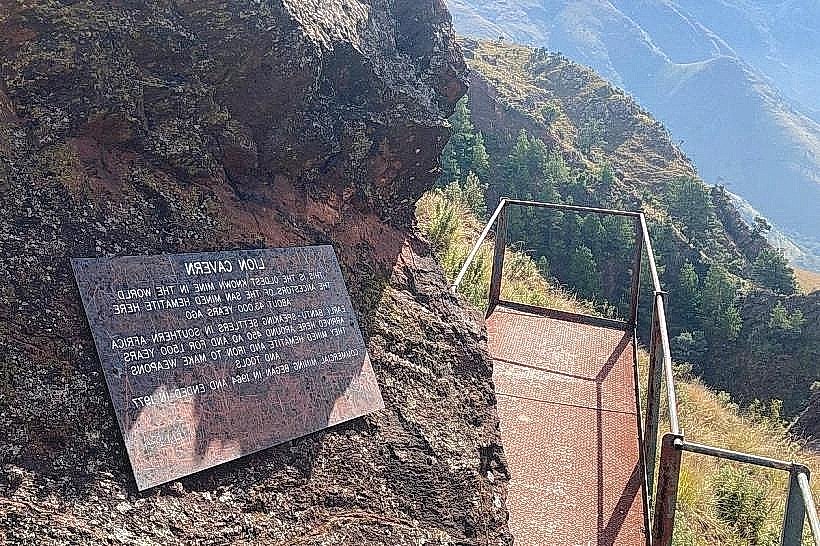
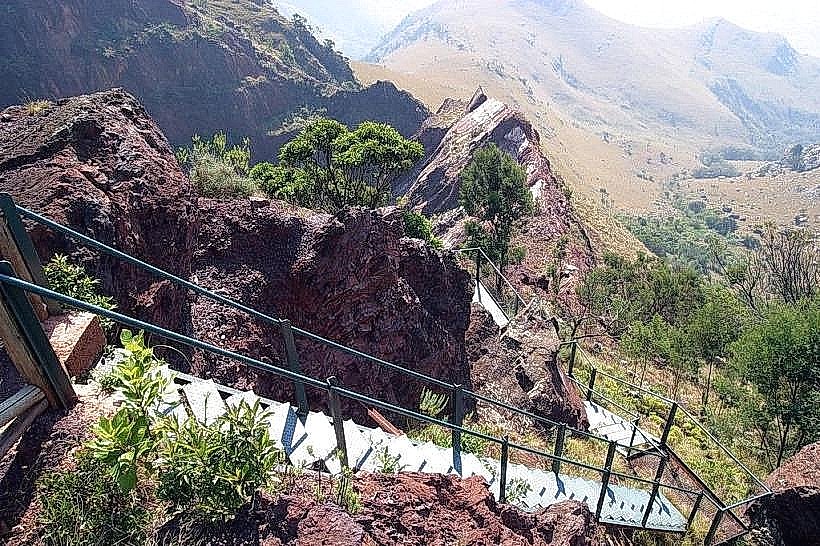
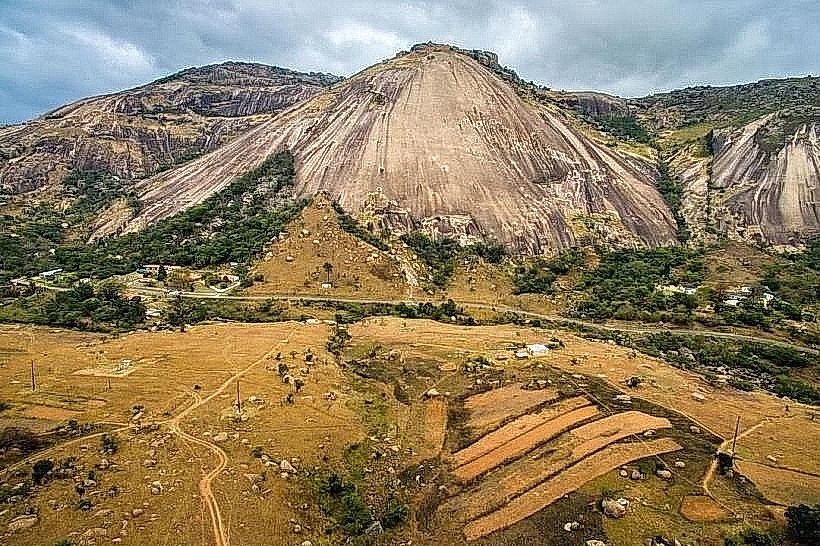
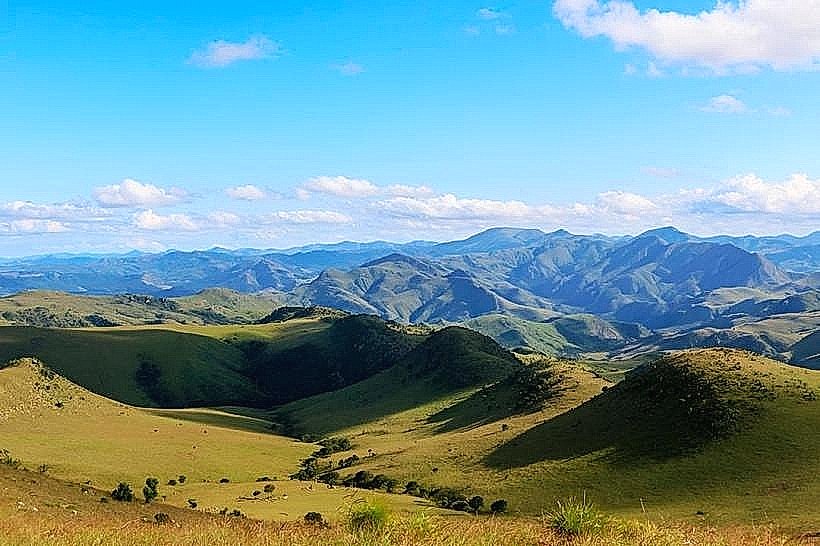
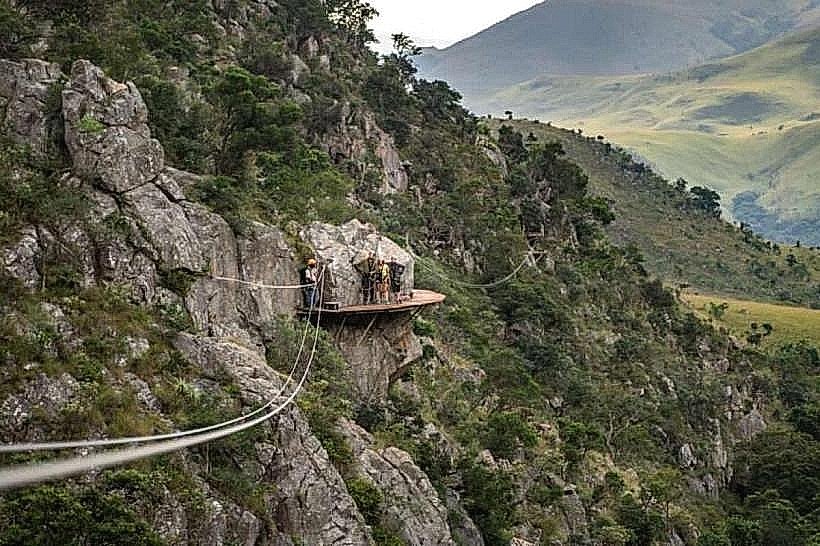
The trail is characterized by steep, rocky ascents across weathered granitic formations, hidden caves, and deep valleys filled with indigenous riverine forests. The upper plateau features vast, open montane grasslands interspersed with unique succulent flora like aloe colonies and proteas clinging to exposed stone faces. Sheer cliffs and dark, jagged rock formations dominate the ridgelines, offering panoramic views across the Ezulwini Valley and the capital city below.
Location & Access Logistics
The trail originates approximately 8 kilometers southeast of central Mbabane. Access is achieved by driving south from the city via the paved MR3 highway, exiting toward the northern ridges of the Ezulwini Valley, and proceeding along secondary unpaved dirt tracks toward the mountain base. Public transit minibuses drop passengers along the main MR3 corridor, leaving a strenuous 2 to 3-kilometer uphill walk to the informal trail entry points. Unpaved, open dirt parking areas are available at designated community starting points near the base of the mountain.
Historical & Ecological Origin
Mdzimba Mountain holds deep historical importance as the ancestral fortress and burial ground for early Swati kings, containing numerous hidden caverns used as defensive strongholds during 19th-century tribal conflicts. Geologically, the range is part of an ancient granitic intrusion that has been shaped over millions of years by tectonic uplift and intense weathering. Ecologically, it is classified as a threatened highveld mist-belt grassland ecosystem, providing critical habitat for specialized mountain raptors, small mammals, and endemic plant species.
Key Highlights & Activities
Hiking and trekking are the primary activities, with trails ranging from moderate day paths to highly strenuous scrambles up vertical rock chimneys. Guided excursions allow visitors to view the exterior of historical cave systems and defensive rock shelters used by ancient Swati warriors. Birdwatching is highly productive along the forested stream beds, while the high ridges provide technical bouldering opportunities and expansive vantages for landscape photography.
Infrastructure & Amenities
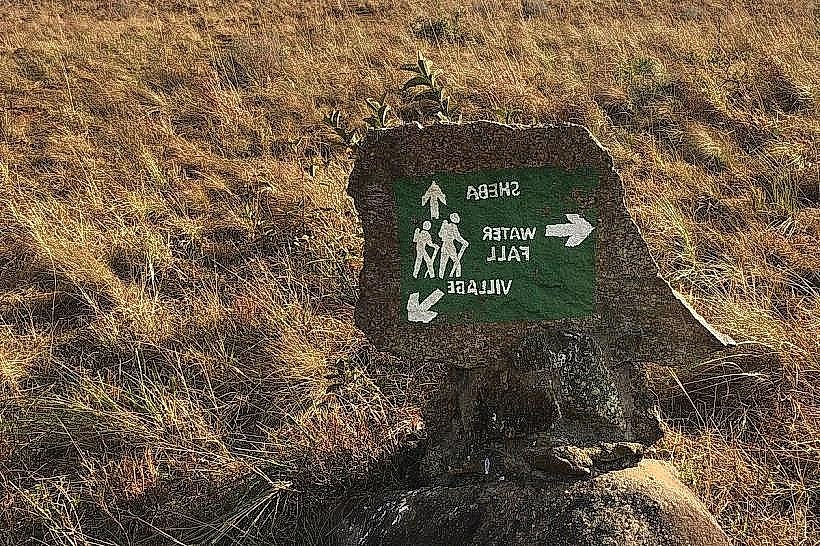
The wilderness trail is entirely undeveloped, lacking public restrooms, built shelters, trail markers, or formal trash disposal facilities. Hikers must carry all necessary water and supplies, as there are no food or beverage vendors along the mountain paths. Cellular network coverage (4G) is functional on the exposed high-altitude ridges and peaks due to proximity to the capital, but drops completely inside deep valleys, forested ravines, and stone crevices.
Best Time to Visit
The optimal period for navigating the trail is during the dry winter months from May to August, when daytime temperatures are cool and the risk of rainfall is minimized. Early morning departures between 06:00 and 08:00 are critical during summer to avoid intense midday heat on the unshaded slopes. The summer wet season from November to March brings frequent afternoon electrical storms and thick mountain fog, creating immediate lightning hazards on the exposed ridges and making the steep dirt tracks dangerously slick.
Facts & Legends
Because the mountain range contains the sacred, guarded tombs of early Swati monarchs, certain upper sections of the peaks remain strictly off-limits to the public to preserve royal privacy and spiritual custom. Local oral history asserts that the network of caves within the Mdzimba cliffs is interconnected by subterranean passages, allowing ancient armies to vanish completely from sight during enemy invasions and surprise attackers from unexpected rock fissures.
Nearby Landmarks
Potter's Wheel Church - 2.5km North
Emafini Country Lodge - 2.6km North-Northwest
Mantenga Lifestyle & Craft Centre - 4.1km South-Southwest
The Gables Shopping Centre - 4.3km South
Swazi Plaza - 4.8km Northwest