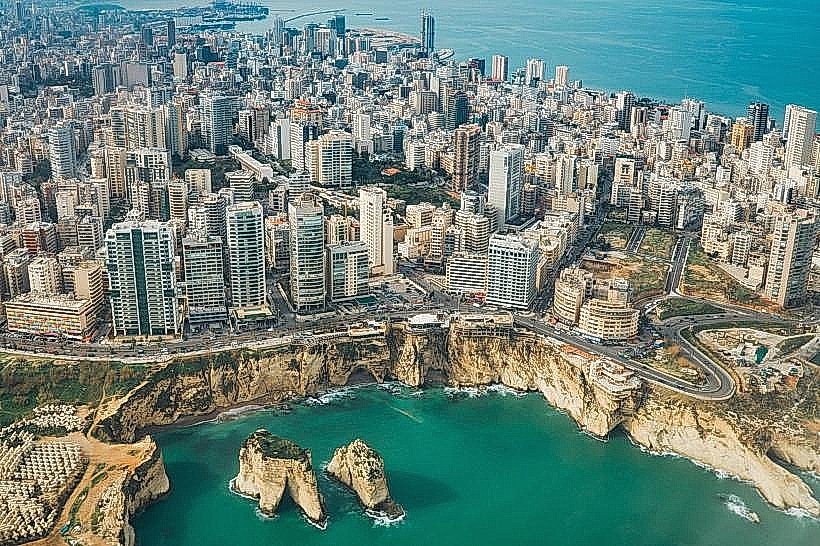
City: Beirut
Country: Lebanon
Continent: Asia
Beirut, Lebanon, Asia
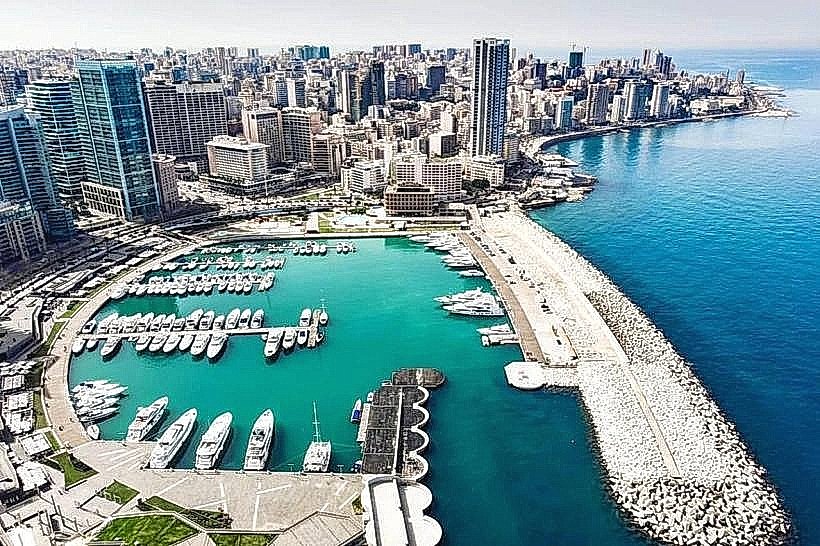
Beirut serves as the seat of government and the primary financial hub for Lebanon, functioning as a vital link between the Mediterranean basin and the Arab hinterland. Geographically, it occupies a triangular peninsula on the Levant coast, flanked by the Lebanon Mountains to the east.
Historical Timeline
Beirut was founded circa 3000 BCE by the Phoenicians and was later mentioned as "Biruta" in 14th-century BCE Egyptian tablets. It transitioned through Hellenistic rule as Laodicea in Phoenicia (140 BCE), became the Roman colony Berytus (64 BCE), and eventually fell to the Arabs (635), Crusaders (1110), Mamluks (1291), and the Ottoman Empire (1516). The French Mandate (1920–1943) introduced European urban planning before Lebanese independence in 1943. The primary event shaping its current form was the Lebanese Civil War (1975–1990), followed by the massive 1994 "Solidere" reconstruction project in the Beirut Central District.
Demographics & Population
The total population within city limits is approximately 450,000, while the metropolitan area population is estimated at 2,359,000 for 2026. The population is ethnically diverse, primarily composed of Lebanese Arabs (95%), followed by significant Palestinian and Syrian refugee populations. The median age is approximately 30 years.
Urban Layout & Key Districts
The city is situated on a peninsula extending west into the Mediterranean. It is roughly divided between East and West Beirut along the former "Green Line" (Damascus Street).
Hamra: Located in West Beirut, this district is the primary hub for commerce, education, and student life.
Achrafieh: Positioned to the east, this is a major residential and commercial area known for its hills and high-end shopping.
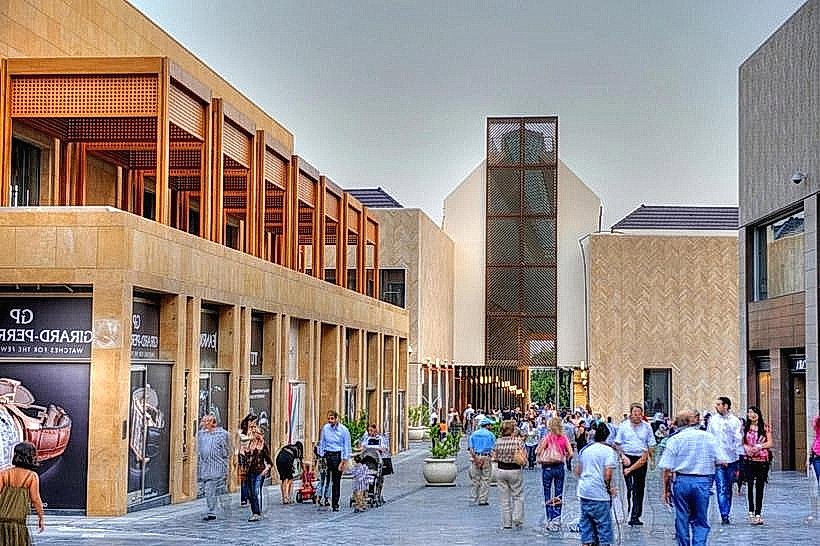
Beirut Central District (Downtown): The administrative and historical core, located at the northern tip of the peninsula.
Top City Landmarks
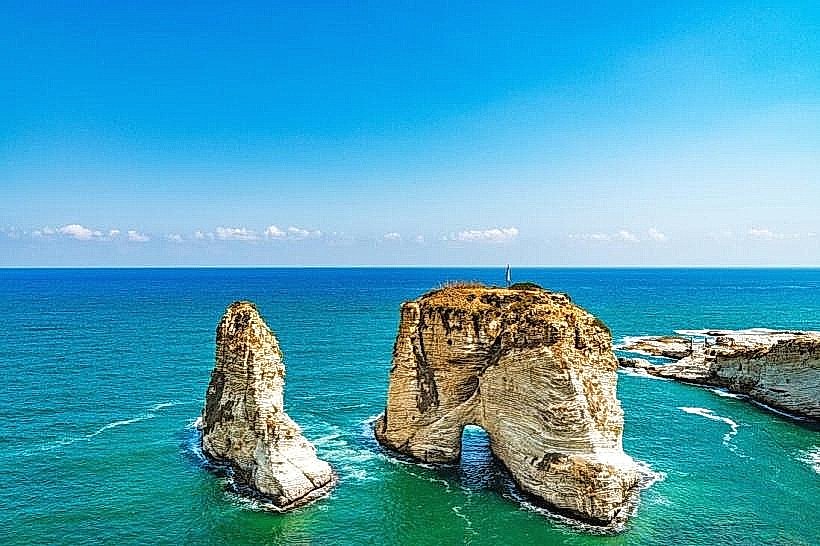
Pigeon Rocks (Raouche): Natural offshore rock formations at the western edge of the city.
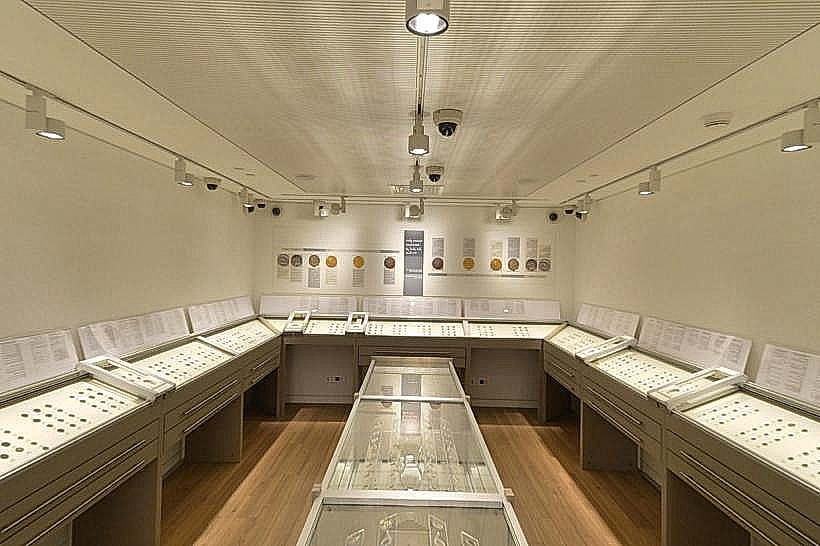
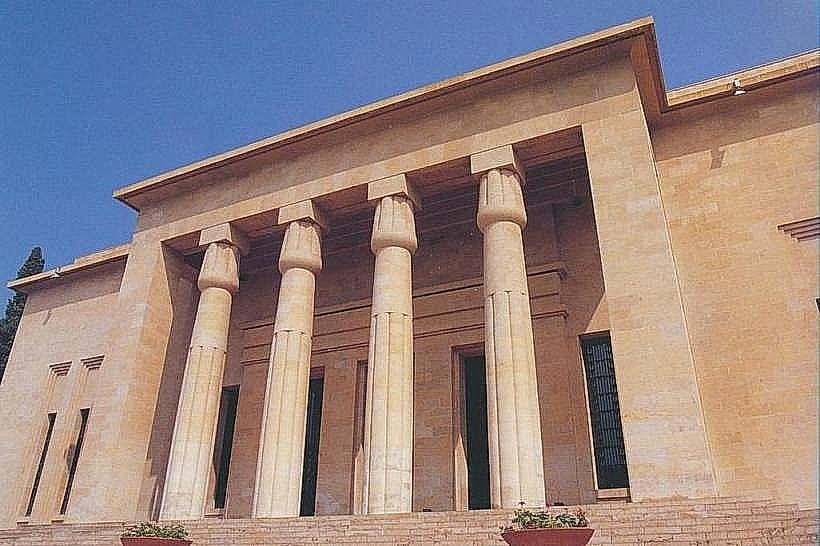
National Museum of Beirut: The principal cultural institution for archaeology in Lebanon.
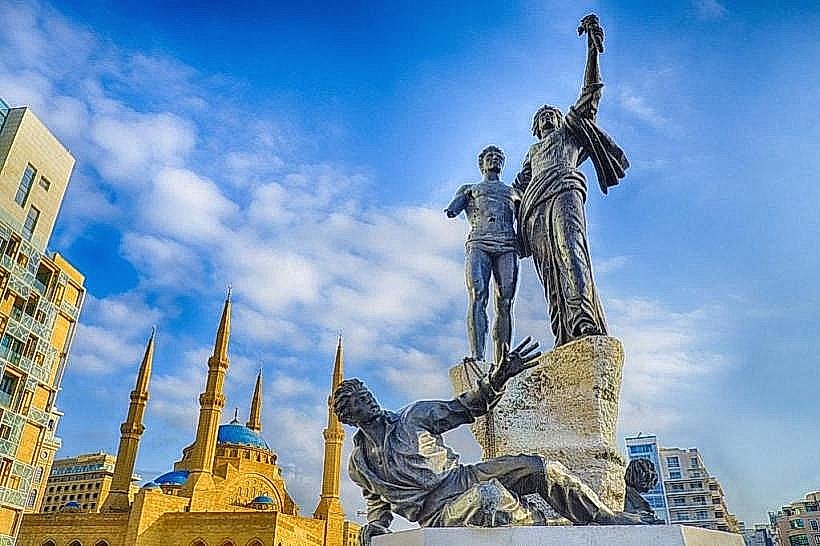
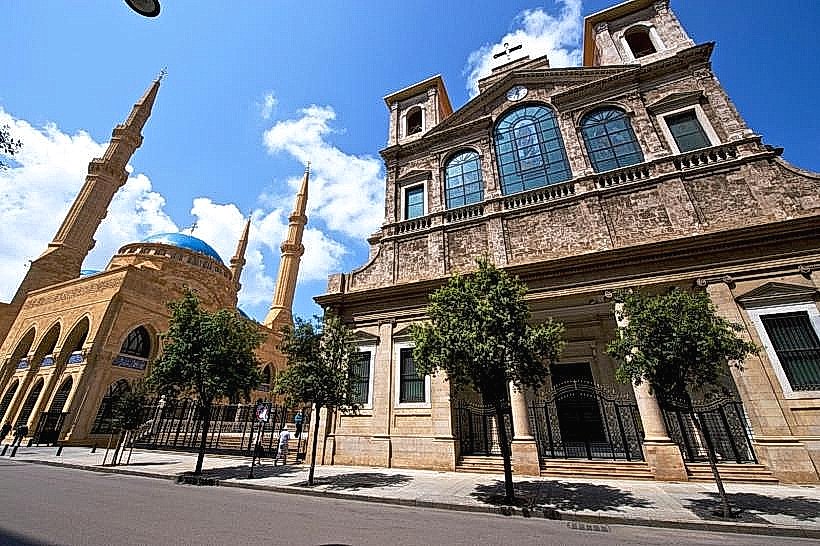
Mohammad Al-Amin Mosque: A prominent blue-domed Sunni mosque in Downtown.
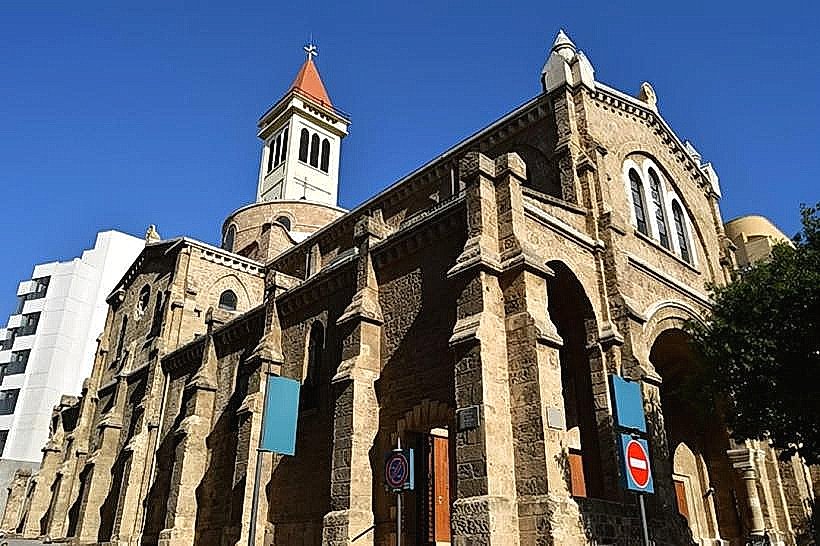
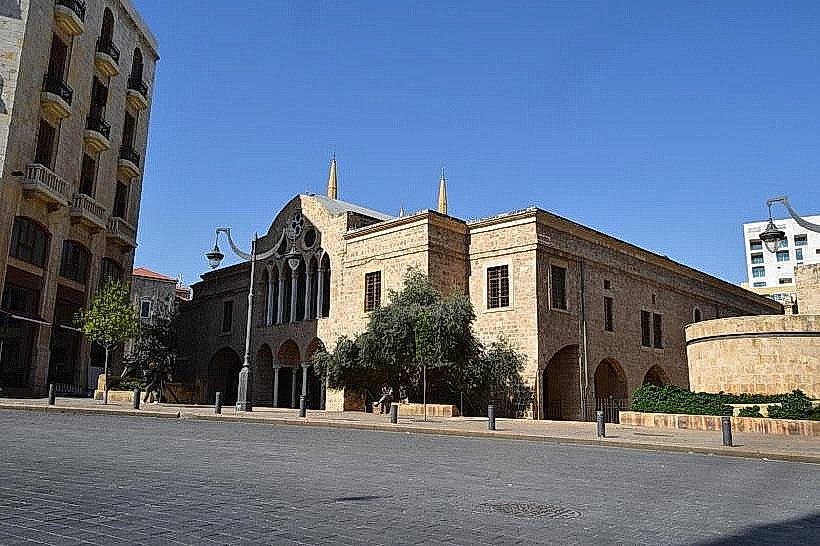
Saint George Maronite Cathedral: Located adjacent to the mosque, reflecting the city's religious pluralism.
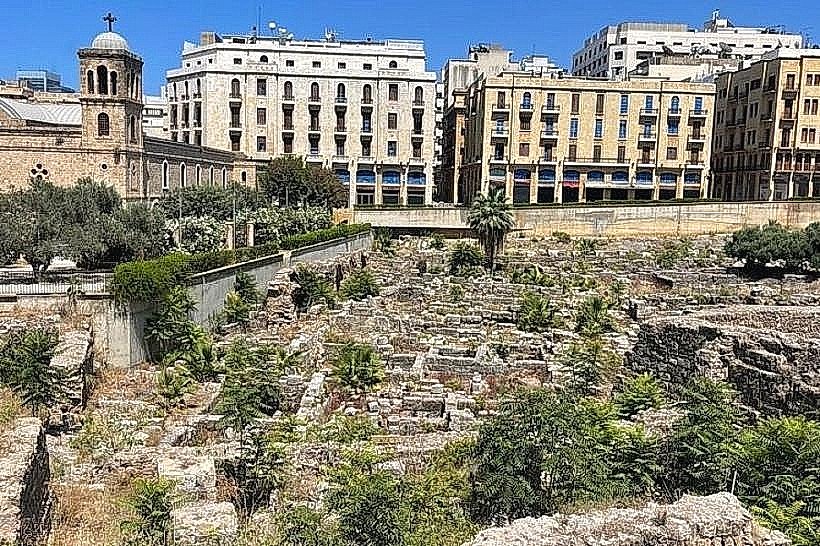
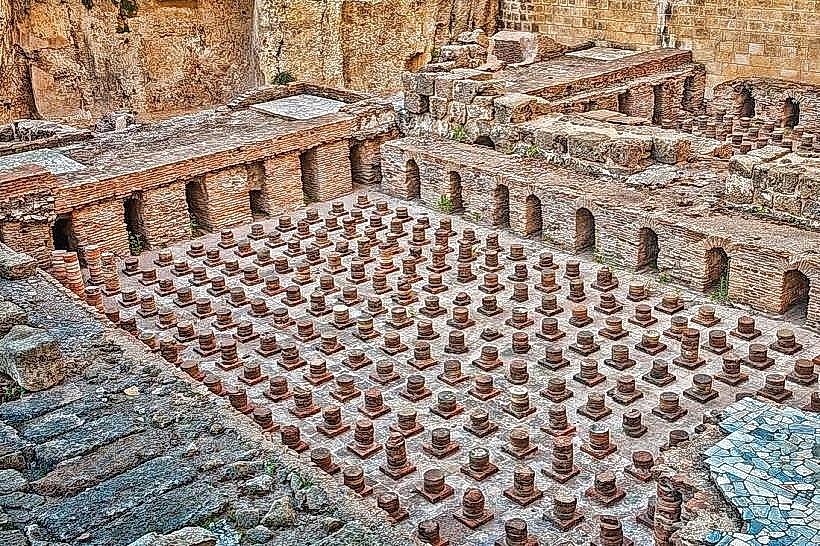
The Roman Baths: Exposed archaeological ruins situated in the Central District.
Transportation Network
Movement within Beirut relies almost entirely on road transport. There is no metro or tram system. Primary options include the "Service" (shared taxi), which follows set routes, and official white taxis with red license plates. Traffic density is extremely high, particularly during morning and evening rush hours. Uber and Bolt are the dominant ride-sharing applications. Public buses (large red and white buses or smaller minivans) operate but lack fixed schedules.
Safety & "Red Zones"
Beirut is generally safe for visitors, though political demonstrations can occur suddenly. Areas near the southern suburbs (Dahieh) and specific Palestinian refugee camps (e.g., Sabra and Shatila) should be avoided due to local security sensitivities. Common scams include overcharging by taxi drivers; users should negotiate "Service" rates or use apps for fixed pricing.
Digital & Financial Infrastructure
Average internet speeds range from 20 to 60 Mbps, with 4G/LTE being more reliable than fixed fiber lines. Main mobile carriers are Alfa and Touch. Lebanon operates on a dual-currency system; while the Lebanese Pound (LBP) is the official currency, US Dollars (USD) are used for most transactions. Card acceptance is high in hotels and upscale malls, but cash is mandatory for taxis, markets, and small vendors. ATMs are available but often have limited withdrawal caps for foreign cards.
Climate & Air Quality
Beirut has a Mediterranean climate. Summer (June–September) temperatures range from 25°C to 32°C with high humidity. Winter (December–March) is mild and rainy, with temperatures between 10°C and 18°C. Air quality is often poor due to vehicle emissions and the use of private diesel generators.
Culture & Social Norms
Tipping is standard at 10–15% in restaurants. Greetings typically involve a handshake or three cheek kisses among acquaintances. Dress code is generally liberal but requires modesty (shoulders and knees covered) when entering religious sites. Alcohol is widely available in most districts, though public intoxication is frowned upon. Smoking is prevalent and permitted in many indoor venues.
Accommodation Zones
Hamra: Recommended for logistics and proximity to universities, cafes, and diverse transit links.
Gemmayze/Mar Mikhael: Ideal for visitors seeking historic architecture and walking access to the city’s primary nightlife and arts scene.
Local Cost Index
1 Espresso: 235,000 LBP ($2.50 USD)
1 Standard Lunch: 940,000 LBP ($10.00 USD)
1 Bus Ticket: 95,000 LBP ($1.00 USD)
Nearby Day Trips
Byblos (Jbeil): Ancient port city and UNESCO site (37 km).
Jeita Grotto: Extensive limestone cave system (20 km).
Harissa: Mountainous pilgrimage site with panoramic bay views (27 km).
Baalbek: Site of monumental Roman temple ruins in the Beqaa Valley (85 km).
Facts & Legends
Beirut has been destroyed and rebuilt seven times throughout its history, earning it the nickname "The Phoenix City." According to local legend, the city's Law School-one of the three official law schools of the Roman Empire-was so prestigious that it was where the "Institutes of Justinian" were primarily formulated before the 551 CE earthquake submerged the site.