Landmark: Mohammed Al-Amin Mosque
City: Beirut
Country: Lebanon
Continent: Asia
Mohammed Al-Amin Mosque, Beirut, Lebanon, Asia
The Mohammad Al-Amin Mosque, also known as the Blue Mosque, is the largest mosque in Lebanon, located in the heart of downtown Beirut. It serves as a major religious and architectural landmark, situated prominently on the southeastern corner of Martyrs' Square.
Visual Characteristics
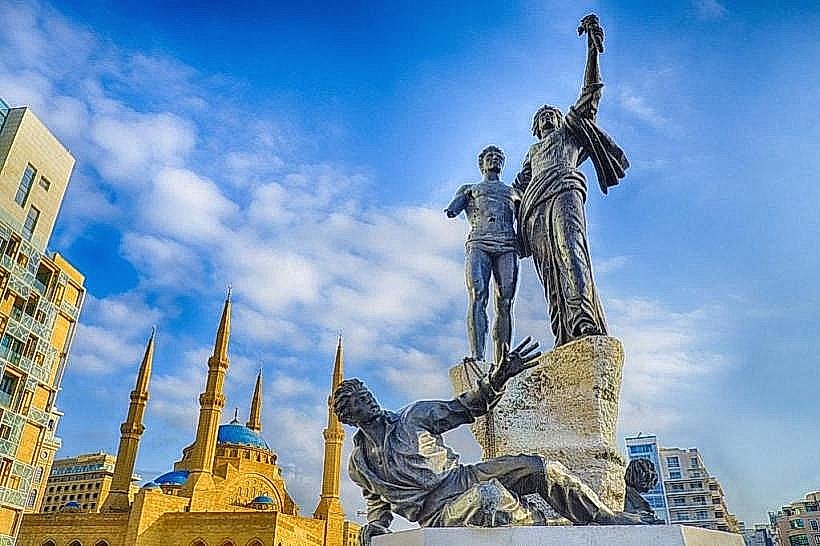
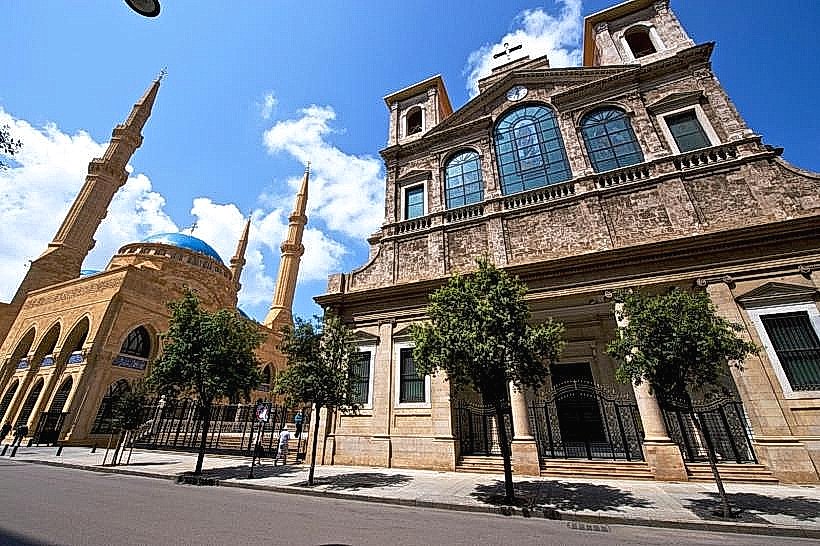
The mosque is characterized by its yellow limestone facade and its four 65-meter-high minarets. It features a massive 48-meter-high central dome covered in turquoise blue tiles, surrounded by several smaller domes. The architectural style is a blend of Ottoman and Mamluk influences, with an interior decorated with intricate stone carvings, Moroccan mosaics, and a massive crystal chandelier.
Location & Access Logistics
The mosque is positioned on Rue Emir Bechir, directly adjacent to the Saint George Maronite Cathedral. It is approximately 10km from Beirut-Rafic Hariri International Airport. Public access is available via the Martyrs' Square pedestrian zone. Parking is managed through the Beirut Souks underground lot or street-side spots in the Saifi Village area; most city-center bus lines stop within 150 meters of the main entrance.
Historical & Ecological Origin
Construction began in 2002 under the patronage of former Prime Minister Rafic Hariri and was completed in 2008. The design was executed by architect Azmi Fakhuri, drawing inspiration from the Sultan Ahmed Mosque in Istanbul. The site was previously occupied by an Ottoman-era prayer corner (Zawia), which was integrated into the new monumental structure.
Key Highlights & Activities
The mosque is open to visitors outside of prayer times, allowing for the observation of its vast interior calligraphy and woodwork. The adjacent tomb of Rafic Hariri is a site of frequent visitation. Photography of the exterior is a primary activity, particularly from the viewing platforms of Martyrs' Square which capture the juxtaposition of the mosque and the neighboring cathedral.
Infrastructure & Amenities
The facility is fully air-conditioned and features 5G cellular connectivity. Large public restrooms and ablution areas are located on the lower level. While no food is permitted inside, the mosque is surrounded by the cafes and restaurants of the Beirut Central District and Saifi Village. Modest clothing is required for entry, and wraps are typically provided at the entrance for visitors.
Best Time to Visit
The best time for photography is during the "blue hour" just after sunset when the dome is illuminated and the sky matches the tile work. To avoid crowds and prayer times, visiting on a weekday morning is recommended. The mosque is closed to tourists during Friday congregational prayers (Dhuhr).
Facts & Legends
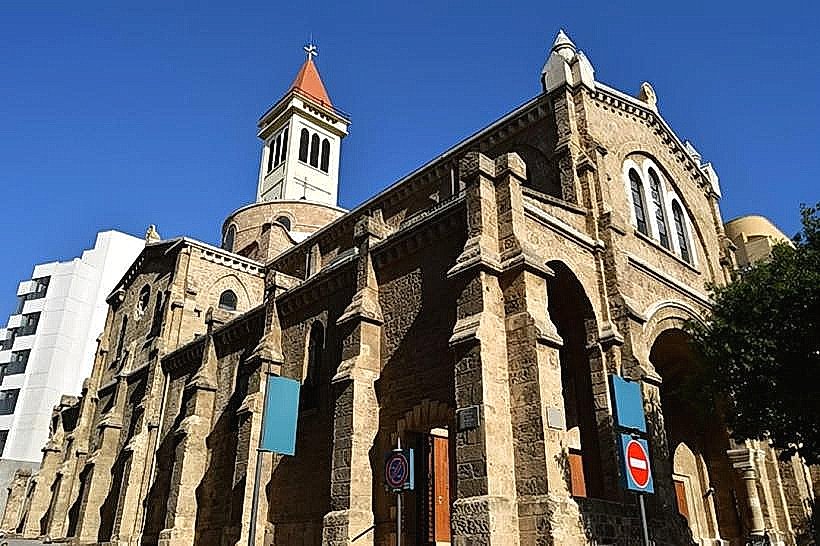
A unique feature of the mosque is its symbolic proximity to the Saint George Maronite Cathedral, with their respective minarets and bell tower standing at nearly the same height as a deliberate gesture of sectarian harmony. Though modern, the mosque was built using traditional Lebanese yellow stone, ensuring it visually integrates with the historic 19th-century buildings of the surrounding district.
Nearby Landmarks
Martyrs' Square (0.05km North)
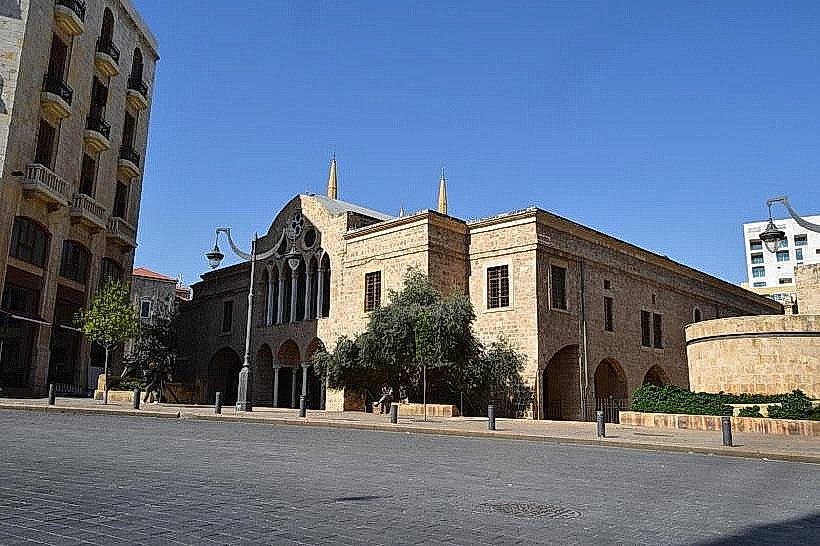
Saint George Maronite Cathedral (0.05km West)
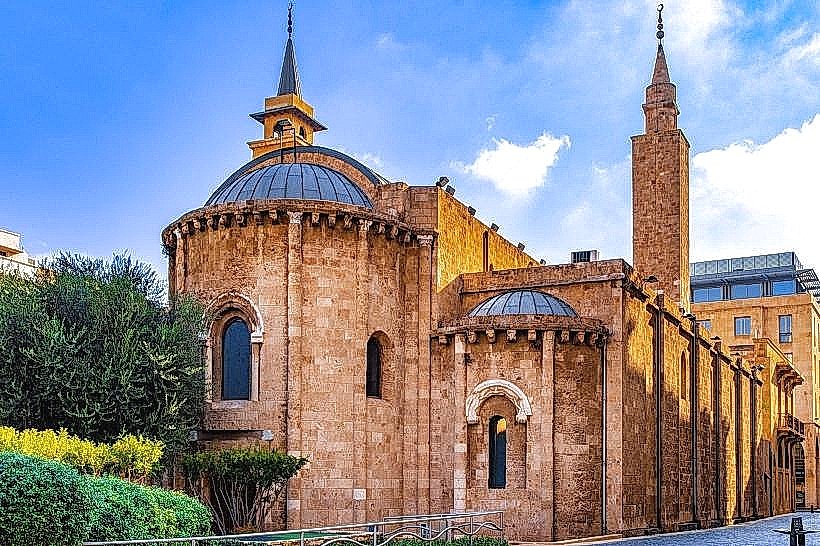
Saint George Greek Orthodox Cathedral (0.15km Northwest)
Beirut Souks (0.4km Northwest)
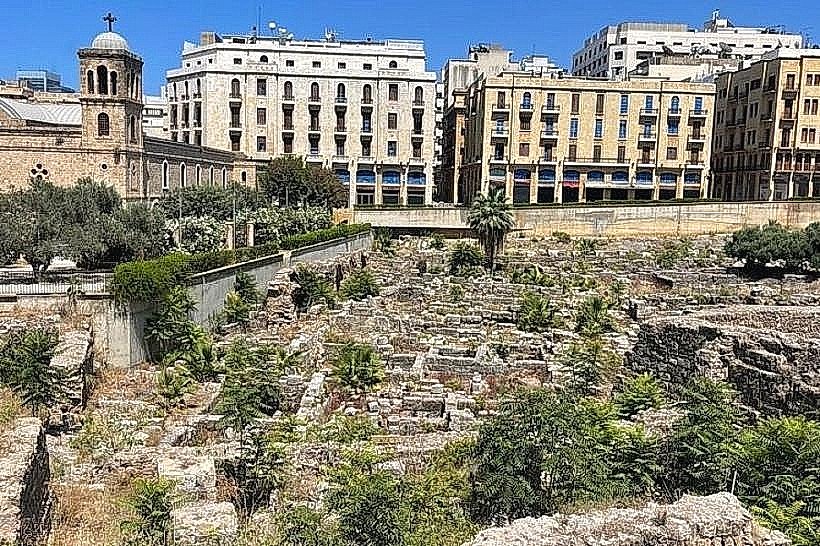
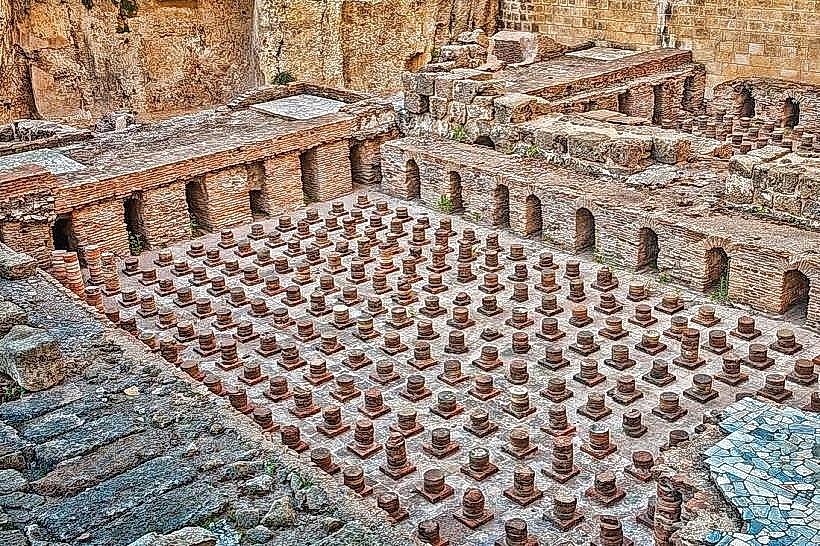
Roman Baths (0.5km West)