Landmark: Garden of Forgiveness
City: Beirut
Country: Lebanon
Continent: Asia
Garden of Forgiveness, Beirut, Lebanon, Asia
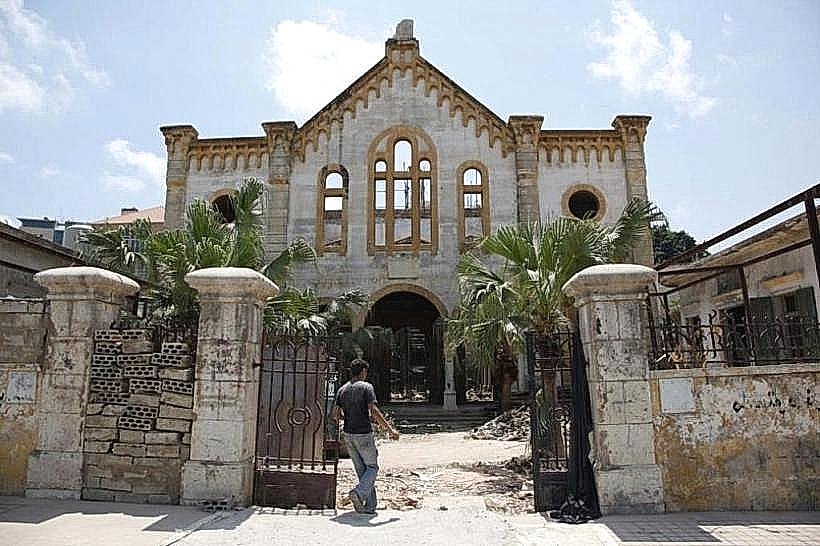
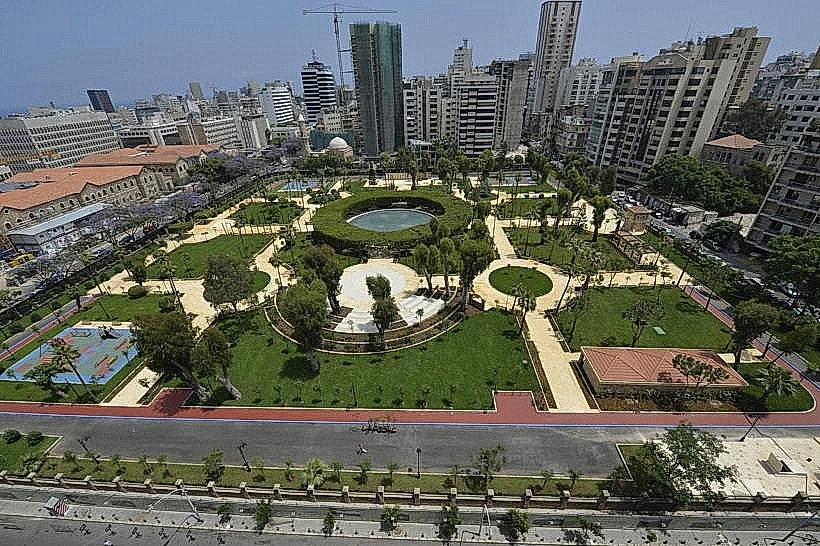
The Garden of Forgiveness, also known as Hadiqat al-Samah, is a landscaped archaeological park situated in the heart of the Beirut Central District. It serves as a commemorative green space that integrates recovered ancient ruins with modern Mediterranean flora, positioned between the city's historic religious monuments.
Visual Characteristics
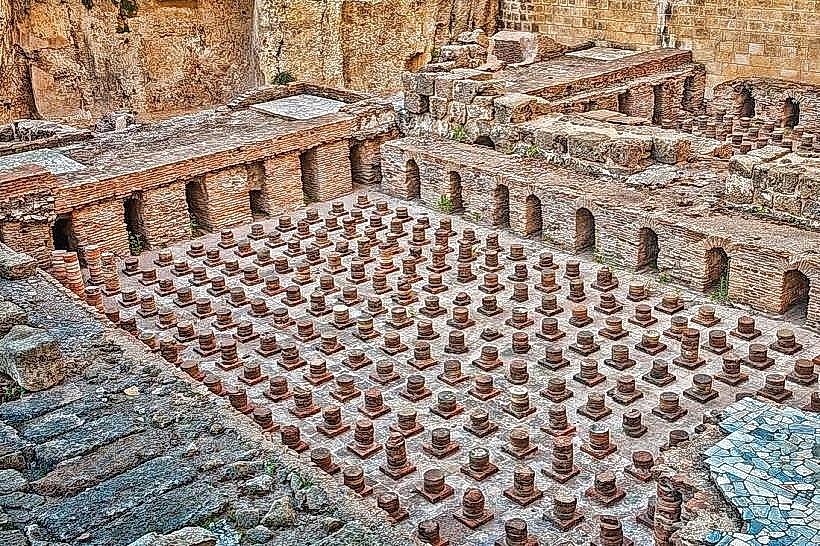
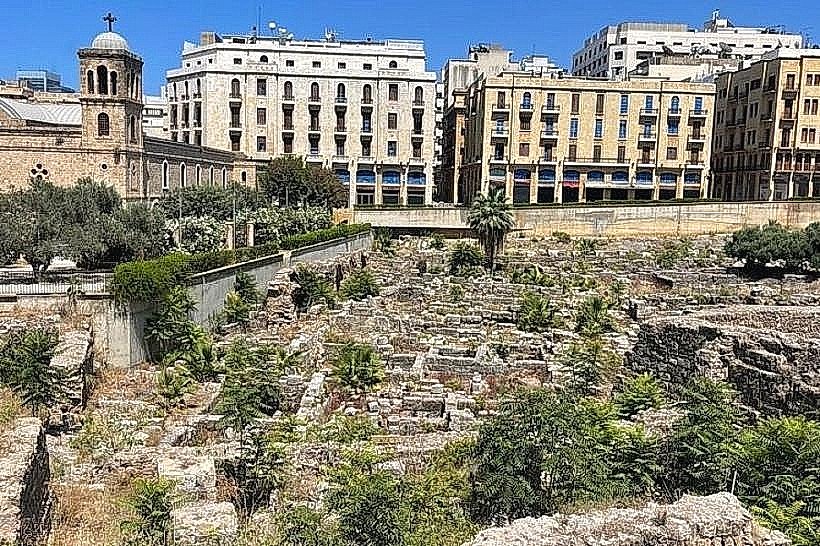
The garden is characterized by open-air archaeological pits containing Roman-era colonnaded streets, Byzantine mosaics, and medieval foundations. The modern landscape design uses terraced limestone walls, olive groves, and rows of cypress trees to frame the ruins. The contrast between the weathered grey stone of the antiquities and the vibrant green vegetation defines the site’s aesthetic.
Location & Access Logistics
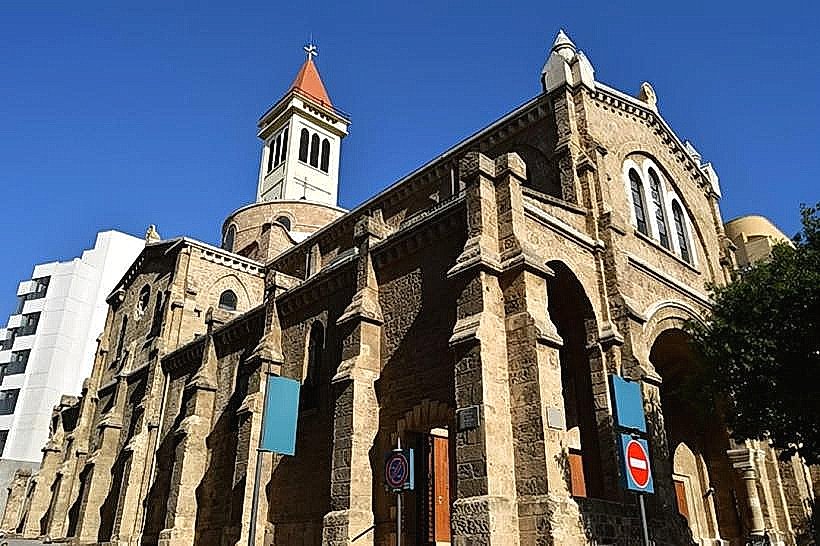
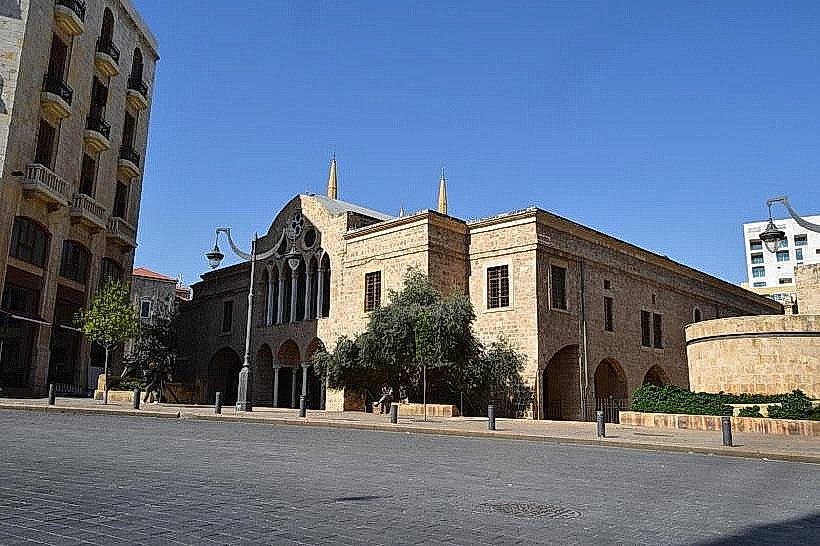
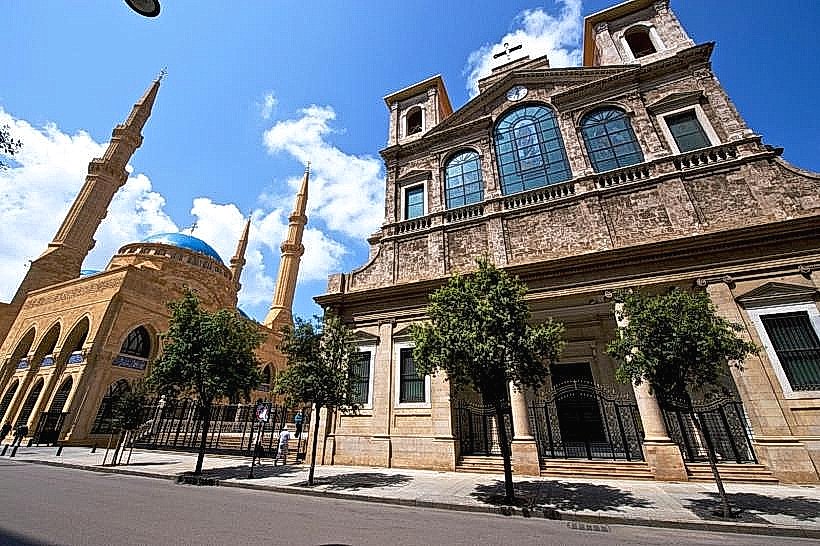
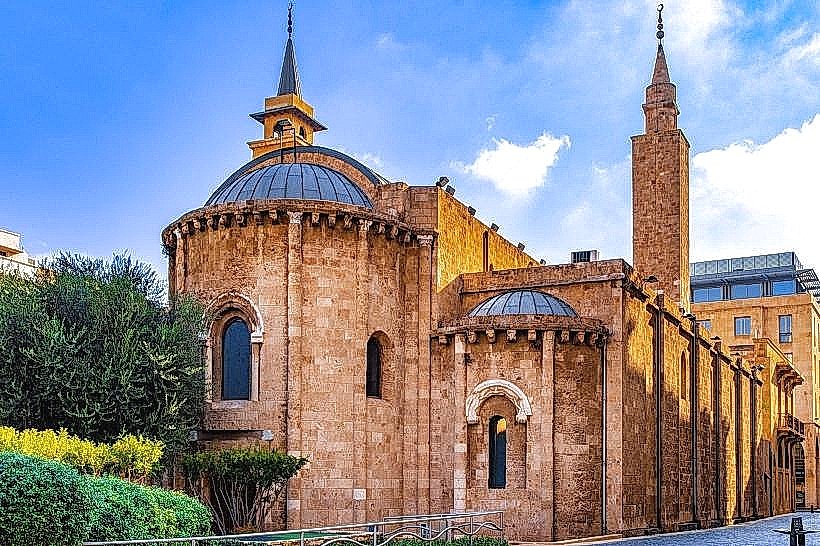
The site is located between Martyrs' Square and Nejmeh Square, directly adjacent to the Mohammad Al-Amin Mosque and the Saint George Maronite Cathedral. It is a pedestrian zone accessible via Rue Emir Bechir or Weygand Street. Visitors typically park in the Beirut Souks underground parking or utilize the valet services at Nejmeh Square, both within a 5-minute walk.
Historical & Ecological Origin
Designed by the landscape architect Gustafson Porter, the garden was conceived in the late 1990s as part of the post-war reconstruction of Beirut. It sits on a site where archaeologists unearthed the remains of the Roman Cardo and Decumanus (the city’s main north-south and east-west roads). The garden was intended to be a place of national reconciliation, located on the former "Green Line" that divided the city during the Civil War.
Key Highlights & Activities
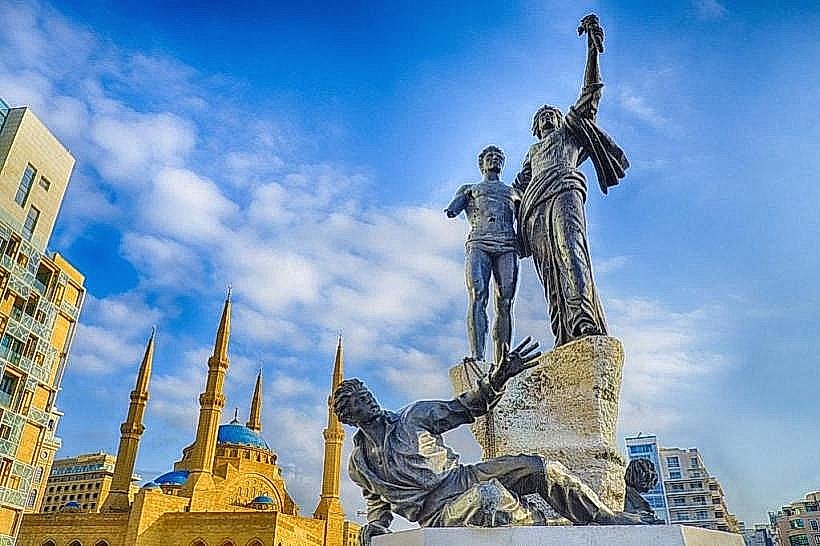
Visitors can conduct self-guided walks along the elevated metal and stone walkways that overlook the archaeological remains. The site provides a unique vantage point for photographing the neighboring mosque and cathedrals simultaneously. It is primarily used for quiet reflection, though educational tours often visit to discuss the 15 layers of civilization discovered beneath the soil.
Infrastructure & Amenities
The garden is a public open space with 5G cellular coverage and integrated night lighting. While there are no restrooms or food vendors directly within the garden's archaeological perimeter, the site is surrounded by the full service infrastructure of downtown Beirut, including dozens of cafes and the Beirut Souks amenities.
Best Time to Visit
The optimal time for photography is during the early morning or the "golden hour" before sunset, when the low sun casts long shadows across the Roman columns. The garden is open 24 hours, though daylight hours are recommended for viewing the archaeological details. Spring (March to May) is the best time for weather and to see the Mediterranean plants in bloom.
Facts & Legends
A unique historical feature of the garden is the "Heart of Beirut" archaeological find, which revealed that this specific plot of land has been continuously inhabited for over 5,000 years. A local legend suggests the site’s name was chosen because it was the only place in the war-torn city where the foundations of different religious buildings physically touched, symbolizing a natural ground for forgiveness.
Nearby Landmarks
Mohammad Al-Amin Mosque (0.05km East)
Saint George Maronite Cathedral (0.05km East)
Saint George Greek Orthodox Cathedral (0.1km West)
Parliament Building (0.2km West)
Martyrs' Square (0.2km East)