Landmark: National Museum of Beirut
City: Beirut
Country: Lebanon
Continent: Asia
National Museum of Beirut, Beirut, Lebanon, Asia
The National Museum of Beirut is the principal archaeological institution of Lebanon, located at the intersection of Abdallah al-Yafi Avenue and Damascus Road. It houses the country's most significant collection of antiquities, spanning from prehistoric times to the Mamluk period.
Visual Characteristics
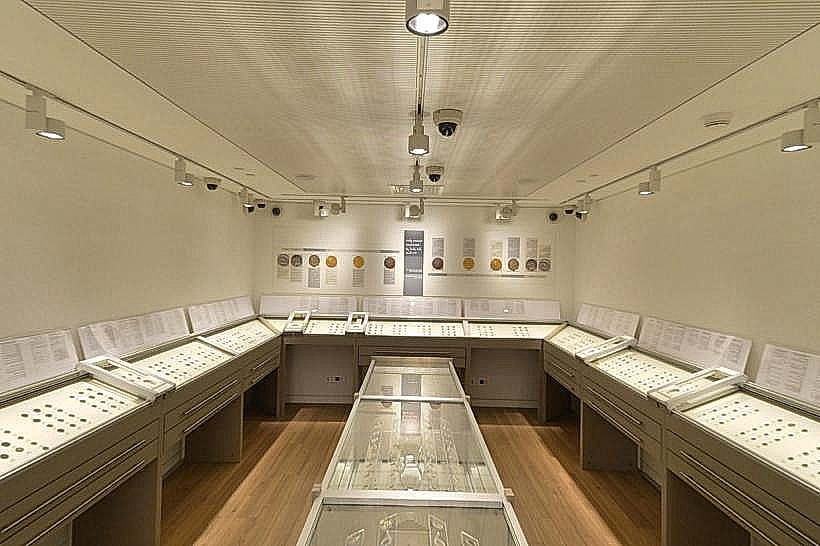
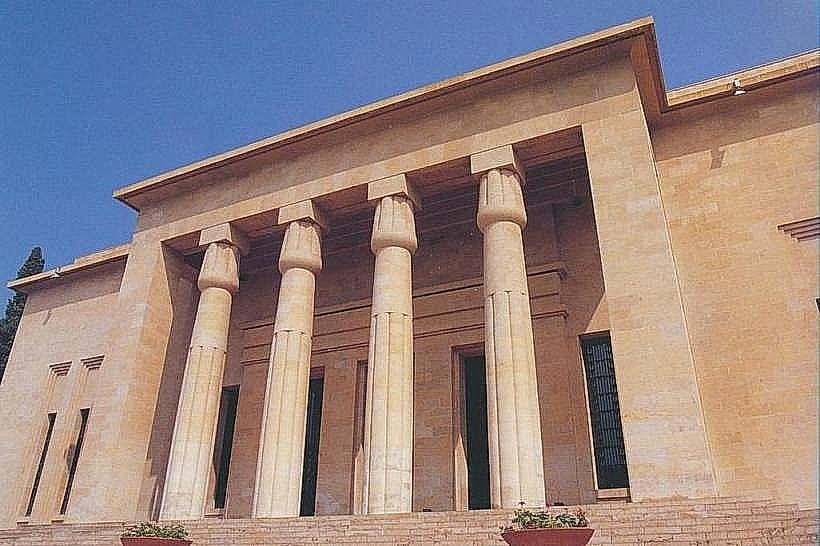
The museum is housed in a three-story Egyptian Revival building constructed from yellow ochre ochre limestone. The facade features a massive portico supported by four columns with lotus-shaped capitals. The interior is divided into three levels: a ground floor with high ceilings designed for large stone monuments, a basement level for funerary art, and an upper floor for smaller artifacts organized in glass vitrines with magnifying viewers.
Location & Access Logistics
The site is situated in the Mazraa district, approximately 3km southeast of Beirut Central District. It is accessible via the "Museum" stop on multiple public bus lines, including LCC route 4 and various private van routes traveling along Damascus Road. Limited street parking is available on nearby side streets; the MIM Mineral Museum is located across the street on the Saint Joseph University (USJ) campus.
Historical & Ecological Origin
Architects Antoine Nahas and Pierre Leprince-Ringuet designed the structure, which began construction in 1930 and opened to the public in 1942. During the Lebanese Civil War (1975–1990), the museum was positioned directly on the "Green Line," serving as a military vantage point. It underwent a total restoration in the late 1990s to repair extensive shell and bullet damage to its masonry.
Key Highlights & Activities
The museum offers a chronological circuit beginning on the ground floor with the 10th-century BC Sarcophagus of King Ahiram, which features the earliest known complete Phoenician alphabetic inscription. In the basement, visitors can view the world’s largest collection of anthropoid sarcophagi. A documentary film detailing the museum’s wartime preservation efforts is screened hourly in a dedicated theater.
Infrastructure & Amenities
The facility is fully air-conditioned and includes accessible ramps and an elevator for multi-floor access. Clean public restrooms are located on the ground floor. A small gift shop is available near the entrance, and 5G cellular reception is strong throughout the building. There are no food vendors inside the museum, though several cafes are located within a 300-meter radius in the Badaro neighborhood.
Best Time to Visit
The museum is open Tuesday through Sunday, typically from 09:00 to 17:00. Morning visits are recommended to avoid large school groups and to utilize the natural light filtered through the high windows of the ground floor gallery. The air-conditioned interior makes it a practical destination during the peak summer heat of July and August.
Facts & Legends
To protect the massive stone sarcophagi from shelling during the Civil War, museum staff encased them in thick concrete blocks in situ. After the war, these concrete shells were carefully chipped away, revealing that the artifacts had survived the conflict without a single scratch. A "secret" highlight is the collection of naturally mummified bodies from the 13th century found in the Qadisha Valley, currently displayed in the basement level.
Nearby Landmarks
MIM Mineral Museum (0.1km North)
Hippodrome of Beirut (0.3km West)
Beirut Pine Forest (Horsh Beirut) (0.8km South)
Sursock Museum (2.1km North)
Beirut Central District (3.0km Northwest)