Landmark: Saint Louis Roman Catholic Church
City: Beirut
Country: Lebanon
Continent: Asia
Saint Louis Roman Catholic Church, Beirut, Lebanon, Asia
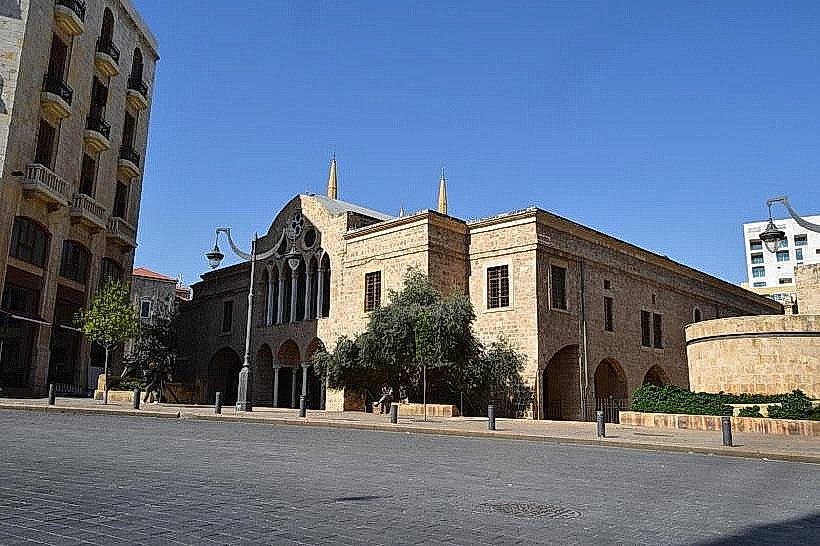
The Saint Louis Roman Catholic Church, also known as the Saint Louis Capuchin Cathedral, is a historic Latin-rite church located in the Bab Idriss district of the Beirut Central District. It serves as the seat of the Apostolic Vicariate of Beirut and stands as a prominent example of 19th-century religious architecture in the capital.
Visual Characteristics
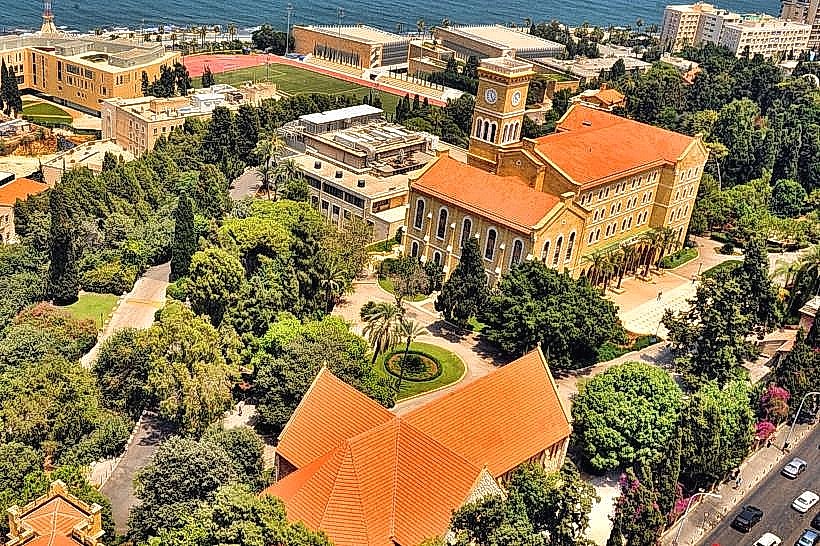
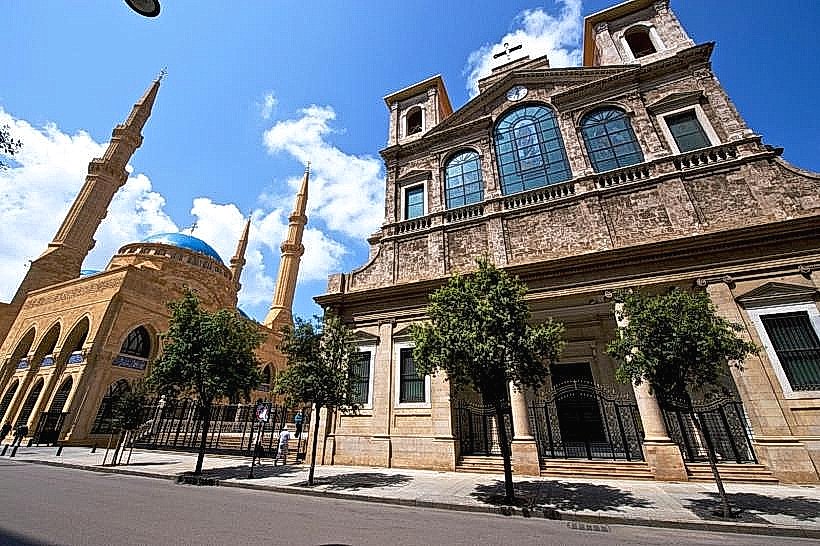
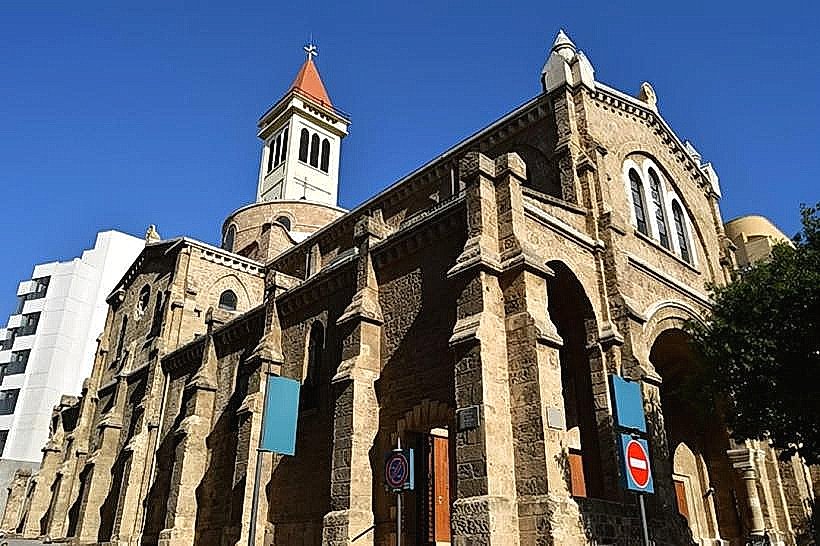
The church is constructed from traditional Lebanese yellow limestone and features a distinct red-tiled roof. Its architectural style is a blend of Romanesque and Byzantine elements, characterized by rounded arches and a simple, austere facade. The interior is noted for its vaulted ceilings and a series of stained-glass windows that filter natural light into the nave, which is flanked by modest wooden pews and stone pillars.
Location & Access Logistics
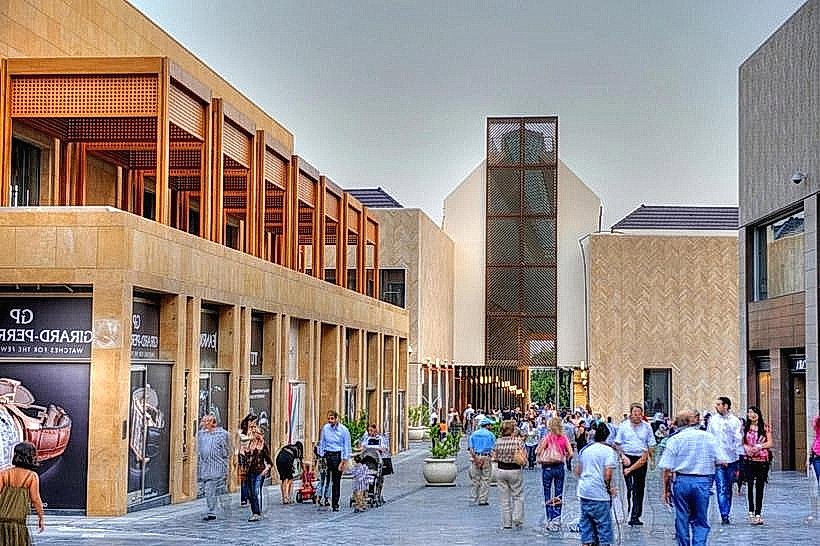
The site is situated on Rue des Capucins, positioned on the northern slope of the Serail Hill, directly below the Grand Serail. It is a 5-minute walk from the Beirut Souks and roughly 0.6km west of Martyrs' Square. Visitors typically utilize the underground parking facilities at the Beirut Souks or Riad El Solh Square. The area is accessible via pedestrian walkways from the Bab Idriss intersection.
Historical & Ecological Origin
The church was built by Capuchin missionaries and inaugurated in 1864, named in honor of King Louis IX of France. It was designed to serve the European Catholic community and the local Latin-rite congregation in Beirut. The building suffered significant structural damage during the Lebanese Civil War (1975–1990) and was meticulously restored in the late 1990s, with further repairs required following the 2020 Beirut port explosion.
Key Highlights & Activities
The cathedral is an active place of worship with daily masses held in French and Arabic. Visitors can observe the preserved architectural details of the mid-19th century and the quiet courtyard that separates the church from the busy downtown streets. It is a frequent stop on historical and religious walking tours of the city's "Multi-Religious Quarter."
Infrastructure & Amenities
The facility is equipped with 5G cellular signal and basic lighting for evening services. While the church does not have public restrooms for general tourists, several commercial facilities and cafes are located within a 200-meter radius in the downtown area. The surrounding pedestrian streets are well-maintained with stone paving and security bollards.
Best Time to Visit
The best time for photography is the early morning when the sun illuminates the eastern facade. For those wishing to view the interior, visiting between 09:00 and 12:00 or during scheduled mass times is recommended. The church offers a cool, shaded environment during the peak summer months of July and August.
Facts & Legends
A local historical footnote recounts that during the Lebanese Civil War, the church was a frequent target due to its strategic position near the "Green Line," yet its thick limestone walls helped preserve the core structure from total collapse. A unique feature is the bell tower, which serves as a visual landmark for the Bab Idriss area and has been a consistent part of the Beirut skyline for over 150 years.
Nearby Landmarks
Grand Serail (0.1km South)
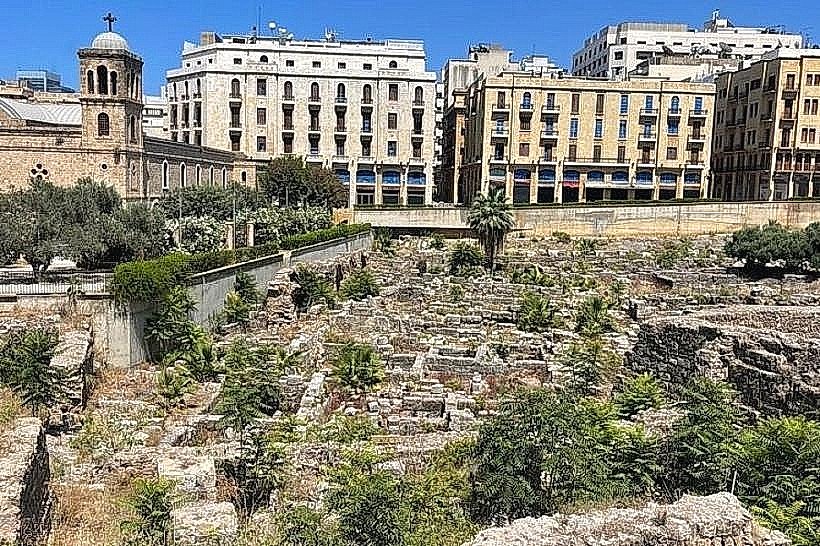
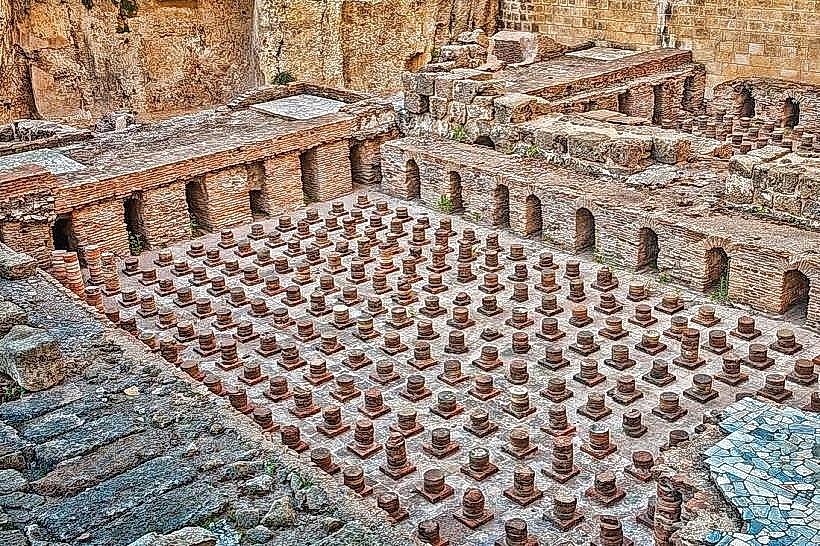
Roman Baths (0.1km East)
Beirut Souks (0.3km North)
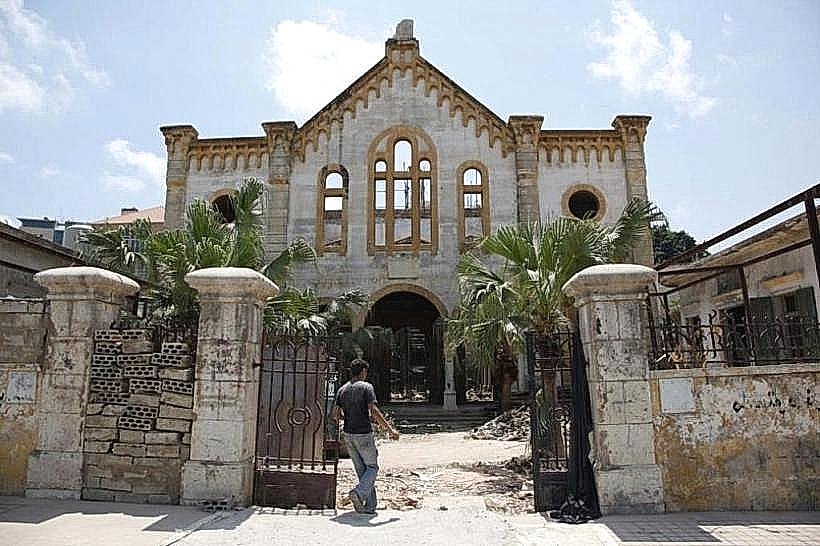
Maghen Abraham Synagogue (0.4km West)
Omari Mosque (0.4km East)