Landmark: Martyrs' Square
City: Beirut
Country: Lebanon
Continent: Asia
Martyrs' Square, Beirut, Lebanon, Asia
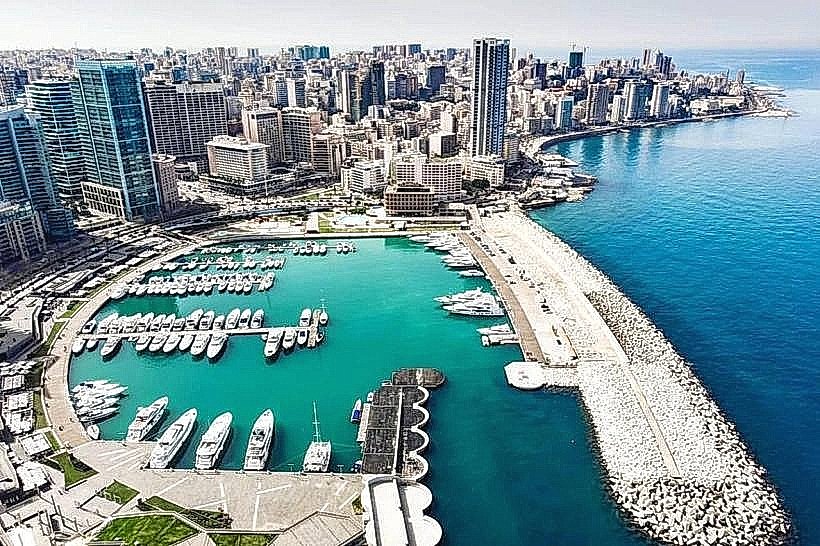
Martyrs' Square is the largest public town square in the center of Beirut, Lebanon, serving as the primary geographic and symbolic heart of the city. It is positioned between the central commercial district and the historic Saifi Village, opening toward the Mediterranean coastline.
Visual Characteristics
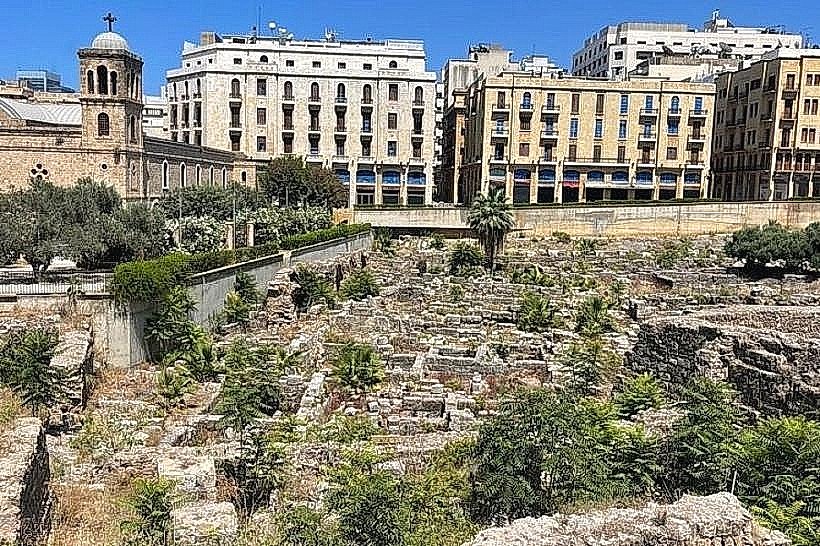
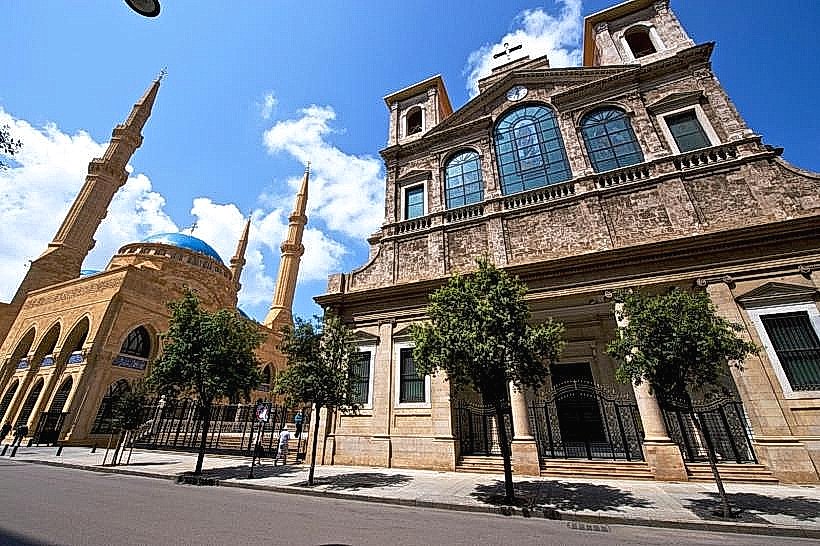
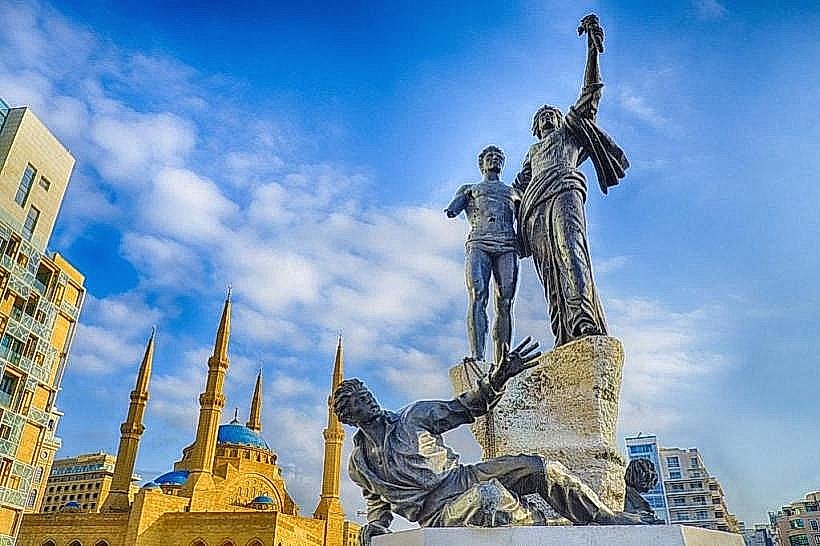
The square is a vast, paved open space characterized by its minimalist urban design and the prominent bronze Martyrs' Monument at its center. This sculpture features figures with outstretched arms, riddled with original bullet holes from the Lebanese Civil War. The surrounding area consists of excavated archaeological ruins, modern steel-and-glass high-rises, and the towering yellow limestone Mohammad Al-Amin Mosque with its distinct blue domes.
Location & Access Logistics
Located in Beirut Central District (BCD), the square is bounded by Weygand Street to the north and the Fouad Chehab Ring Road to the south. It is approximately 10km from Beirut-Rafic Hariri International Airport. Public transport access is available via Connex and LCC buses stopping at the nearby Weygand or Emir Bechir stations; extensive underground parking is available beneath the square and at the adjacent Beirut Souks.
Historical & Ecological Origin
Originally established in the 19th century as Place des Canons due to Russian artillery stationed there, it was renamed in 1916 to honor nationalists executed by Ottoman authorities. The current monument was designed by Italian sculptor Renato Marino Mazzacurati and inaugurated in 1960. During the Lebanese Civil War (1975–1990), the square formed part of the "Green Line" that divided the city.
Key Highlights & Activities
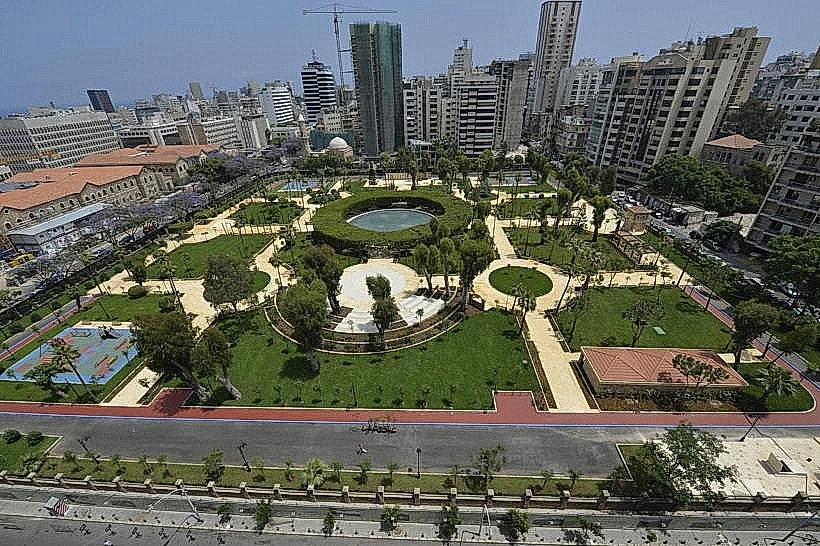
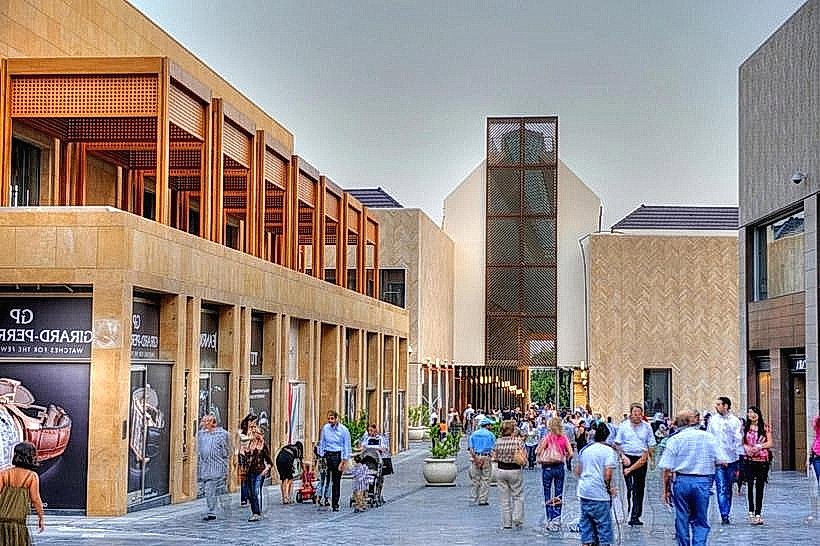
The square serves as the primary site for national commemorations, political rallies, and large-scale public protests. Visitors can conduct self-guided architectural walks to view the juxtaposition of Ottoman, French Mandate, and contemporary Lebanese buildings. The adjacent Garden of Forgiveness offers a space for quiet reflection amidst recovered Roman and Byzantine ruins.
Infrastructure & Amenities
The area is equipped with 5G cellular connectivity and integrated street lighting. While the square itself lacks permanent public restrooms, facilities are available in the adjacent Beirut Souks shopping complex. Benches are sparse in the open plaza, but several cafes and retail outlets are located within a 200-meter radius in the downtown area.
Best Time to Visit
The best time for photography is in the mid-morning when the sun illuminates the facade of the Mohammad Al-Amin Mosque and the Martyrs' Monument without harsh shadows. The square is most accessible during spring (March to May) and autumn (September to November) to avoid the extreme humidity and heat of the Lebanese summer.
Facts & Legends
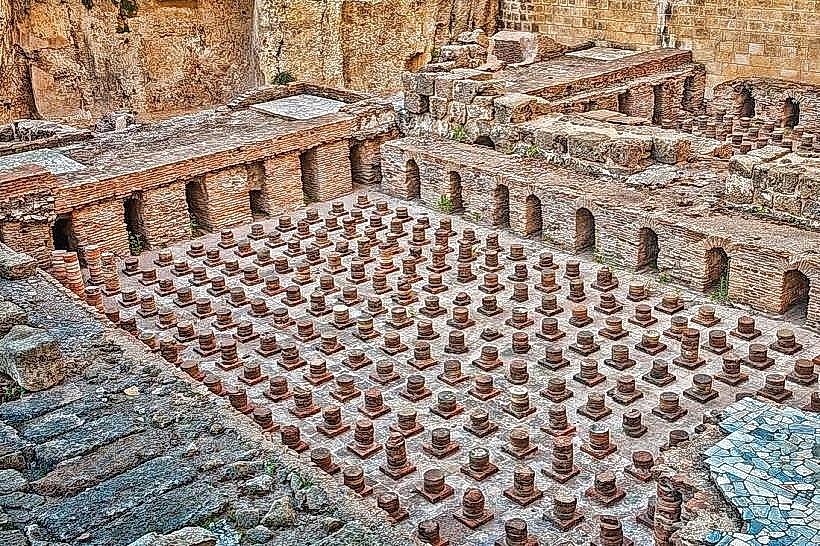
The bronze statue still bears the physical scars of the civil war, including a missing hand and numerous shrapnel punctures, which restorers intentionally left to serve as a permanent "memorial of the war." Beneath the modern pavement lies a complex "tapestry" of history, including remains of the Phoenician, Roman, and Crusader eras that were unearthed during post-war reconstruction.
Nearby Landmarks
Mohammad Al-Amin Mosque (0.1km South)
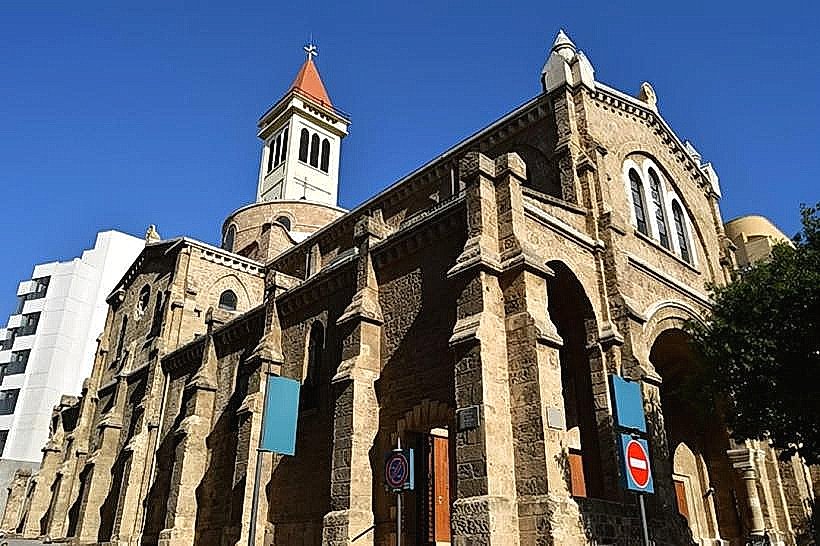
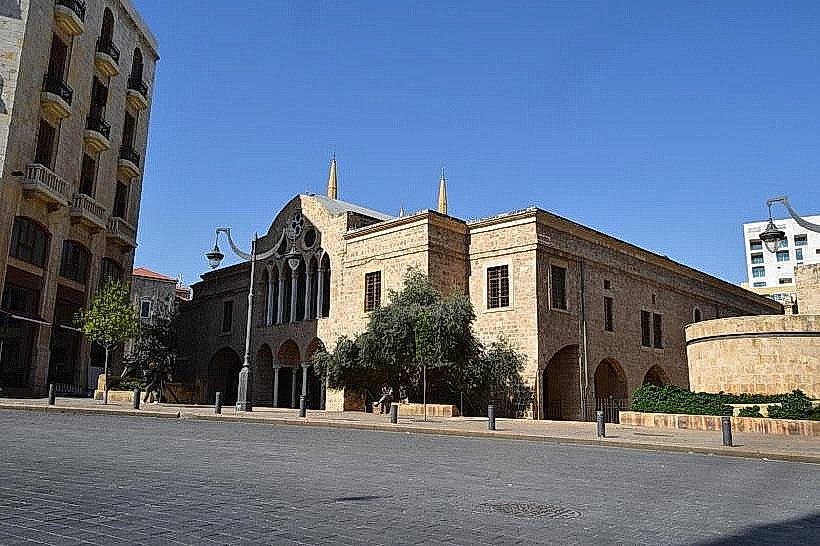
Saint George Maronite Cathedral (0.2km West)
Beirut Souks (0.4km Northwest)
Roman Baths (0.6km West)
Grand Serail (0.8km Southwest)