Landmark: Roman Baths
City: Beirut
Country: Lebanon
Continent: Asia
Roman Baths, Beirut, Lebanon, Asia
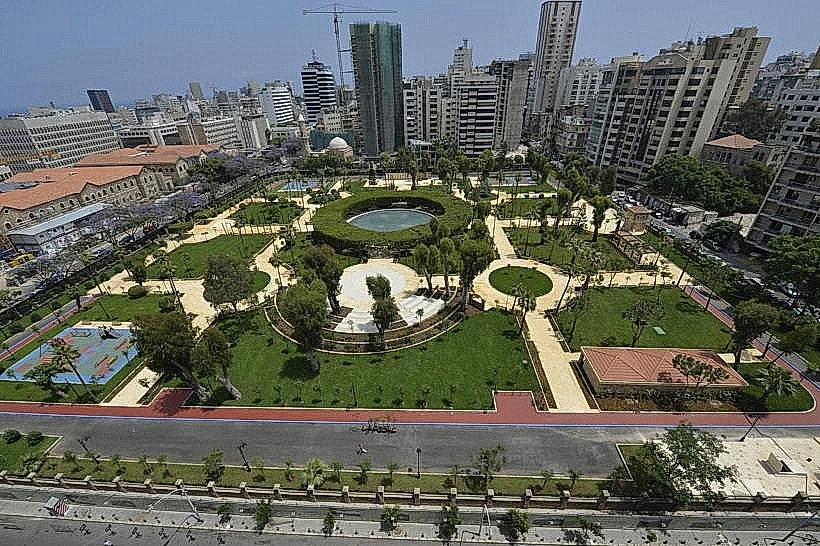
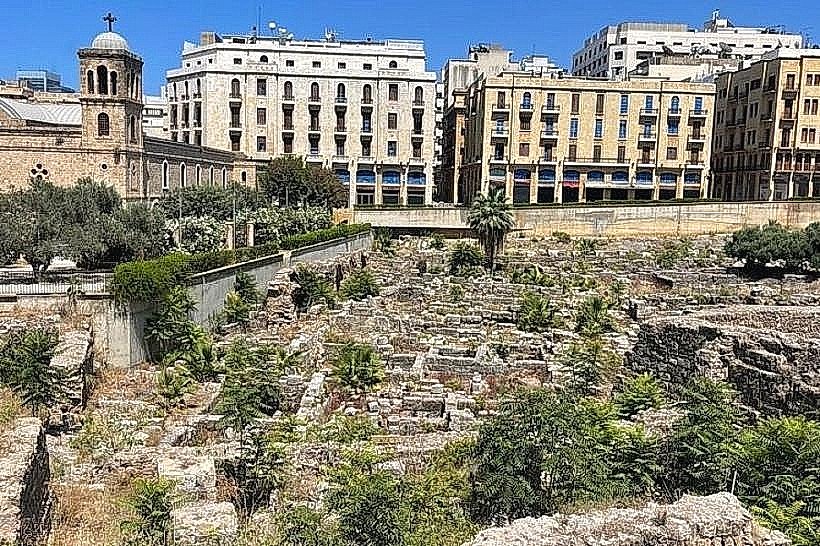
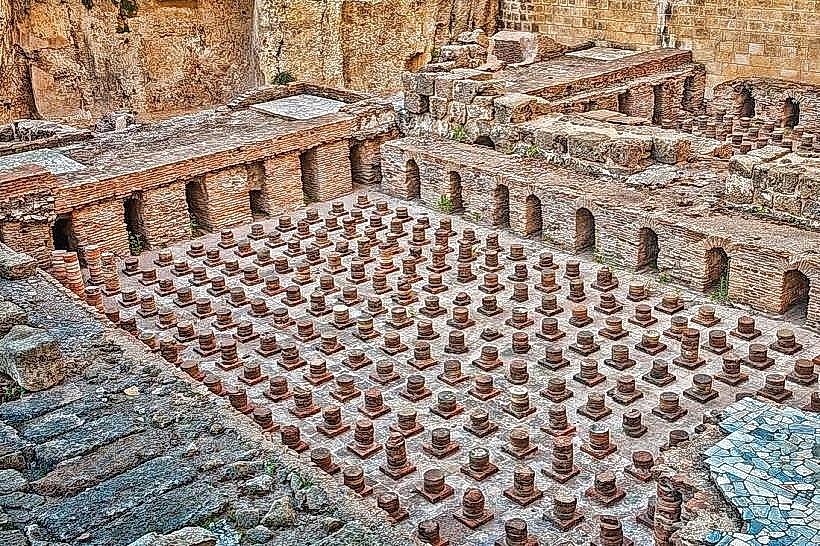
The Roman Baths are an excavated archaeological site located in the Beirut Central District, situated on the eastern slope of Serail Hill. These ruins represent the remains of the ancient Roman city of Berytus and serve as a public landscaped garden and historical monument.
Visual Characteristics
The site consists of four large thermal complexes featuring brick-pillared basement chambers. These pillars, known as hypocausts, supported the suspended floors that allowed hot air to circulate. The ruins are composed of various materials, including red clay bricks, limestone blocks, and remnants of marble tiling, and are surrounded by modern Mediterranean vegetation and terraced stone walkways.
Location & Access Logistics
The baths are located between Banks Street and Capuchin Street, directly below the Grand Serail. The site is easily accessible on foot from the Beirut Souks or Martyrs' Square, both within a 10-minute walking distance. While there is no dedicated parking lot for the baths, visitors utilize the nearby Beirut Souks underground parking or street parking in the Bab Idriss area.
Historical & Ecological Origin
Discovered in 1968 and further excavated in the mid-1990s, the baths date back to the 1st century AD during the Roman Empire's rule over Berytus. The complex originally served as a social center for the city’s citizens, featuring a caldarium (hot room), tepidarium (warm room), and frigidarium (cold room). The site was severely damaged by the massive earthquake of 551 AD and remained buried for centuries.
Key Highlights & Activities
The site functions as an open-air museum where visitors can walk through the designated paths to observe the ancient heating systems. One of the bath's platforms is frequently used as a performance space for outdoor concerts and theatrical plays. Educational signage provides technical details on the Roman engineering used to transport water to the site.
Infrastructure & Amenities
The area is a public open space with no entrance fee and is equipped with 5G cellular signal. There are no public restrooms or food vendors directly within the ruins, but the site is immediately adjacent to the commercial amenities of the Beirut Central District. Benches and shaded areas are provided by the contemporary Mediterranean gardens surrounding the archaeological remains.
Best Time to Visit
The site is best visited during the late afternoon when the shadows accentuate the textures of the brickwork and stone. It is open 24 hours a day, and the evening lighting makes it a quiet spot for night photography. Spring (March to May) is the optimal time for the surrounding gardens, as the flora is in full bloom.
Facts & Legends
The site was once used as a medicinal center, where the "Thermae" provided hydrotherapy treatments to the city’s elite. A unique feature of this specific complex is that it is believed to have been located near the famous Roman Law School of Berytus, suggesting that scholars and students were the primary patrons of these particular baths.
Nearby Landmarks
Grand Serail (0.1km West)
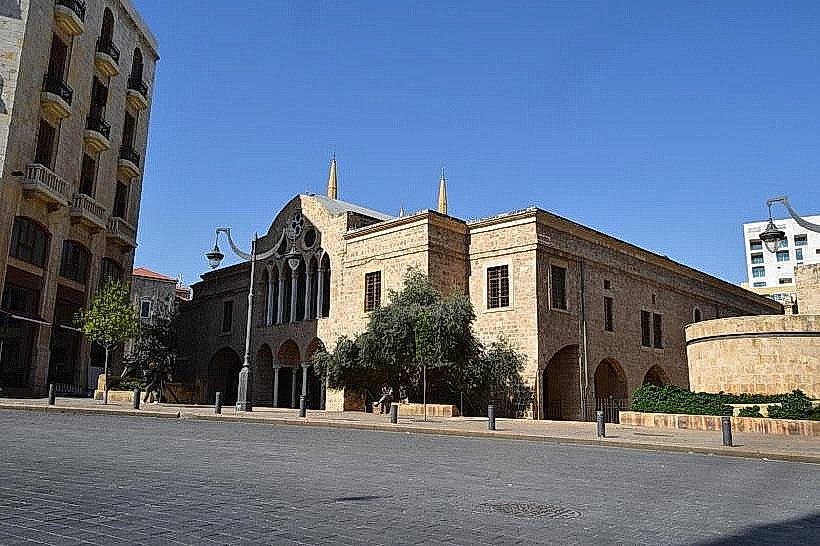
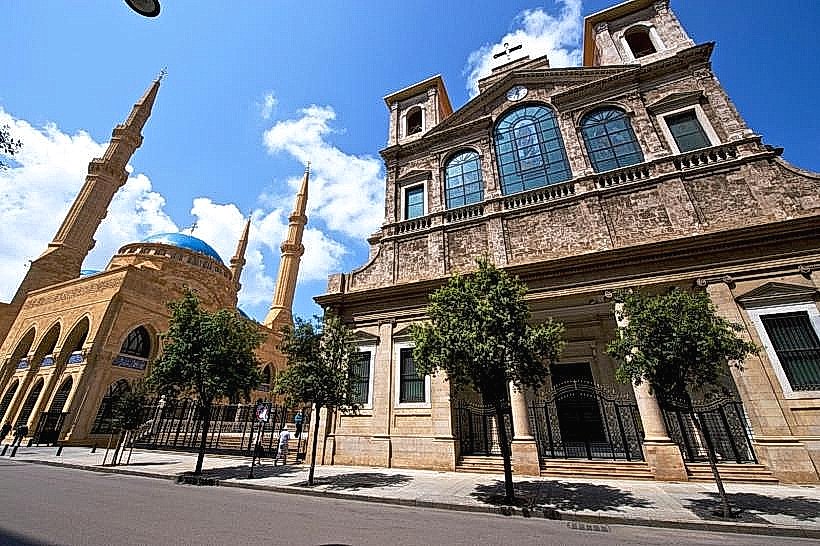
Saint Louis Cathedral (0.1km South)
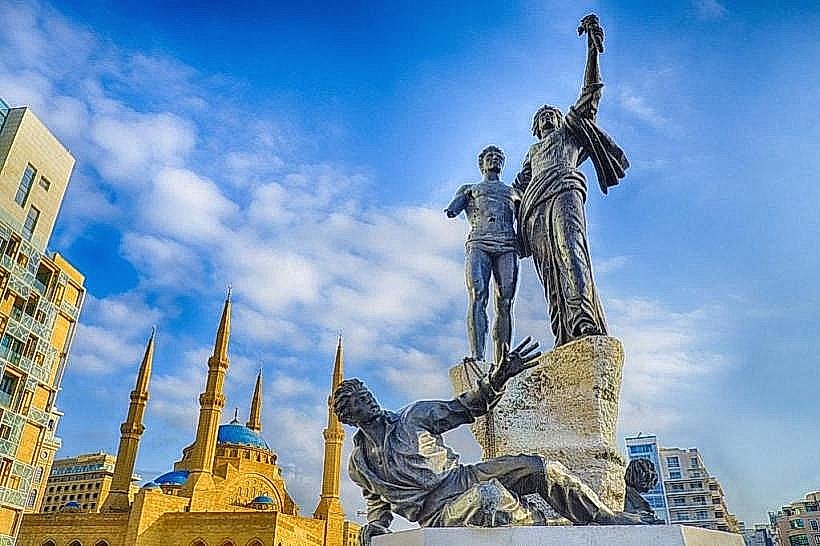
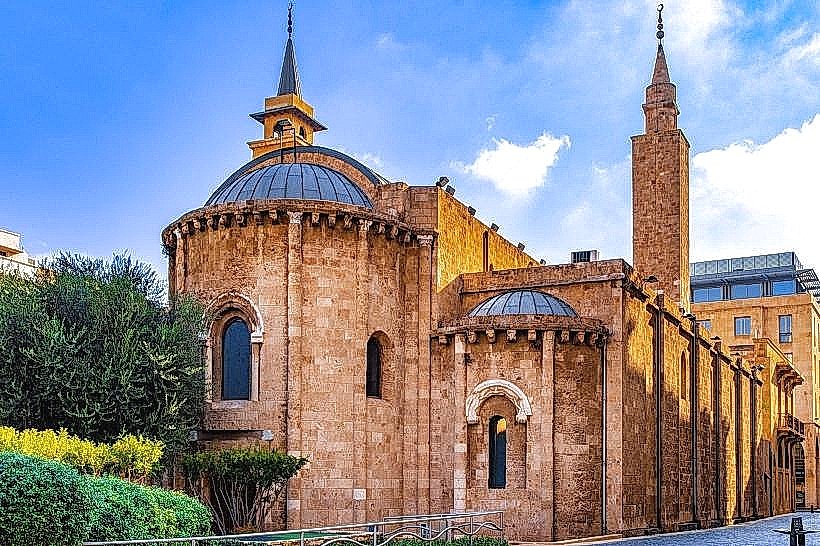
Omari Mosque (0.3km East)
Beirut Souks (0.4km North)
Martyrs' Square (0.6km East)