Landmark: Maghen Abraham Synagogue
City: Beirut
Country: Lebanon
Continent: Asia
Maghen Abraham Synagogue, Beirut, Lebanon, Asia
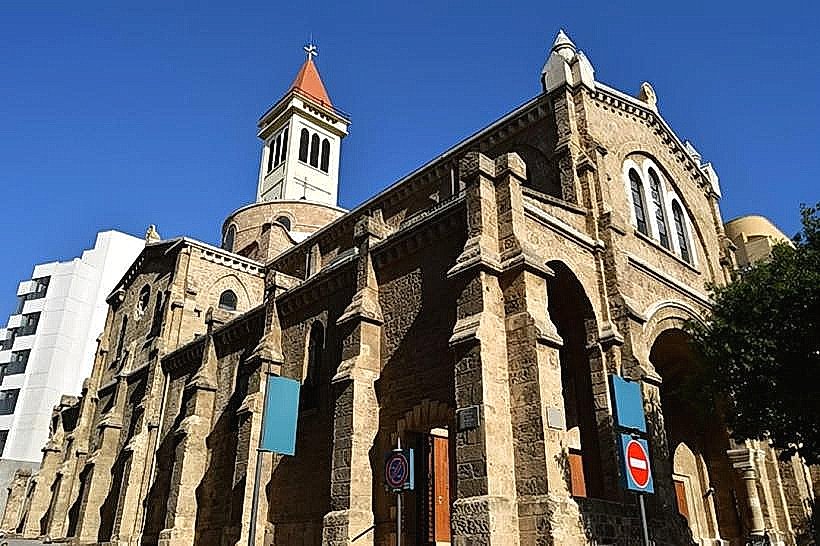
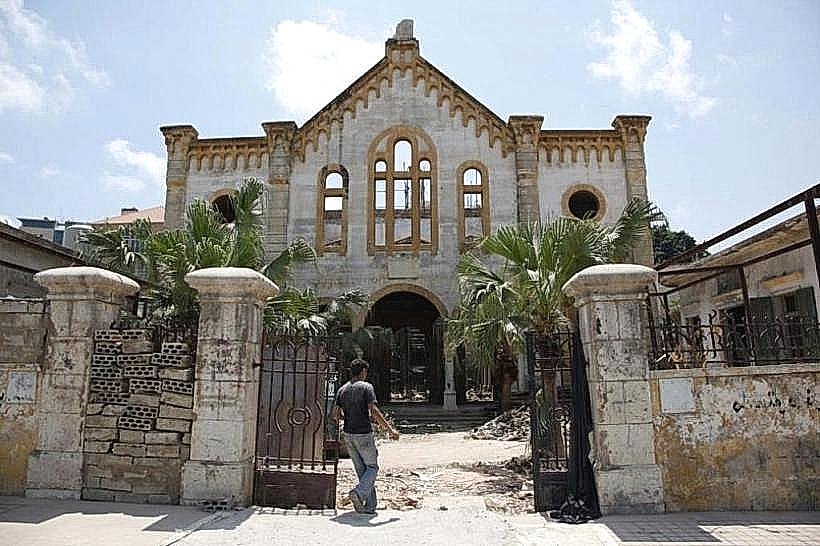
The Maghen Abraham Synagogue is the last remaining Jewish place of worship in Beirut, situated in the historic Wadi Abu Jamil neighborhood. It serves as a significant architectural remnant of the city’s once-thriving Jewish community and is located within the renovated Beirut Central District.
Visual Characteristics
The building features a Neo-Romanesque architectural style characterized by thick limestone walls, arched windows, and a prominent rose window on the facade. The interior is defined by a traditional Sephardic layout, featuring high ceilings, marble columns, and a central bema (pulpit). Following its extensive restoration, the synagogue retains its pale beige stone exterior and decorative wrought-iron gated entrance.
Location & Access Logistics
The synagogue is located on Wadi Abu Jamil Street, approximately 0.5km west of Nejmeh Square. Access is via the pedestrian-friendly streets of the Beirut Central District; however, due to its proximity to sensitive government buildings and the Grand Serail, the immediate street is often subject to strict security checkpoints. Visitors typically park in the Beirut Souks underground parking and proceed on foot through the Bab Idriss area.
Historical & Ecological Origin
Built in 1925, the synagogue was designed by architect Bindo Capponi and named after the son of Abraham Sasoon. It served as the heart of the Wadi Abu Jamil district, which was the Jewish quarter of Beirut. The building was severely damaged during the Lebanese Civil War and further degraded by neglect until a major private restoration project began in 2009 and was completed in 2014.
Key Highlights & Activities
The site is primarily a historical and architectural monument. While it is not currently open for regular public religious services, visitors can view the exterior architecture and the commemorative plaques detailing the site's history. Walking tours of the Wadi Abu Jamil neighborhood often highlight the synagogue as a symbol of the city's diverse religious heritage and post-war urban renewal.
Infrastructure & Amenities
The area surrounding the synagogue is equipped with 5G cellular coverage and high-standard urban infrastructure, including paved sidewalks and street lighting. There are no public restrooms or food vendors directly on the synagogue grounds. However, the site is within a 5-minute walk of the extensive dining and service facilities located in the Beirut Souks and downtown commercial zones.
Best Time to Visit
The exterior is best viewed during the morning hours when sunlight directly hits the eastern-facing facade. Because the synagogue is located in a high-security residential and governmental zone, it is advisable to visit during daylight hours (10:00 to 16:00). Access to the interior is restricted and usually requires prior coordination or special permission.
Facts & Legends
During the Lebanese Civil War, the synagogue was protected from total demolition by the local community and even by various armed factions who respected its religious status, though it was later hit by shelling in 1982. A unique historical fact is that the restoration was funded by private donations from the Lebanese Jewish diaspora and supported by the Lebanese government, marking it as a rare example of cross-sectarian heritage preservation in the region.
Nearby Landmarks
Grand Serail (0.3km South)
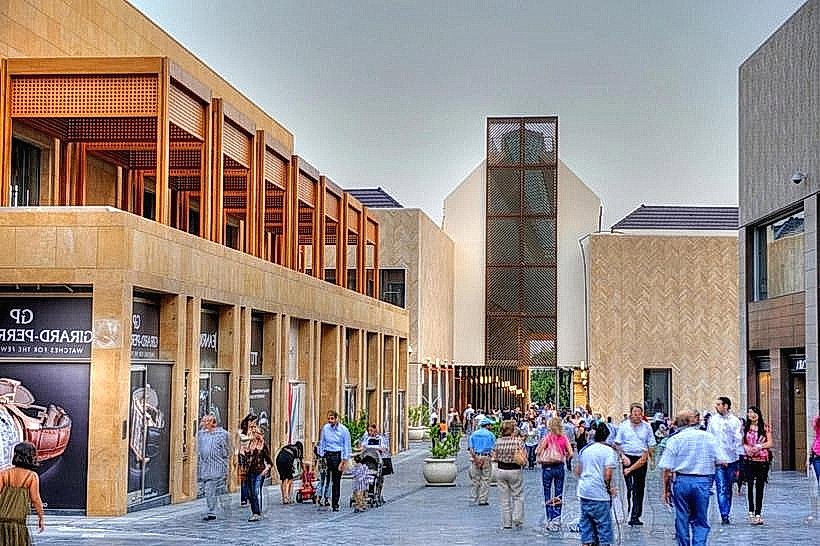
Beirut Souks (0.2km East)
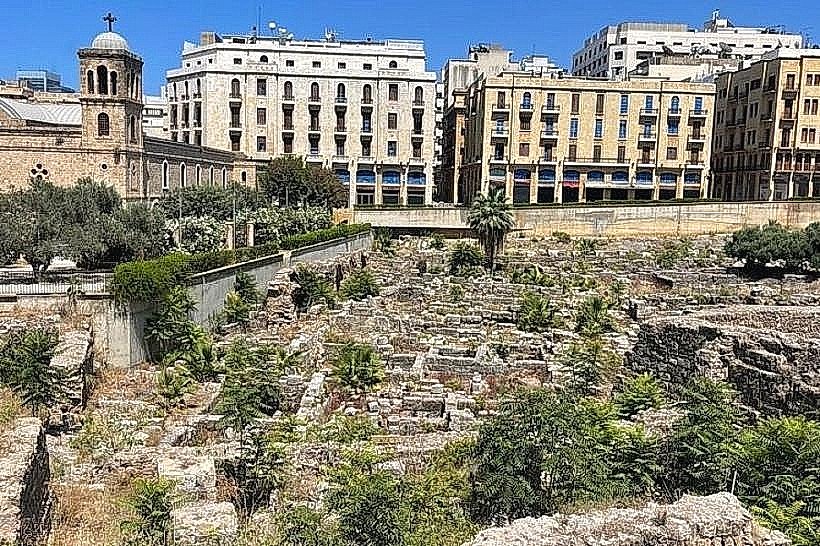
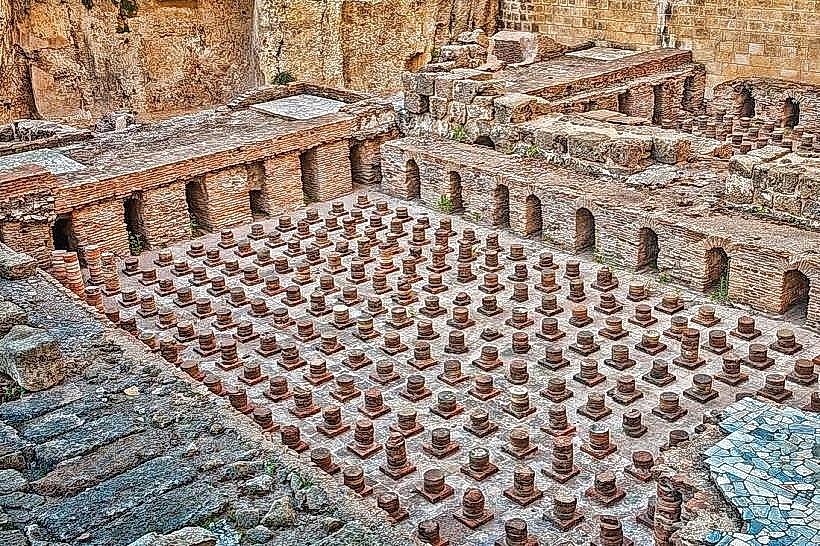
Roman Baths (0.4km Southeast)
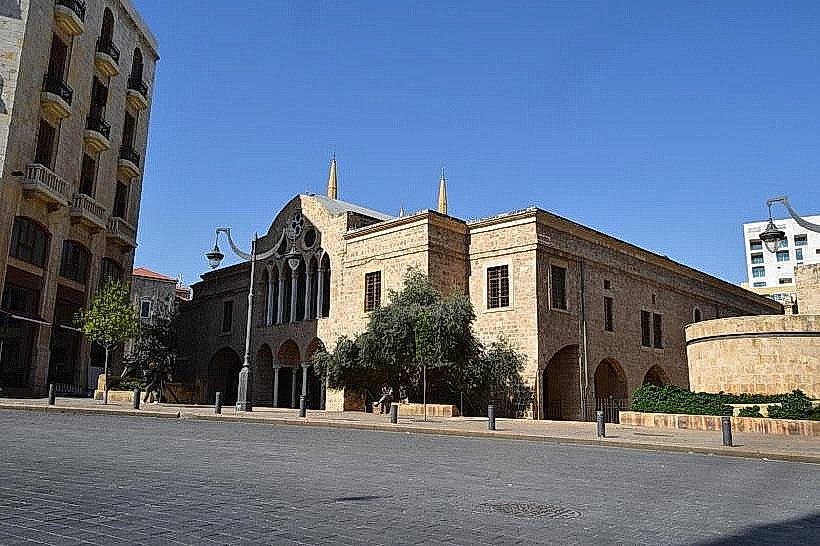
Saint George Greek Orthodox Cathedral (0.5km East)
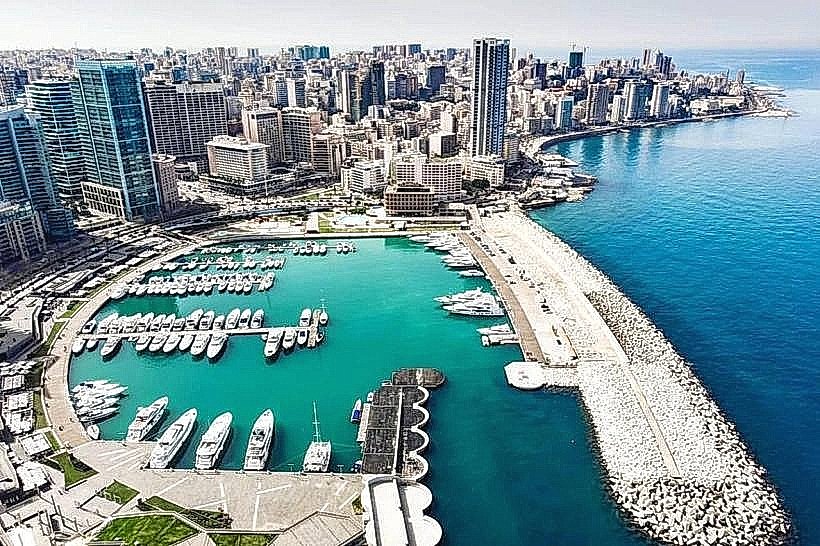
Zaitunay Bay (0.8km Northwest)