Landmark: Al-Omari Grand Mosque
City: Beirut
Country: Lebanon
Continent: Asia
Al-Omari Grand Mosque, Beirut, Lebanon, Asia
The Al-Omari Grand Mosque is the oldest standing mosque in Beirut, located in the Central District. It occupies a site that has transitioned through multiple religious identities, serving as a physical timeline of the city's urban and spiritual history from the Roman era to the present day.
Visual Characteristics
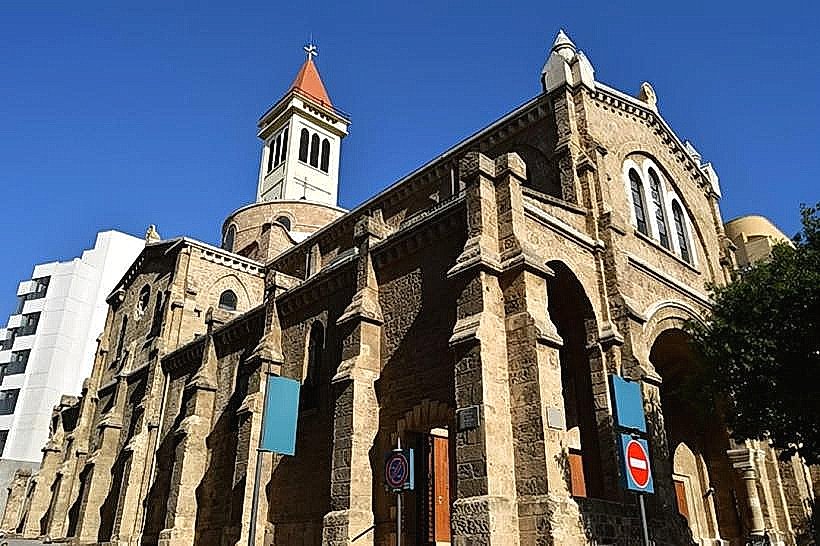
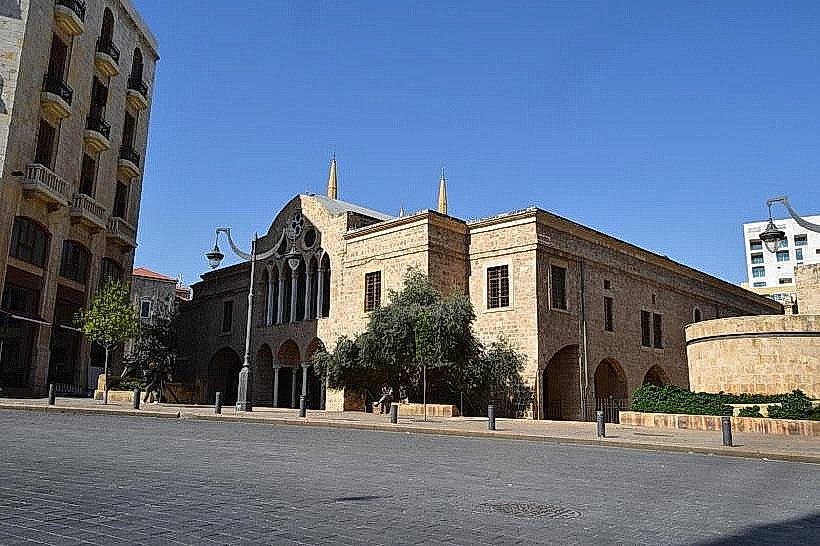
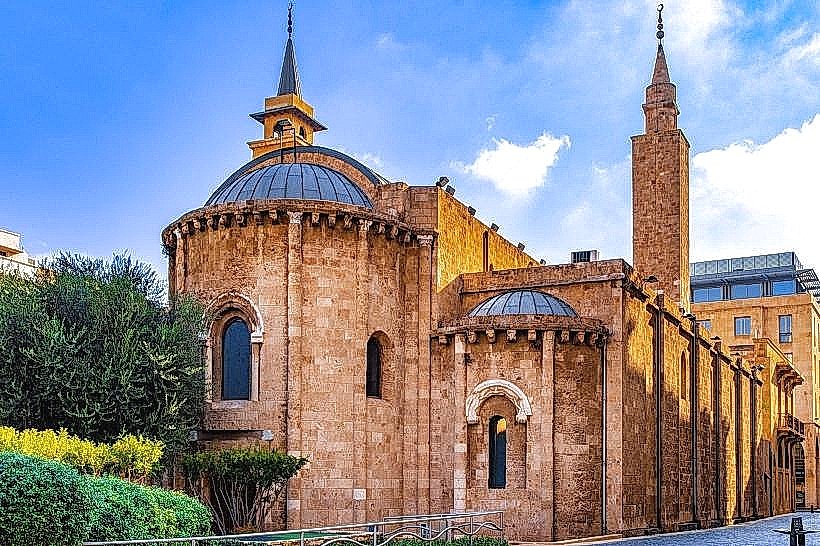
The mosque is constructed primarily from sandstone, featuring thick walls and massive piers characteristic of Romanesque architecture. Its exterior retains the fortress-like appearance of a Crusader church, while the interior is defined by three longitudinal aisles and a large central dome added during the Mamluk period. The courtyard is paved in white stone, and the mosque is topped by a single, slender minaret built in the Ottoman style.
Location & Access Logistics
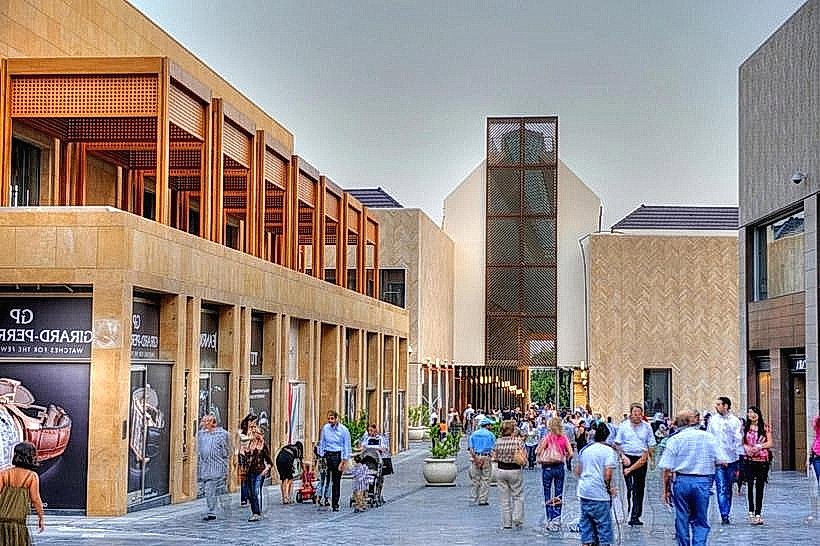
The mosque is located on Weygand Street, directly west of Martyrs' Square and north of Place de l'Etoile. It is a 2-minute walk from the Beirut Souks. Vehicle access is restricted in the immediate pedestrian zone, so visitors must use the underground parking at the Beirut Souks or the Nejmeh Square valet services. Multiple bus lines serving downtown Beirut stop at the Weygand Street station, approximately 100 meters away.
Historical & Ecological Origin
The site originally housed a Roman temple and later a Byzantine church before being converted into a mosque during the Rashidun Caliphate and named after Caliph Omar Ibn al-Khattab. In the 12th century, the Crusaders rebuilt it as the Cathedral of Saint John the Baptist of the Knights Hospitaller. It was permanently converted back into a mosque by the Mamluks in 1291. The building survived heavy damage during the Lebanese Civil War and was fully restored in 2004.
Key Highlights & Activities
Visitors can observe the unique "Crusader-Mosque" architecture, noting the Romanesque arched windows and the Islamic calligraphy adorning the interior. The mosque is an active place of worship where the five daily prayers are held. Guided tours are occasionally available outside of prayer times, and the central courtyard offers a quiet space for observing the intersection of medieval and modern architecture.
Infrastructure & Amenities
The mosque is equipped with 5G cellular signal and modern air conditioning within the prayer halls. Public restrooms and ablution facilities are available for worshippers and visitors. While there are no food vendors inside the mosque, it is surrounded by the extensive commercial infrastructure of the Beirut Central District, including numerous cafes and shops within a 5-minute radius.
Best Time to Visit
The best time for a visit is between the morning and midday prayers (Dhuhr), or mid-afternoon, to avoid disrupting religious services. For photography, the late afternoon light provides the best contrast for the sandstone textures. Non-Muslim visitors should check local schedules to ensure they do not arrive during Friday congregational prayers, when access is limited to worshippers.
Facts & Legends
The mosque is said to house three hairs from the beard of the Prophet Muhammad, which were kept in a gold box and traditionally displayed once a year. Additionally, a local historical oddity is the presence of several Roman columns integrated directly into the mosque's structure, some of which still bear the original Latin inscriptions from the city's time as a Roman colony.
Nearby Landmarks
Beirut Souks (0.2km West)
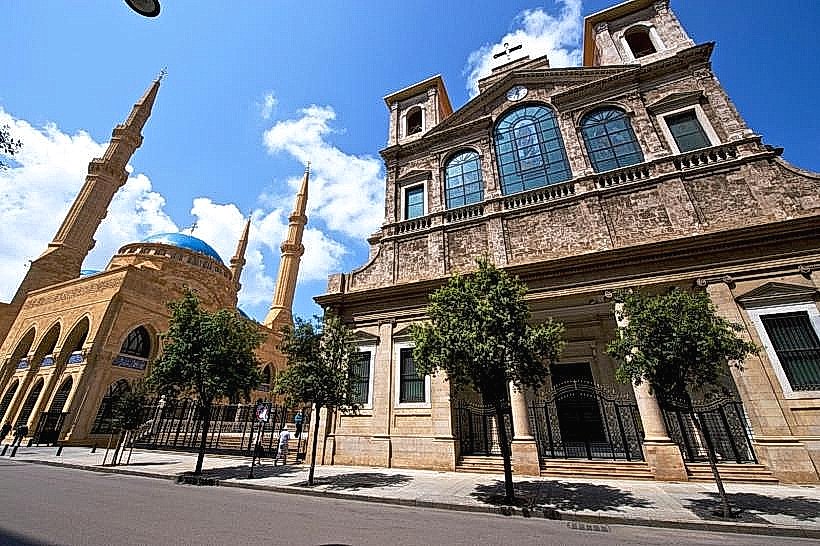
Saint George Greek Orthodox Cathedral (0.2km South)
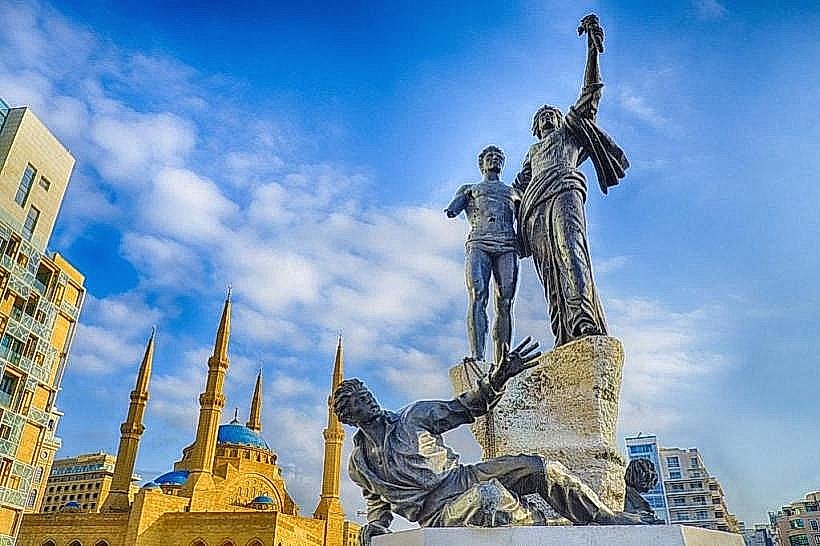
Martyrs' Square (0.3km East)
Parliament Building (0.3km Southwest)
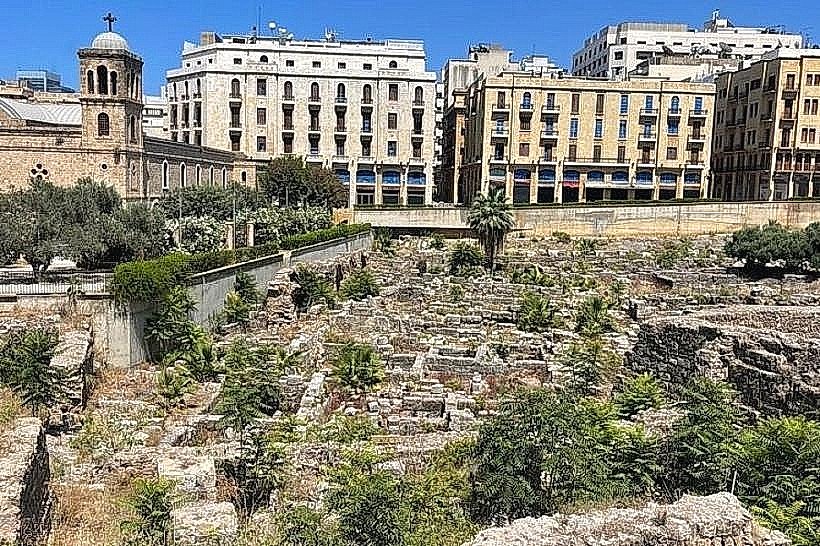
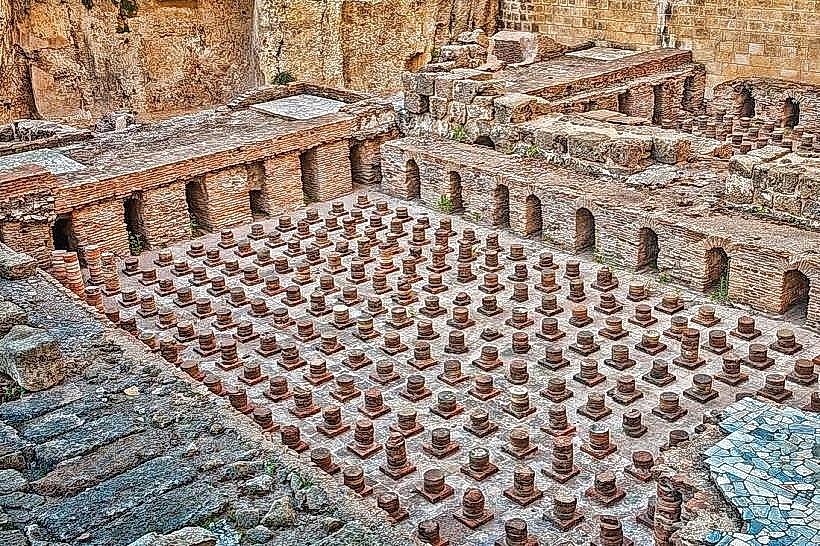
Roman Baths (0.3km West)