Landmark: Banque du Liban Museum
City: Beirut
Country: Lebanon
Continent: Asia
Banque du Liban Museum, Beirut, Lebanon, Asia
The Banque du Liban Museum is a specialized numismatic and financial museum located within the headquarters of the Central Bank of Lebanon in the Wardieh district of Beirut. It serves as a repository for the national monetary heritage, documenting the evolution of currency used in the region from antiquity to the modern era.
Visual Characteristics
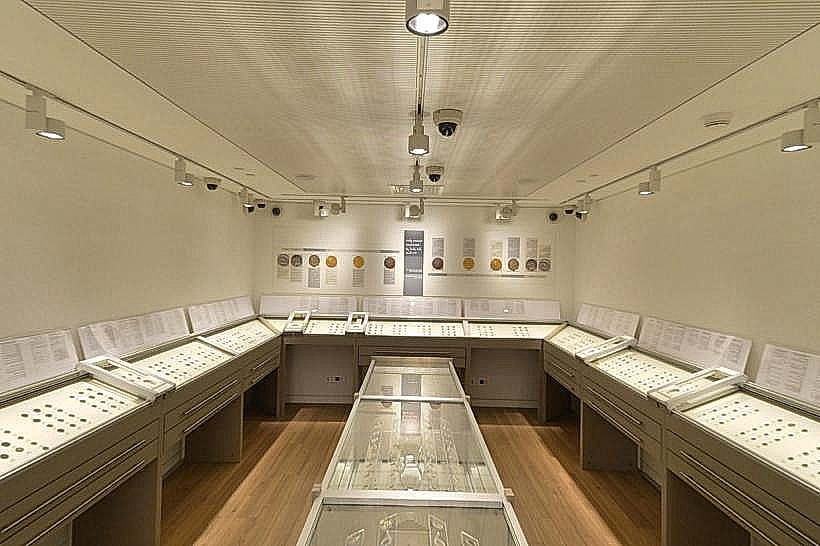
The museum is housed in a contemporary, highly secure wing of the Banque du Liban building, characterized by polished granite, glass partitions, and specialized atmospheric lighting. The displays are organized into minimalist glass vitrines and high-tech interactive kiosks. Its interior design follows a circular flow, with walls and floors finished in neutral tones to highlight the metallic and paper details of the currency collections.
Location & Access Logistics
The museum is located at the intersection of Banque du Liban Street and Rome Street, approximately 1km east of the American University of Beirut (AUB). Access is strictly controlled through the bank’s main security entrance; visitors are required to present a valid photo ID for entry. While there is no public parking on-site, several private parking lots are located in the nearby Clemenceau and Hamra neighborhoods. Public transit via "Service" taxis frequently passes through the adjacent Wardieh Square.
Historical & Ecological Origin
The museum was inaugurated in 2013 by the Central Bank of Lebanon to preserve and display the bank’s extensive private collection of coins and banknotes. Historically, the site of the central bank was chosen in the mid-20th century to anchor Beirut's developing financial district. The collection includes Phoenician, Greek, Roman, Byzantine, and Islamic coins found across various Lebanese archaeological sites.
Key Highlights & Activities
The museum features a chronological display of coins, including rare gold pieces from the Umayyad and Abbasid periods. A major highlight is the interactive "Weight in Gold" station, which allows visitors to calculate their value based on current market gold prices. Visitors can also view the complete history of Lebanese banknotes, from the early French Mandate era to the contemporary commemorative issues.
Infrastructure & Amenities
The facility is a fully climate-controlled environment with strict humidity and temperature monitoring to protect paper artifacts. 5G cellular signal is available, though phone usage is regulated within specific gallery areas. The museum is equipped with accessible elevators and clean public restrooms. There are no food vendors on-site, but the Hamra district, located 400 meters south, offers an extensive range of dining options.
Best Time to Visit
The museum typically operates during standard bank hours, Monday through Friday, 08:30 to 13:00, and on Saturdays from 08:30 to 12:00. Morning visits are recommended to ensure enough time for security processing. Because it is an indoor facility, it is an ideal destination during the high-heat months of July and August or during winter rain showers.
Facts & Legends
A unique feature of the museum is its "Coin Machine," which allows visitors to mint a commemorative token as a souvenir of their visit. A verified historical oddity is the display of "emergency currency" used during various conflicts in the region, including banknotes that were overstamped or modified to remain legal tender during periods of extreme political transition.
Nearby Landmarks
Hamra Street (0.4km South)
American University of Beirut (AUB) (1.0km West)
René Moawad Garden (Sanayeh) (0.6km South)
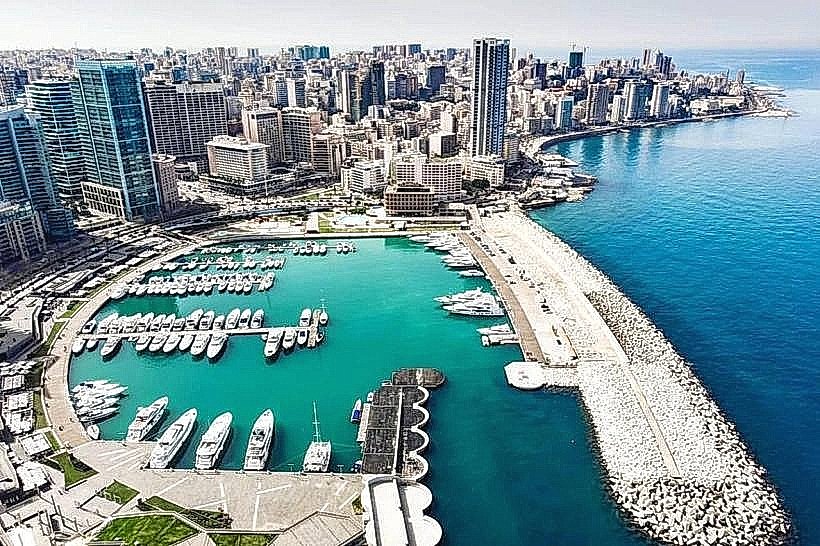
Zaitunay Bay (1.2km North)
Grand Serail (1.5km East)