Landmark: Nijmeh Square
City: Beirut
Country: Lebanon
Continent: Asia
Nijmeh Square, Beirut, Lebanon, Asia
Nejmeh Square, also known as Place de l’Étoile, is the central focal point of the Beirut Central District in Lebanon. It functions as the city's primary civic hub, characterized by its radial street layout that branches out from a central plaza.
Visual Characteristics
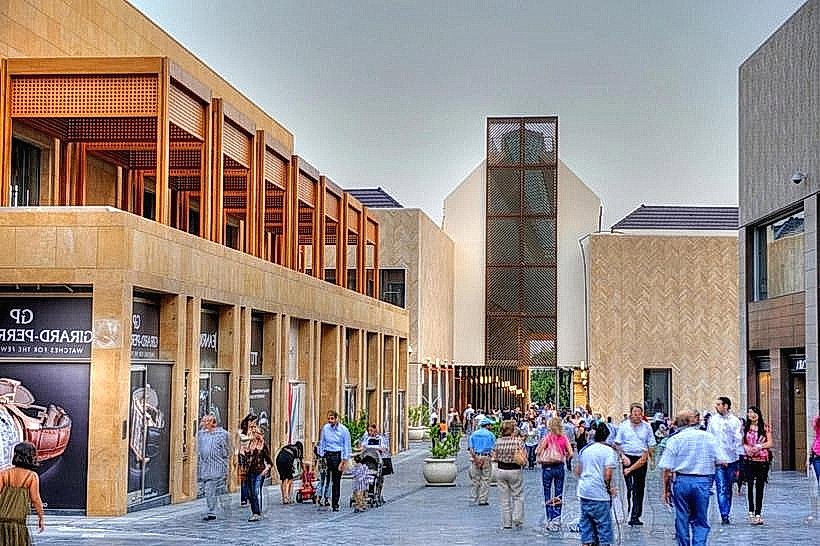
The square is defined by a symmetrical circular design featuring a 1930s-era art deco clock tower at its center. The surrounding buildings are constructed from consistent ochre-colored limestone, featuring arched windows, red-tiled roofs, and wrought-iron balconies that blend French Mandate and Orientalist architectural styles. The plaza is paved in light stone and is entirely pedestrianized, creating a uniform, open urban space.
Location & Access Logistics
Located in the heart of the Beirut Central District, the square is approximately 0.5km west of Martyrs' Square. Access is via several radial streets, including Rue Maarad and Rue Allenby. Vehicles are prohibited from the square itself; visitors utilize the Beirut Souks underground parking or valet services at the perimeter checkpoints. Numerous bus lines stop at the nearby Weygand Street or Emir Bechir Street, both a 3-minute walk away.
Historical & Ecological Origin
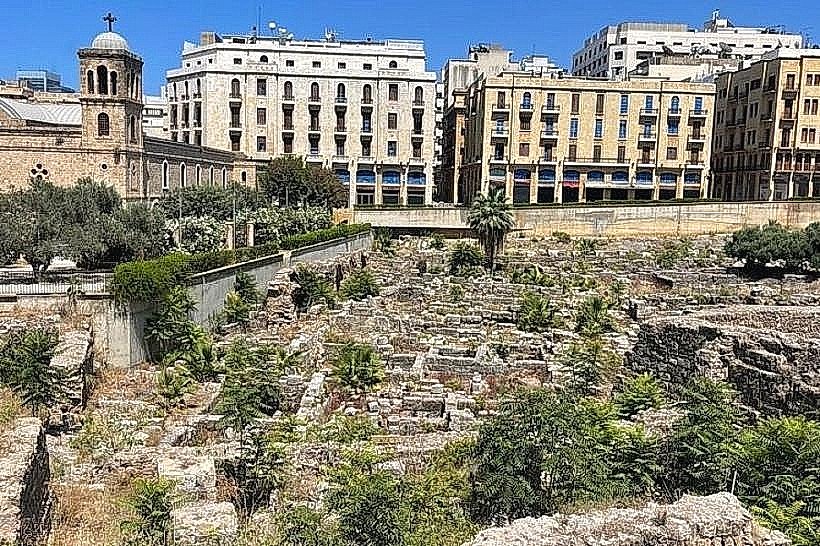
The square was designed and constructed during the French Mandate in the 1930s on the site of ancient Roman ruins and an older Ottoman quarter. Architect Mardiros Altounian designed the central clock tower. After being almost completely destroyed during the Lebanese Civil War (1975–1990), the square was meticulously reconstructed in the late 1990s as part of the Solidere master plan to restore the city’s historical core.
Key Highlights & Activities
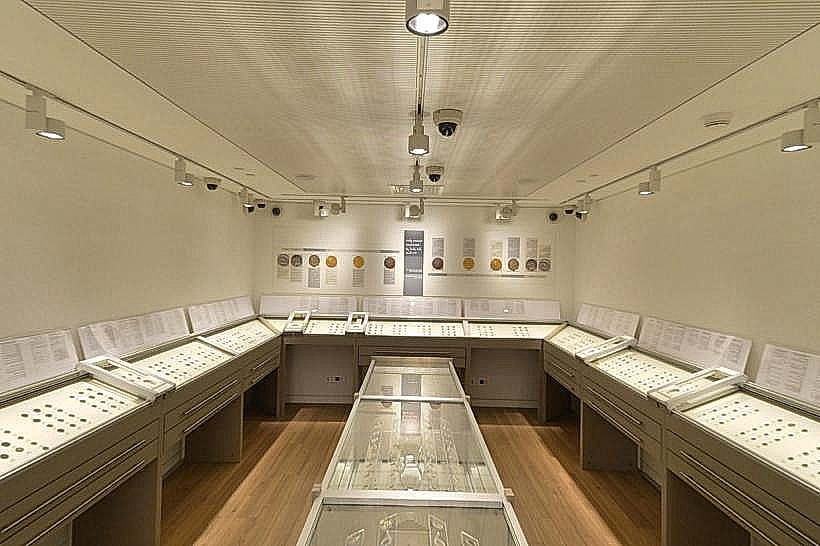
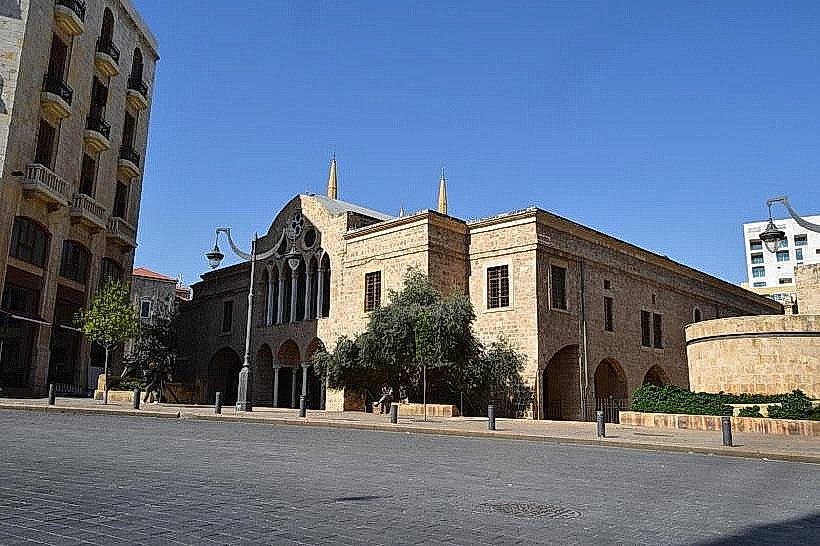
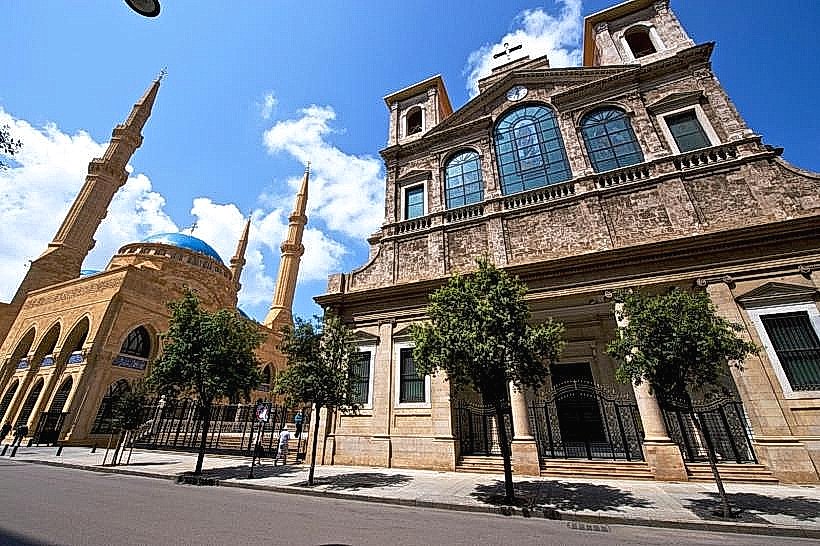
The square is the site of the Parliament Building (Chambre des Députés) and the Saint George Greek Orthodox Cathedral. Activities include walking tours of the surrounding art deco architecture and visiting the Saint George Crypt Museum located beneath the plaza. The open area is frequently used for official state ceremonies and public gatherings, though security protocols can sometimes restrict access to specific zones.
Infrastructure & Amenities
The square is equipped with 24-hour security and comprehensive 5G cellular coverage. While there are no public restrooms directly in the center of the plaza, facilities are available in the numerous surrounding cafes and the nearby Beirut Souks. Fixed stone benches and street lighting are distributed throughout the pedestrian zone, and several upscale restaurants offer terrace seating.
Best Time to Visit
The best time for photography is during the early morning for clear views of the clock tower or at night when the buildings are fully illuminated. The square is most comfortable for walking during the spring (March to May) and autumn (September to November). Access may be restricted during parliamentary sessions, so checking local news for scheduled government meetings is advised.
Facts & Legends
The central clock tower was a gift from Lebanese-Brazilian businessman Michel Abed and features four clock faces pointing toward the four radial avenues. A local historical oddity is that the square sits directly above the remains of the ancient Roman Cardo Maximus; during the post-war reconstruction, archaeologists discovered that the modern radial streets almost perfectly mirror the ancient Roman grid that lay beneath the earth for centuries.
Nearby Landmarks
Parliament Building (0.05km West)
Saint George Greek Orthodox Cathedral (0.1km East)
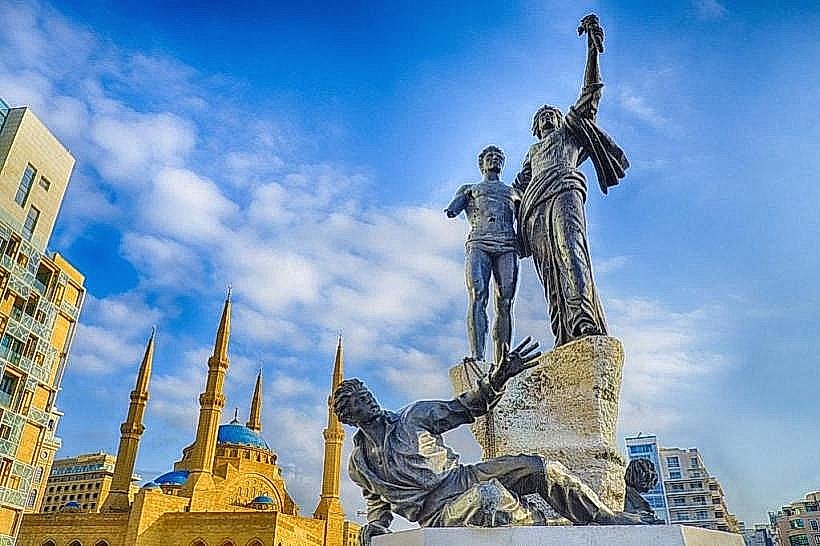
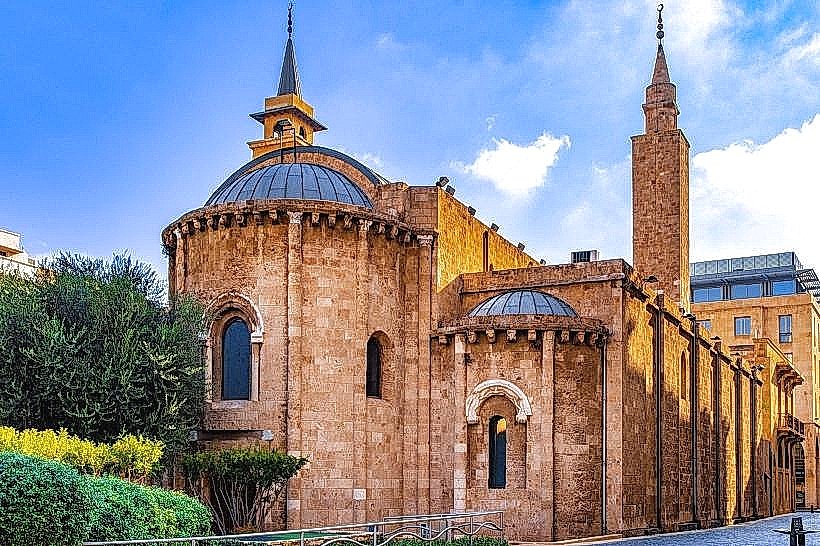
Al-Omari Grand Mosque (0.2km North)
Beirut Souks (0.3km North)
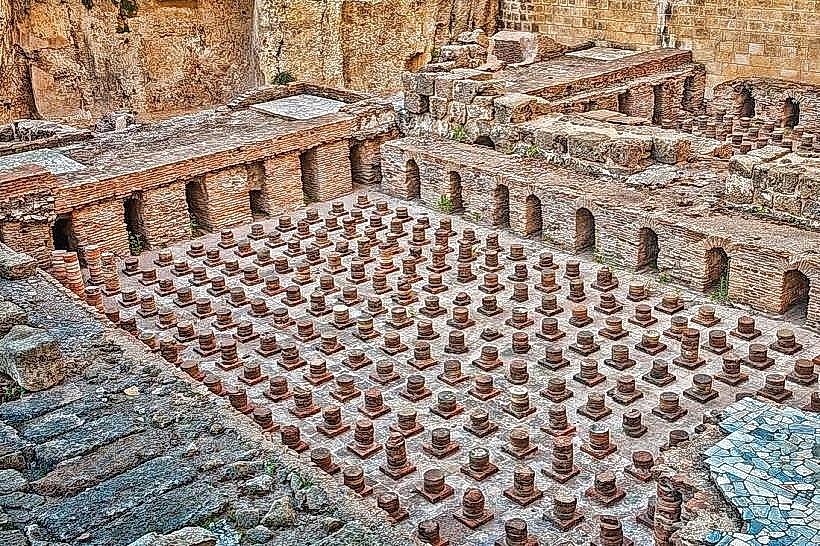
Roman Baths (0.3km Southwest)