City: Blantyre
Country: Malawi
Continent: Africa
Blantyre, Malawi, Africa
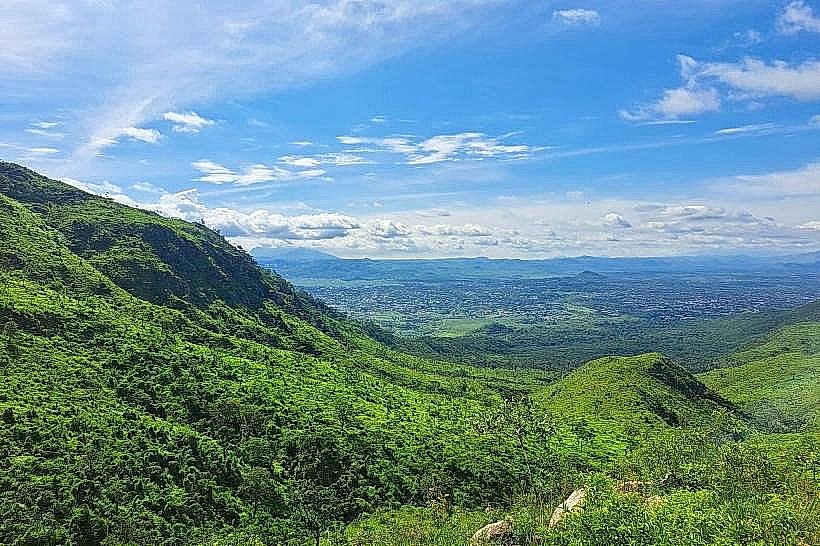
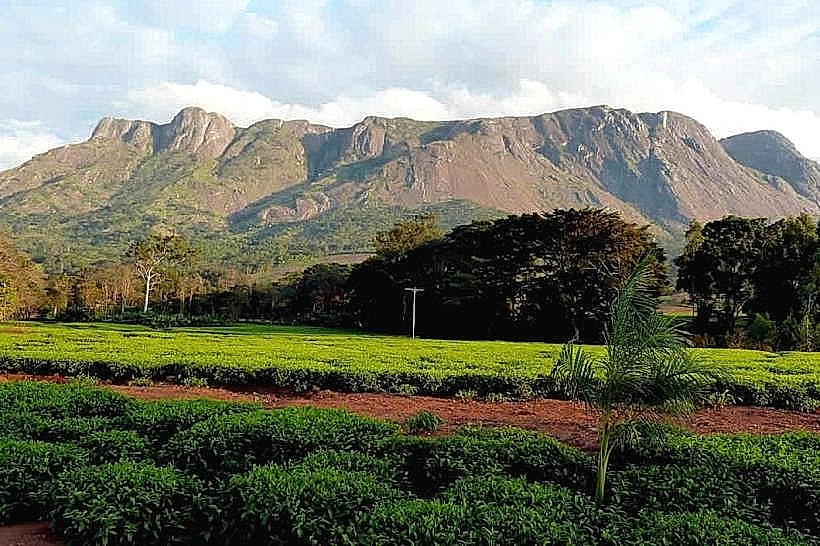
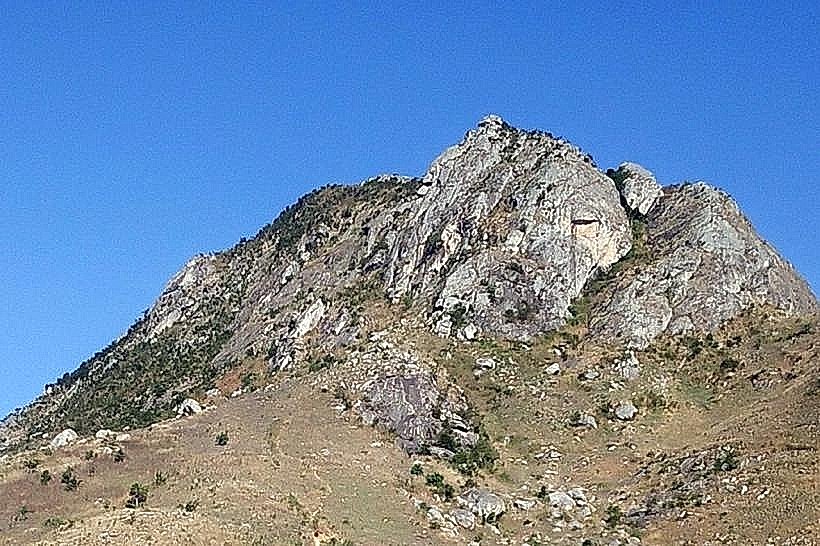
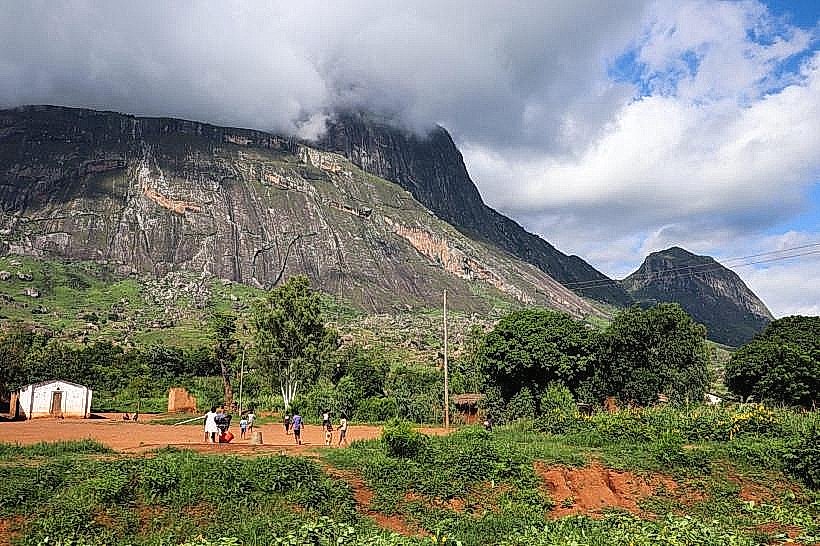
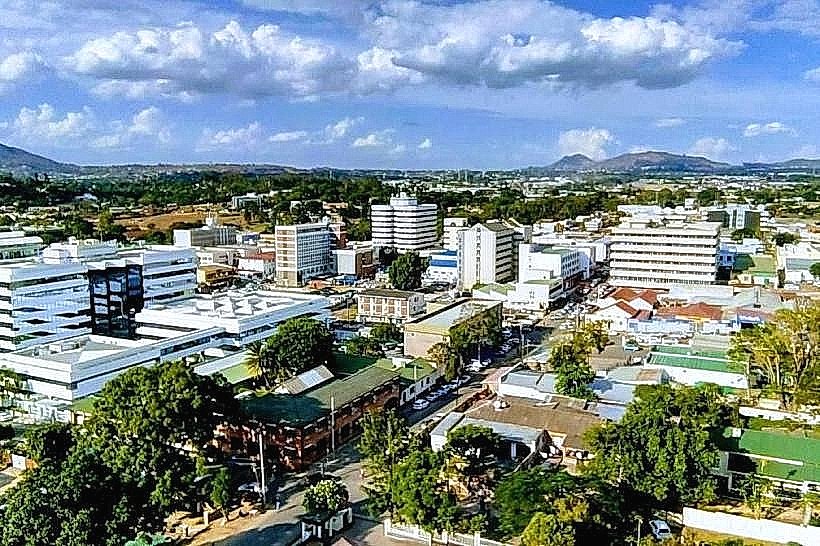
Blantyre serves as the commercial, financial, and industrial capital of Malawi, situated in the country's southern highlands. The city is positioned on the Shire Highlands plateau at an average elevation of 1040 meters, surrounded by three distinct mountain peaks: Michiru, Ndirande, and Soche.
Historical Timeline
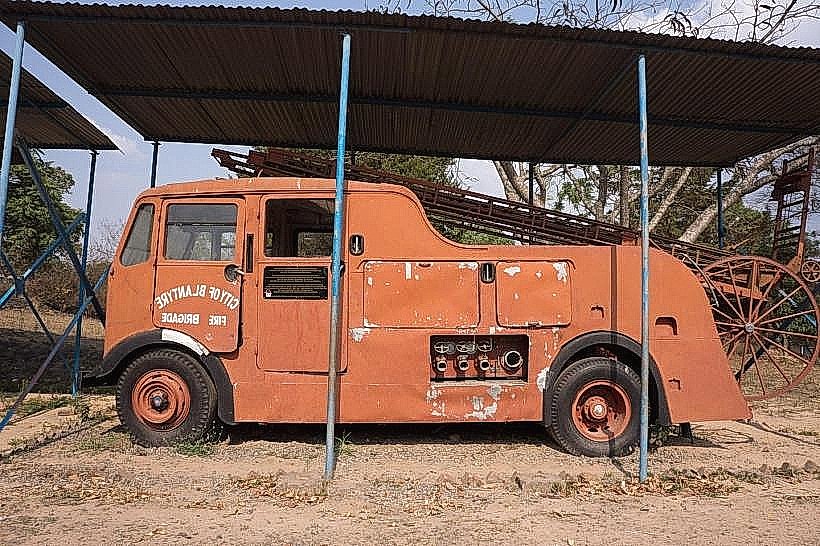
Blantyre was founded in 1876 by missionaries of the Church of Scotland and named after the birthplace of explorer David Livingstone in Lanarkshire, Scotland. The settlement transformed through British imperial rule under the British Central Africa Protectorate and subsequently Nyasaland, officially achieving township status in 1895 as the oldest urban municipality in the country. A major post-war amalgamation occurred in 1956 when Blantyre merged with the adjacent commercial town of Limbe to form the unified municipality of Blantyre-Limbe. This physical unification along a central transport corridor remains the primary event that dictated the current linear urban form.
Demographics & Population
The population within the official city limits is estimated at 845000, while the broader Blantyre-Limbe metropolitan area contains approximately 1.16 million residents. The top three national and ethnic demographics by percentage are Chewa, Lomwe, and Yao. The median age of the population is 18.9 years, representing a heavily skewed youth demographic profile.
Urban Layout & Key Districts
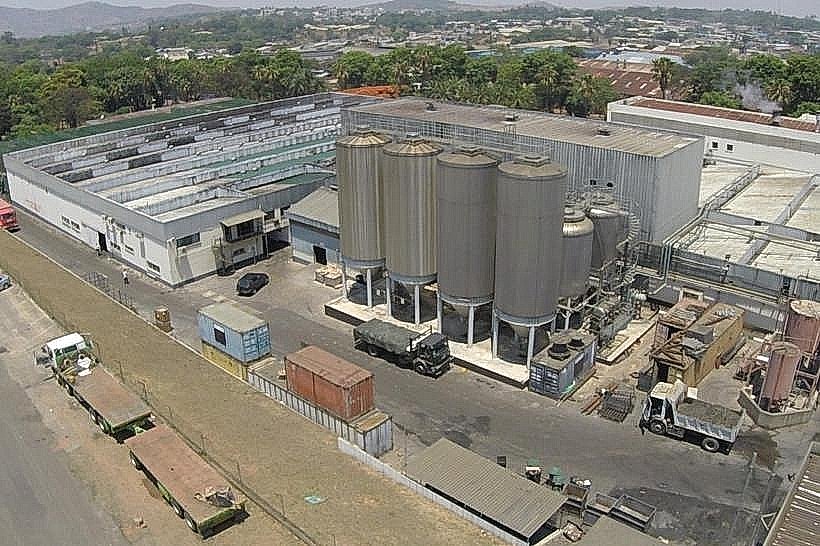
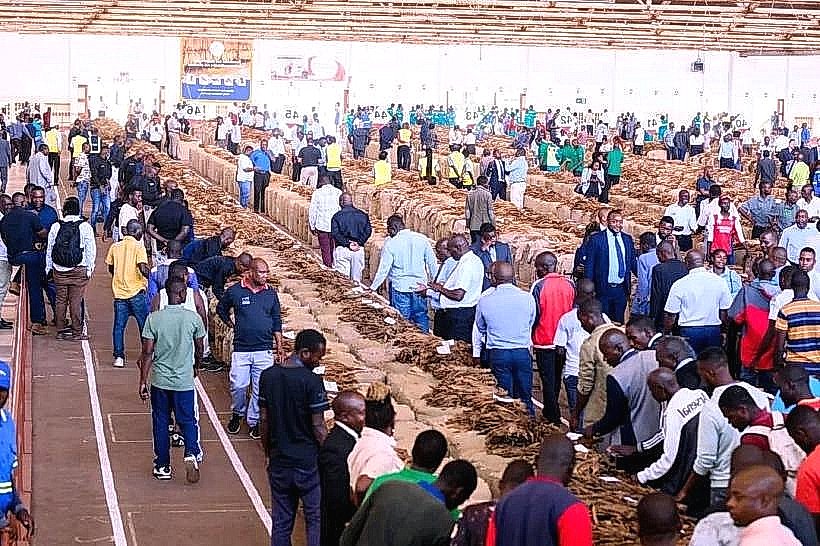
The urban layout is defined by a twin-core structure separated by an 8-kilometer industrial transport corridor along the main rail line and highway. Blantyre Proper, located to the west, acts as the primary corporate, judicial, and financial node containing government administrative courts and bank headquarters. Limbe, situated to the east, serves as the industrial hub, wholesale logistics center, and transport junction for agricultural distribution. Namiwawa and Sunnyside are prominent residential and diplomatic sectors positioned west and southwest of Blantyre Proper.
Top City Landmarks
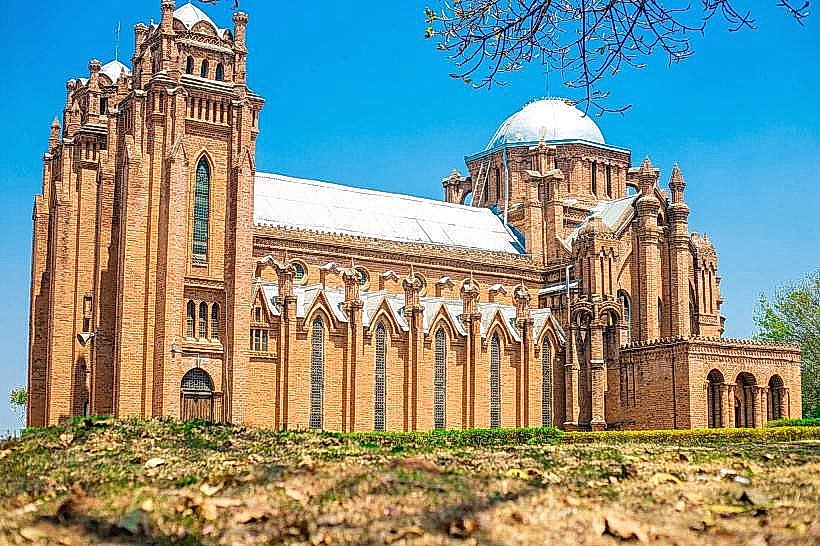
St. Michael and All Angels Church
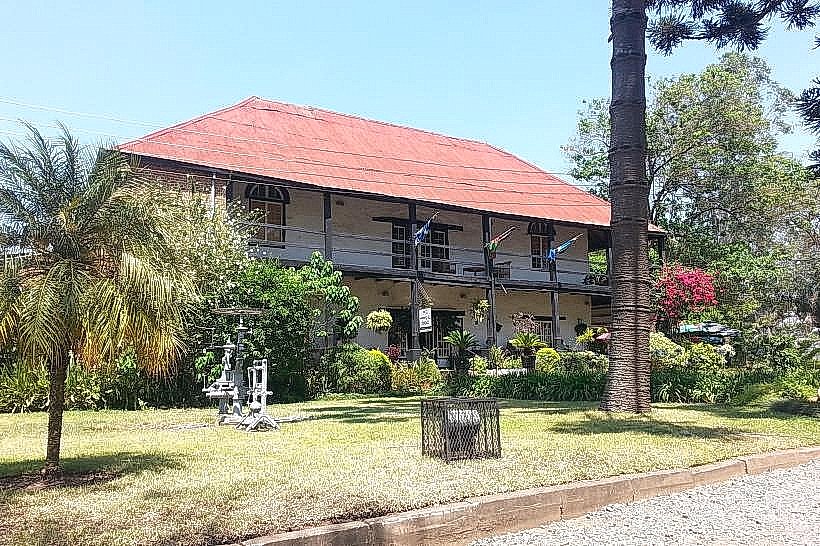
Mandala Manager's House (La Caverna)
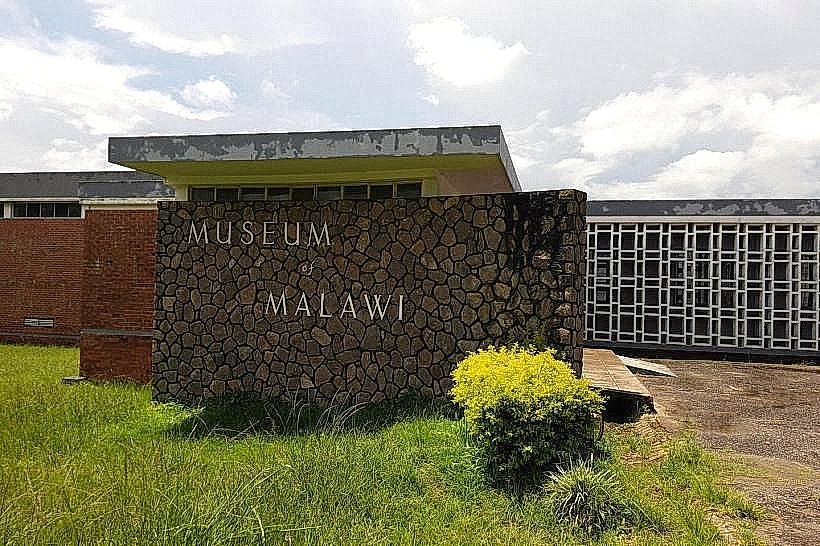
Chichiri Museum (Museum of Malawi)
Kamuzu Stadium
Civic Centre Complex
Transportation Network
Internal movement depends entirely on road infrastructure as there are no active municipal passenger rail lines or tram systems. Public transit is managed via informal, fixed-route minibuses operating continuously between the central terminals in Blantyre and Limbe, though vehicles run without scheduled timetables and experience chronic overcrowding. Official registered taxis are painted with red license plates and do not utilize meters, requiring all fares to be established prior to departure. Digital ride-sharing apps are not widely deployed in the market. Traffic density is acute along the multi-lane Chipembere Highway connecting Blantyre and Limbe during standard morning and afternoon peak hours.
Safety & "Red Zones"
Blantyre is generally assessed as moderately secure during daylight hours, but nighttime pedestrian transit carries high risk. The central commercial sectors of Limbe and the corridors surrounding the Chichiri shopping mall are critical red zones to avoid after dark due to targeted muggings. Pickpocketing syndicates operate densely around the Limbe Market and the main minibus terminals. Common financial scams involve street vendors offering fraudulent diamond or mineral trades and illegal parallel-market currency exchanges.
Digital & Financial Infrastructure
The average fixed-line broadband internet speed ranges from 5 to 10 Mbps, whereas 4G LTE cellular data services provide higher stability and performance. The primary mobile network operators are Airtel Malawi and TNM (Telekom Networks Malawi). Credit card acceptance remains low across the city, limited almost exclusively to major international hotels, airline offices, and corporate grocery retailers like Shoprite; cash remains the baseline requirement for daily commercial activity. ATMs are widely accessible at major banking branches in the Blantyre Central Business District and Chichiri Mall, though regional power grid failures can disrupt their functionality.
Climate & Air Quality
Blantyre experiences a tropical highland climate characterized by three distinct seasonal periods. The cool, dry season spans from May to August with daytime temperatures averaging 21°C and dropping to 8°C at night. The hot, dry season follows from September to October, where temperatures maximize between 28°C and 32°C. The wet season occurs from November to April, characterized by high humidity and heavy rainfall. Air quality is fair but deteriorates markedly during the late dry season due to high particulate matter from wood-burning cookstoves and industrial processing emissions in Limbe.
Culture & Social Norms
The local culture is deeply rooted in conservative social traditions. Conservative dress is highly recommended; clothing that exposes the knees or shoulders is generally viewed unfavorably in traditional markets and business districts. The standard physical greeting is a formal handshake, and it is customary to place the left hand under the right forearm to signal respect during the interaction. Tipping is not a customary obligation in domestic establishments, though a 10% gratuity is standard practice in international restaurants. Public intoxication outside licensed establishments is illegal, and smoking is strictly regulated in enclosed public facilities.
Accommodation Zones
Sunnyside / Namiwawa: Recommended for logistical proximity to corporate offices, security infrastructure, and premium international restaurants.
Chichiri / Central Blantyre: Recommended for rapid walking access to the financial district, shopping centers, and central transport hubs.
Local Cost Index
1 Espresso: 3600 MWK ($2.05 USD)
1 Standard Lunch: 8800 MWK ($5.05 USD)
1 Minibus Ticket: 1600 MWK ($0.90 USD)
Nearby Day Trips
Zomba Plateau: Located 70 kilometers northeast, featuring high-altitude evergreen forests, trout dams, and viewpoints accessible via a 1.5-hour drive.
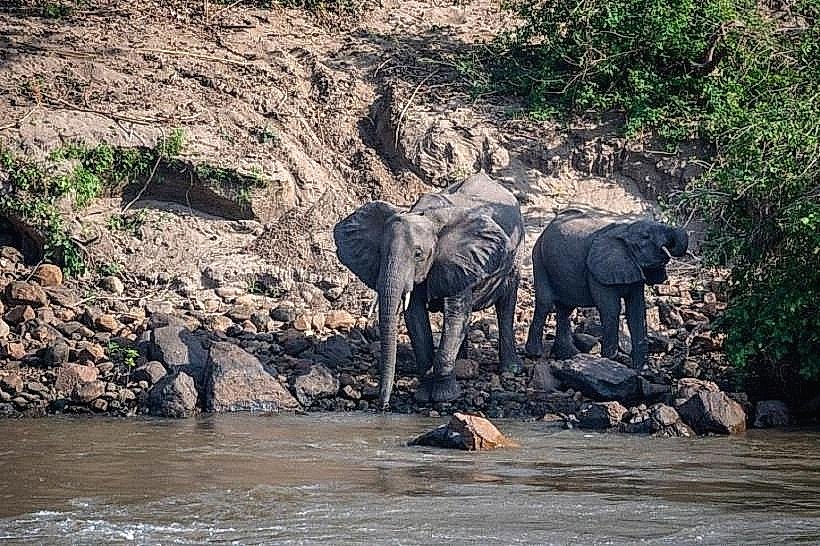
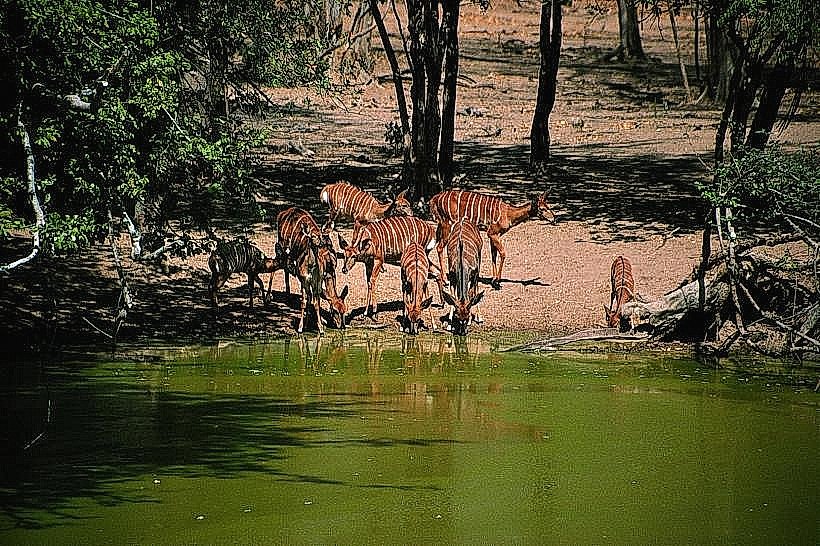
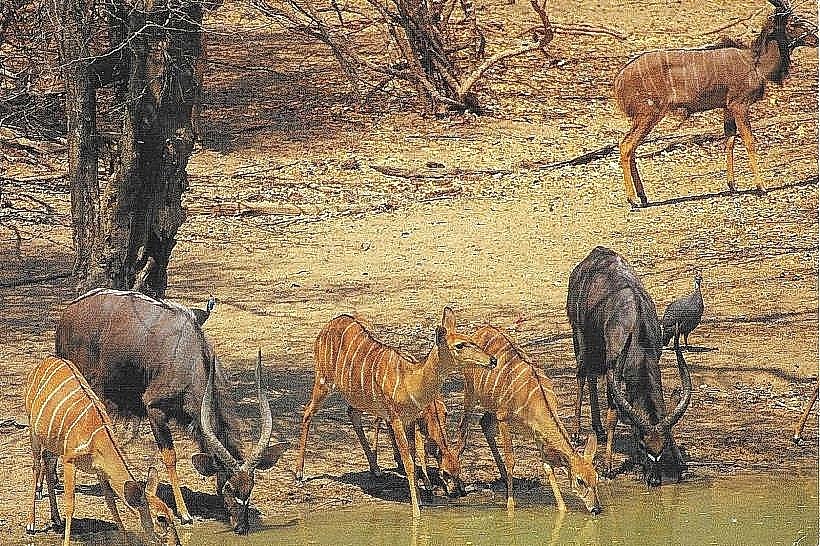
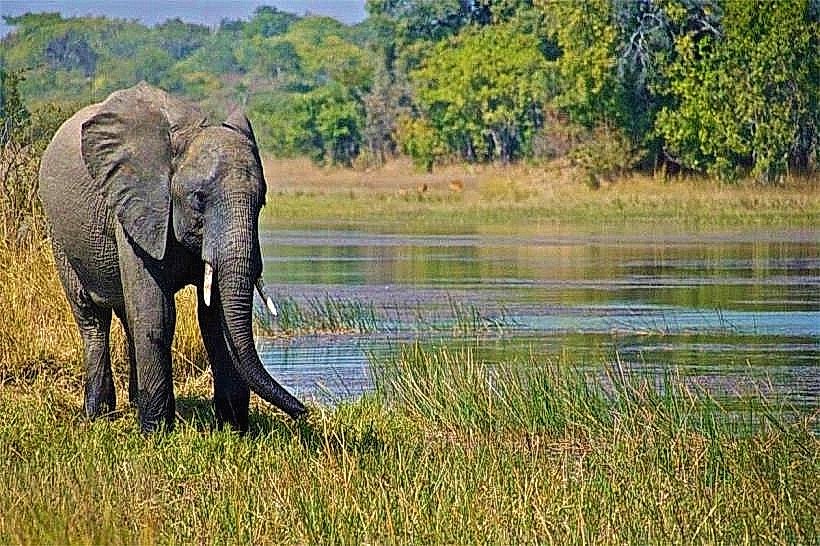
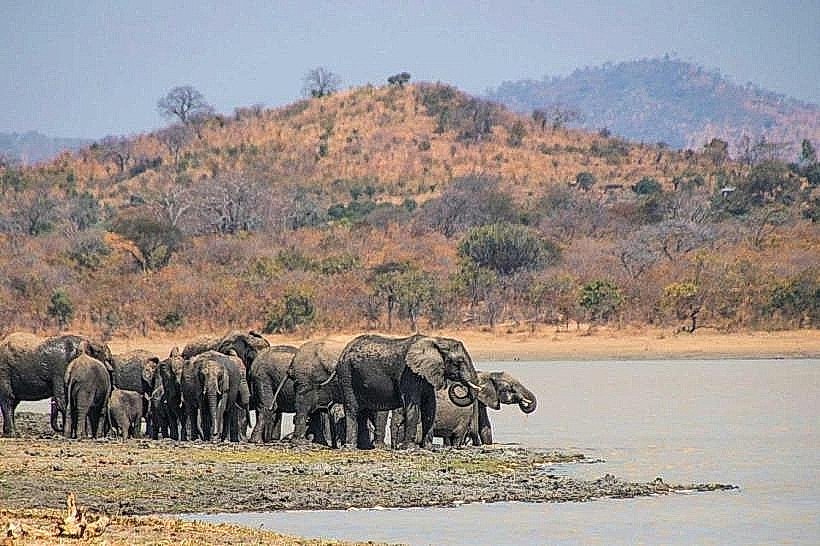
Majete Wildlife Reserve: Located 60 kilometers southwest in the Shire Valley, offering big-game viewing within a 1.5-hour drive.
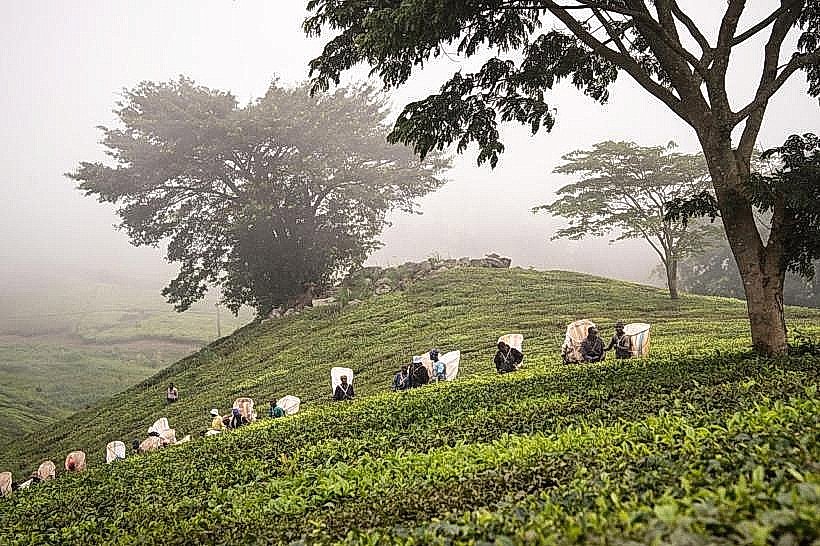
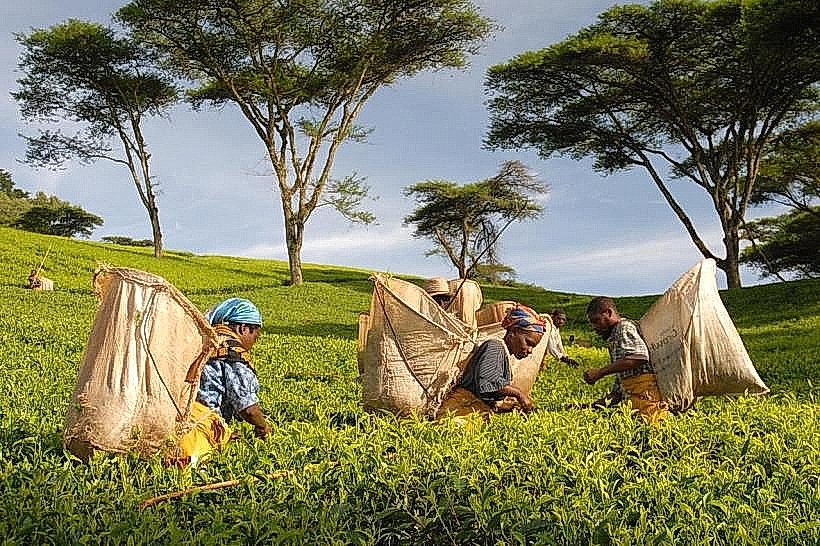
Thyolo Tea Estates: Located 40 kilometers southeast, providing access to colonial-era agricultural infrastructure and hiking trails within a 1-hour drive.
Facts & Legends
Local oral history dictates that the prominent Ndirande Mountain, which overlooks the city, is guarded by ancestral spirits that manifest as sudden, unseasonal weather shifts or dense mist banks to deter unauthorized individuals from ascending its peaks. A verified historical oddity relates to the construction of St. Michael and All Angels Church in 1891; the building was completely engineered and constructed by local workers using local clay bricks despite none of the builders having any formal training in architecture or masonry prior to the project.