Landmark: Satemwa Tea Estate
City: Blantyre
Country: Malawi
Continent: Africa
Satemwa Tea Estate, Blantyre, Malawi, Africa
Satemwa Tea Estate is a globally renowned, family-owned agricultural property and agri-tourism sanctuary covering approximately 900 hectares in the Shire Highlands. Positioned in the Thyolo District of Southern Malawi, it stands as the last remaining independent, original colonial-era tea estate in the nation that is not owned by an international agribusiness corporation.
Visual Characteristics
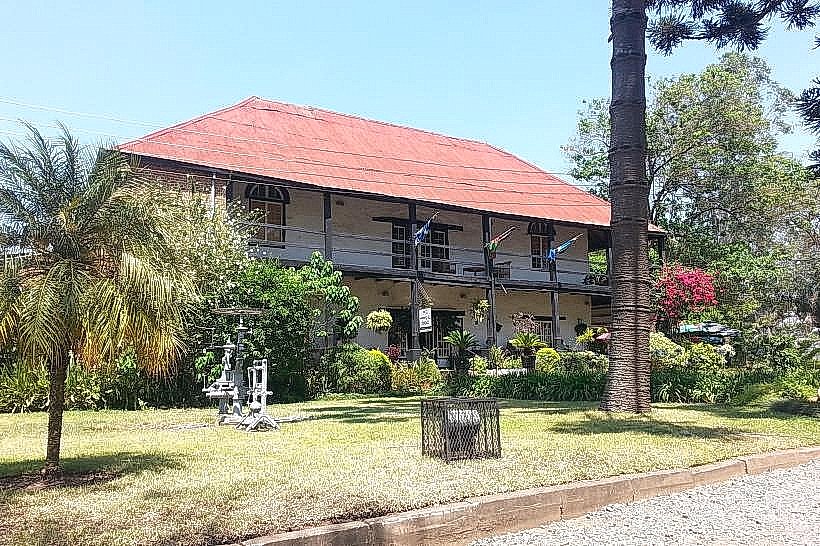
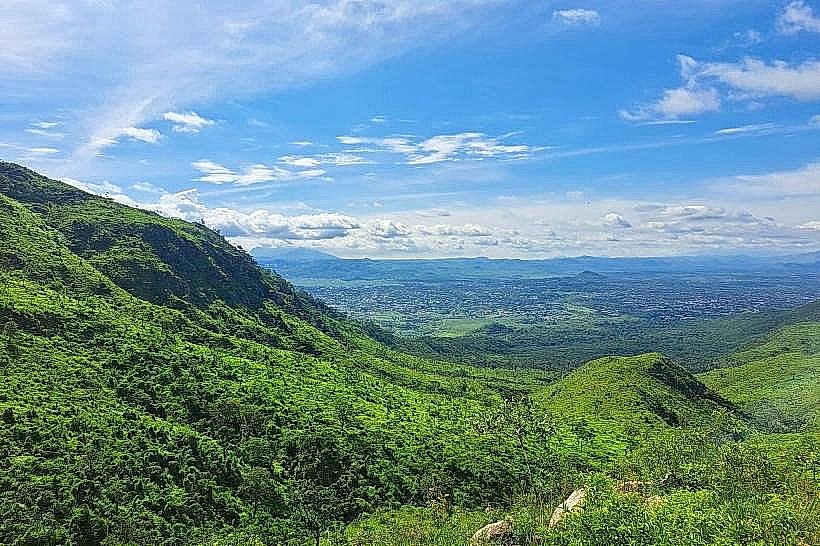
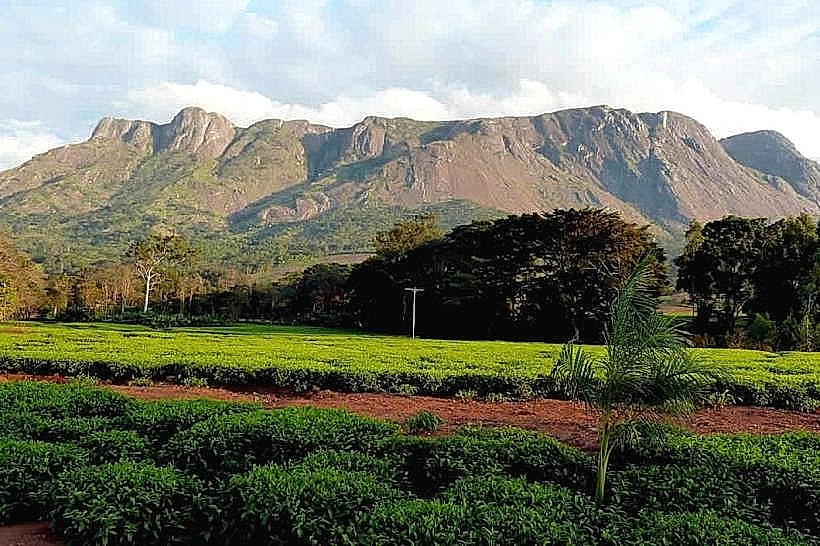
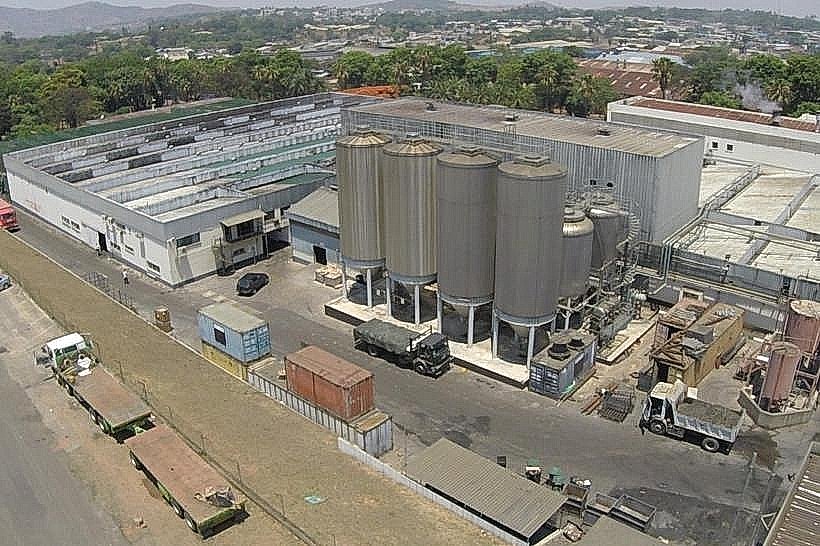
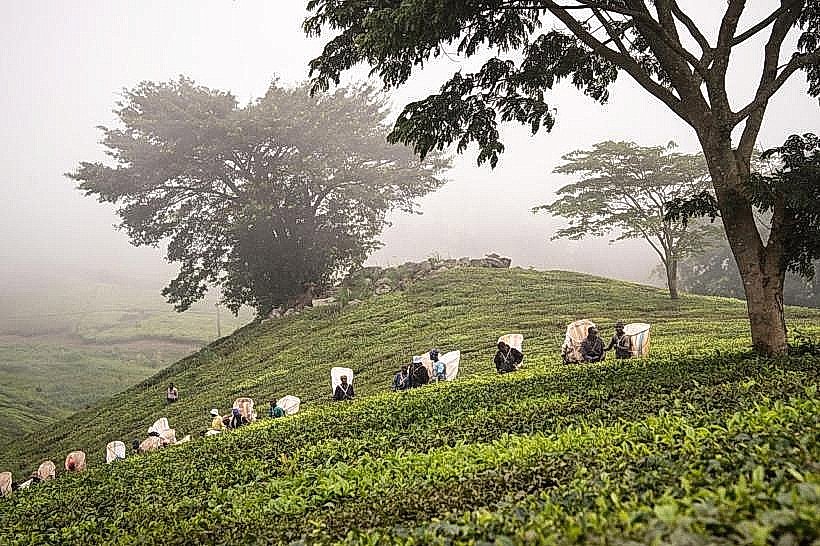
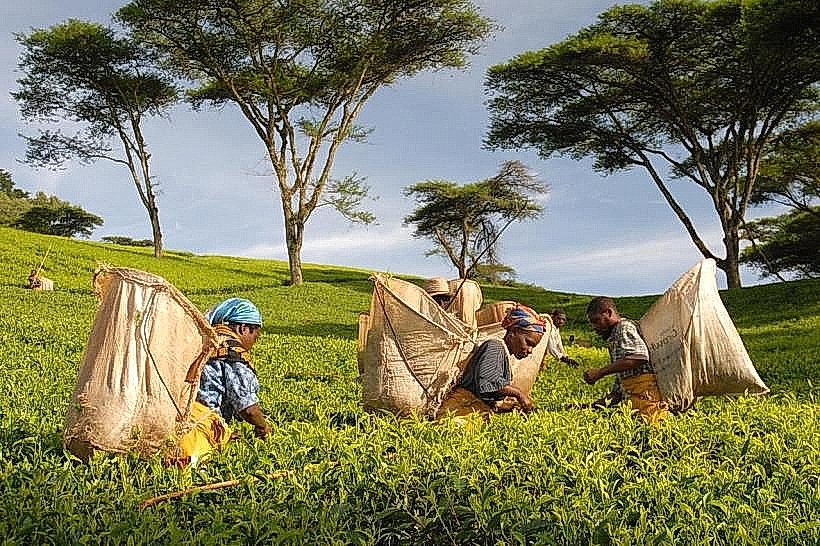
The landscape is characterized by rolling hills blanketed in expansive, contour-planted fields of Camellia sinensis (tea) bushes, giving the terrain the appearance of a sculptured green cushion. The monoculture is interspersed with shade trees, multi-layered windbreaks of blue gum, and protected patches of ancient afromontane rainforest. The agricultural infrastructure is anchored by a massive 1937 brick factory complex featuring large metallic drying chimneys and wide multi-story withering bays. The estate includes manicured residential compounds featuring old British-colonial stonework bungalows, expansive lawns, and 105 miles of interconnected gravel and red clay service paths cutting through fields of tea and Arabica coffee orchards.
Location & Access Logistics
Satemwa is situated roughly 5 kilometers from Thyolo boma and 30 kilometers southeast of Limbe. Private vehicles approach the estate via the paved M12 (Limbe-Thyolo) highway, taking the designated Satemwa turnoff and proceeding along 2 kilometers of well-maintained gravel road directly to the main security gates. Secure, brick-paved parking clearings are situated at the central factory site and individual estate lodges. Public transit passengers can board a minibus at the Limbe terminal bound for Thyolo or Mulanje, disembark at the Satemwa junction on the M12, and complete the final 2-kilometer transit to the estate offices via a localized motorcycle taxi.
Historical & Ecological Origin
The estate was established in 1923 by Maclean Kay, a Scottish immigrant and former rubber planter who arrived from Malaya. Kay planted the first tea fields in 1926 utilizing nurseries grown from Camellia sinensis var. assamica seeds imported directly from India. The asset passed down through generations of the Cathcart Kay family and is currently managed by the founder's grandson, Alexander Kay. Structurally positioned at an altitude gradient between 1,000 and 1,200 meters above sea level, the estate utilizes fertile volcanic topsoils and a distinct microclimate created by orographic precipitation flowing from the nearby Mount Mulanje massif. The property serves as a vital ecological corridor, protecting native habitats that shelter the endangered Chamaetylas choloensis (Thyolo alethe), one of the rarest montane birds in Southern Africa.
Key Highlights & Activities
Professional tea masterclasses conducted by specialized tea blenders represent the primary intellectual activity, allowing visitors to evaluate up to 27 distinct varieties of green, white, oolong, dark, and artisanal orthodox teas-including globally recognized signature varieties like "Zomba Pearls," "Thyolo Moto," and "Satemwa Antlers." Visitors can complete structured, guide-led factory tours to observe the mechanical withering, rolling, oxidation, and firing steps within the 1937 industrial facility. The estate paths accommodate extensive mountain biking and hiking loops up to the nearby Thyolo Rock vantage point. Seasonal coffee tracking walks operate through the Arabica plots to observe manual hand-sorting and sun-drying procedures executed from June to September.
Infrastructure & Amenities
High-end hospitality infrastructure is anchored by Huntingdon House, the original 1935 family residence meticulously restored into a boutique luxury lodge featuring fine dining facilities, manicured gardens, and permanent modern restroom blocks. Budget-focused self-catering accommodation is available at Chawani Bungalow, a classic former tea planter's house positioned directly within the active fields. Stable 4G cellular telecommunications network coverage blankets the central factory, administrative buildings, and residential quarters, though 5G infrastructure remains unavailable. The estate incorporates highly developed social infrastructure, including a dedicated staff medical clinic, community housing blocks, and the Satemwa Primary School, which provides subsidized education for approximately 900 local children.
Best Time to Visit
The optimal period for landscape photography, trail tracking, and mild outdoor temperatures occurs during the dry winter season from May to August, when ambient afternoon temperatures range comfortably between 15 and 22 degrees Celsius. The peak tea harvesting and processing window corresponds with the wet summer season from December to May, when rapid plant growth requires field crews to harvest the top leaves every seven days, transforming the processing factory into a high-intensity, continuous industrial operation.
Facts & Legends
The oldest structural tea field on the estate, planted by Maclean Kay in 1926, is deliberately preserved as an active "museum stand" that remains one of the highest-yielding agricultural plots on the entire property due to the deep, century-old root networks of the original bushes. In 2007, Satemwa secured historical positioning as the first tea estate in Malawi to achieve formal Fairtrade certification. The estate has a long history of institutional structural reform aimed at promoting gender equality; it pioneered the introduction of specialized "scissors plucking" techniques in the mid-twentieth century specifically to incorporate women into the skilled agricultural labor force, and currently mandates dedicated nursery facilities and extended maternity packages for its female workforce.
Nearby Landmarks
Satemwa Industrial Processing Factory – 0.1km East
Huntingdon House Historic Lodge – 0.4km South
Chawani Planters Bungalow – 1.5km Northwest
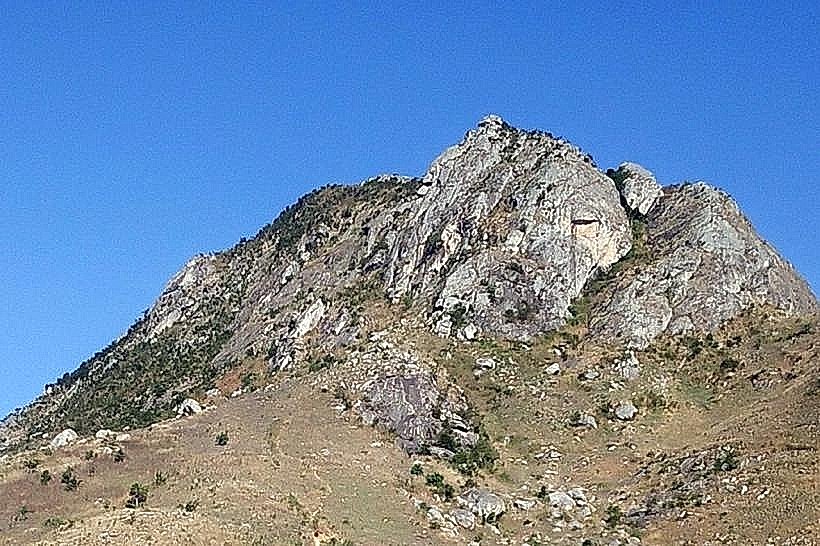
Thyolo Mountain Forest Reserve – 3.2km Southwest
Mount Mulanje Massif Western Base – 42.0km East