Landmark: Abene Cultural Center
City: Ziguinchor
Country: Senegal
Continent: Africa
Abene Cultural Center, Ziguinchor, Senegal, Africa
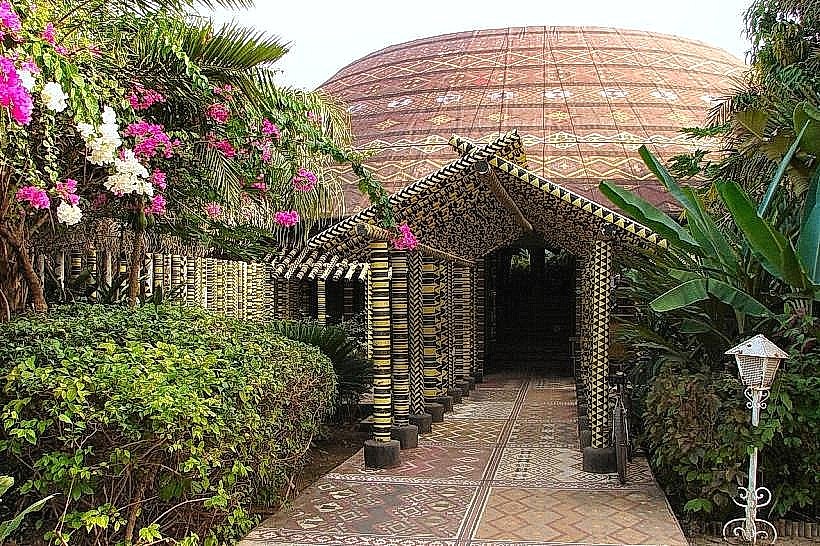
The Abene Cultural Center, also known as CASA (Centre Artistique Sociocultural Abéné), is an educational and artistic hub located in the coastal village of Abéné in the Casamance region of Senegal. It serves as a primary venue for the study and performance of West African music, dance, and traditional crafts.
Visual Characteristics
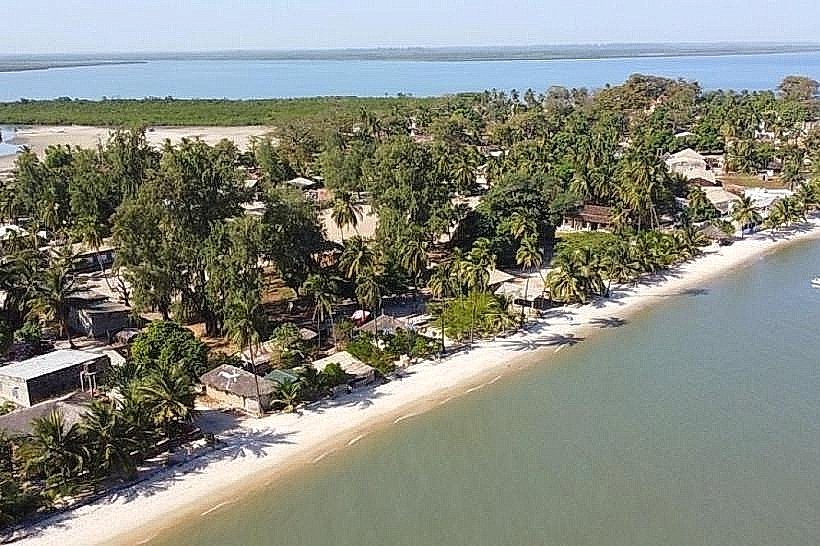
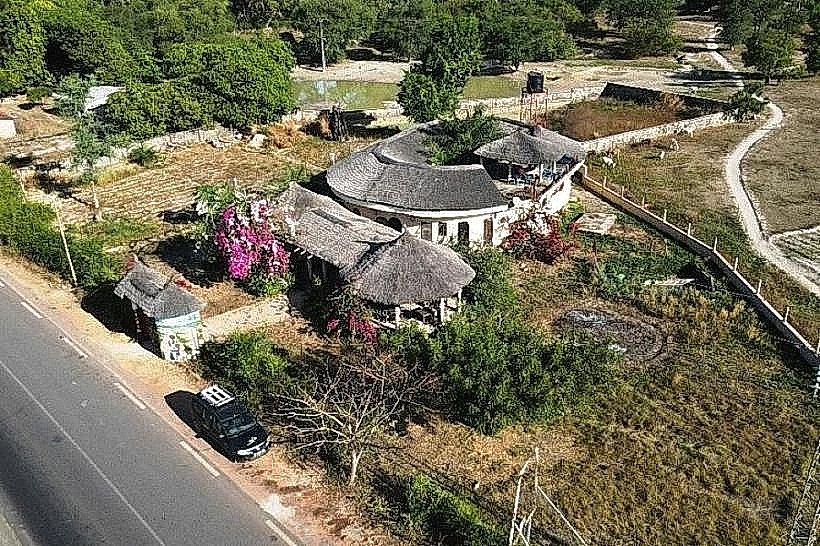
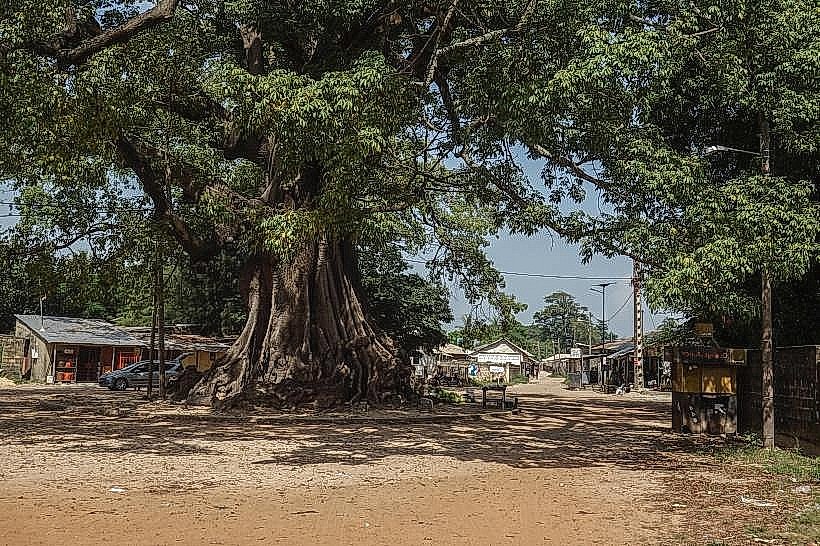
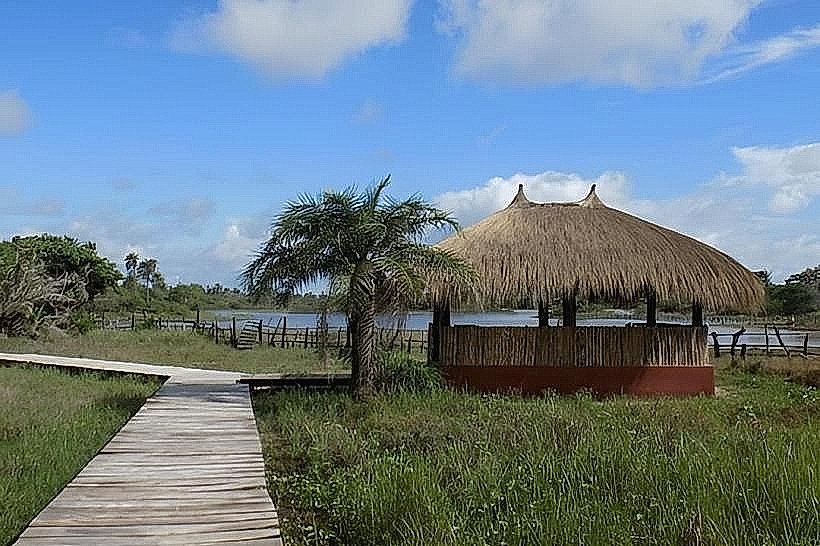
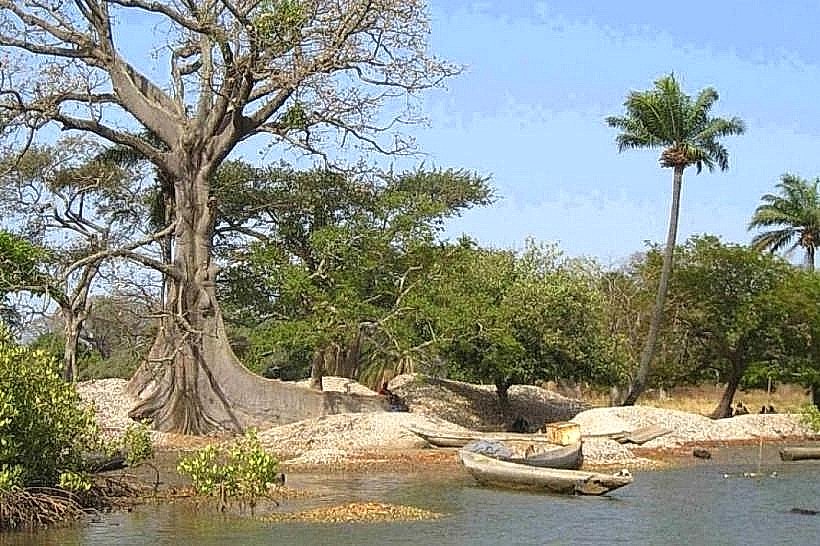
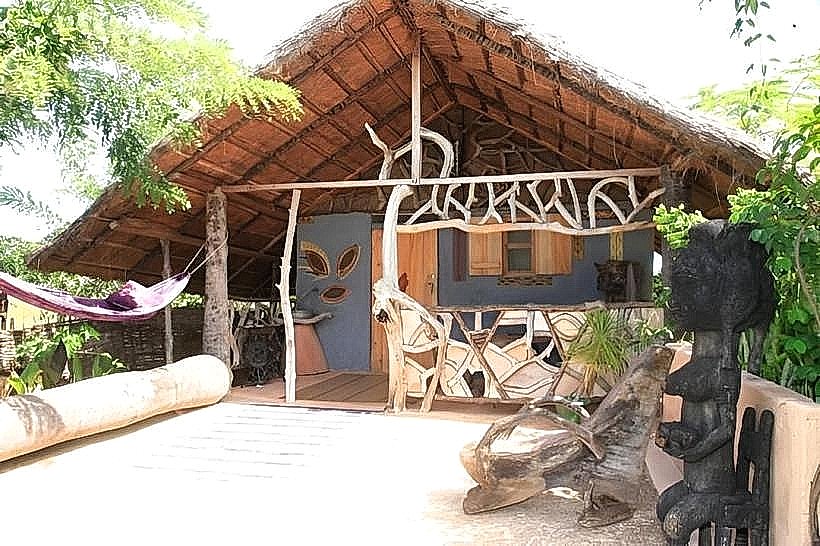
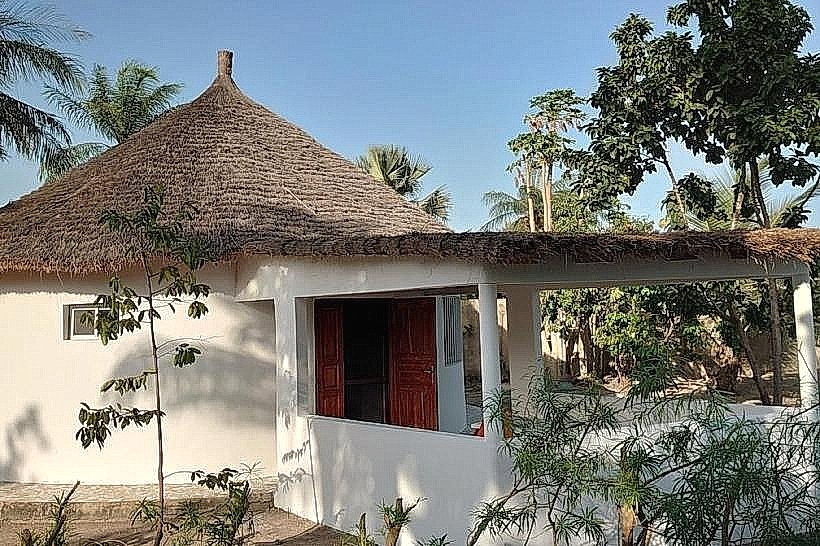
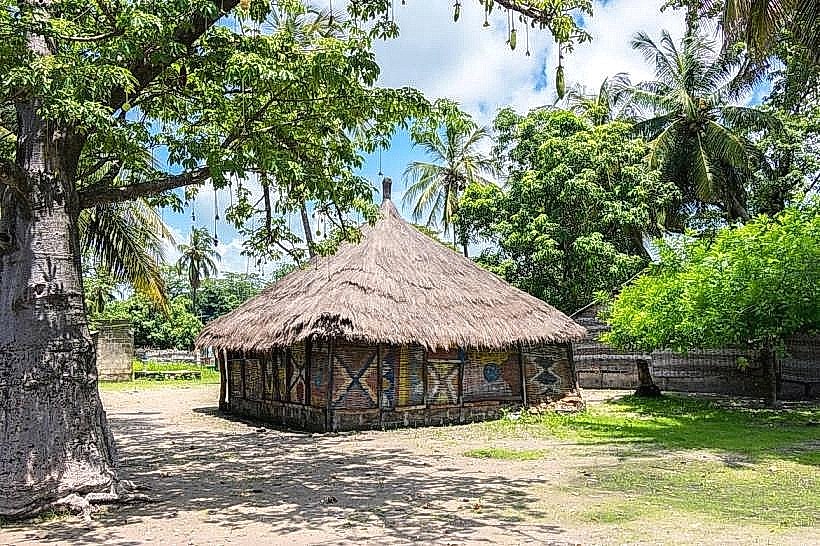
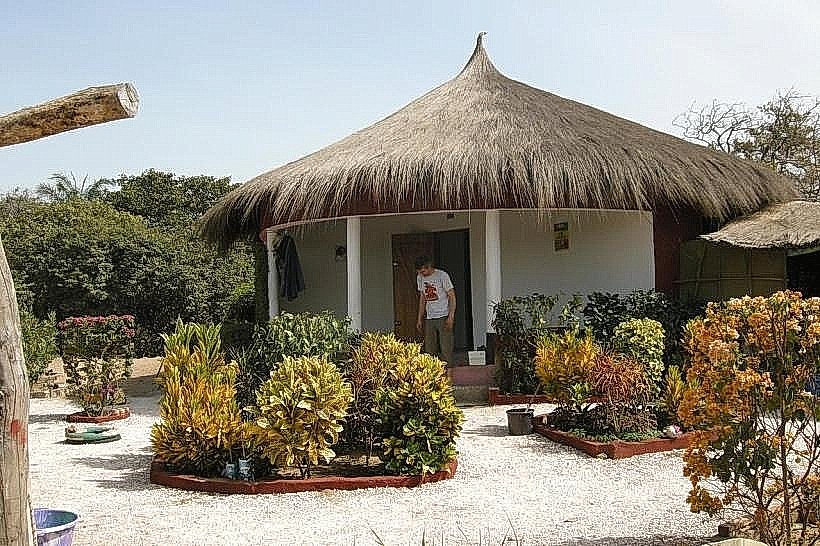
The center consists of multiple circular and rectangular earthen structures built from sun-dried mud bricks and topped with steeply pitched thatched roofs. The site is integrated into a landscape of mature oil palms and ancient Fromager (Kapok) trees, featuring open-air performance stages made of packed earth and concrete. Interior spaces are designed with high ceilings and natural ventilation to accommodate large groups during rehearsal sessions.
Location & Access Logistics
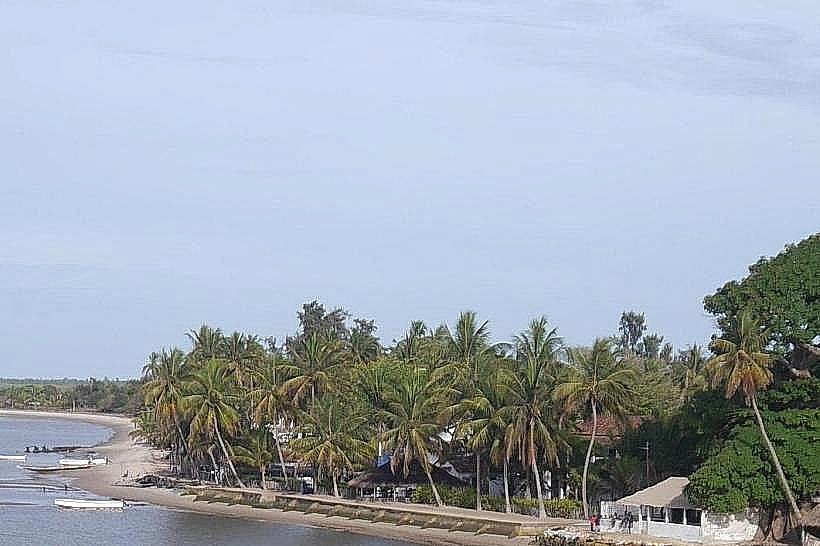
The facility is situated near the Atlantic coastline in the village of Abéné, approximately 6km north of Kafountine. Access from Ziguinchor is via the N4 highway and the R550 road; once in Abéné, the center is reached via unpaved sandy tracks. Local transit is provided by "clando" taxis and motorcycle taxis, and most visitors arrive on foot from nearby village accommodations as there is no formal parking infrastructure.
Historical & Ecological Origin
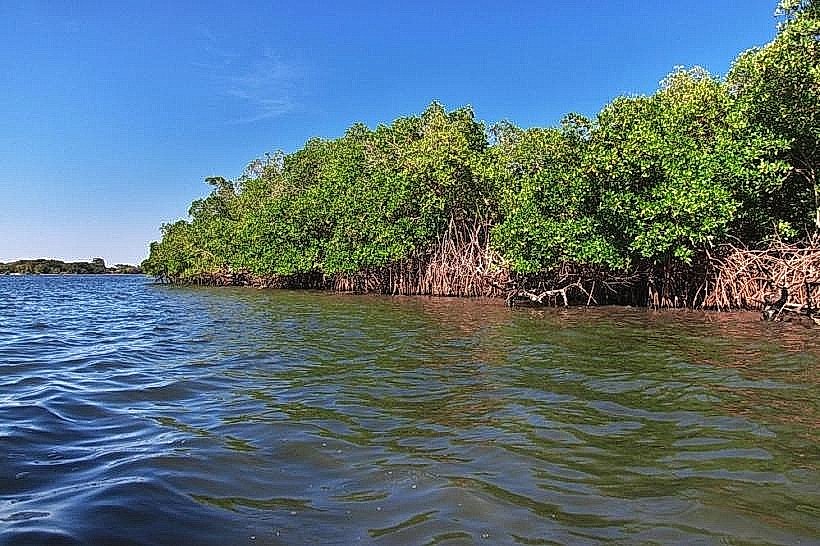
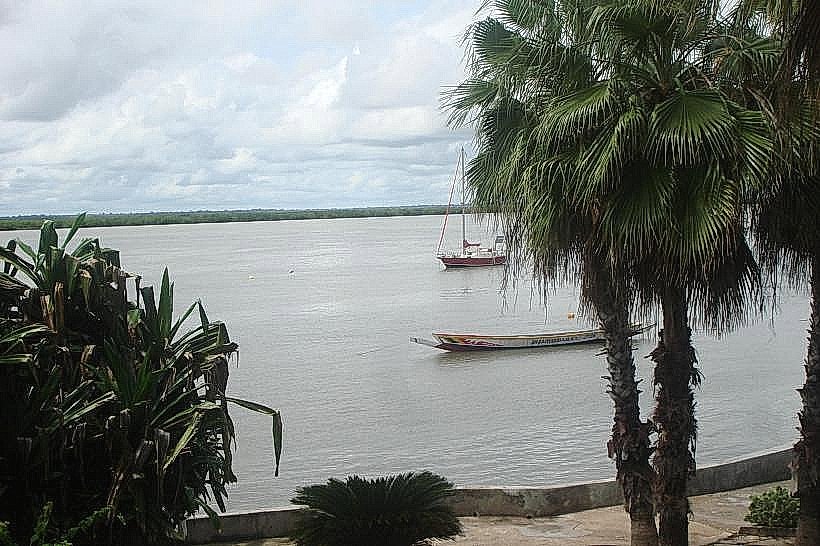
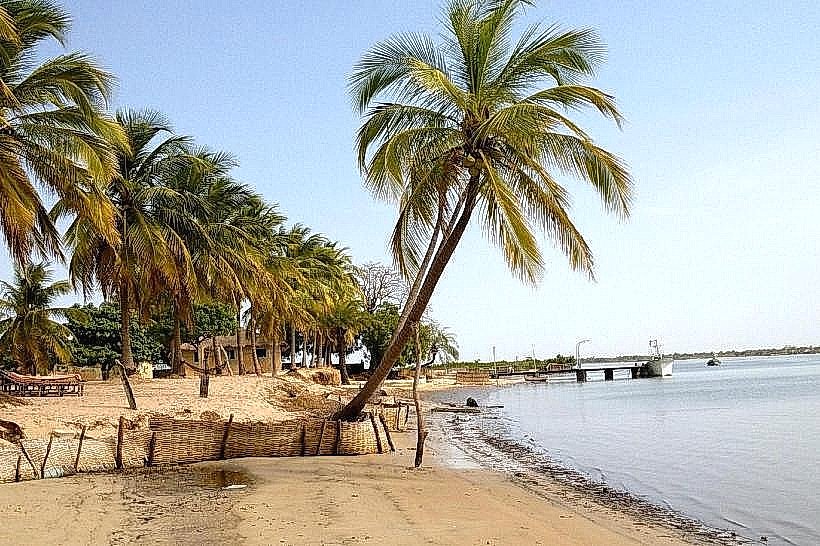
Established to preserve the rhythmic and oral traditions of the Jola and Mandinka people, the center has become a focal point for the annual Abéné Festival. Ecologically, it occupies a maritime-terrestrial transitional zone characterized by sandy soil and tropical savannah vegetation. The buildings utilize local ecological materials-clay, palm wood, and straw-to maintain a low thermal and environmental footprint.
Key Highlights & Activities
The center hosts intensive daily workshops in Djembe drumming, Sabar dance, and traditional kora music. During the annual Abéné Festival des Arts, it serves as the primary stage for international and local musical performances. Additional activities include guided demonstrations of traditional woodcarving, textile dyeing, and Jola language exchange for visiting researchers and artists.
Infrastructure & Amenities
Infrastructure is functional and rugged, relying on solar-powered lighting and basic plumbing systems. Facilities include communal outdoor dining areas, simple dormitory-style rooms for workshop participants, and a central performance arena. 4G cellular signal is available throughout the compound, and natural shade is abundant due to the dense tree canopy covering the workshop zones.
Best Time to Visit
The peak period for activity is late December through early January during the Abéné Festival. For regular workshops, the dry season from November to May is optimal for transit and outdoor rehearsals. Morning sessions (09:00–12:00) are the most active for technical music instruction, while late afternoon is preferred for communal dance rehearsals and photography.
Facts & Legends
The center is built near several "sacred" Fromager trees that are believed by local residents to be the ancestral guardians of the village's creative energy. A unique logistical feature is that many of the drums used at the center are carved from trees felled within the region, and each instrument is traditionally consecrated before being used in the festival's opening ceremonies.
Nearby Landmarks
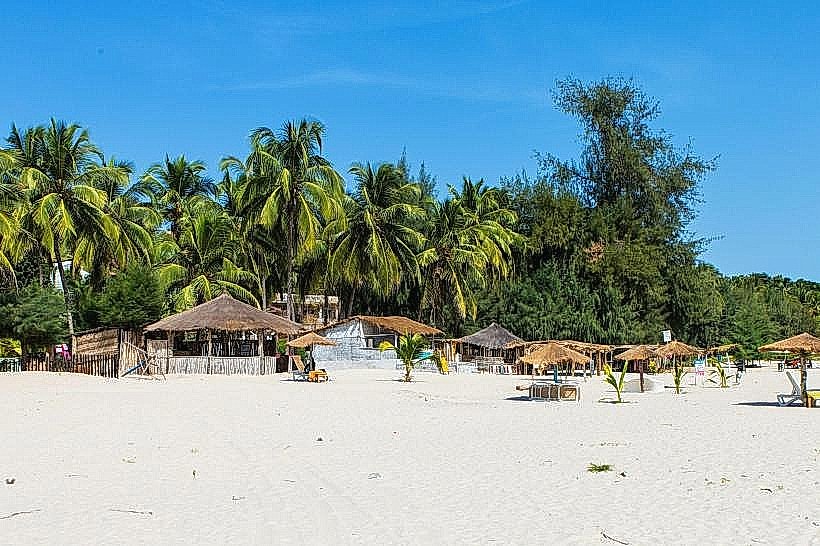
Abéné Beach (0.4km West)
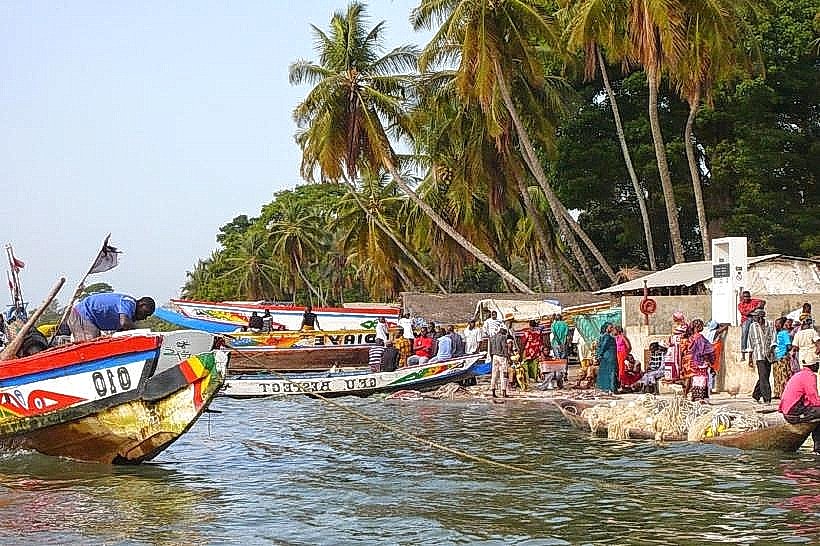
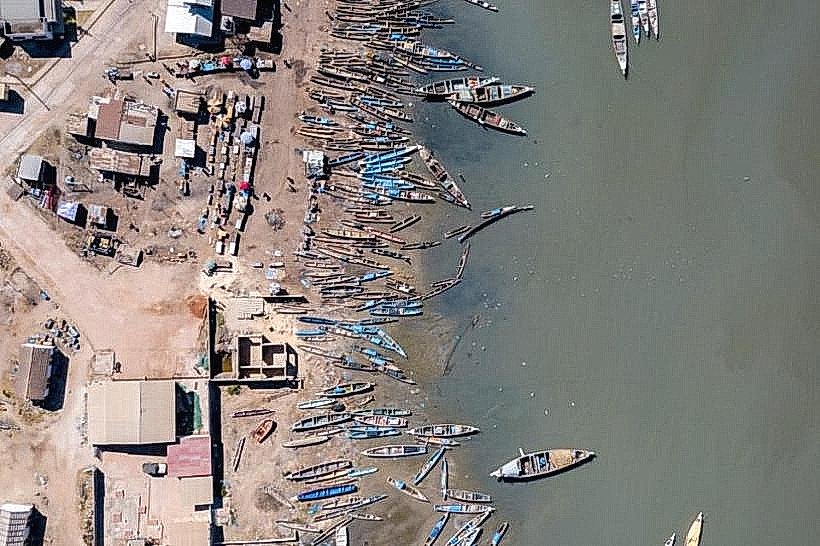
Kafountine Fishing Port (6.5km South)
Abéné Sacred Fromager Grove (0.6km East)
Kabadio Village (5.5km North)