Landmark: Nioumoune Island
City: Ziguinchor
Country: Senegal
Continent: Africa
Nioumoune Island, Ziguinchor, Senegal, Africa
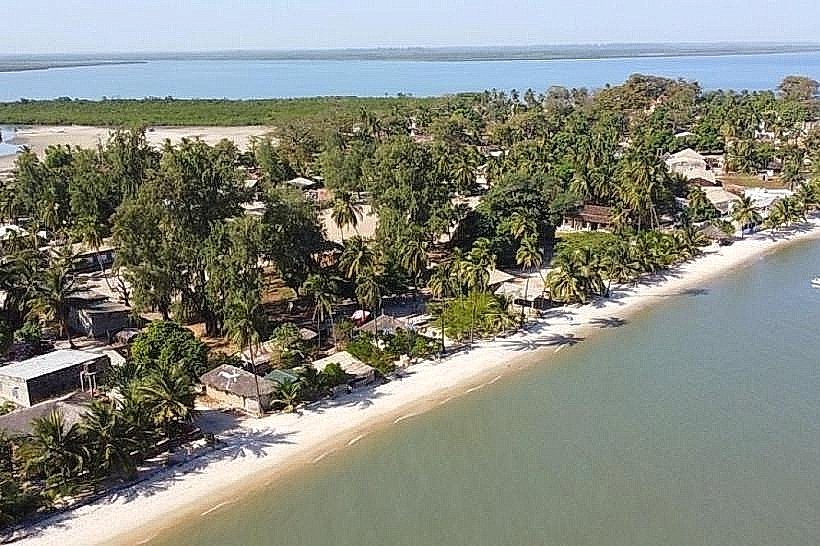
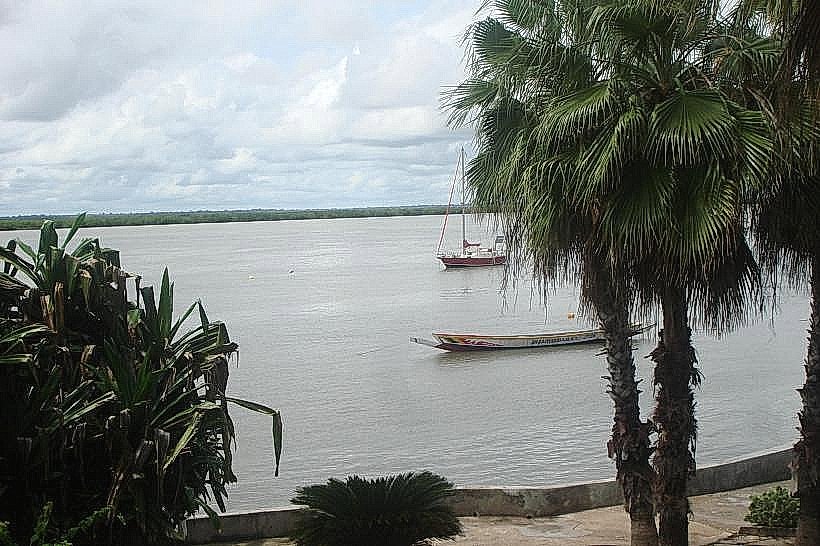
Nioumoune Island is a remote insular settlement located within the mangrove labyrinth of the Casamance River delta in southwestern Senegal. It is situated in the northern reaches of the estuary, approximately 30km northwest of the regional capital, Ziguinchor.
Visual Characteristics
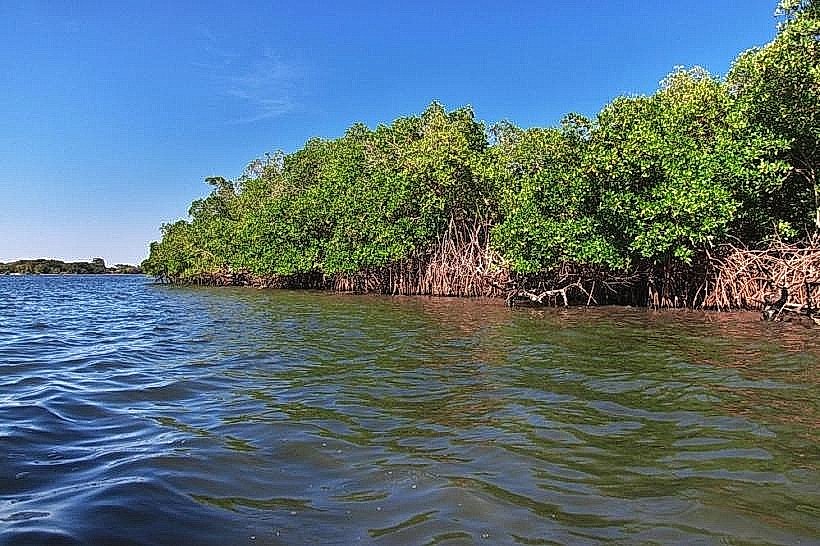
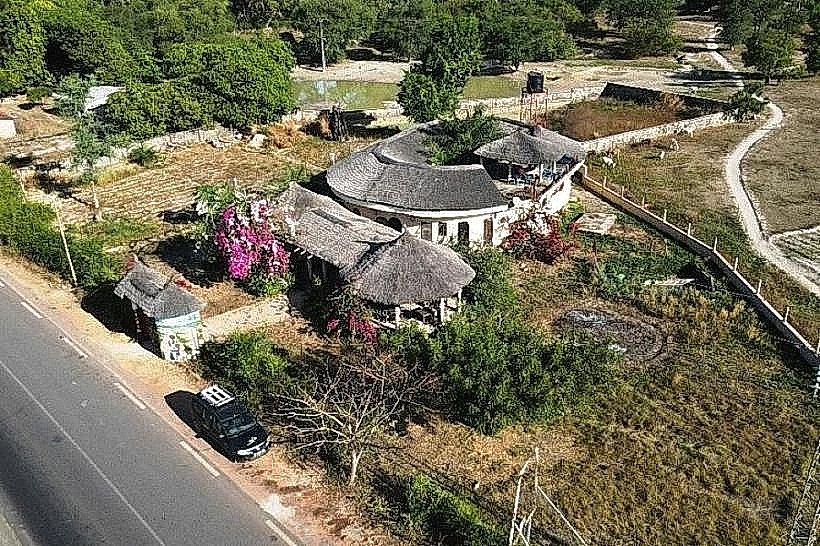
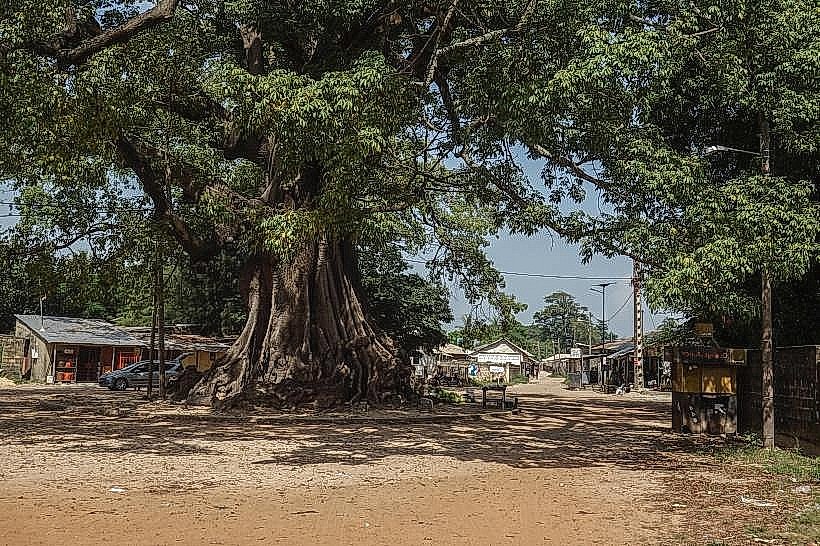
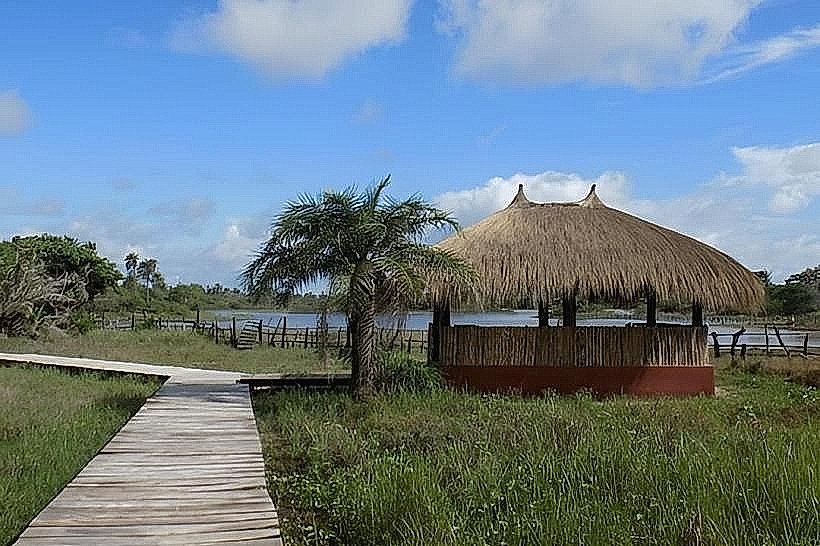
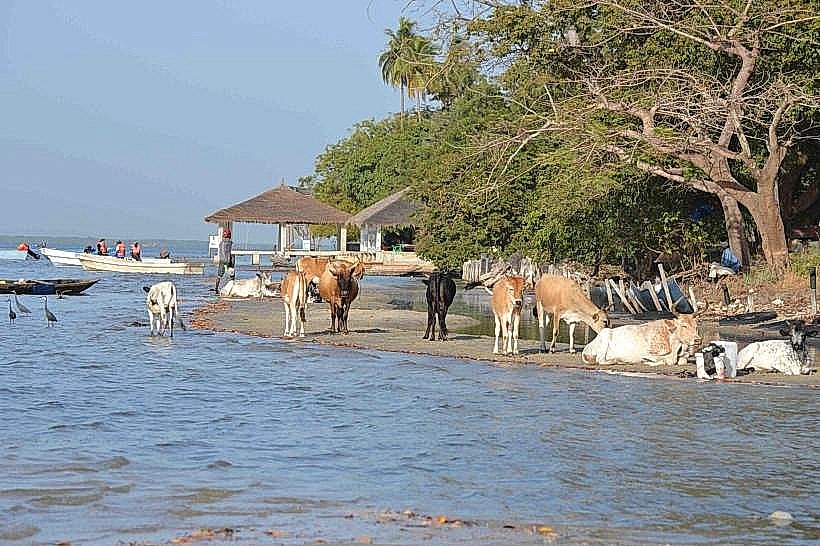
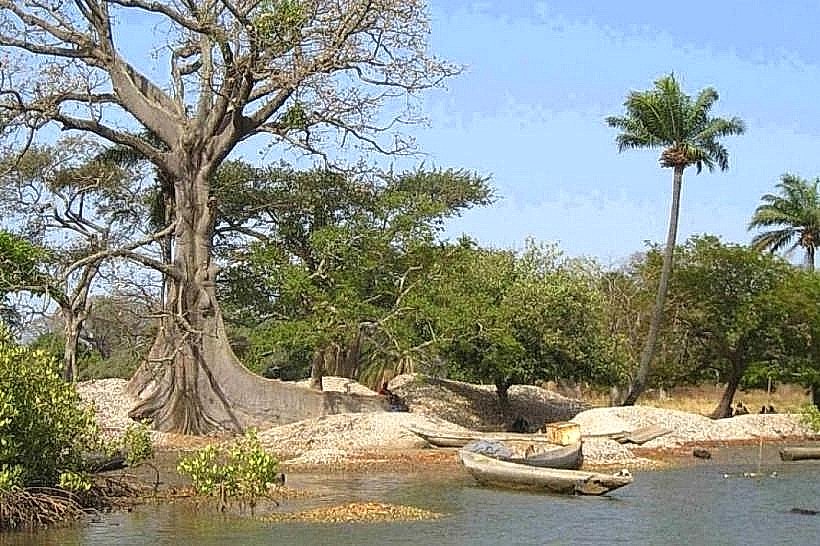
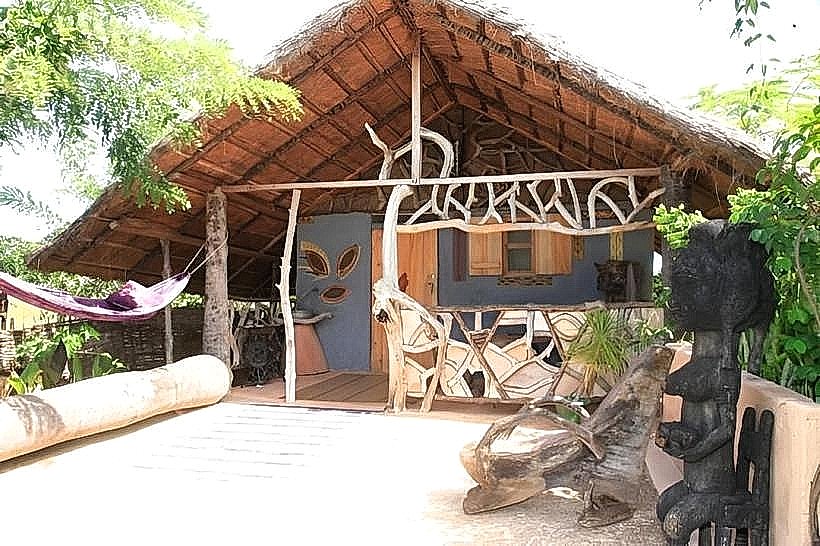
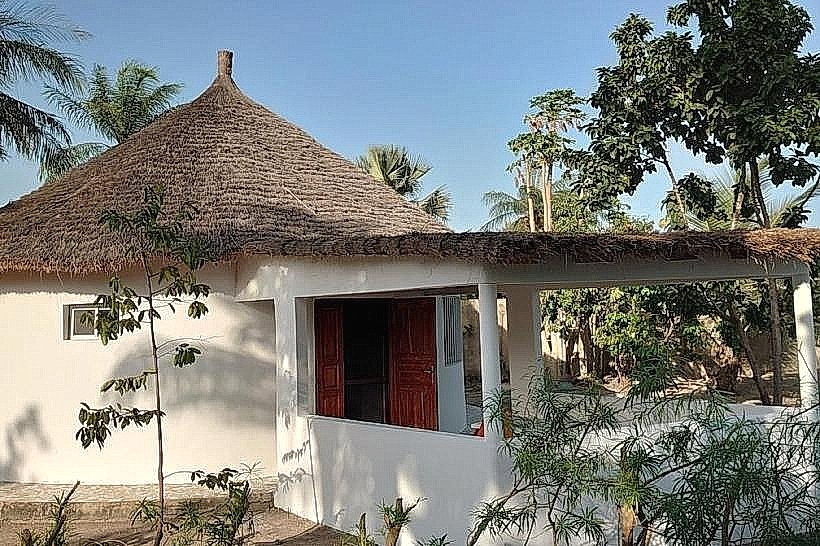
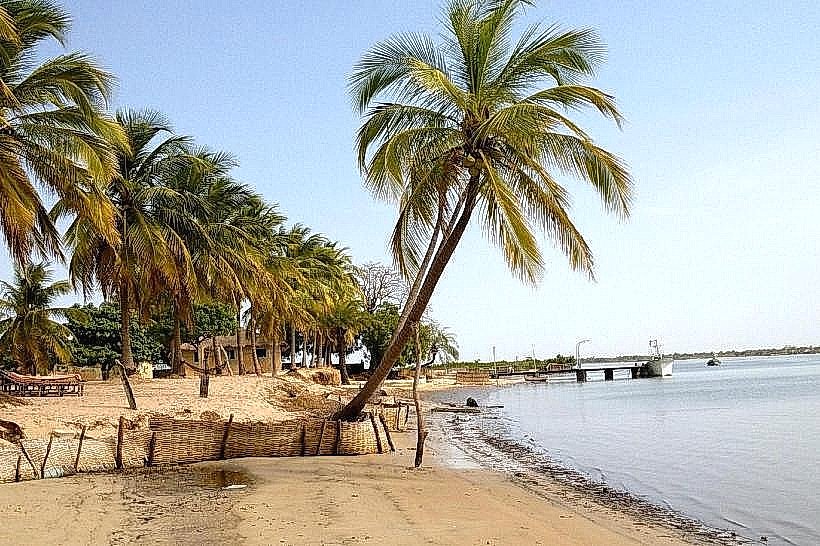
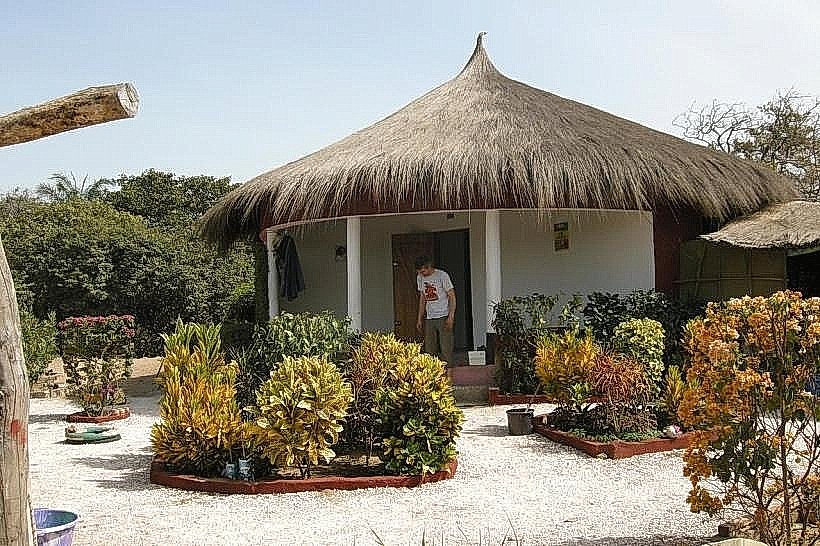
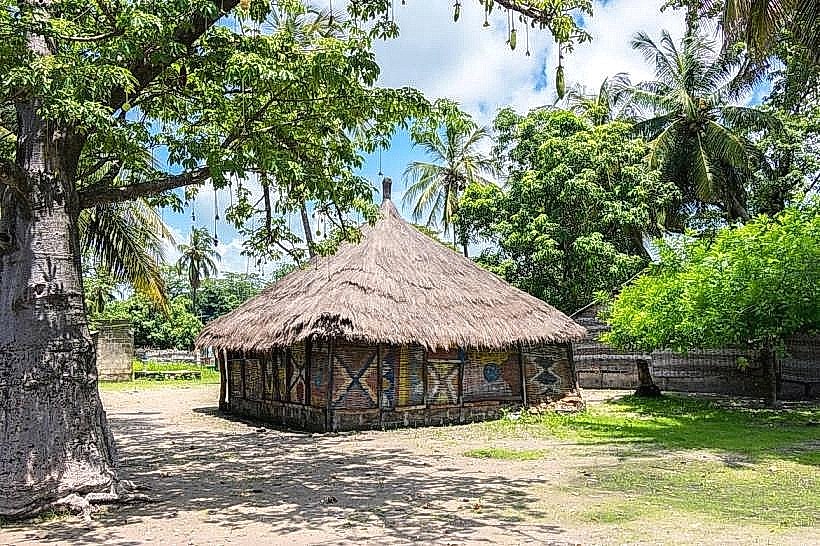
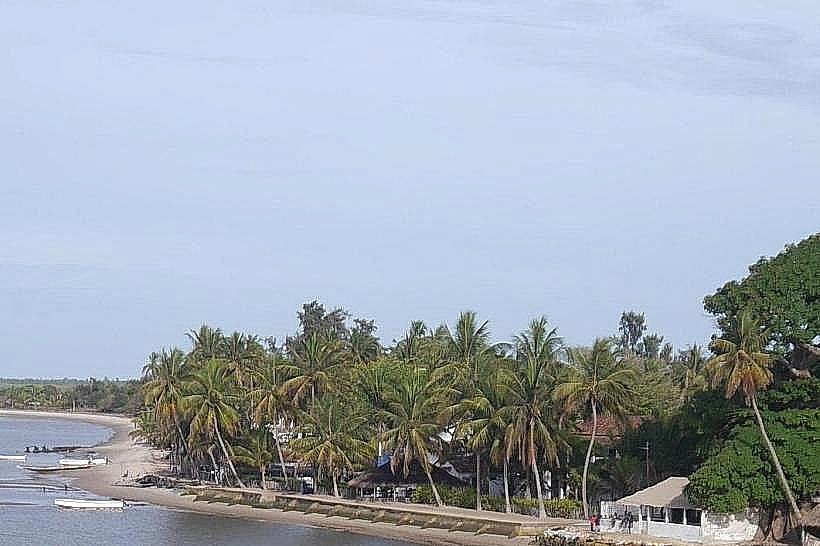
The island is characterized by a flat, low-lying topography dominated by expansive mudflats and dense mangrove forests (Rhizophora). The residential areas feature traditional Jola architecture, including large multi-family earthen dwellings with high, steeply pitched thatched roofs designed for ventilation. The interior of the island contains open sandy clearings and salt-crusted plains interspersed with clusters of oil palms and baobab trees.
Location & Access Logistics
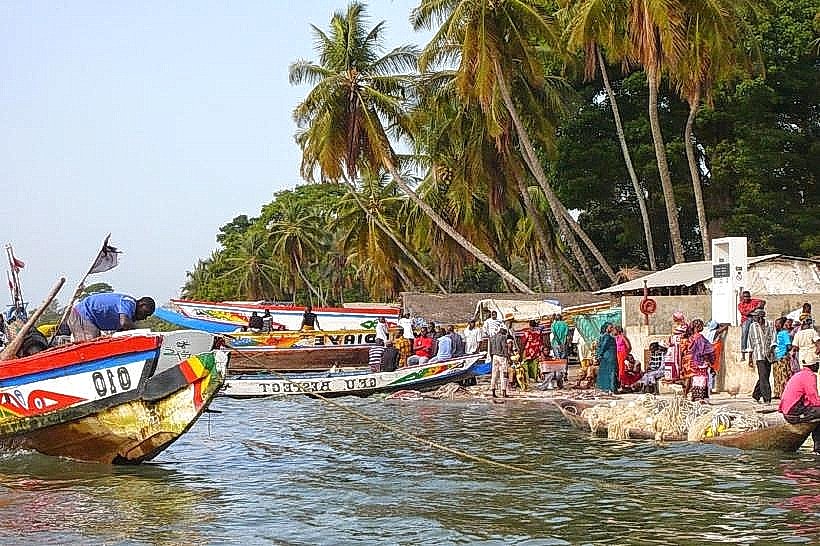
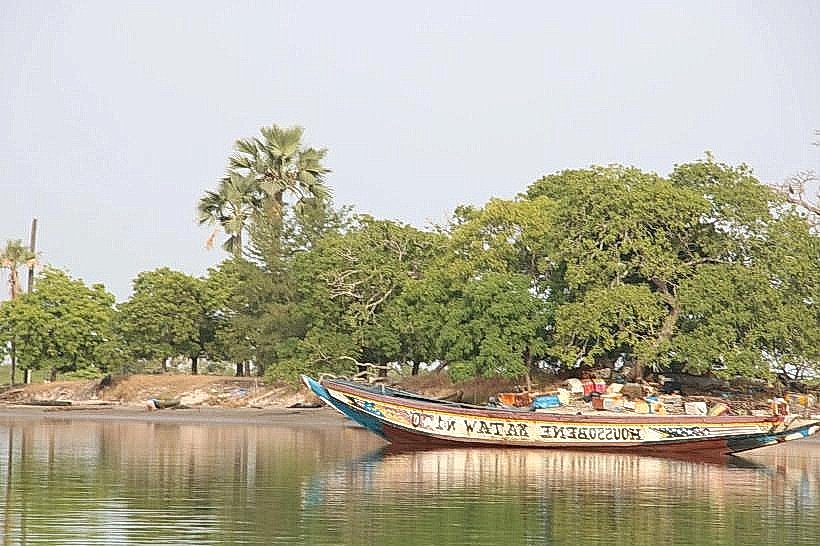
Access is exclusively via watercraft through the winding "bolongs" (saltwater creeks). Motorized pirogues depart irregularly from the docks at Ziguinchor or Kafountine, with travel times ranging from two to four hours depending on engine power and tidal conditions. There are no roads, vehicles, or bicycles on the island; all transit is conducted on foot via narrow dirt footpaths connecting the different village quarters.
Historical & Ecological Origin
Nioumoune is an ancient Jola settlement that has maintained traditional social structures due to its geographical isolation. Ecologically, it is a maritime fluvial island formed by silt deposits and stabilized by mangrove root systems. The surrounding ecosystem is a critical habitat for West African manatees and various species of saltwater crustaceans.
Key Highlights & Activities
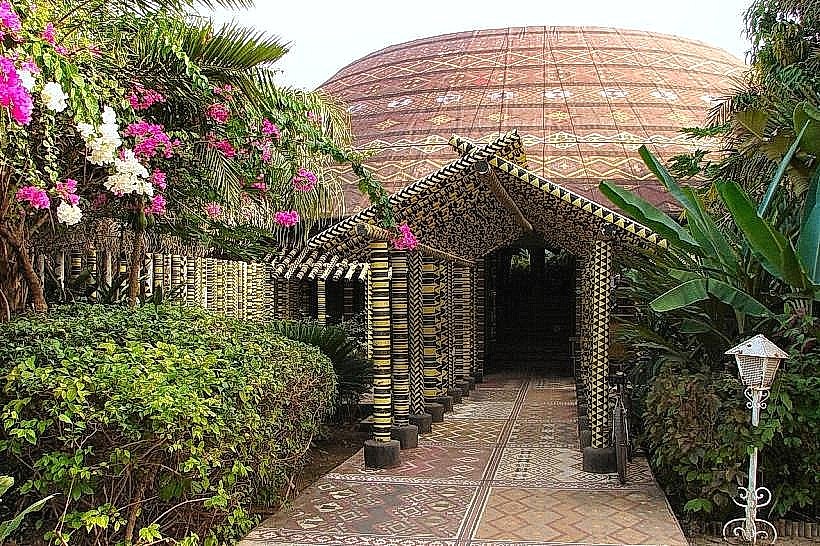
Guided walking tours focus on the traditional "cases à impluvium" (circular houses designed to catch rainwater). Birdwatching is a primary activity, with frequent sightings of pelicans, flamingos, and ospreys in the surrounding wetlands. Visitors can observe the traditional extraction of palm wine and the artisanal gathering of oysters from mangrove roots during low tide.
Infrastructure & Amenities
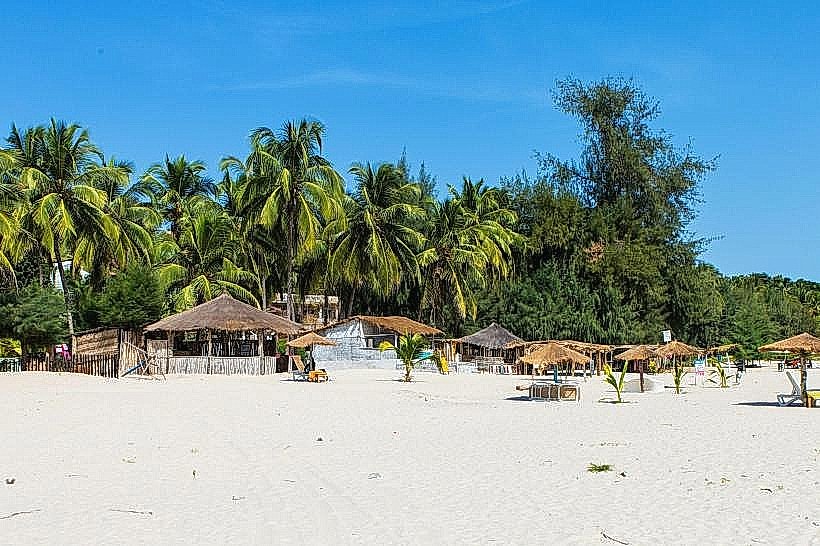
Infrastructure is minimal, with no connection to the national electricity grid; limited power is provided by private solar panels or small generators. There are no ATMs, formal medical clinics, or paved facilities. 4G cell phone signal is weak and inconsistent, often requiring proximity to the northern shoreline for reception. Small community-run "campements" provide basic lodging and traditional meals.
Best Time to Visit
The dry season from December to May is the most reliable time for travel to avoid heavy equatorial storms that make boat transit hazardous. High tide is logistically required for pirogues to reach the main village landing points without grounding in the mud. Early morning (06:00–08:00) is the best time for navigating the bolongs to observe wildlife activity.
Facts & Legends
Nioumoune is home to several "sacred forests" where traditional Jola animist rituals and initiations are still conducted; these areas are strictly off-limits to all outsiders. A local tip for visitors is to bring a high-powered flashlight and portable power banks, as the island plunges into total darkness after sunset with no communal street lighting.
Nearby Landmarks
Carabane Island (12.0km Southwest)
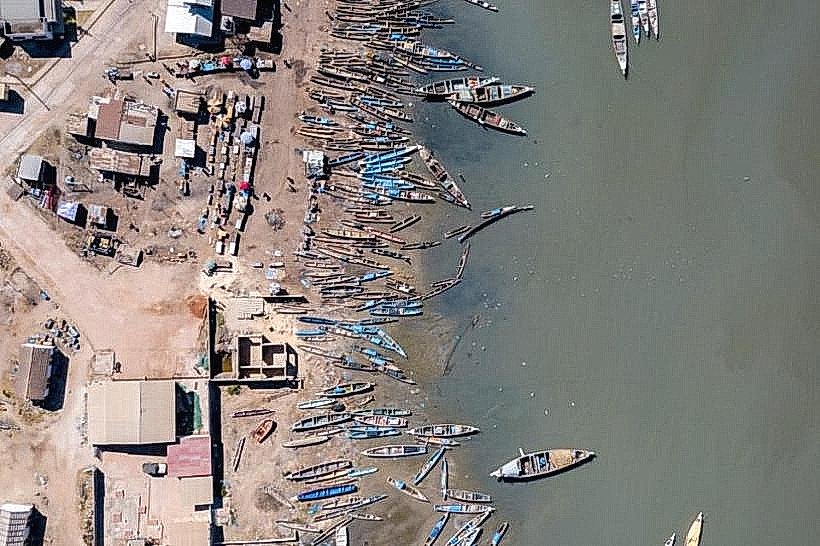
Kafountine Fishing Port (18.0km Northwest)
Diogué Island (10.0km West)
Point of Saint-Georges (15.0km Southeast)